Loading subject page…


145,116 views


Video Summary: What Is Mitochondria
Ever wonder why your heart never gets tired of beating? The answer lies in mitochondria explained biology - these cellular powerhouses work around the clock to fuel your body's most energy-demanding organs. A single cardiac muscle cell in the human heart contains approximately 5,000 mitochondria, compared to just a few in white blood cells, perfectly matching each cell's energy needs. Understanding what is mitochondria reveals how these remarkable organelles convert oxygen and nutrients into ATP, the universal energy currency that powers everything from muscle contractions to brain function. Watch the full video on JoVE Coach to master this concept with expert-led visuals and step-by-step explanations.
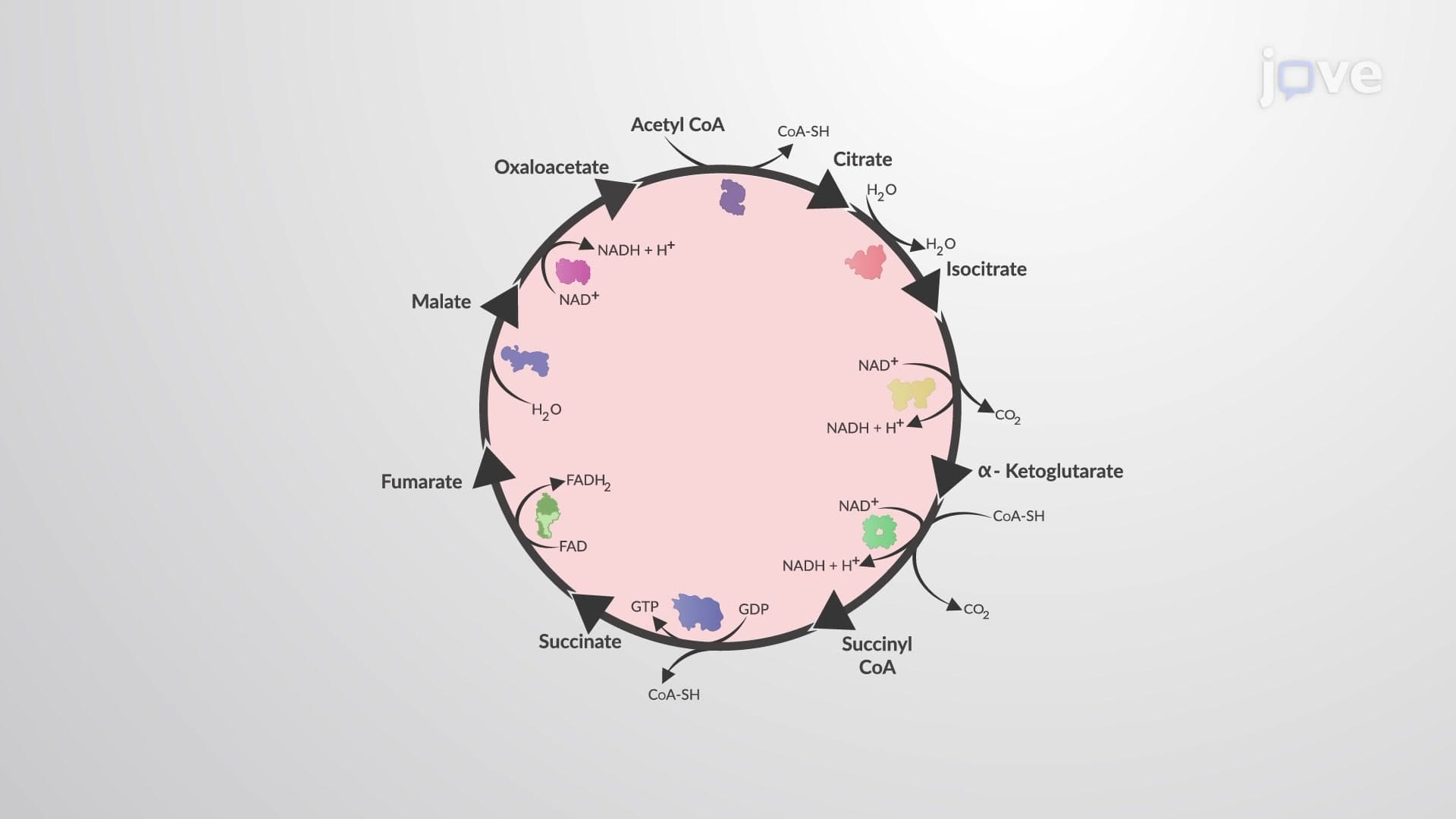
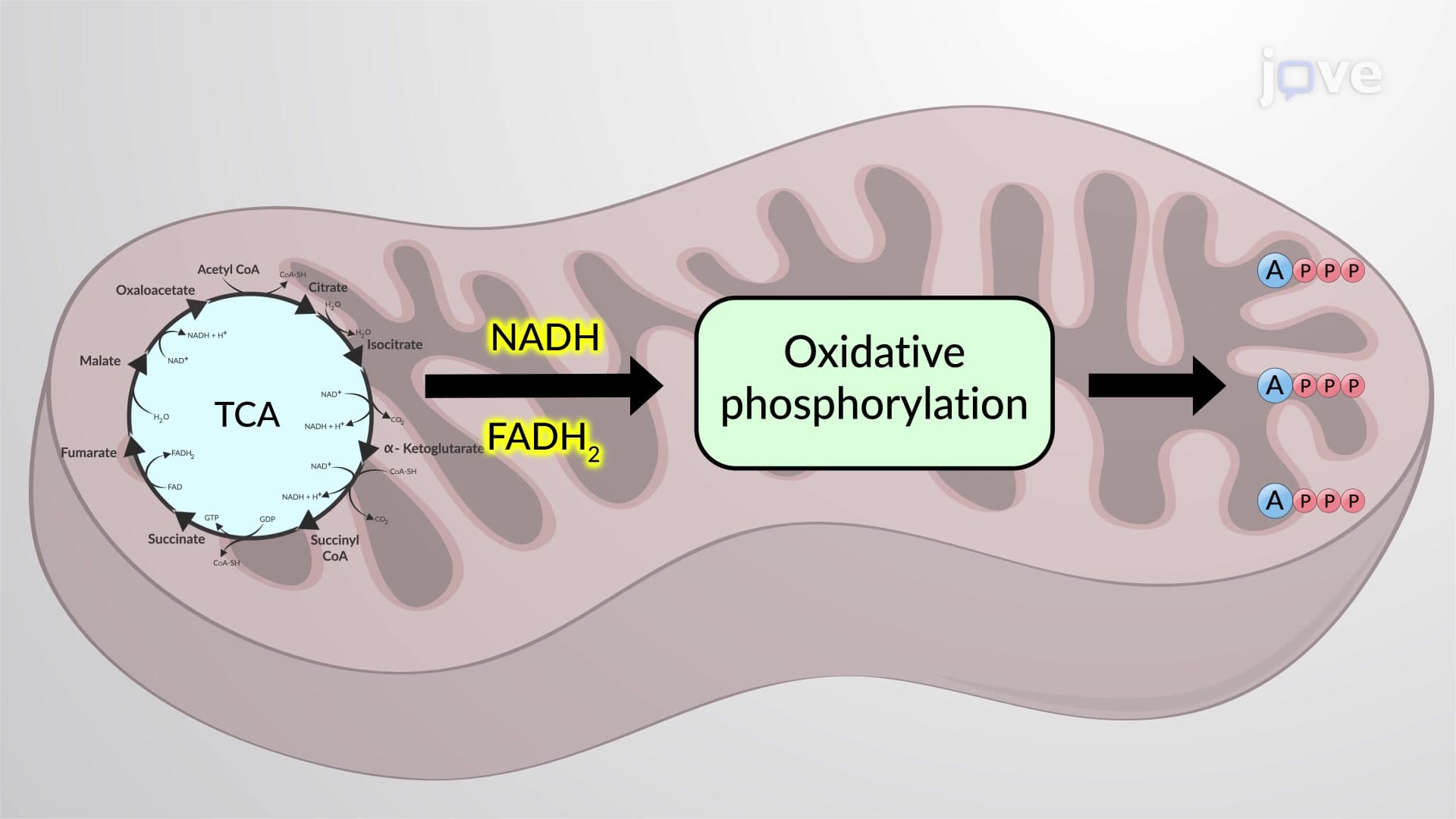
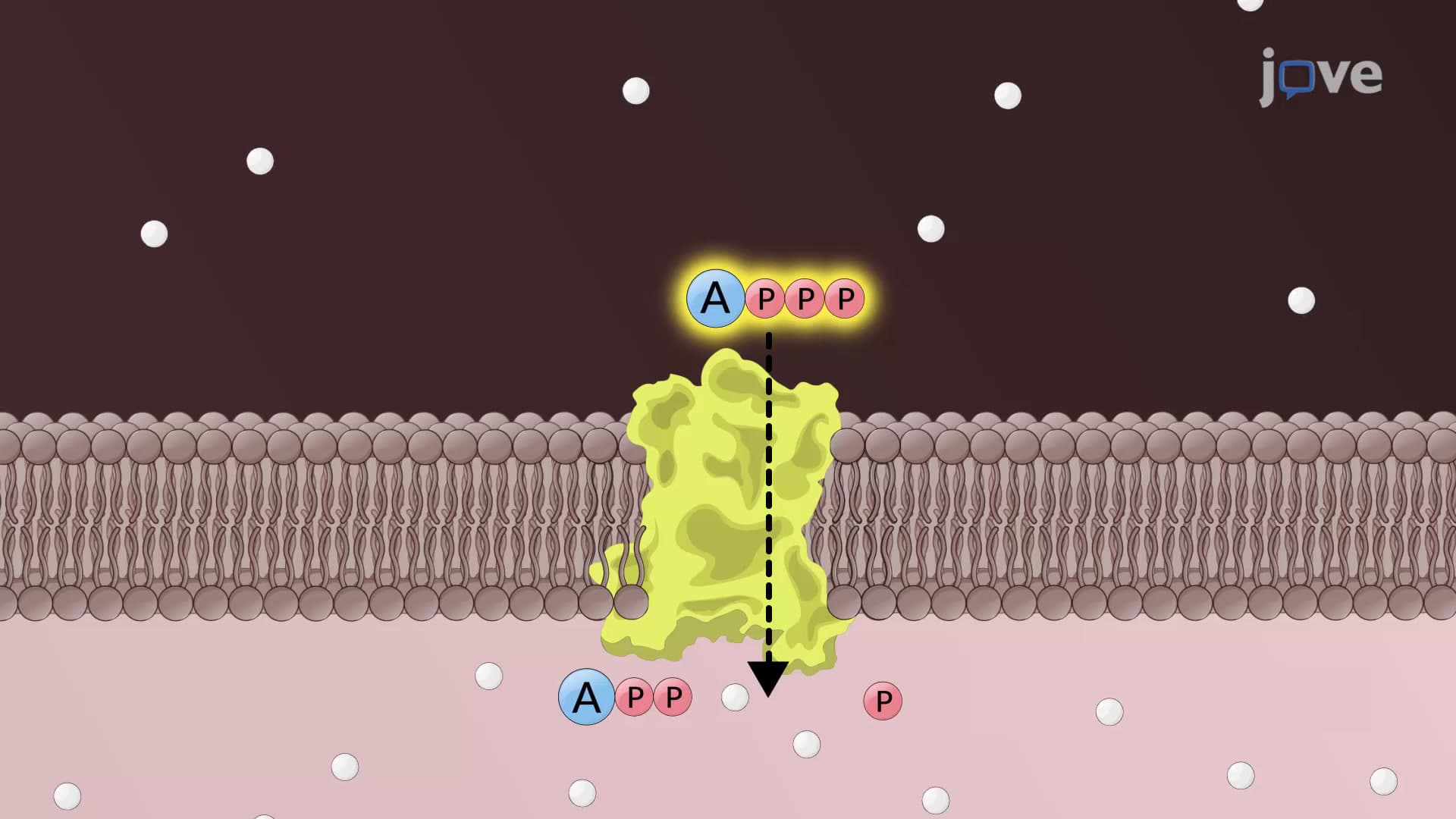
Mitochondria explained biology begins with recognizing these double-membraned organelles as the primary site of cellular respiration in eukaryotic cells. Unlike simple battery-like structures, mitochondria function as sophisticated biochemical factories that convert oxygen and organic molecules into adenosine triphosphate (ATP) through the process of oxidative phosphorylation. This conversion occurs within the mitochondrial matrix function, where enzymes of the citric acid cycle break down pyruvate molecules derived from glucose, generating electron carriers that fuel the electron transport chain.
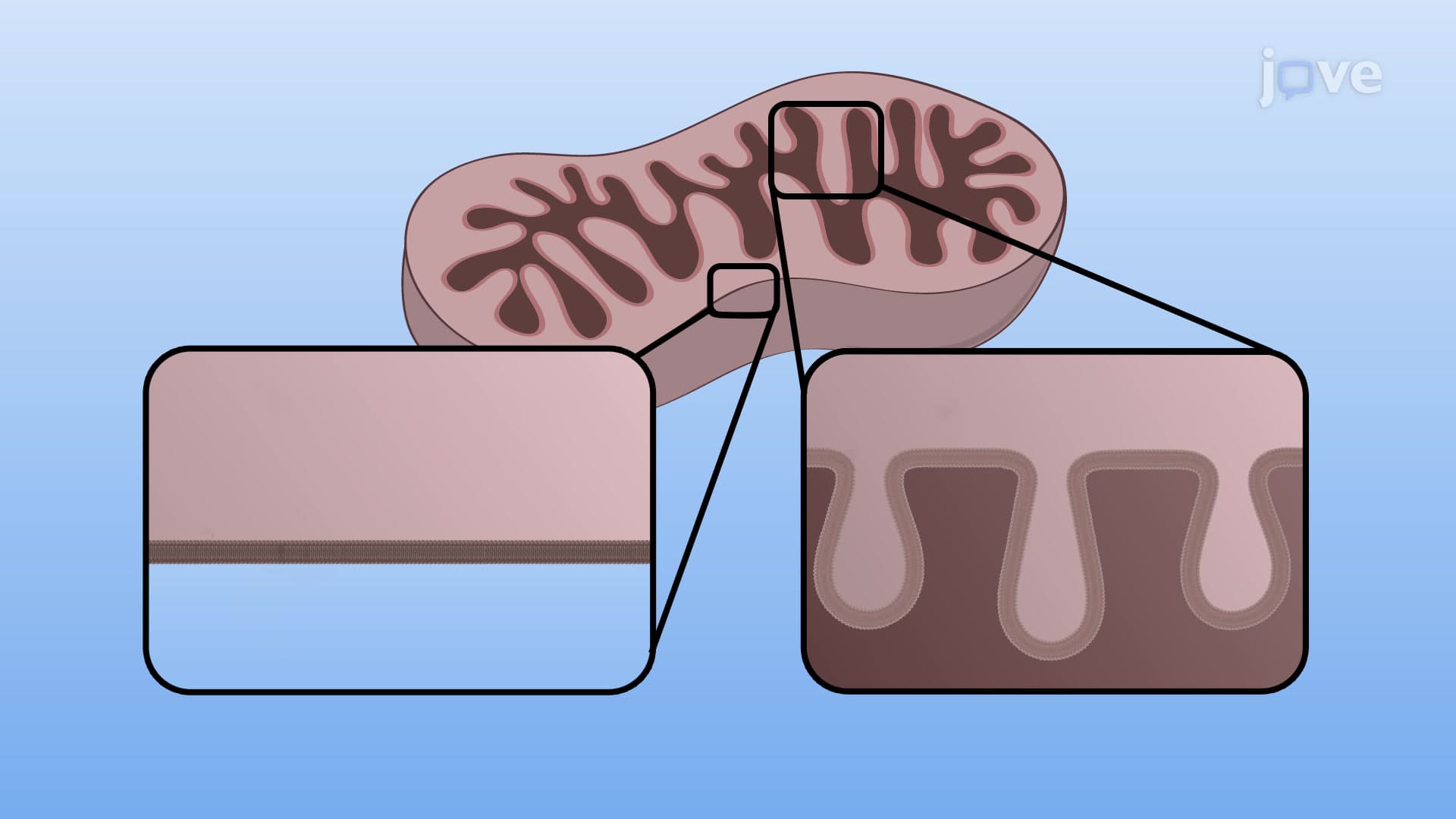
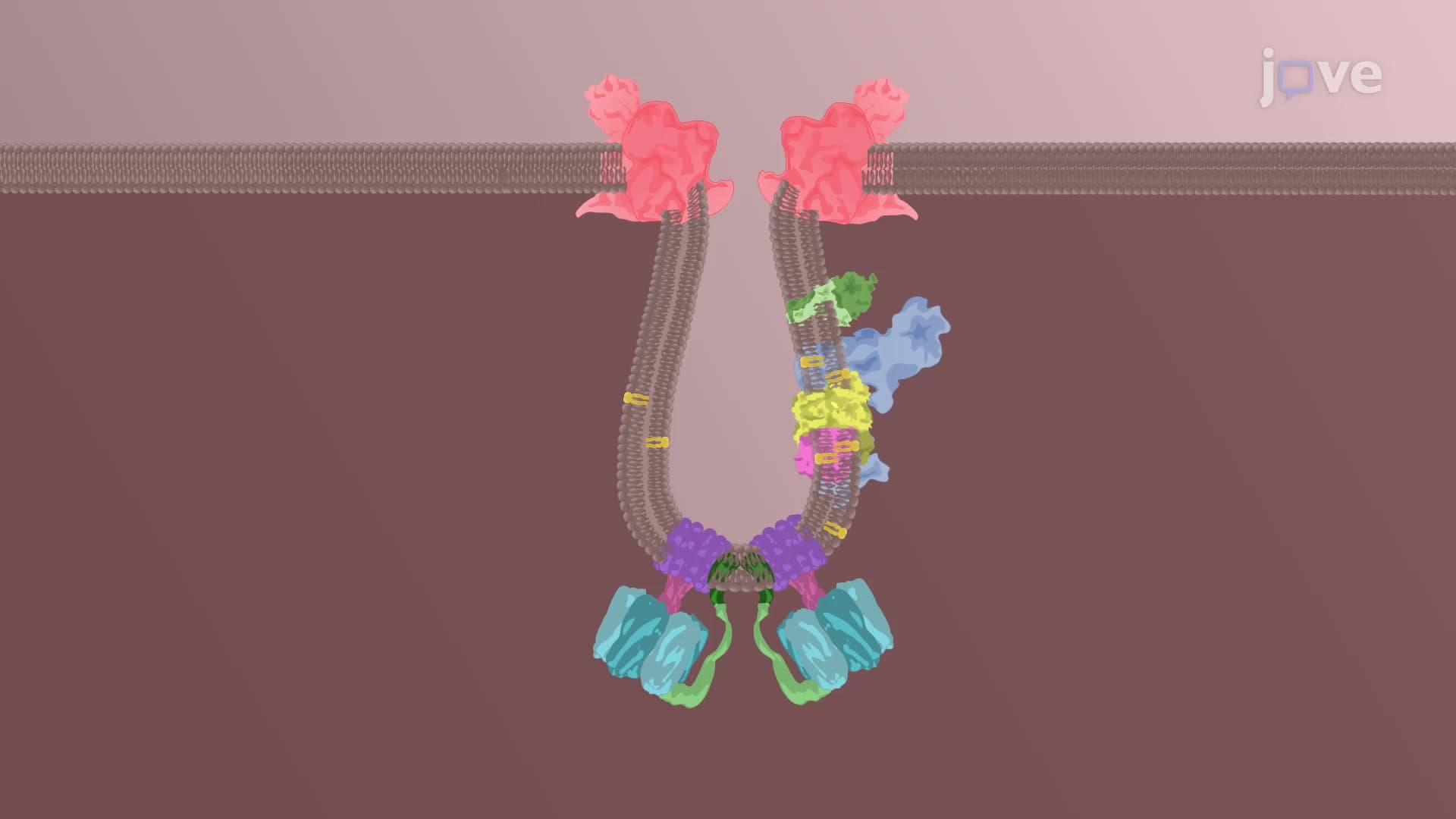
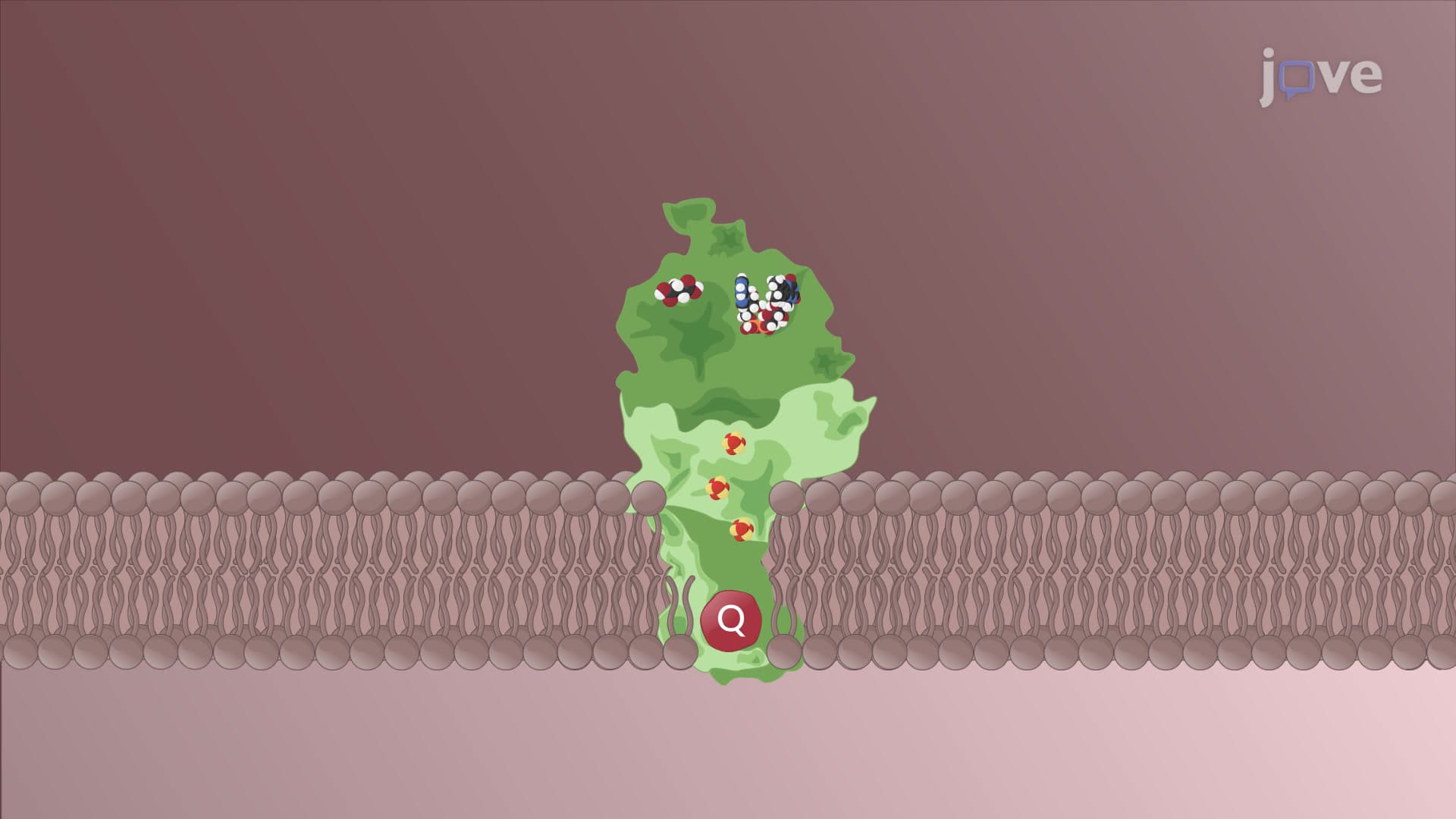
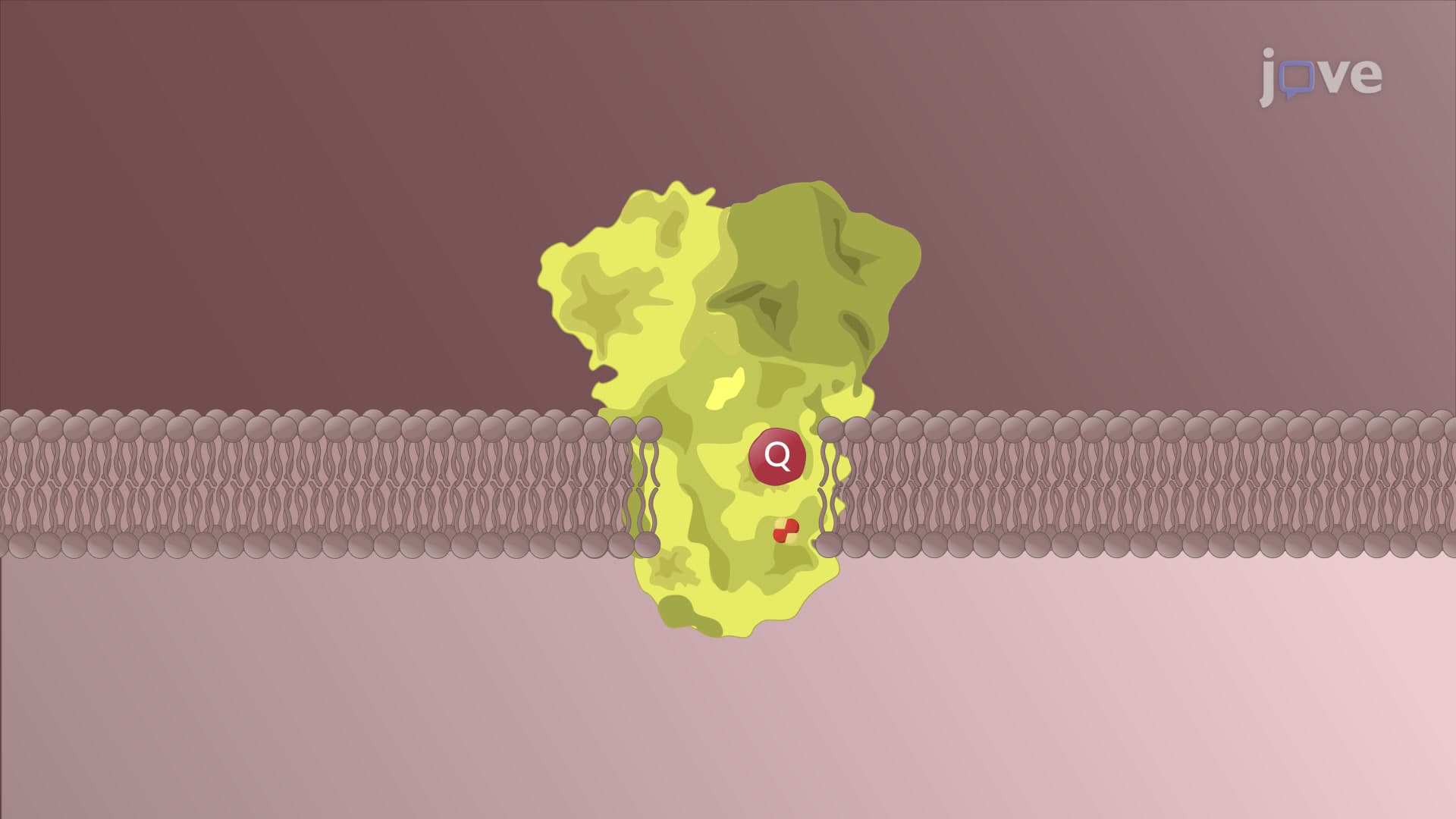
The inner outer membrane mitochondria architecture is crucial to their function. The outer membrane serves as a selective barrier, while the highly folded inner membrane - organized into structures called cristae - houses the electron transport complexes and ATP synthase. This design maximizes surface area for ATP production mitochondria, enabling a single mitochondrion to generate thousands of ATP molecules per minute.
The concept what is mitochondria and its function in cells becomes more complex when examining their distribution patterns. Muscle cells, particularly cardiac myocytes, contain the highest mitochondrial density - up to 40% of cell volume - reflecting their continuous energy demands. In contrast, mature red blood cells contain no mitochondria, relying entirely on glycolysis for their modest energy needs. This variation directly correlates with the cellular respiration mitochondria requirements of different tissues.
Medical students preparing for the MCAT encounter mitochondrial concepts extensively in both biochemistry and cell biology sections. The organelle's role in metabolism connects to broader physiological concepts tested on the USMLE, particularly in understanding metabolic disorders and cellular pathologies.
Modern research reveals that the traditional view of mitochondria as individual organelles oversimplifies their true nature. These organelles form dynamic, interconnected networks that constantly undergo fusion and fission events. During periods of high energy demand, mitochondria fuse to create extensive networks that optimize ATP production mitochondria and distribute resources efficiently throughout the cell.
Beyond their reputation as the mitochondria powerhouse, these organelles contribute significantly to cellular biosynthesis. Mitochondrial ribosomes synthesize essential components of the electron transport chain, while the organelle also participates in heme biosynthesis, steroid hormone production, and calcium homeostasis. This multifunctional nature makes mitochondrial dysfunction a contributing factor in numerous diseases, from neurodegenerative disorders to metabolic syndromes commonly studied in AP Biology and college-level biochemistry courses.
Related Micro-courses