Loading video…


 12 Concepts
 145.1K views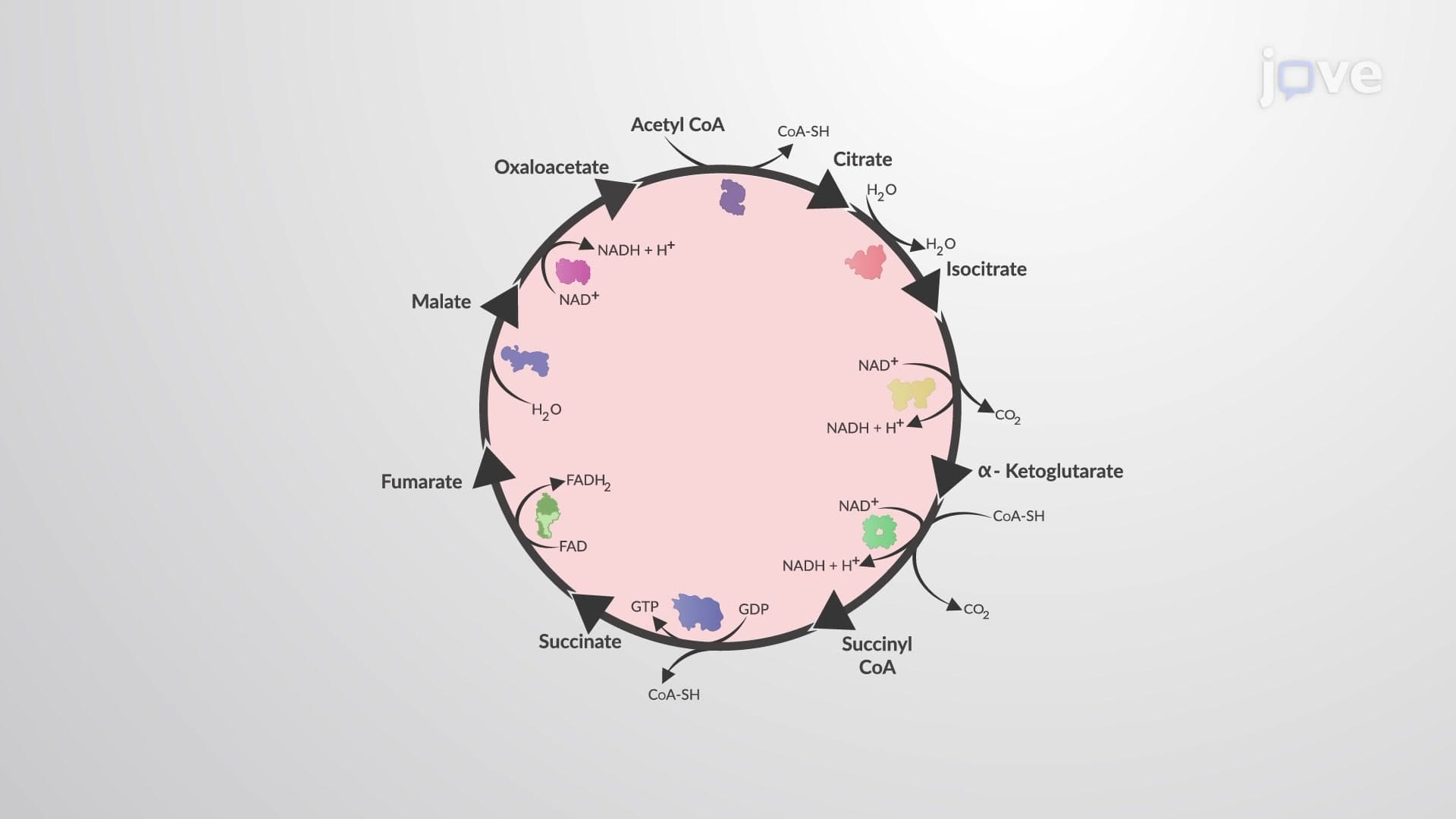

Video Summary: What Is the Citric Acid Cycle
Every second, trillions of your cells are burning fuel to keep you alive-but how exactly does a simple sugar molecule become the energy that powers your heartbeat? The citric acid cycle is the metabolic powerhouse that transforms food into usable cellular energy through eight precisely orchestrated chemical reactions. Consider that patients with mitochondrial disorders at Johns Hopkins Hospital often have disrupted citric acid cycles, leading to severe fatigue and muscle weakness. Watch the full video on JoVE Coach to master this concept with expert-led visuals and step-by-step explanations.
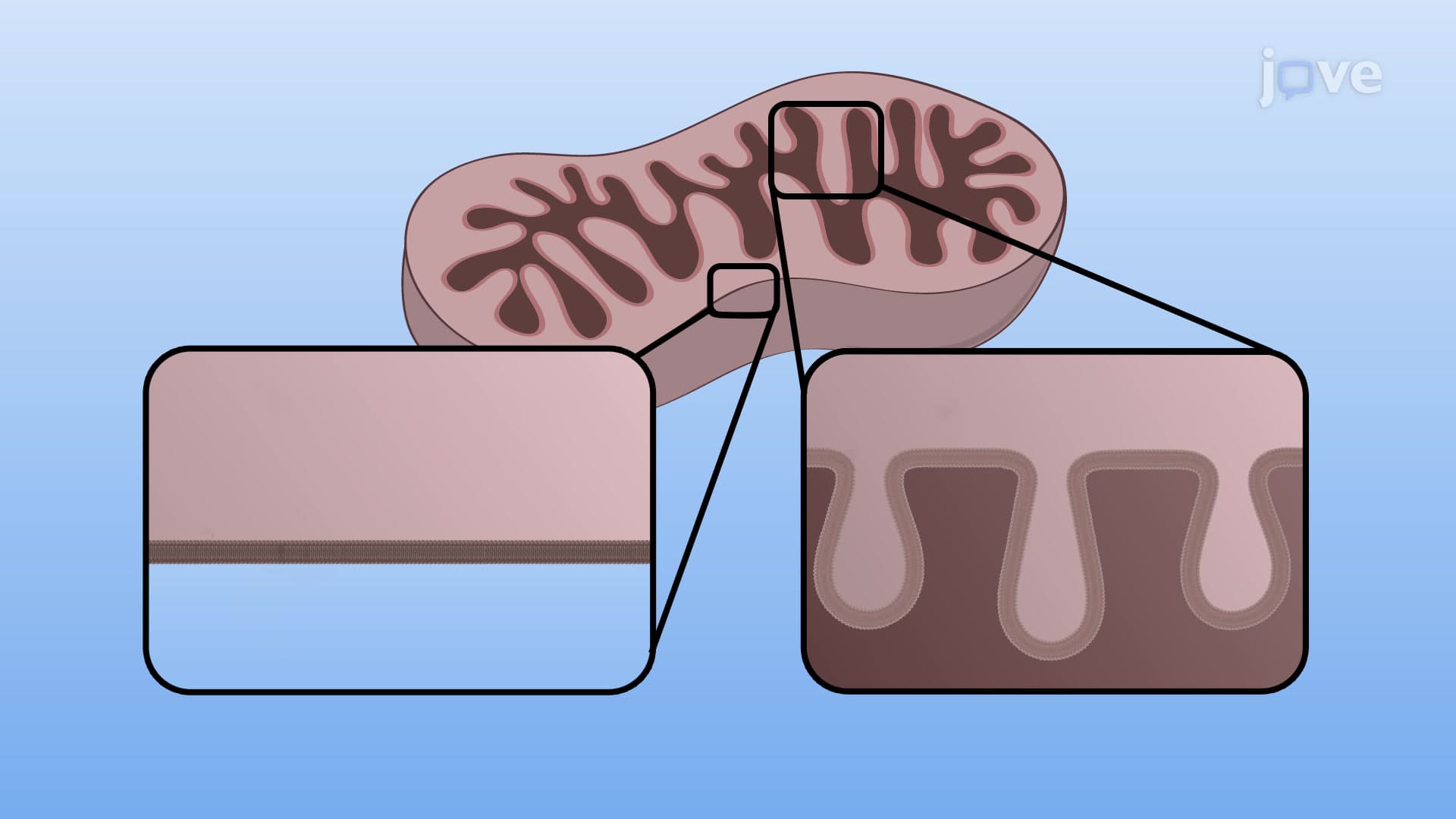
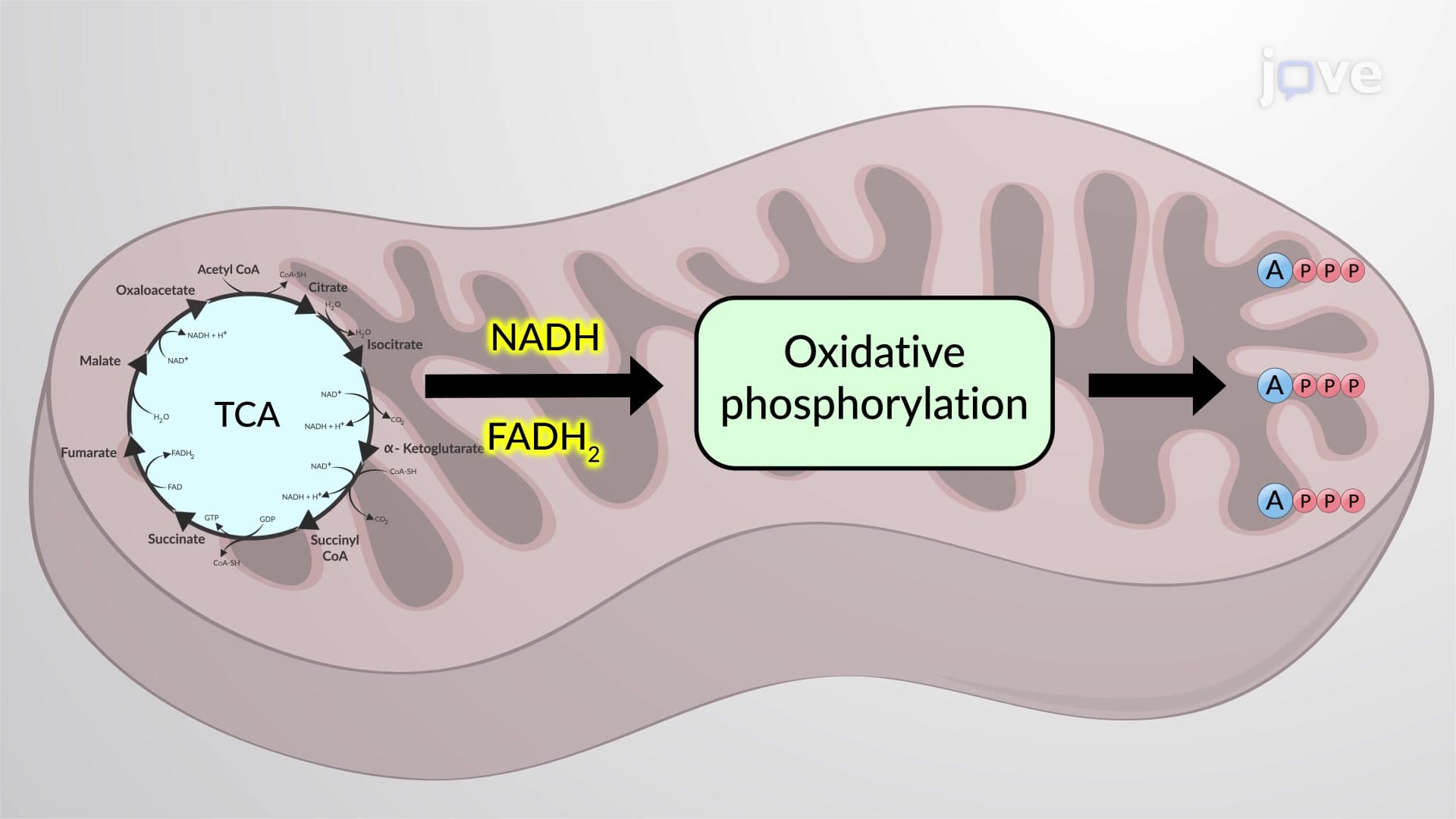
The citric acid cycle represents one of biology's most elegant and efficient energy-conversion systems. Operating within the mitochondrial matrix of eukaryotic cells, this eight-step metabolic pathway serves as the central hub where carbohydrates, fats, and proteins converge to generate the energy currencies that power cellular functions. Also known as the Krebs cycle (after Hans Krebs) or the tricarboxylic acid (TCA) cycle, this process is fundamental to aerobic life on Earth.
The cycle begins when acetyl-CoA, derived primarily from pyruvate through glycolysis, combines with oxaloacetate in a reaction catalyzed by citrate synthase. This initial condensation forms citric acid, the cycle's namesake molecule. The subsequent seven steps involve a carefully choreographed series of oxidations, rearrangements, and decarboxylations that ultimately regenerate oxaloacetate, allowing the cycle to continue indefinitely.
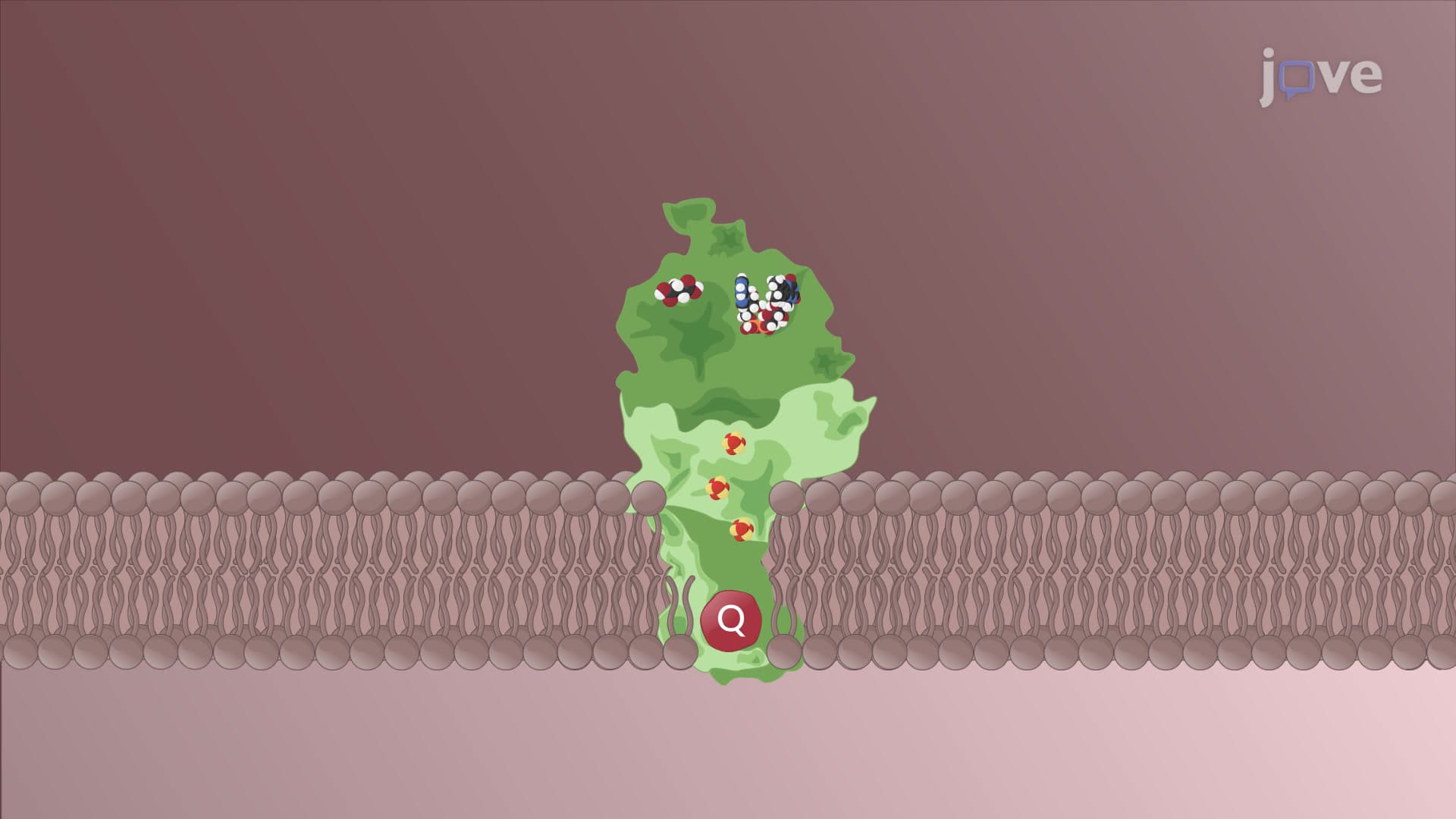
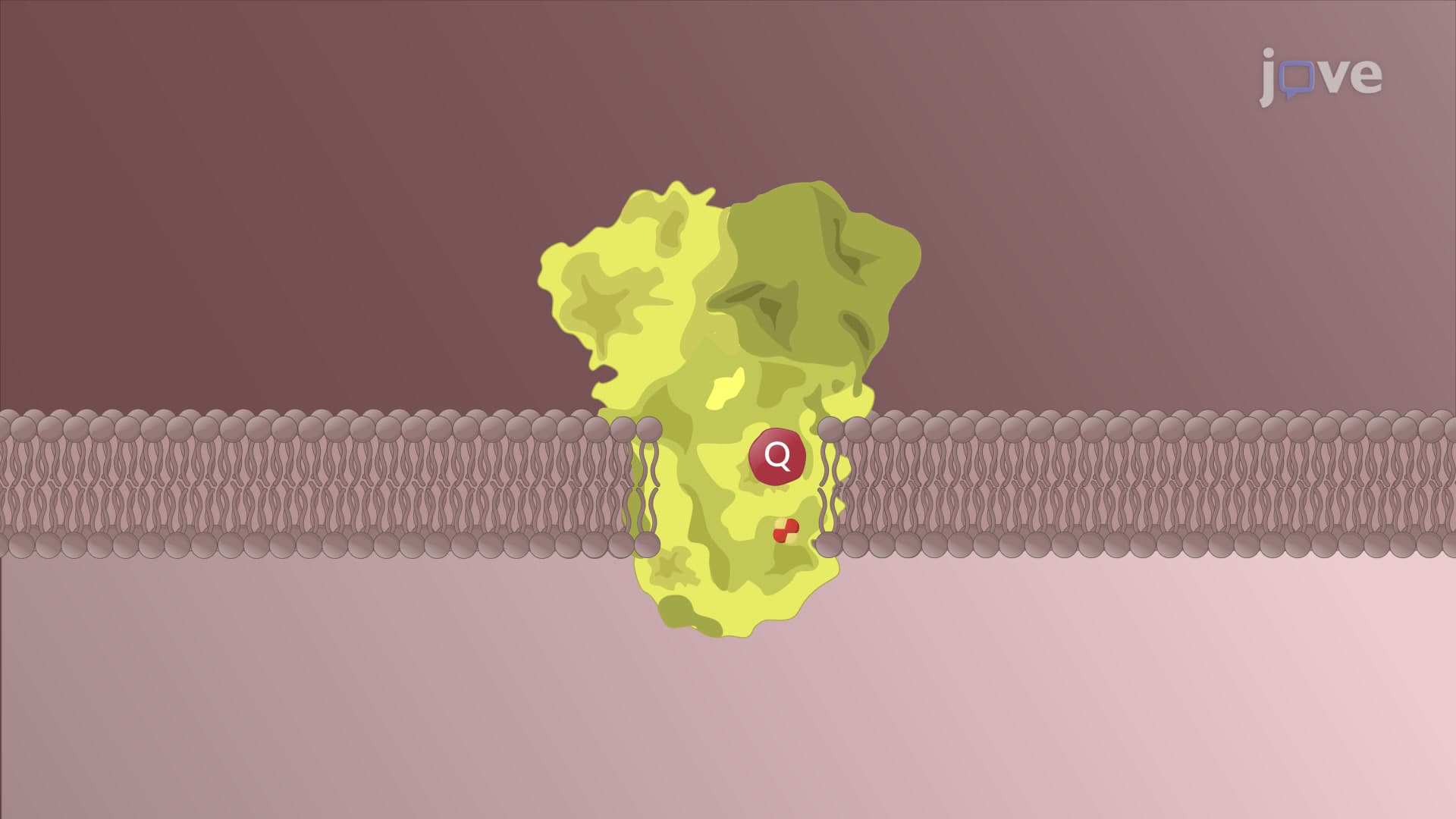
Key transformations include the oxidative decarboxylation steps at isocitrate dehydrogenase and α-ketoglutarate dehydrogenase, which capture high-energy electrons in NADH molecules. The substrate-level phosphorylation at succinyl-CoA synthetase directly produces GTP (equivalent to ATP), while succinate dehydrogenase generates FADH2. These energy carriers subsequently fuel the electron transport chain for massive ATP production.
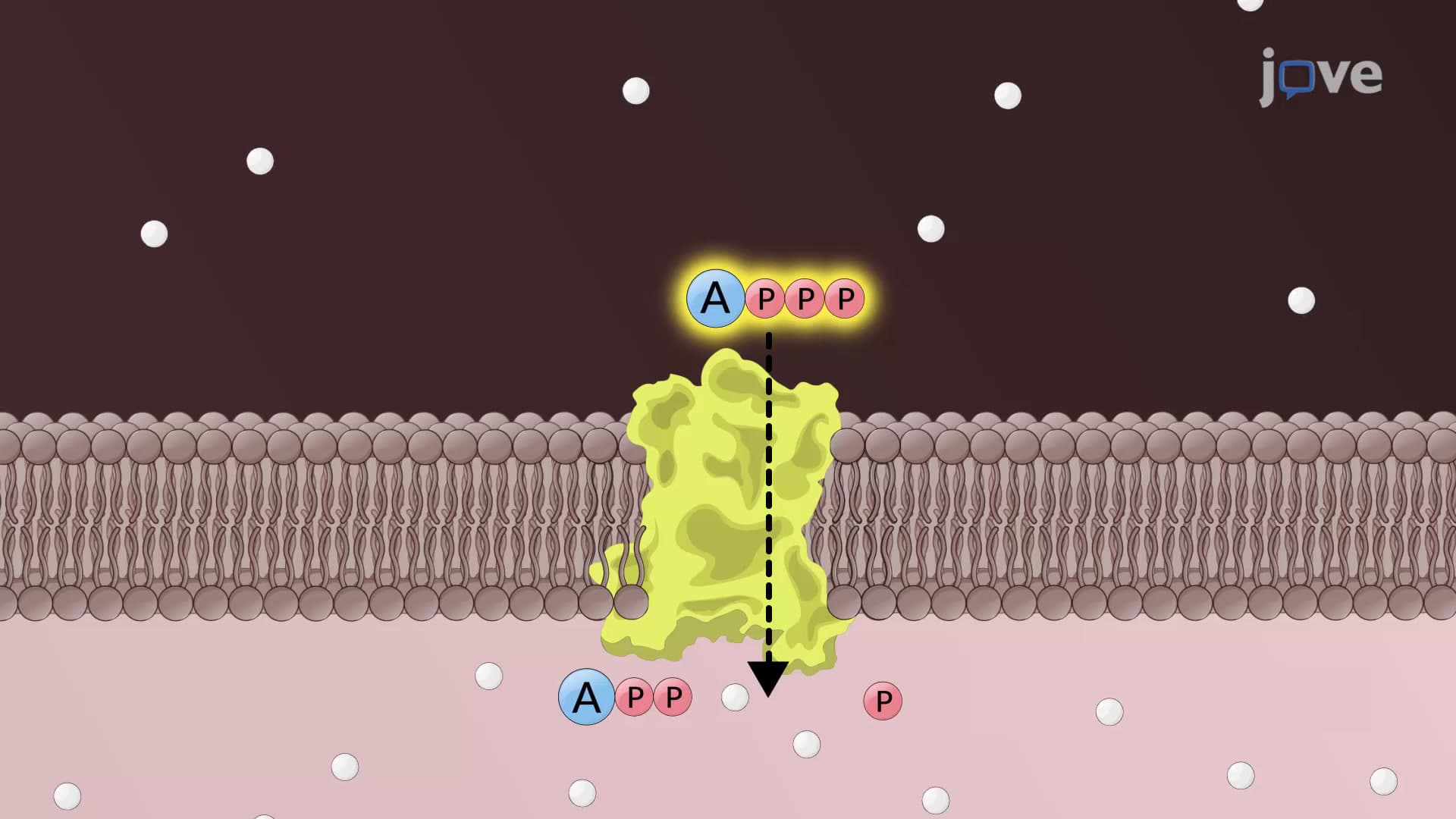
Each turn of the citric acid cycle yields three NADH, one FADH2, one GTP, and two CO2 molecules. When these reduced coenzymes enter the electron transport chain, they generate approximately 30-32 ATP molecules per glucose molecule-making this pathway the primary energy producer in aerobic organisms. This efficiency explains why endurance athletes focus on aerobic training and why muscle cells contain abundant mitochondria.
Understanding the citric acid cycle is crucial for success in advanced high school AP Biology courses and college-level biochemistry. The MCAT extensively tests knowledge of metabolic pathways, particularly enzyme names, reaction mechanisms, and energy calculations. Medical students encountering this material in courses like those at Harvard Medical School or Stanford University School of Medicine must master these concepts for USMLE Step 1 preparation.
Clinically, cycle dysfunction underlies numerous pathologies. Thiamine deficiency disrupts pyruvate dehydrogenase and α-ketoglutarate dehydrogenase, causing beriberi and Wernicke-Korsakoff syndrome. Genetic mutations affecting cycle enzymes can cause devastating metabolic disorders, highlighting the pathway's critical importance in human health.
Related Micro-courses