Loading video…


 12 Concepts
 145.1K views

Video Summary: What Is the Electron Transport Chain
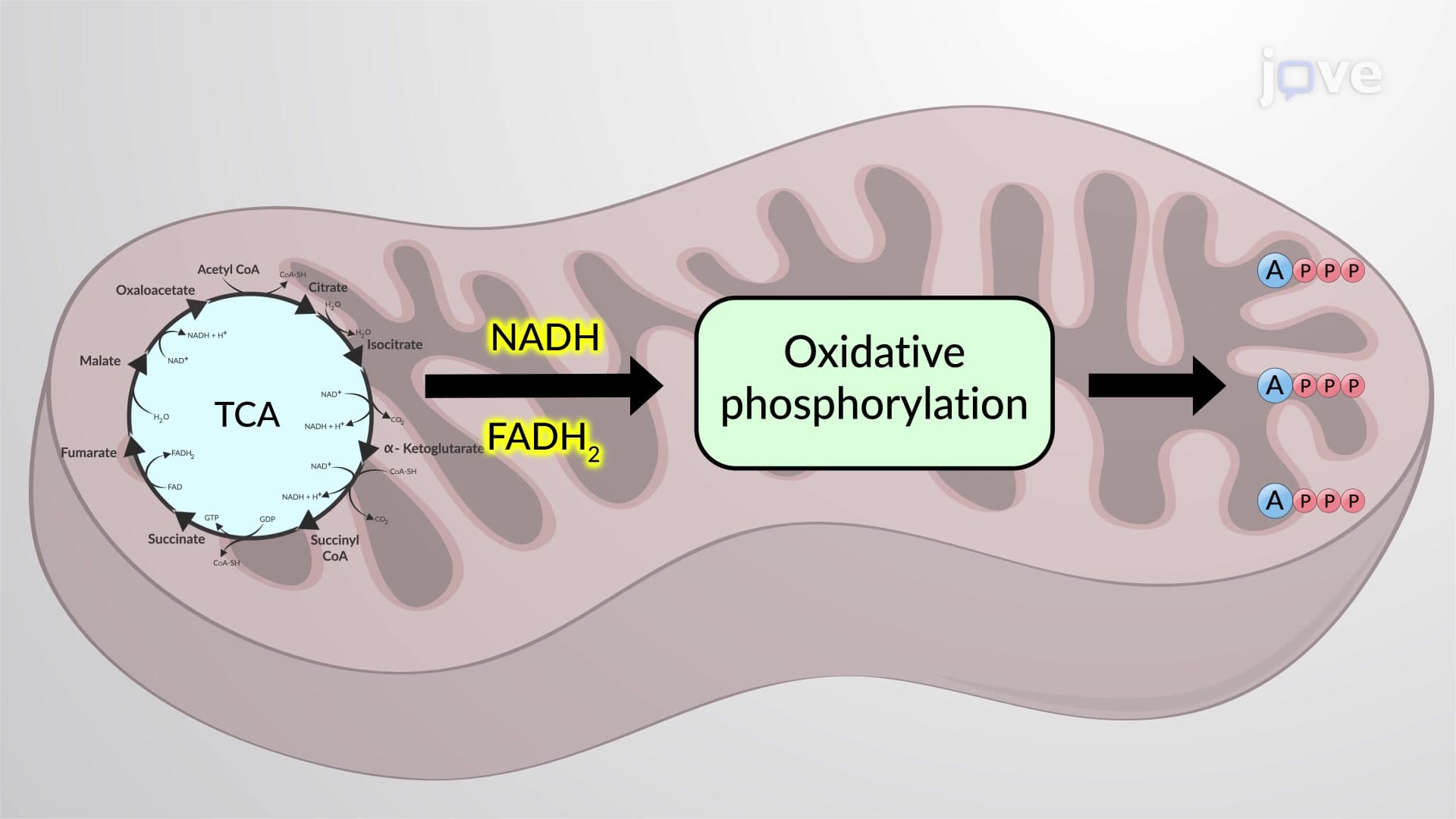
Ever wonder how a single slice of pizza powers your entire body for hours? The electron transport chain is the cellular powerhouse that converts the food you eat into usable energy, producing an impressive 32 ATP molecules from just one glucose molecule. This biochemical assembly line, operating in every mitochondrion of your cells, is like the energy production system at a major US power plant-efficiently converting raw materials into electricity that powers entire cities. Watch the full video on JoVE Coach to master this concept with expert-led visuals and step-by-step explanations.
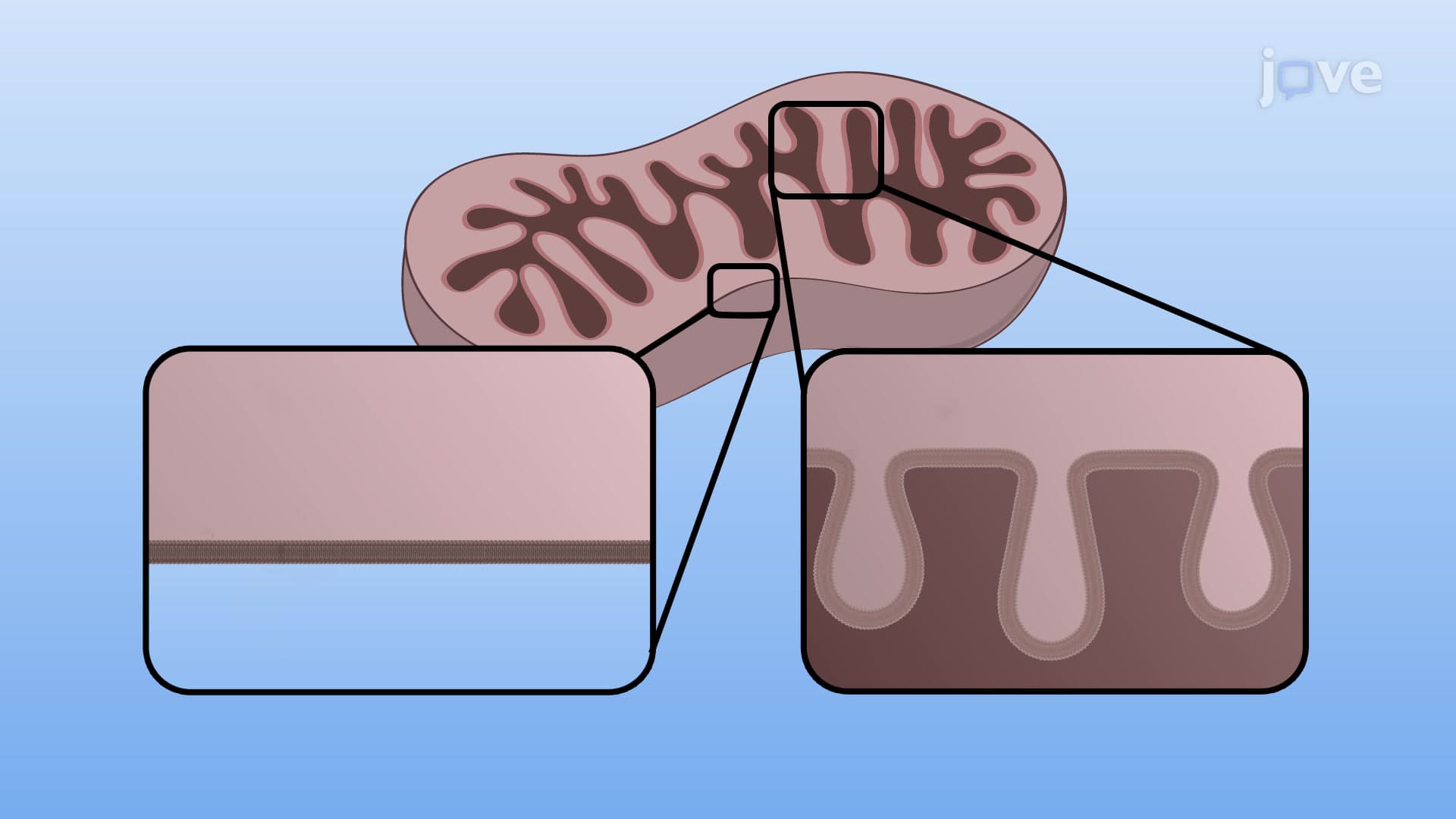
The electron transport chain represents one of biology's most elegant energy conversion systems, functioning as a sophisticated molecular assembly line within the inner mitochondrial membrane. This process transforms the chemical energy stored in electron carriers into the universal cellular currency: ATP. Students preparing for AP Biology or college biochemistry courses will encounter this concept as a cornerstone of cellular metabolism, directly connecting to broader themes in bioenergetics and cellular physiology.
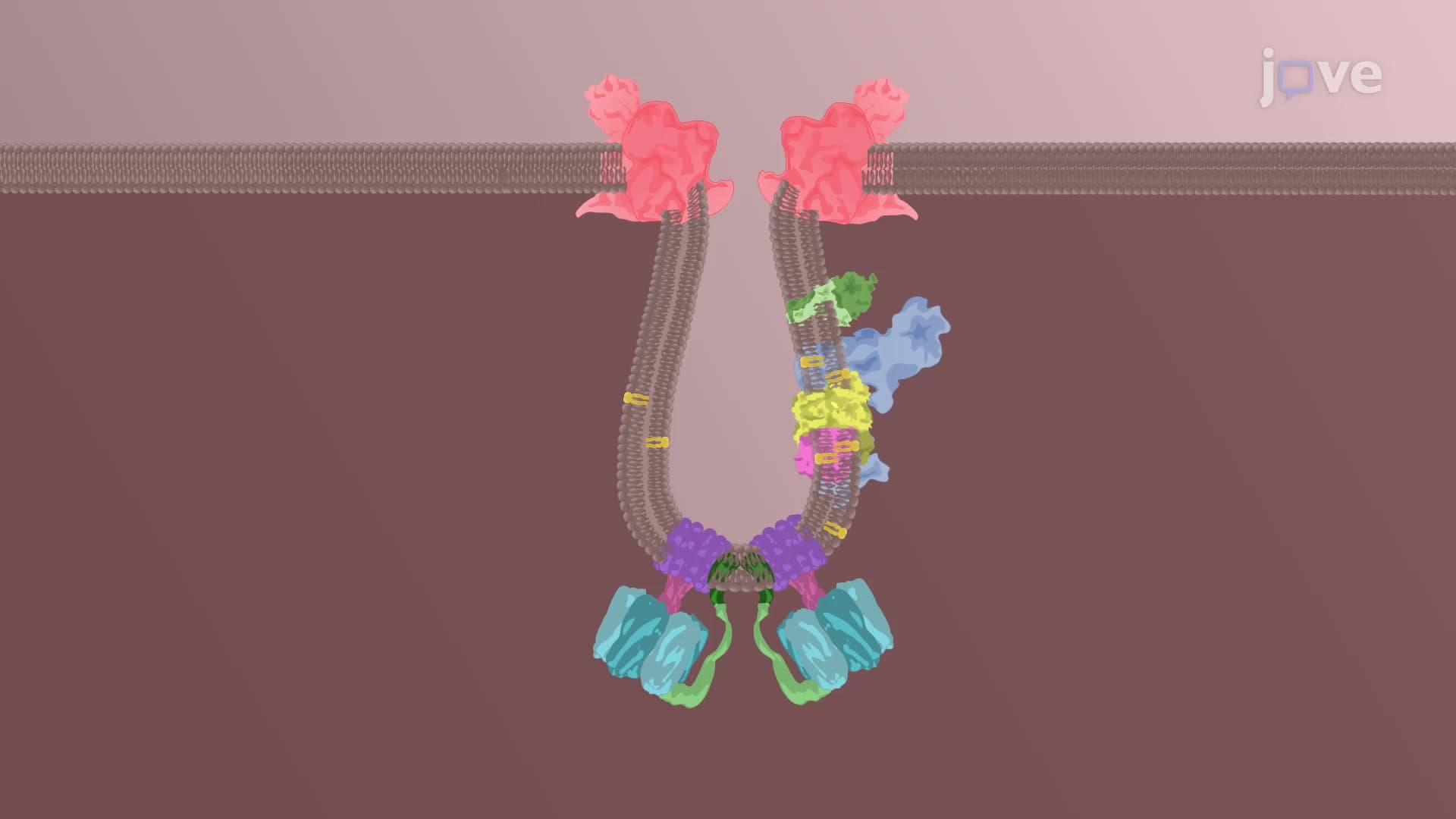
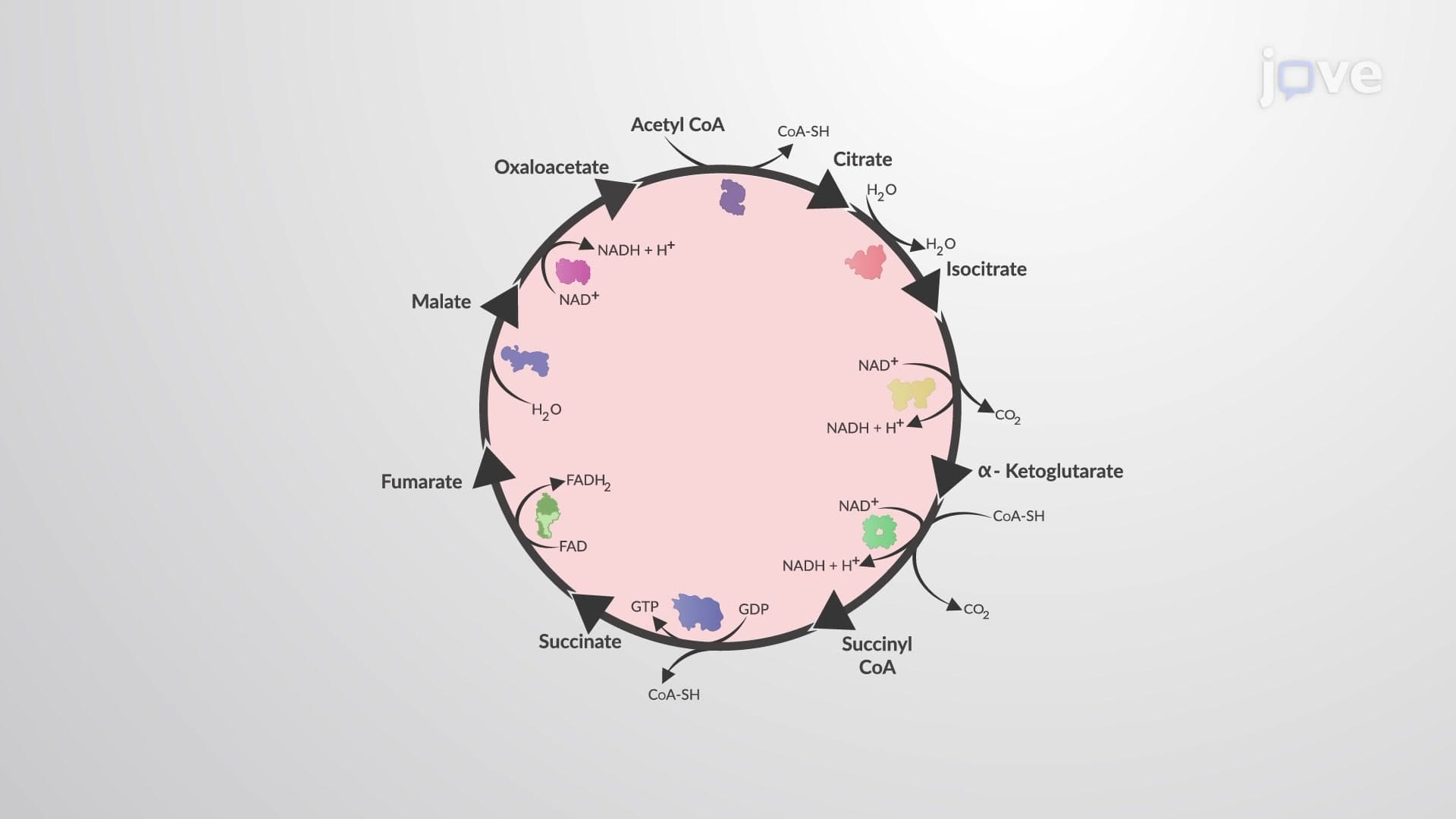
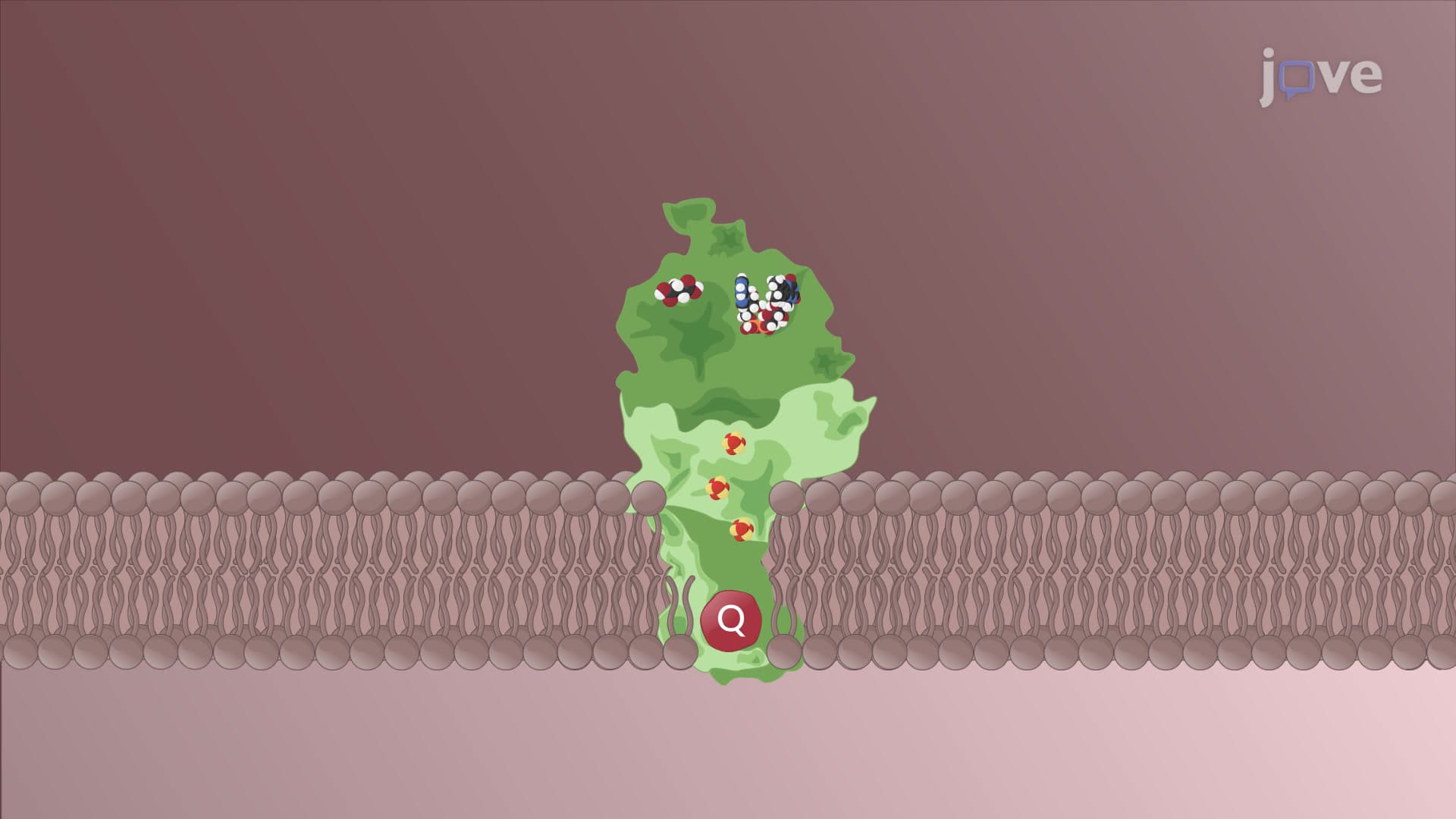
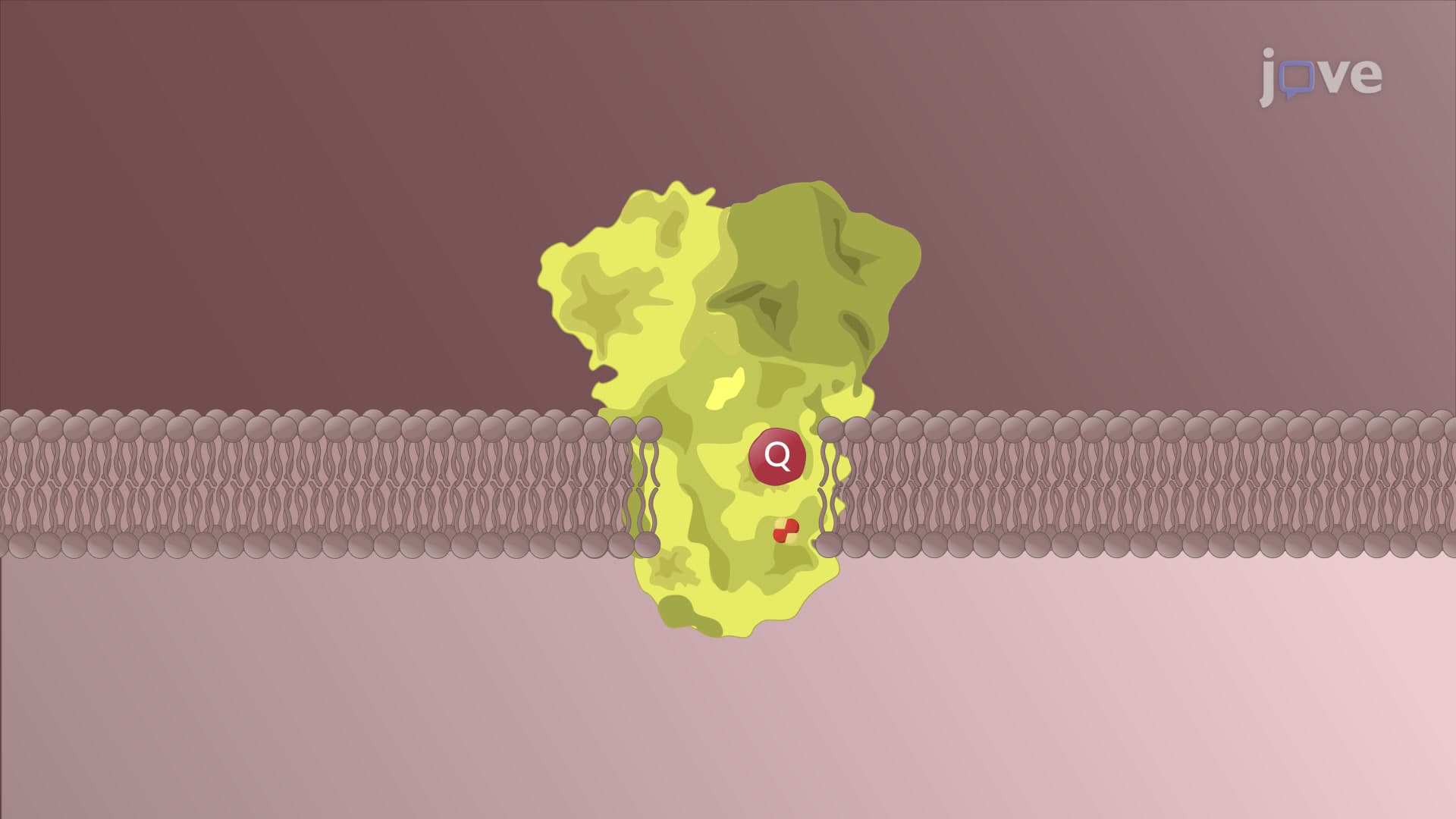
The electron transport chain operates through four distinct protein complexes, each serving a specialized function. Complex I (NADH dehydrogenase) receives electrons from NADH, the primary electron donor produced during glycolysis and the citric acid cycle. These electrons travel through iron-sulfur clusters, ultimately reducing coenzyme Q (ubiquinone) to ubiquinol (QH2). Complex II (succinate dehydrogenase) provides an alternative entry point, accepting electrons from FADH2 and also contributing to the ubiquinol pool.
Complex III (cytochrome bc1 complex) facilitates the Q cycle, a sophisticated mechanism that transfers electrons from ubiquinol to cytochrome c while simultaneously pumping protons across the membrane. The mobile electron carrier cytochrome c then shuttles electrons to Complex IV (cytochrome c oxidase), where oxygen serves as the final electron acceptor, combining with protons to form water.
The genius of the electron transport chain lies not just in electron transfer, but in energy coupling through chemiosmosis. As electrons flow through Complexes I, III, and IV, the energy released powers proton pumps that transport H+ ions from the mitochondrial matrix to the intermembrane space. This creates an electrochemical gradient-essentially a biological battery-with higher proton concentration in the intermembrane space.
ATP synthase (Complex V) harnesses this proton-motive force as protons flow back through its channel, driving conformational changes that synthesize ATP from ADP and inorganic phosphate. This process, discovered by Peter Mitchell and earning him the Nobel Prize, explains how cells achieve such remarkable efficiency in energy production.
Understanding the electron transport chain proves essential for students pursuing healthcare careers, as dysfunction in this system underlies numerous metabolic disorders. For instance, patients with mitochondrial diseases often present with symptoms affecting high-energy organs like the heart, brain, and muscles. MCAT preparation heavily emphasizes this topic, particularly the quantitative aspects of ATP yield and the integration with other metabolic pathways. Research institutions like Johns Hopkins and Stanford continue investigating electron transport chain components for potential therapeutic targets in aging and neurodegenerative diseases.
Related Micro-courses