Loading subject page…


58,702 views
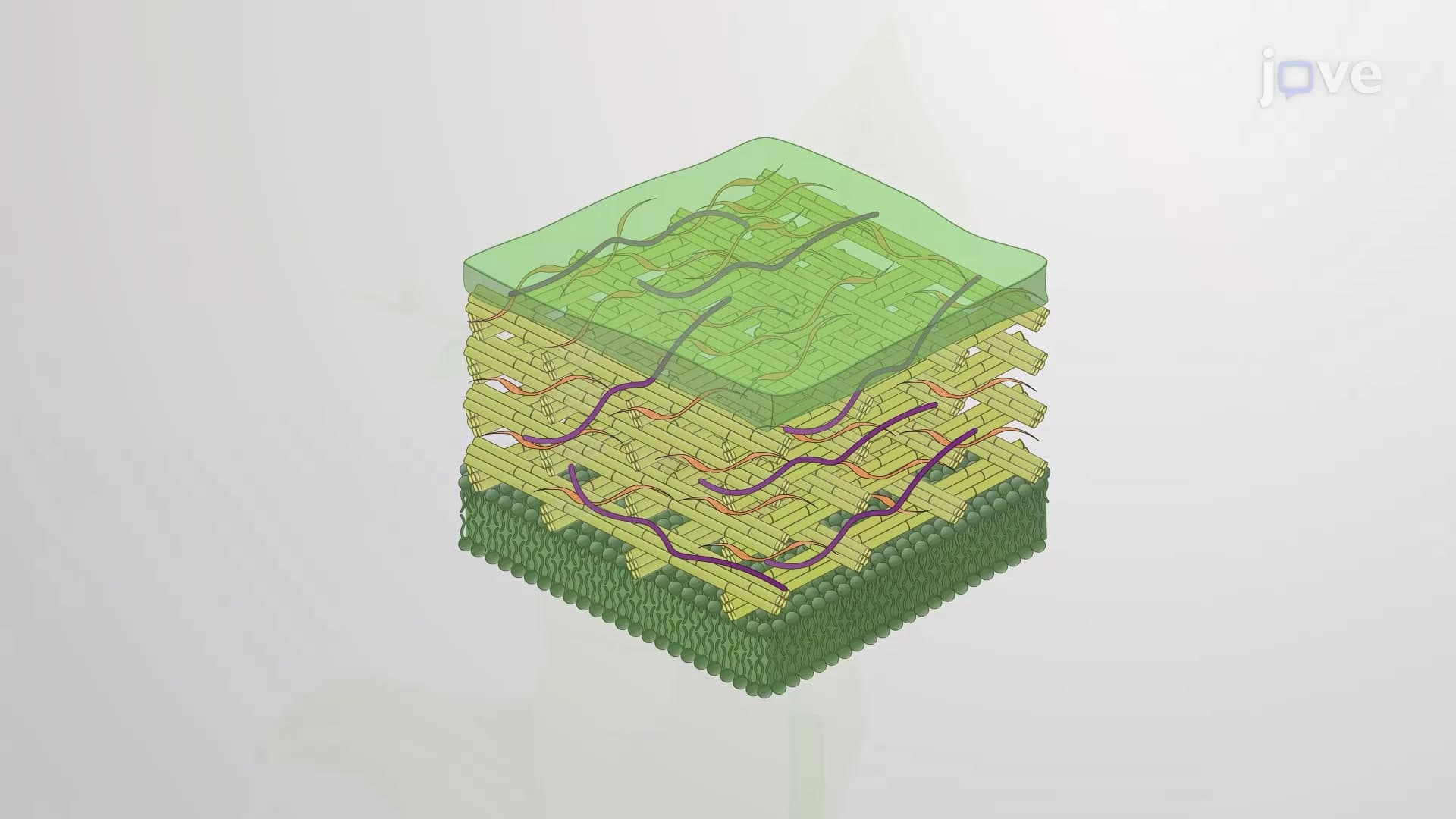

Video Summary: What are Cellulose and Pectic Polysaccharides
Ever wonder why a single cotton fiber can be stronger than steel by weight? Cellulose and pectic polysaccharides form the structural foundation of every plant cell wall, from the towering redwoods in California's national parks to the cotton in your favorite t-shirt. These complex carbohydrate molecules work together like reinforced concrete, with cellulose providing tensile strength while pectic substances act as flexible cement. Watch the full video on JoVE Coach to master this concept with expert-led visuals and step-by-step explanations.
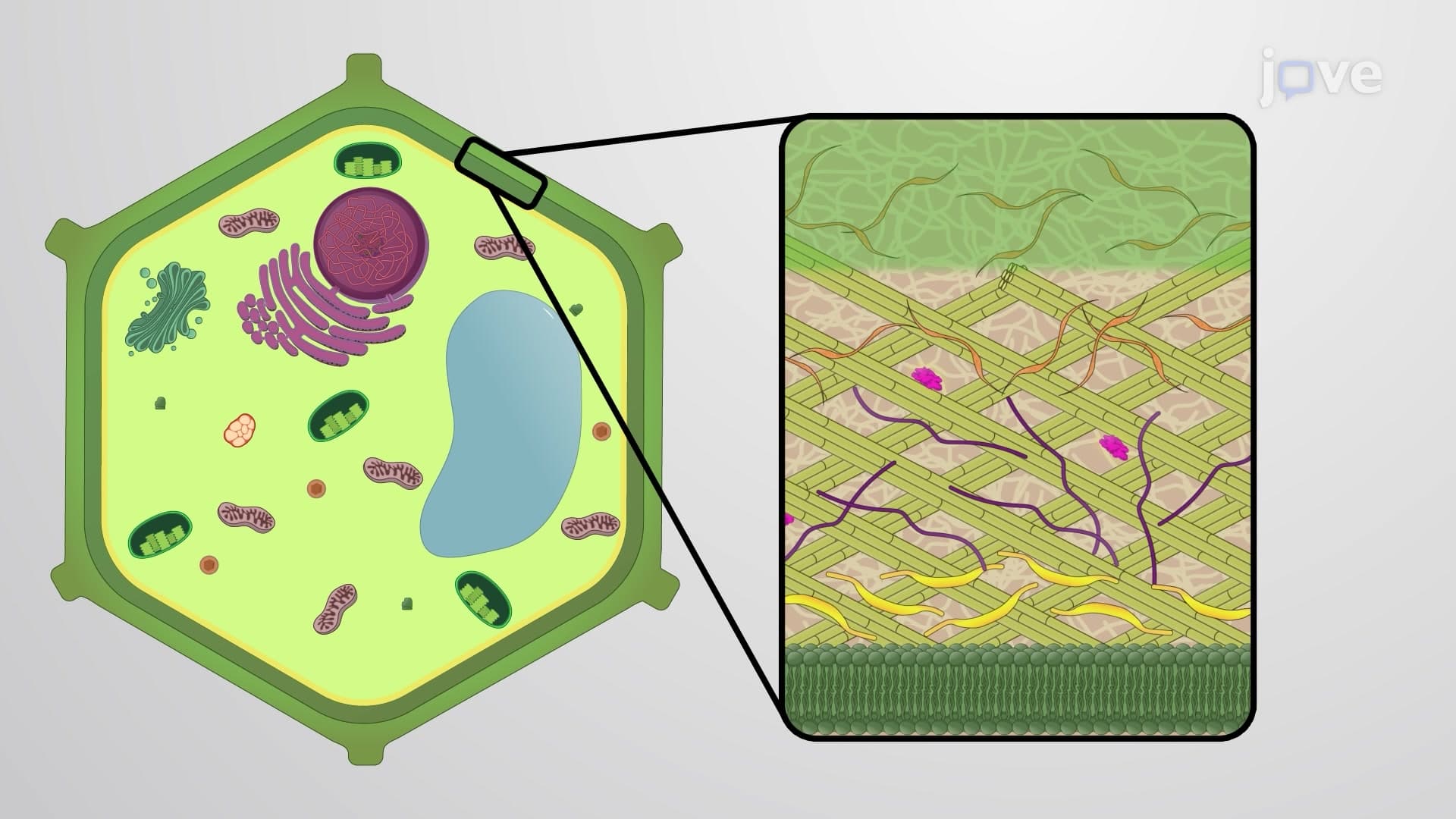
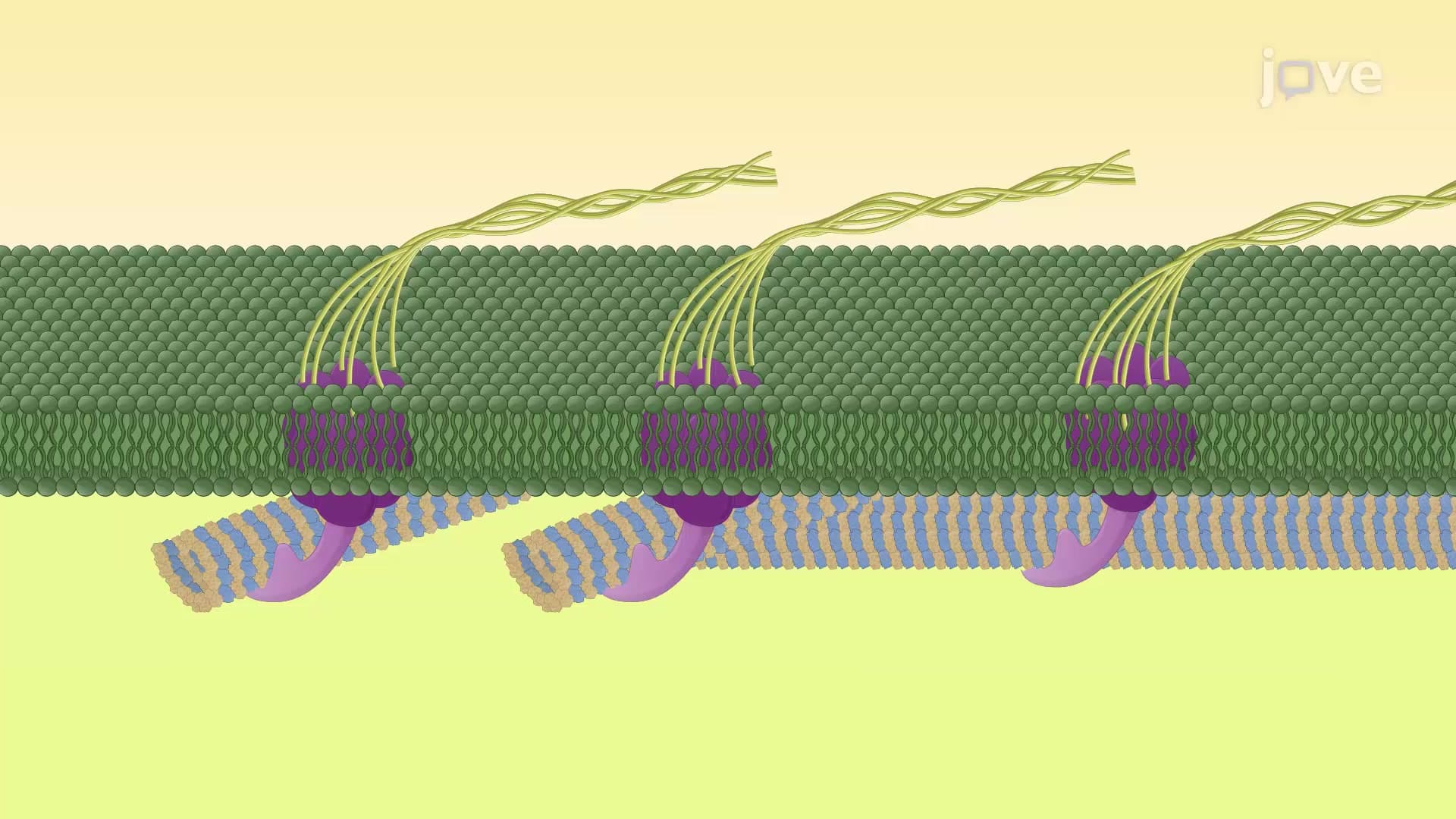
Cellulose and pectic polysaccharides represent two of the most abundant biological polymers on Earth, forming the architectural backbone of plant cell walls. Cellulose consists of linear chains of β-1,4-linked glucose units, creating unbranched molecules that can contain thousands of glucose residues. This linear structure allows multiple cellulose chains to align parallel to each other, forming strong intermolecular hydrogen bonds that create crystalline microfibrils.
These microfibrils function like steel rebar in concrete, providing exceptional tensile strength. In fact, cellulose microfibrils possess a tensile strength comparable to steel, making them invaluable in applications from paper manufacturing to textile production. The timber industry in states like Oregon and Washington relies on understanding cellulose structure to optimize wood processing for construction materials.
Pectic polysaccharides, commonly called pectins, create the gel-like matrix surrounding cellulose microfibrils. Unlike cellulose's uniform glucose composition, pectins contain primarily galacturonic acid units with various degrees of methylation and branching. This structural diversity allows pectins to form flexible, hydrated gels that accommodate cell expansion during growth.
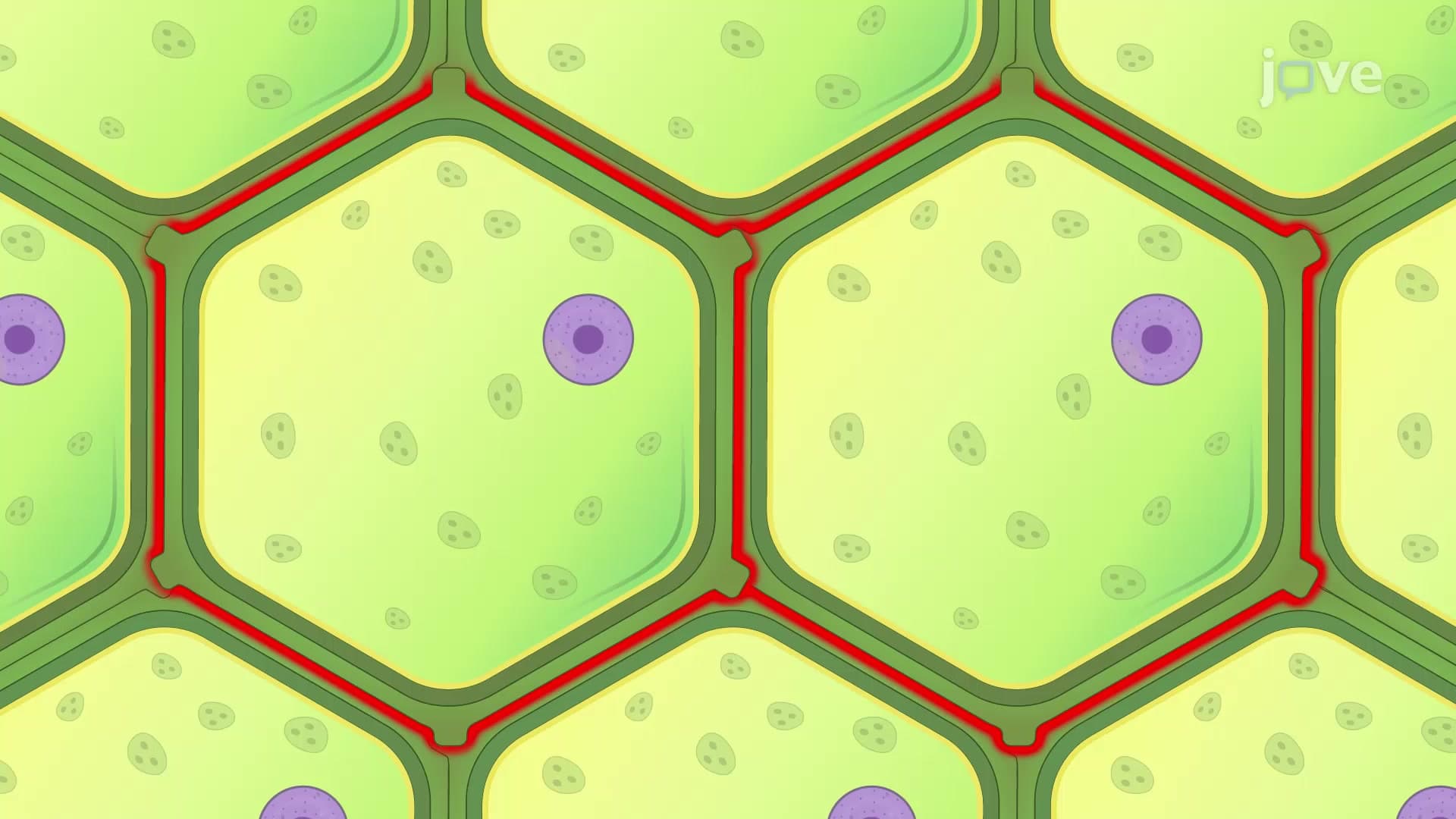
The commercial food industry capitalizes on pectin's gelling properties. Companies like Welch's and Smucker's use natural fruit pectins to create jams and jellies, demonstrating pectin's ability to form stable gels in the presence of sugar and acid. This same gelling mechanism occurs in plant cell walls, where calcium ions cross-link pectin molecules to cement adjacent cells together.
The combination of cellulose and pectic polysaccharides creates a composite material with unique mechanical properties. Cellulose microfibrils provide directional strength, while the pectic matrix allows controlled flexibility and expansion. This arrangement enables plants to maintain structural integrity while accommodating growth, water uptake, and environmental stresses.
During plant development, secondary cell walls may form with additional polymers like lignin, creating the woody tissues essential for trees and shrubs. Understanding these structural relationships proves crucial for students preparing for AP Biology exams, where cell wall composition frequently appears in free-response questions about plant structure and function.
Students encounter cellulose and pectic polysaccharides concepts across multiple academic levels. In high school AP Biology courses, these topics connect to broader themes of structure-function relationships and cellular organization. College-level botany and biochemistry courses delve deeper into the molecular mechanisms of cell wall synthesis and modification.
For pre-med students preparing for the MCAT, understanding polysaccharide structure and function relates to broader carbohydrate metabolism and structural biology concepts. This knowledge also proves valuable for students pursuing careers in agricultural sciences, forestry, or biotechnology industries.
Related Micro-courses