Loading video…


 7 Concepts
 58.7K views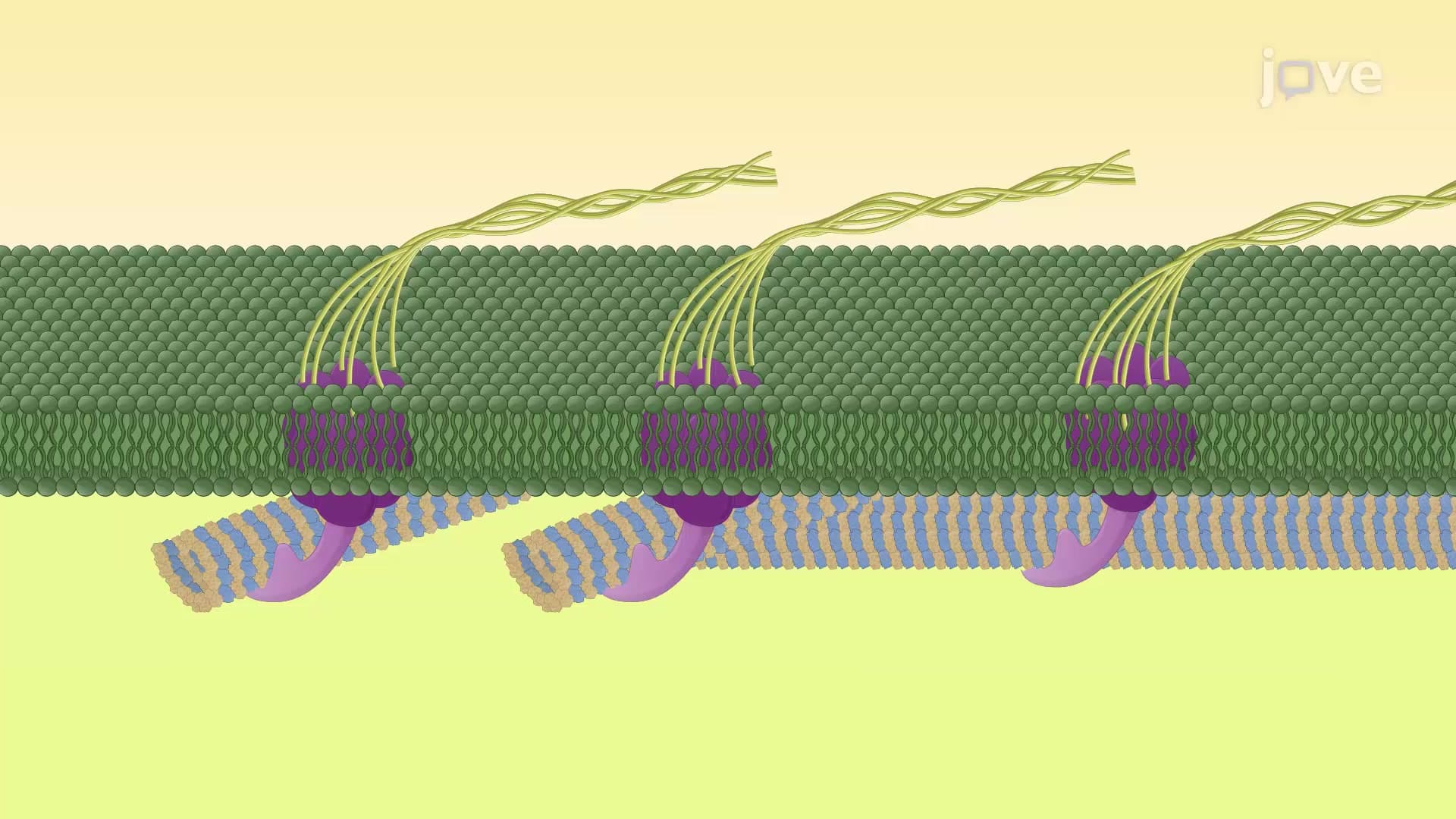

Video Summary: What are Role of Microtubules
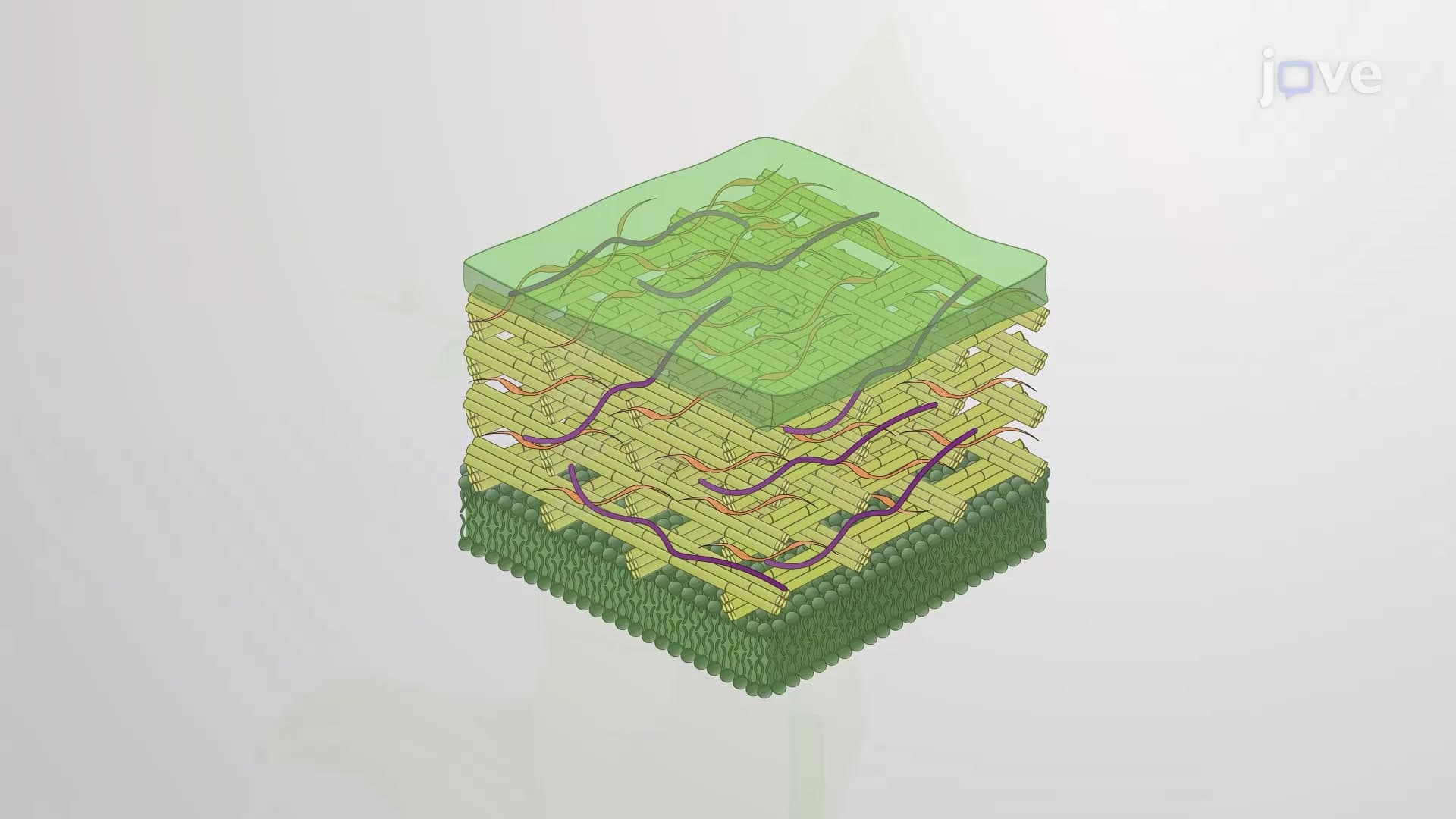
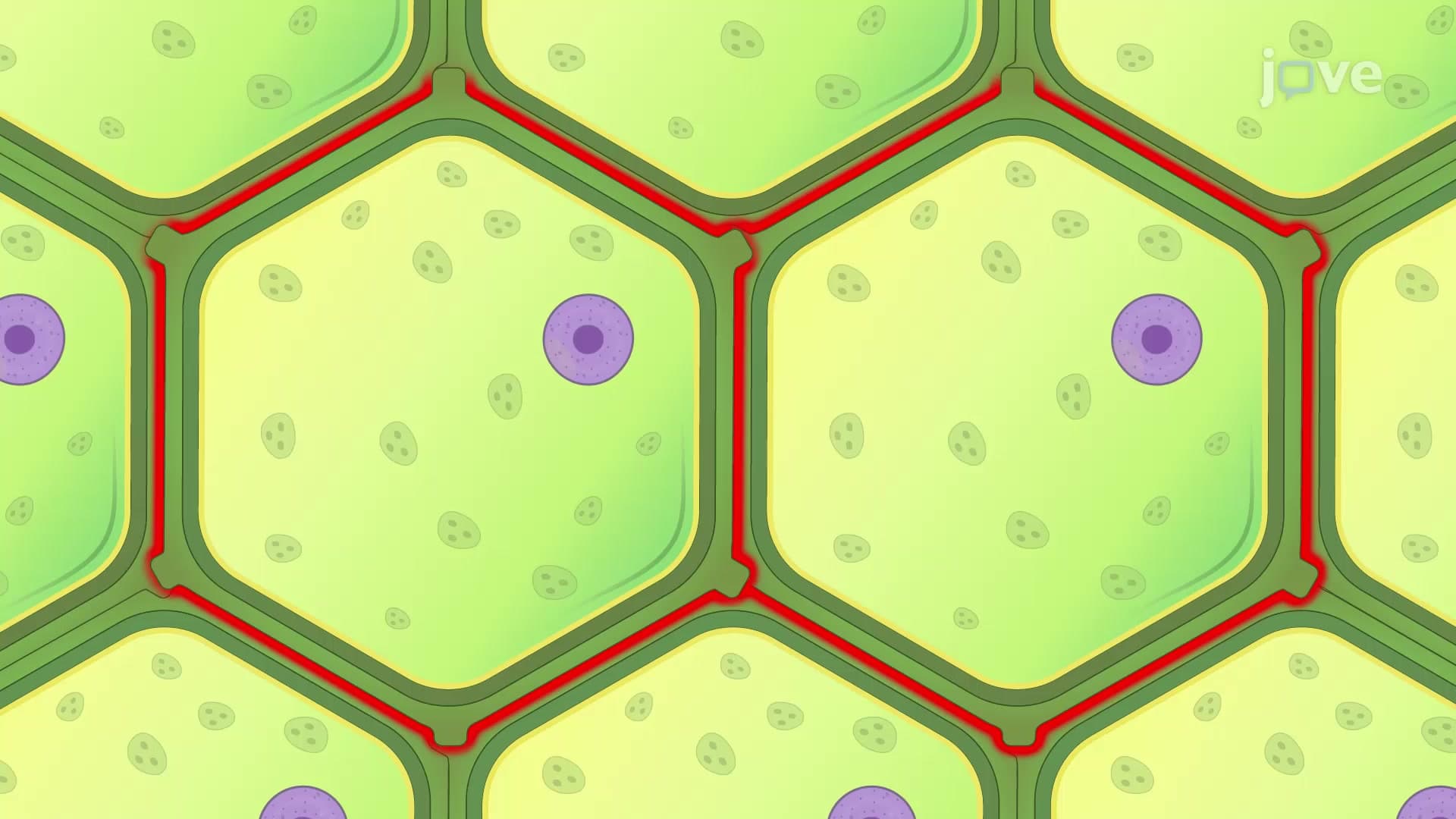
Ever wonder how plants build their cell walls with microscopic precision? The role of microtubules involves acting as molecular highways that guide cellulose construction during plant cell growth. Picture corn stalks growing straight and strong in Iowa farmfields-this happens because microtubules direct where new cellulose fibers get deposited in cell walls. These protein tracks control how cellulose synthase enzymes move along the cell membrane, determining both the strength and shape of growing plant cells. Watch the full video on JoVE Coach to master this concept with expert-led visuals and step-by-step explanations.
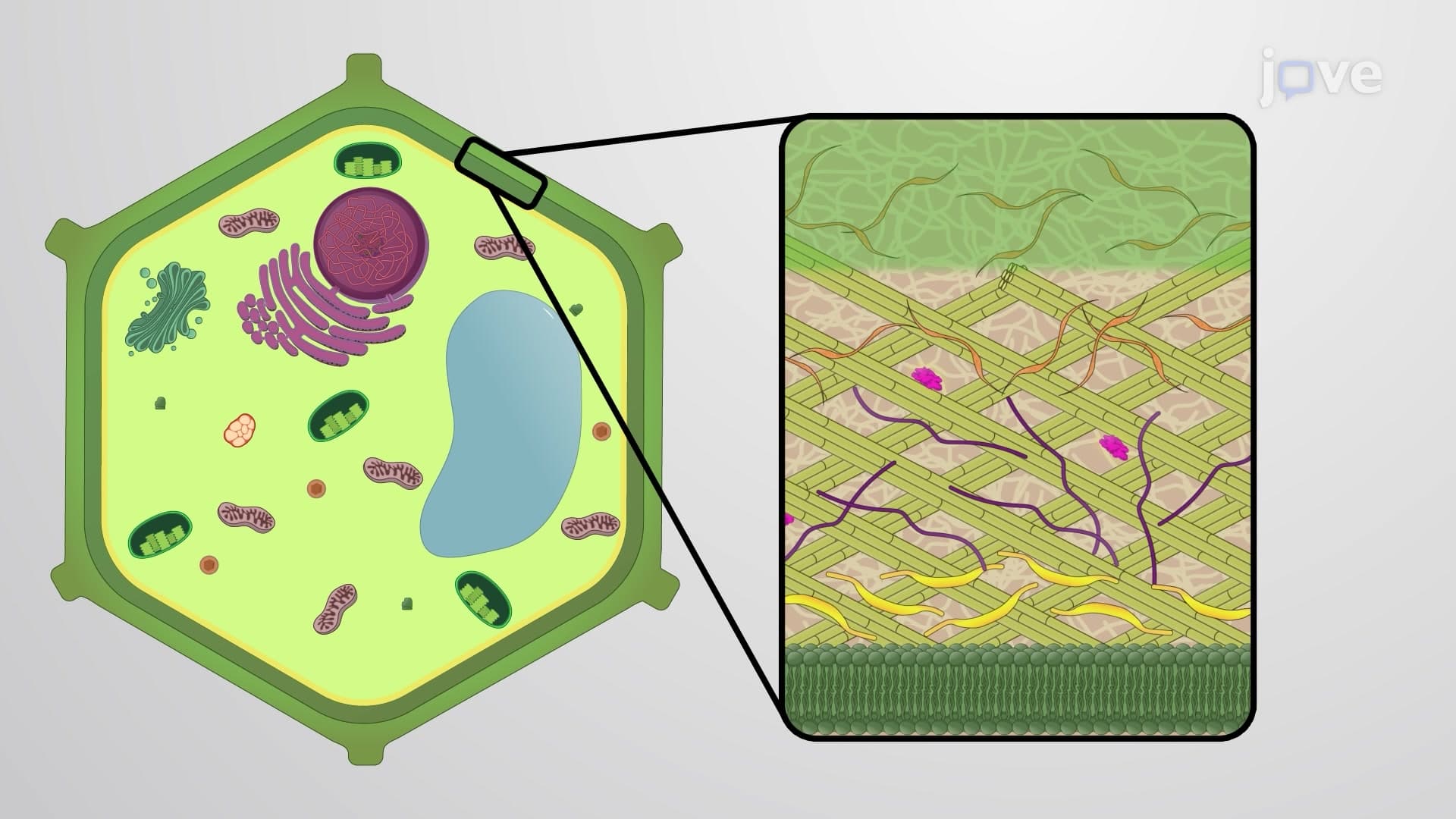
The role of microtubules extends far beyond simple structural support-these dynamic protein filaments serve as precision guides for one of biology's most important construction projects: building plant cell walls. During plant development, microtubules create an intricate network just beneath the plasma membrane that orchestrates where and how new cellulose gets deposited.
Plant cells employ a sophisticated system where cellulose synthase (CESA) complexes move along predefined microtubule tracks. These enzyme clusters convert UDP-glucose from the cell's interior into long cellulose chains that emerge on the cell wall side of the membrane. The types of role of microtubules include providing directional guidance, maintaining enzyme organization, and controlling the spatial arrangement of new cellulose deposits.
This process resembles a high-tech assembly line where microtubules act like conveyor belt tracks. As CESA complexes synthesize cellulose chains, the growing fibers create mechanical forces that actually push the enzymes forward along their microtubule guides. Students studying for the AP Biology exam should recognize this as an excellent example of how molecular machinery and mechanical forces work together in cellular processes.
The role of microtubules overview reveals their function as cellular architects. As plant cells expand, microtubules continuously rearrange themselves to redirect cellulose synthesis. This dynamic reorganization determines whether cells grow into long, narrow tubes (like those in wheat stems) or broad, flat structures (like lettuce leaves). Research at agricultural universities like UC Davis has shown how genetic mutations affecting microtubule function can dramatically alter crop plant architecture.
Understanding microtubule function has practical implications for US agriculture and medicine. Plant pathologists study how diseases disrupt microtubule organization to weaken crop cell walls. Additionally, since animal cells also use microtubules for various functions, this knowledge applies to medical research on cell division disorders and cancer treatments that target microtubule dynamics.
For college students preparing for MCAT biology sections, remember that while this specific cellulose synthesis mechanism occurs only in plants, the principle of microtubule-guided cellular organization appears throughout biology, making it a fundamental concept worth mastering.
Related Micro-courses