Loading subject page…


58,702 views

Video Summary: What Is Cell Adhesion in Plants
Did you know that corn stalks can withstand 100+ mph winds because of specialized molecular glue holding plant cells together? Cell adhesion in plants creates the structural foundation that allows towering redwoods and delicate wildflowers alike to maintain their shape and function. This process involves complex polysaccharide networks, primarily pectins, that form cross-linked connections between adjacent plant cells while enabling crucial molecular communication through specialized channels. Watch the full video on JoVE Coach to master this concept with expert-led visuals and step-by-step explanations.
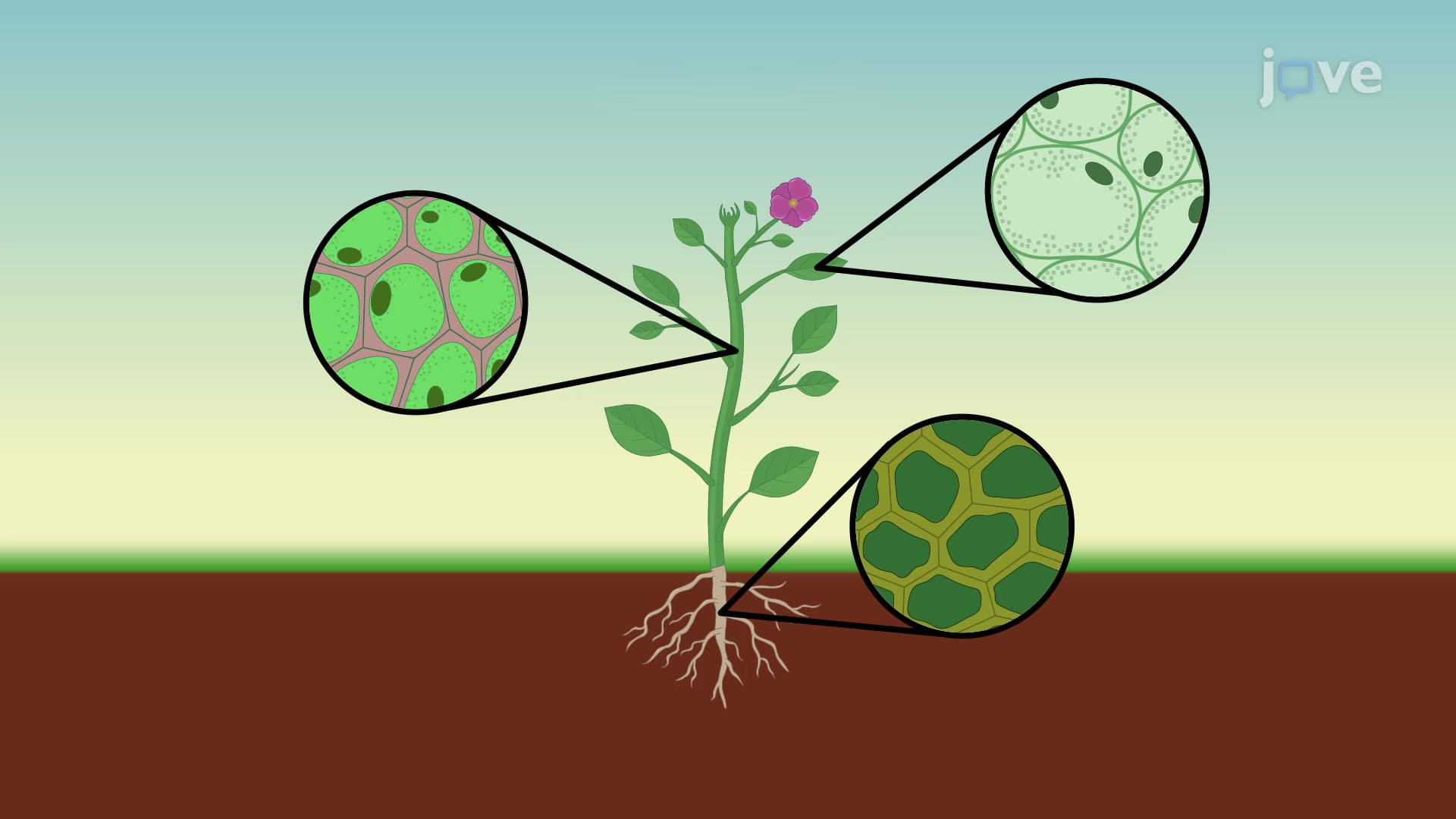
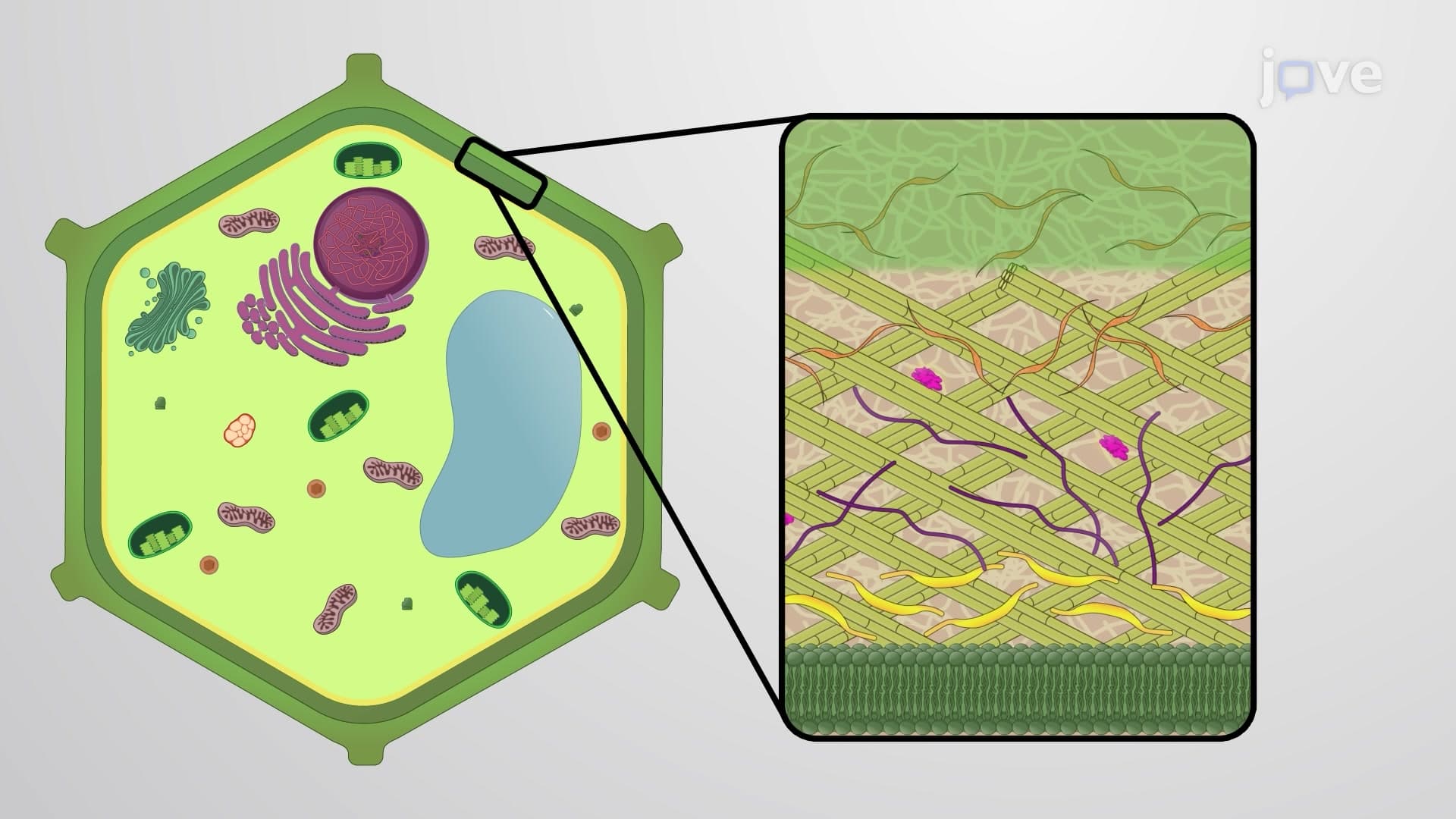
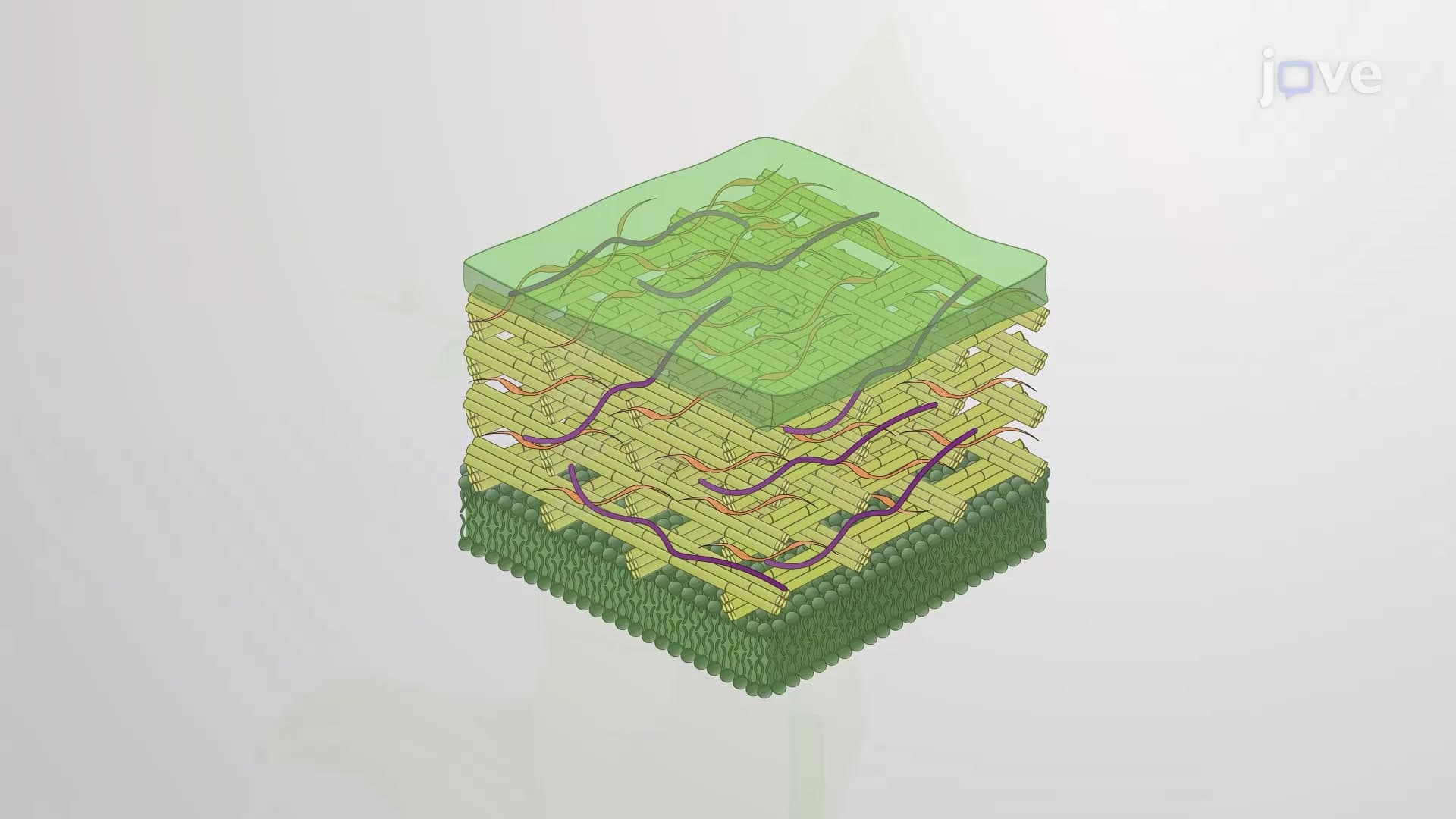
Cell adhesion in plants represents one of nature's most elegant engineering solutions, creating structures that can support massive sequoias while remaining flexible enough to bend in wind. Unlike animal cells that rely primarily on protein-based adhesion molecules, plant cells achieve their remarkable structural integrity through sophisticated polysaccharide networks embedded within and between cell walls.
The primary mediators of plant cell adhesion are pectins, complex polysaccharides that form the "cement" holding plant tissues together. During cell division, a specialized pectin called rhamnogalacturonan II (RG II) localizes to the newly forming cell plate, establishing the initial adhesive connections between daughter cells. This process is crucial for proper tissue development and is frequently tested in AP Biology exams when covering plant structure and function.
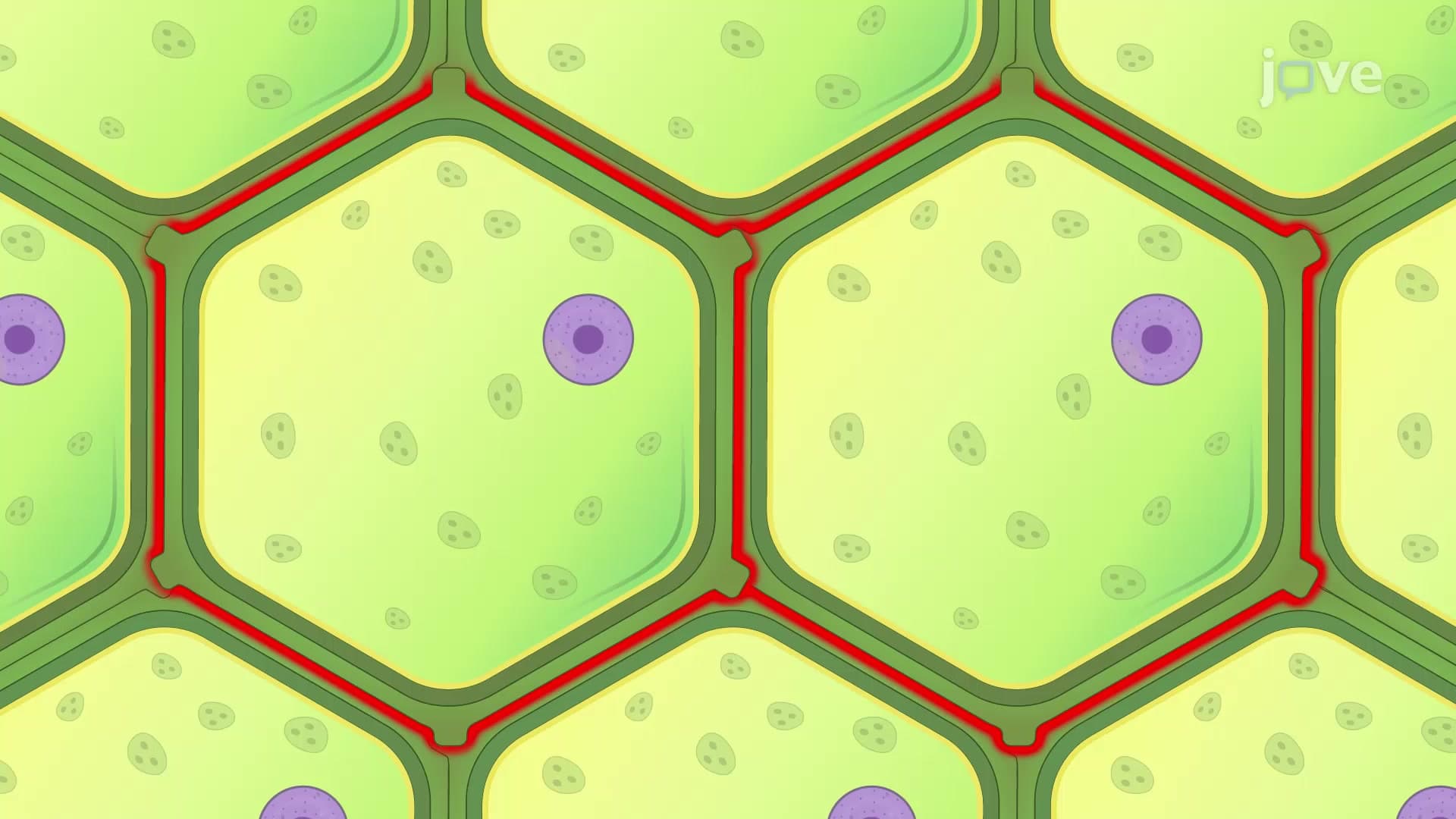
As cells mature, pectins distribute throughout the primary cell wall and concentrate in the middle lamella-the shared boundary between adjacent cells. The pectin backbone contains galactouronic acid units that carry negative charges, creating electrostatic repulsion. However, calcium ions act as molecular "bridges," neutralizing these charges and cross-linking pectin chains from neighboring cells. This calcium-mediated cross-linking is why calcium deficiency in crops like tomatoes leads to disorders such as blossom end rot, where tissue integrity fails.
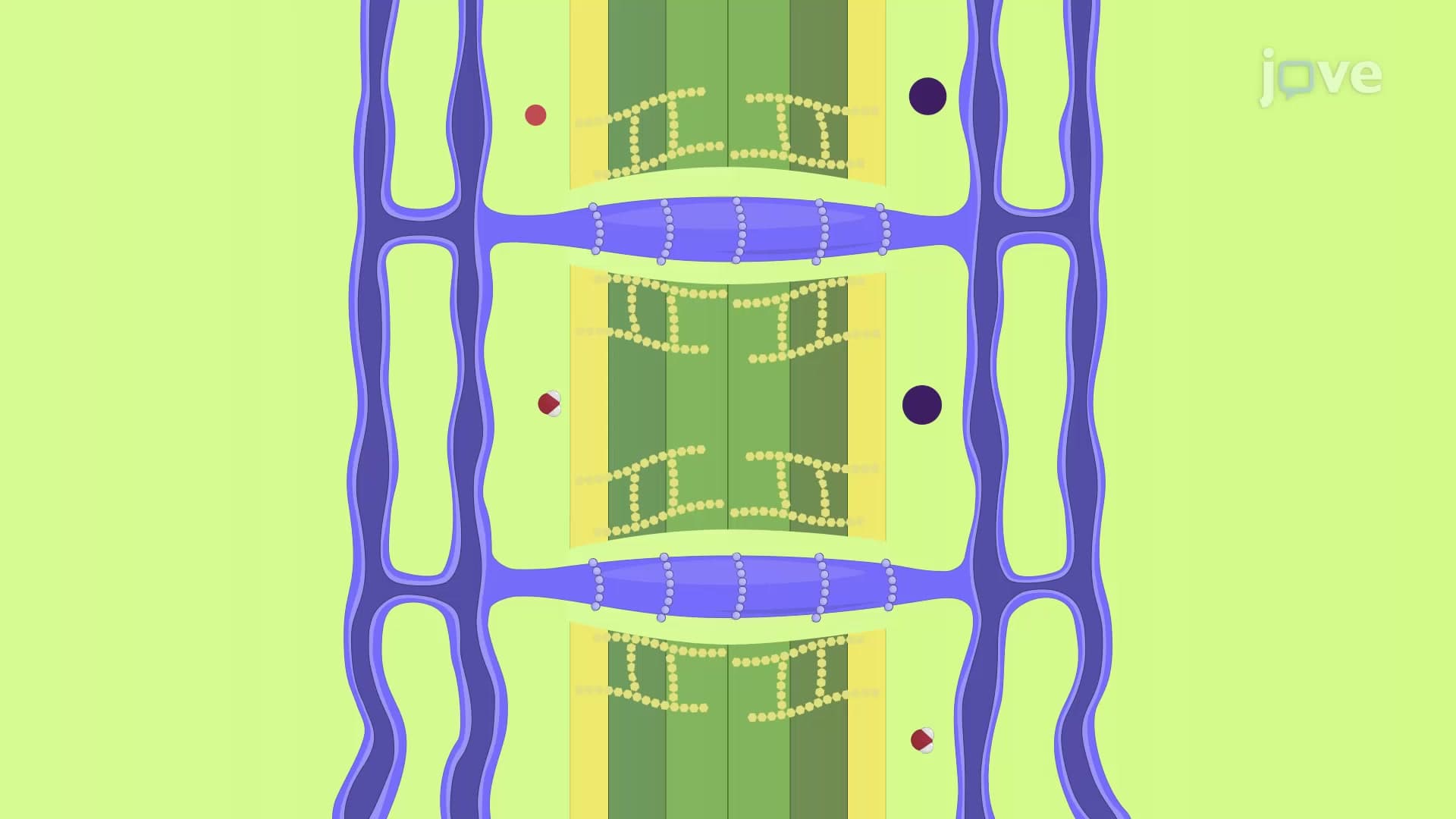
Plant cell walls, while providing exceptional structural support, create a barrier to molecular diffusion that would otherwise isolate cells from their neighbors. Evolution solved this challenge through plasmodesmata-cytoplasmic channels that span cell walls and directly connect the interiors of adjacent cells. These structures function similarly to gap junctions in animal cells but are architecturally distinct, featuring a central desmotubule surrounded by cytoplasmic space.
This dual system of rigid adhesion plus controlled permeability allows plants to maintain tissue integrity while enabling the rapid transport of hormones, nutrients, and signaling molecules. For example, when a leaf detects drought stress, chemical signals can quickly spread through plasmodesmata to trigger coordinated responses across the entire plant.
Understanding plant cell adhesion has practical implications in agriculture and biotechnology. Plant pathologists study how certain bacteria and fungi disrupt pectin networks using enzymes like pectinase, leading to soft rot diseases. Conversely, food scientists utilize controlled pectin modification to create products ranging from fruit preserves to biodegradable packaging materials. This knowledge frequently appears in college-level plant biology courses and on standardized tests like the MCAT, particularly in passages discussing plant physiology or biotechnology applications.
Related Micro-courses