Loading subject page…


58,702 views
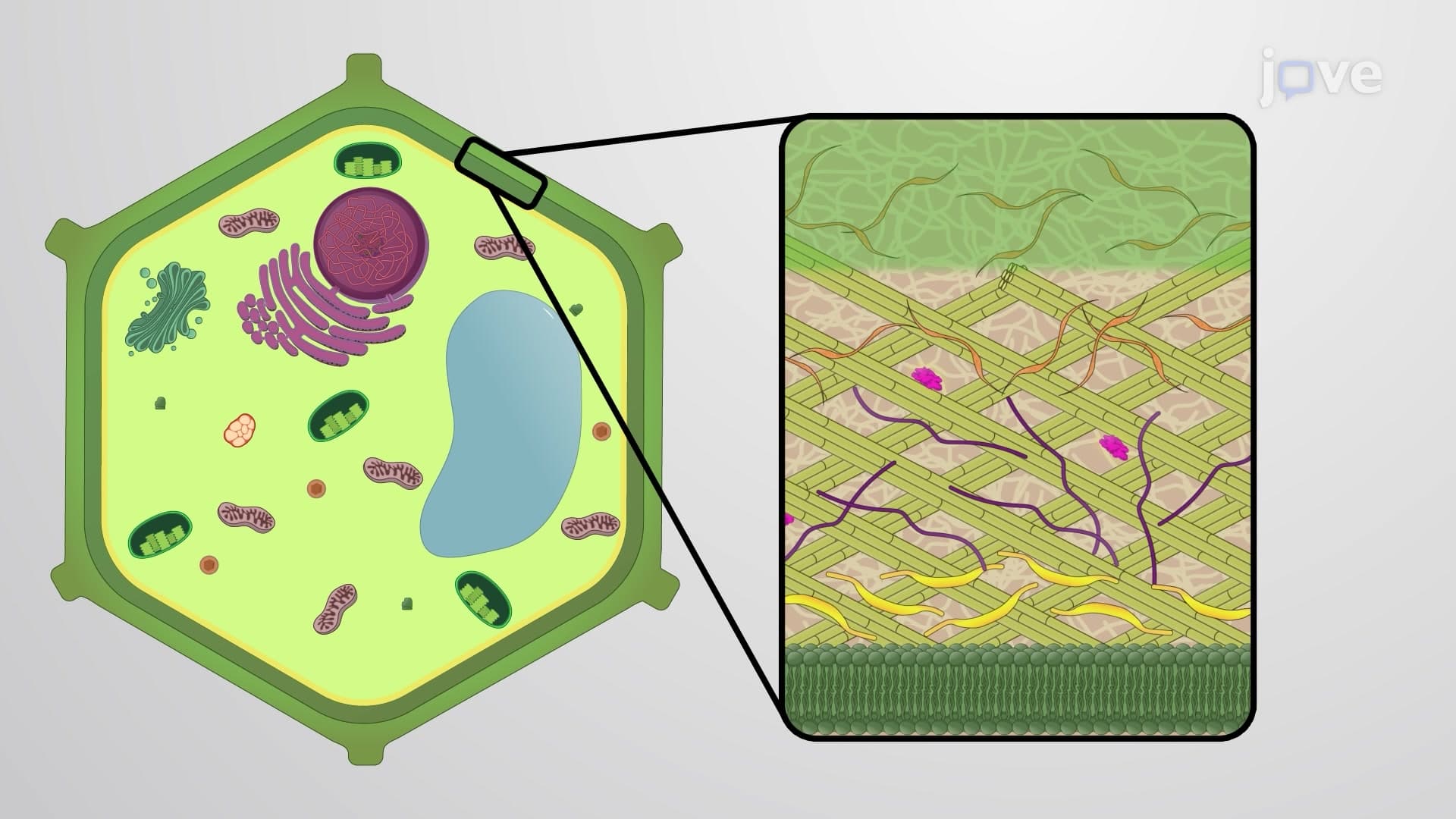

Video Summary: What Is Plant Cell Wall
Ever wonder why a towering California redwood can withstand hurricane-force winds while maintaining its upright posture? The secret lies in plant cell wall biology, a remarkable structural system that gives plants their strength and shape. Unlike animal cells, plant cells possess this rigid, multi-layered barrier that prevents cellular explosion under pressure while allowing controlled growth. The plant cell wall consists of three distinct layers containing cellulose, pectin, and lignin that work together like reinforced concrete. Watch the full video on JoVE Coach to master this concept with expert-led visuals and step-by-step explanations.
The plant cell wall represents one of biology's most sophisticated engineering solutions, providing both protection and flexibility to plant cells. This complex structure distinguishes plant cells from animal cells and serves as the foundation for all terrestrial plant life. From the massive coast redwoods of Northern California to the delicate wildflowers in Yellowstone National Park, every plant depends on this remarkable cellular feature.
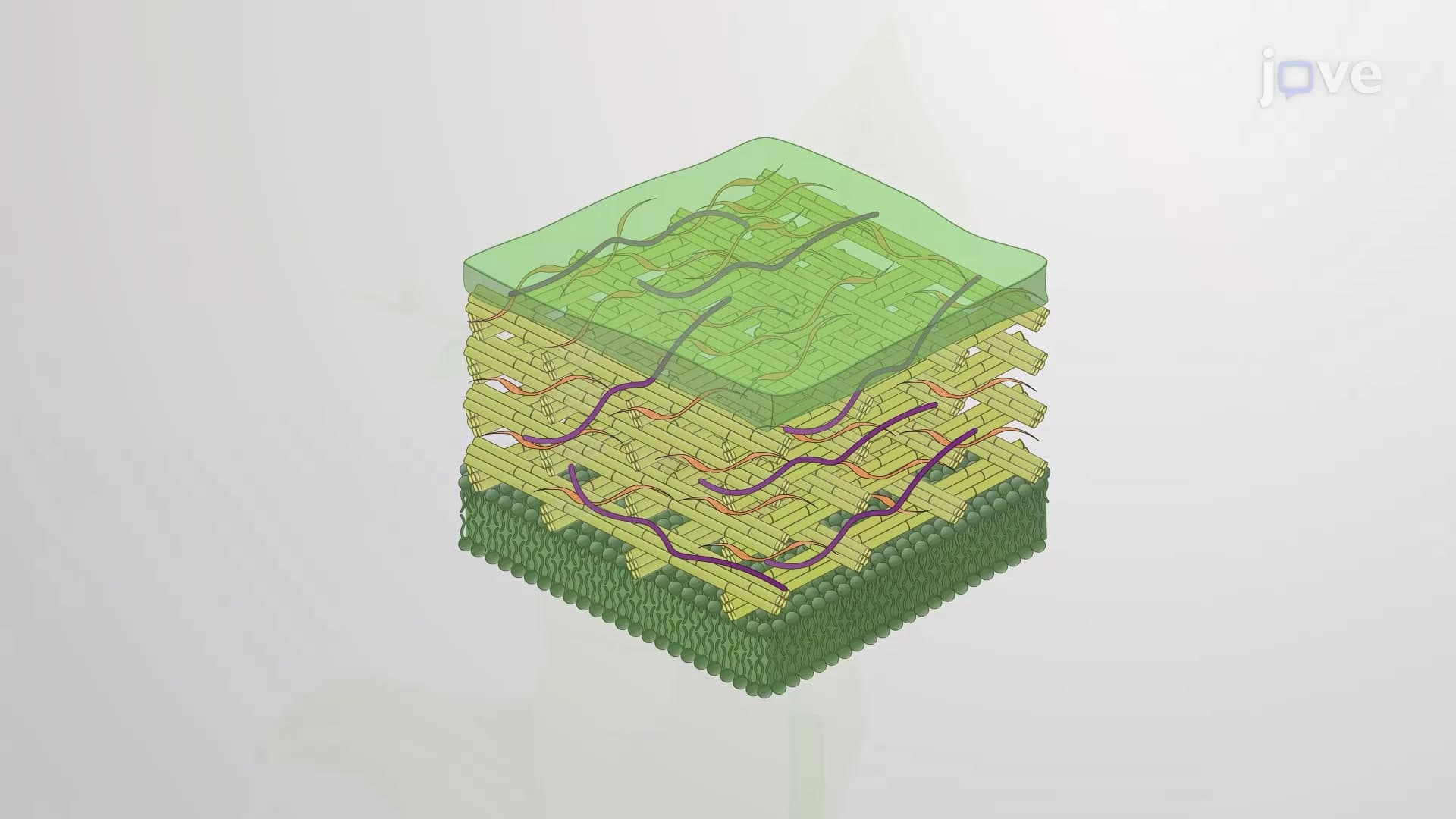
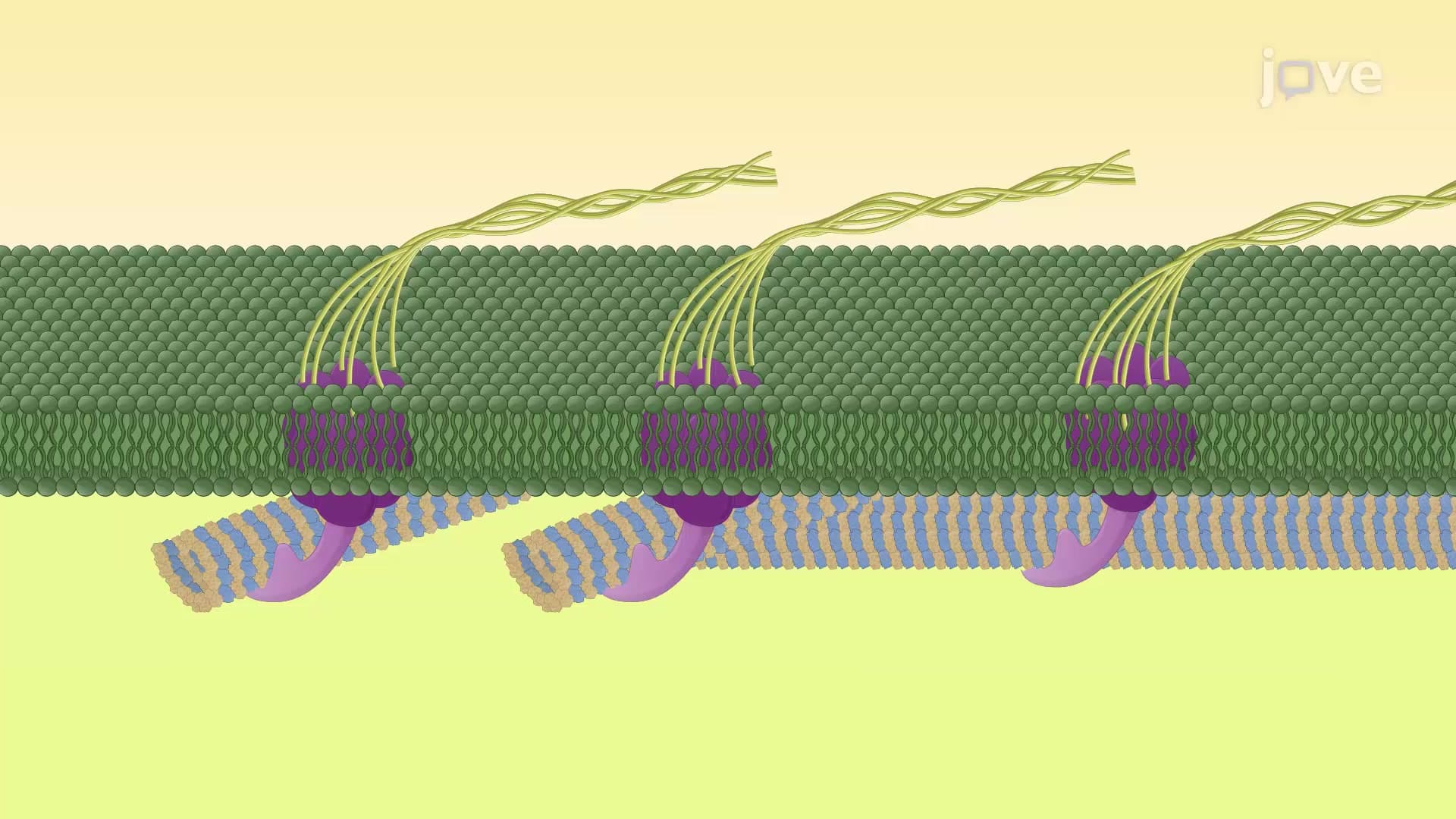
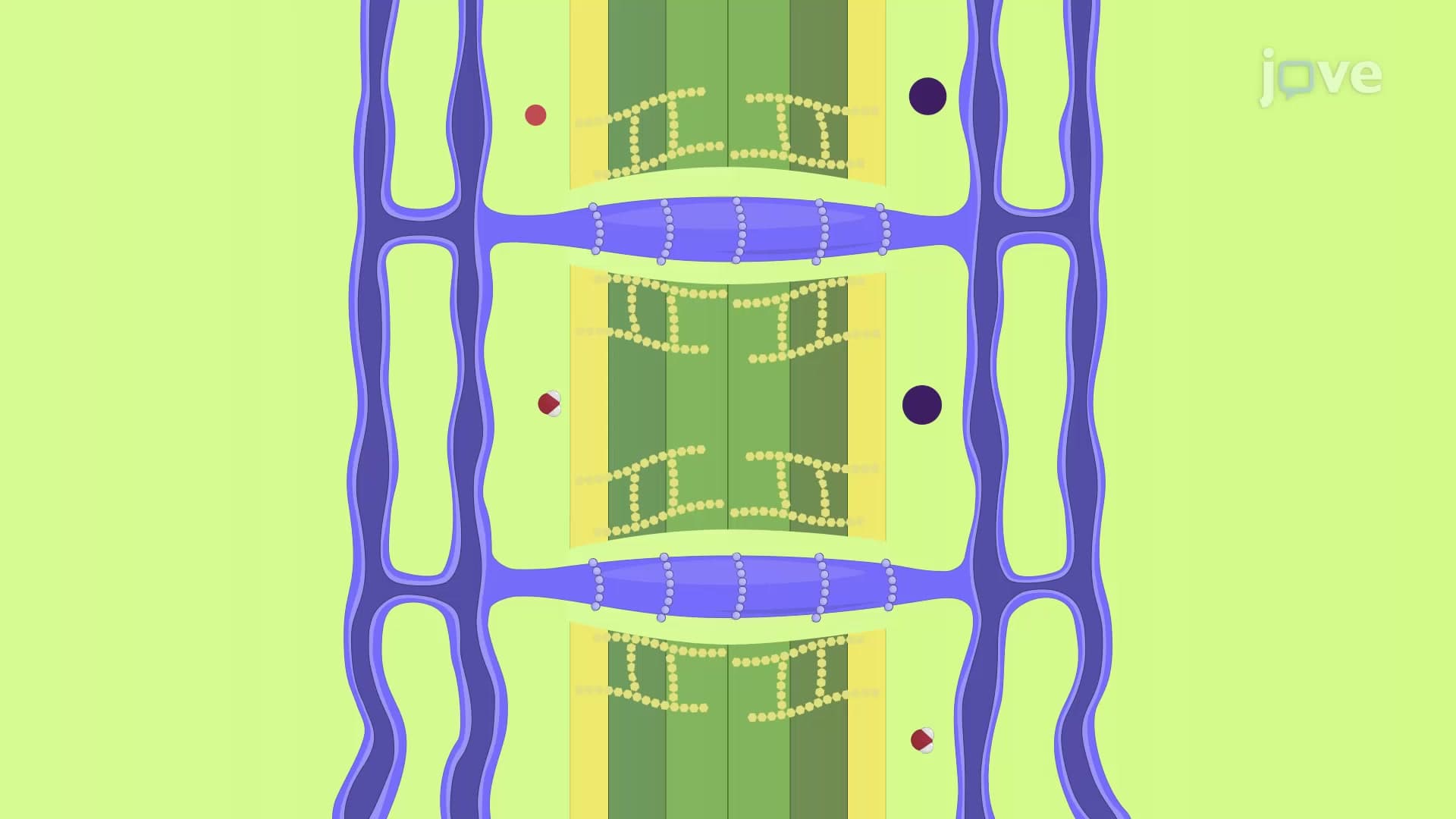
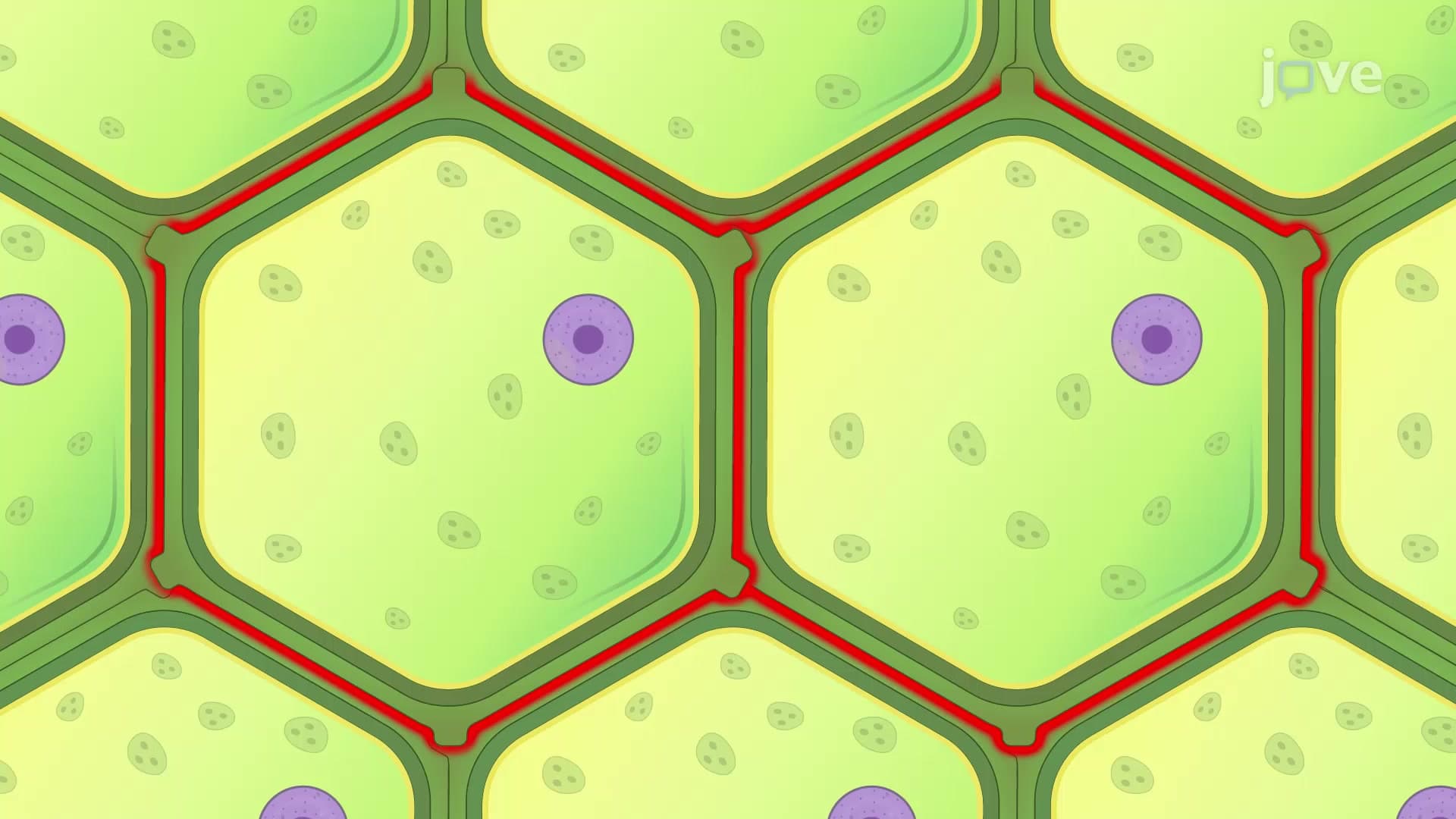
Plant wall structure function becomes clear when examining its three-layer organization. The middle lamella forms the outermost boundary, acting like cellular cement that binds adjacent plant cells together. This pectin-rich layer ensures tissue cohesion and prevents cell separation under mechanical stress. The primary cell wall, positioned between the middle lamella and plasma membrane, contains cellulose primary cell wall fibers embedded within a pectin matrix supplemented by hemicellulose. This combination creates a flexible yet strong foundation that accommodates cellular expansion during growth phases.
The secondary lignified cell wall develops in mature plant cells, particularly in woody tissues and specialized support cells. This innermost layer incorporates lignin, a complex polymer that transforms flexible cell walls into rigid, wood-like structures. Lignification explains why tree trunks can support enormous weight while maintaining structural integrity over centuries.
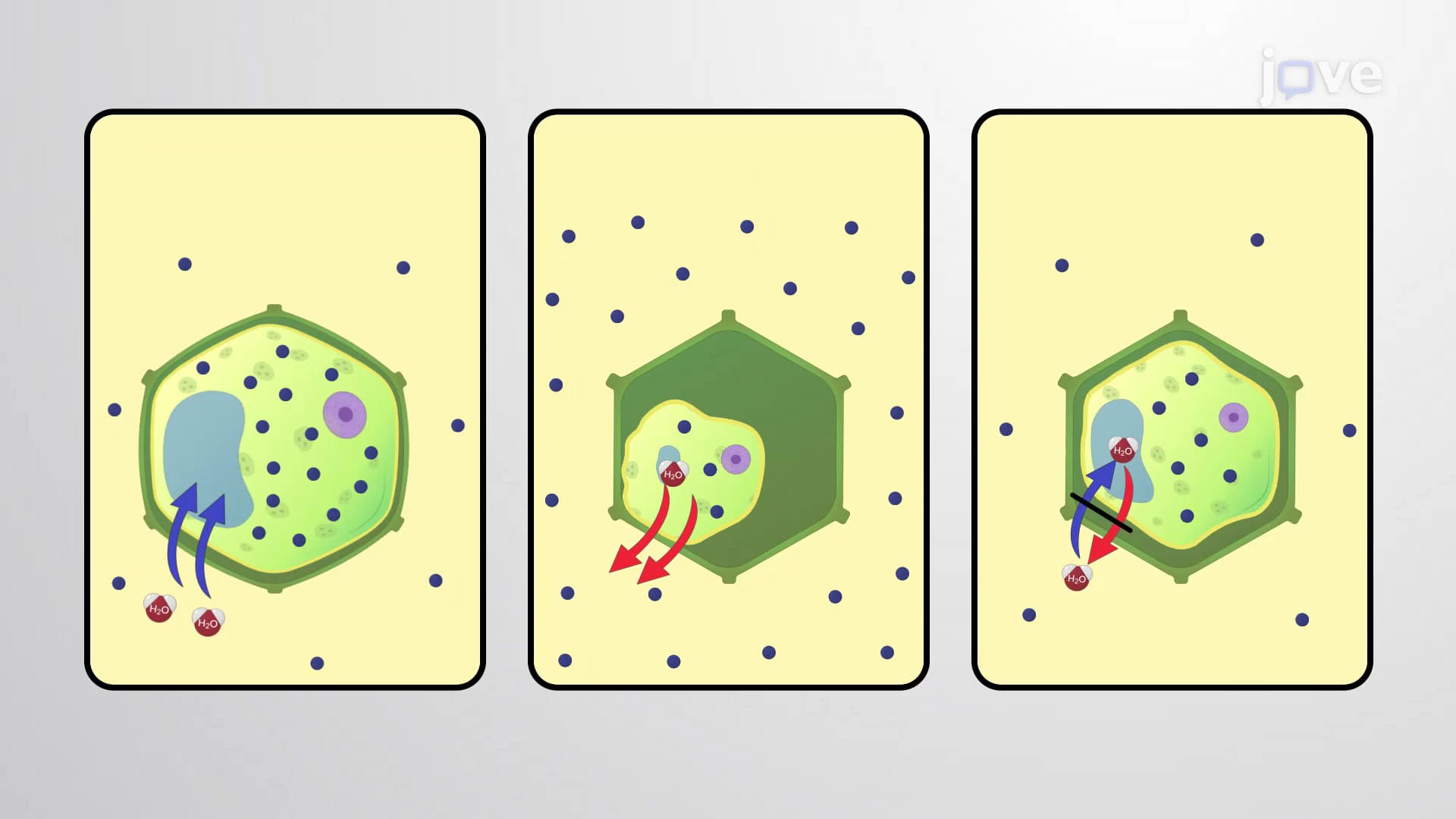
The relationship between turgor pressure cell wall dynamics illustrates brilliant biological engineering. When plant cells absorb water, internal pressure increases dramatically, potentially reaching 10-15 times atmospheric pressure. Without cell walls, plant cells would explode like over-inflated balloons. Instead, the semi-permeable cell wall contains this pressure while allowing controlled expansion, creating the rigidity necessary for plant posture and growth.
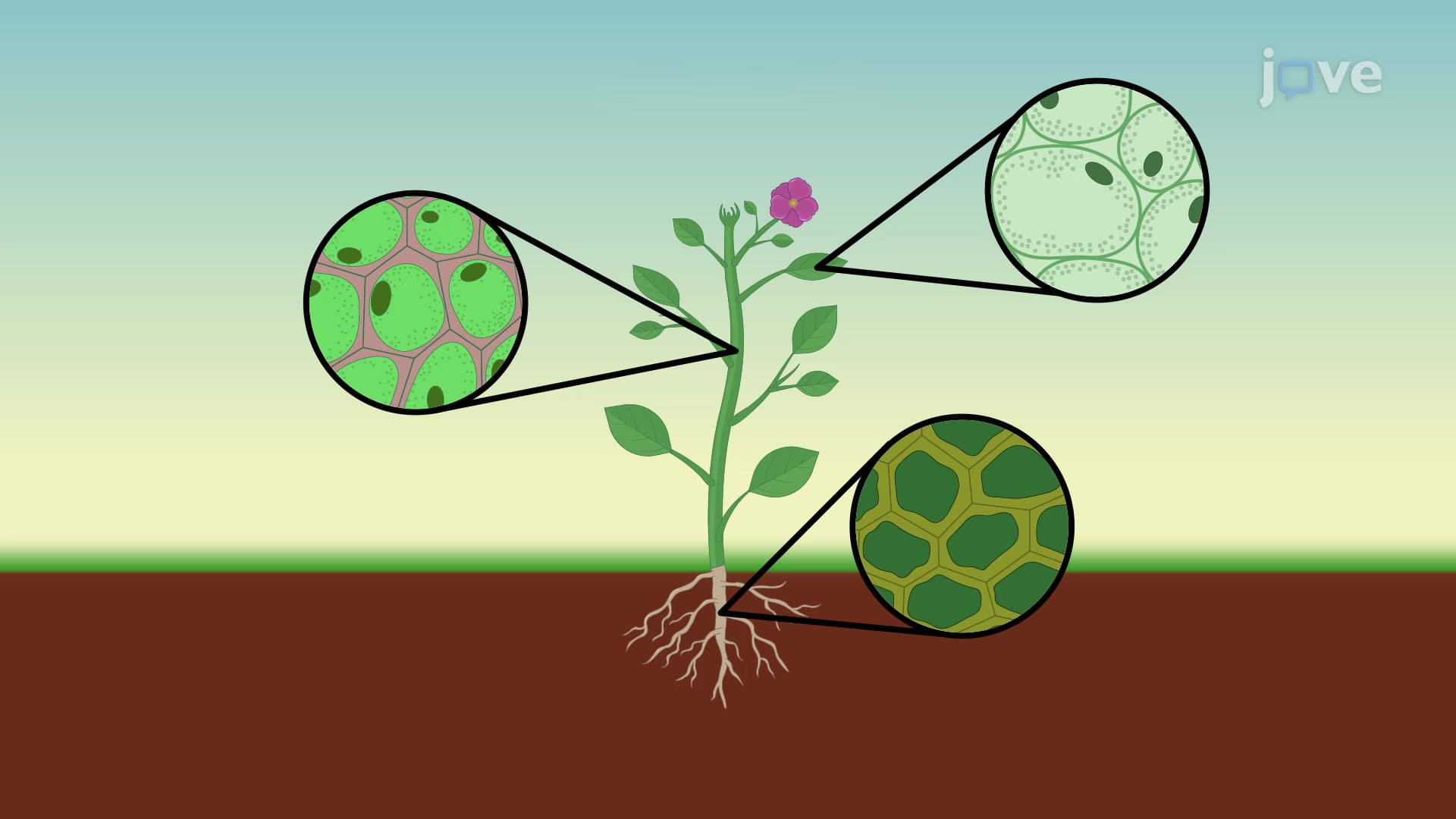
Plant wall rigidity biology varies significantly across different plant tissues and species. Herbaceous plants like corn and soybeans rely primarily on turgor pressure for structural support, while woody plants like oak trees combine turgor pressure with extensive lignification. This explains why drought-stressed plants wilt (reduced turgor pressure) while dead trees maintain their shape (lignified cell walls).
Understanding what is the plant cell wall in biology frequently appears on AP Biology exams, college plant biology courses, and MCAT questions. Students should recognize that cell wall composition directly correlates with plant function, flexibility in growing tissues, rigidity in support structures, and permeability in transport tissues. This concept connects to broader topics including plant physiology, evolution, and ecological adaptation strategies.
Related Micro-courses