Loading subject page…


58,702 views

Video Summary: What Is Tonicity in Plants
Ever wonder why your houseplant wilts when you forget to water it, but bounces back after a good drink? Tonicity in plants explains this fascinating cellular process that keeps vegetation upright and thriving. When corn crops across the Midwest experience drought stress, their cells undergo the same osmotic changes that cause your neglected fern to droop. What is tonicity in plants reveals how water movement through cell membranes determines whether plants stand tall or wilt away. Watch the full video on JoVE Coach to master this concept with expert-led visuals and step-by-step explanations.
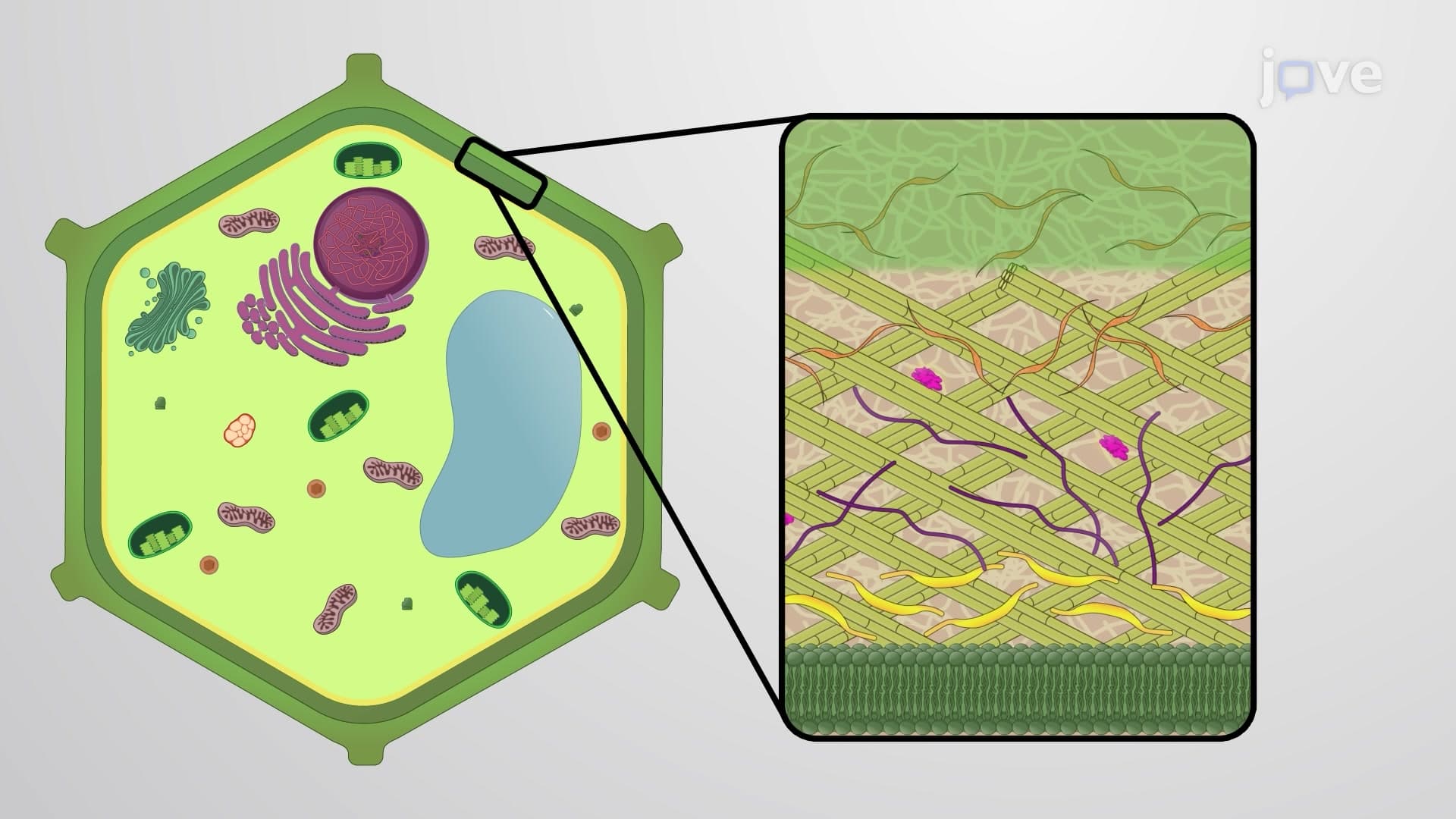
Tonicity in plants represents a fundamental biological principle governing how plant cells respond to varying water concentrations in their environment. This concept directly impacts plant survival, growth patterns, and agricultural productivity across American farmlands. Unlike animal cells, plant cells possess rigid cell walls that create unique responses to osmotic pressure changes.
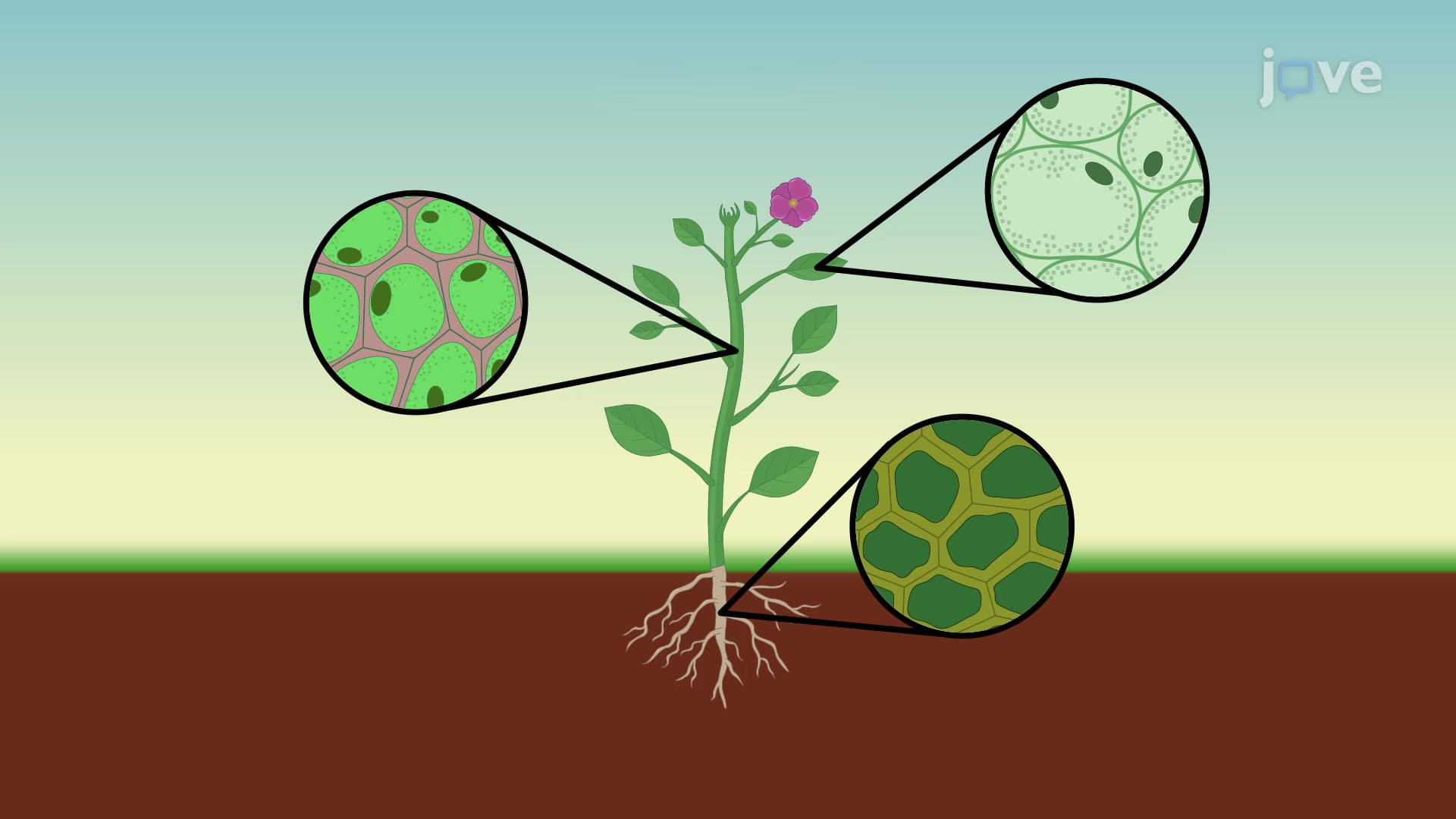
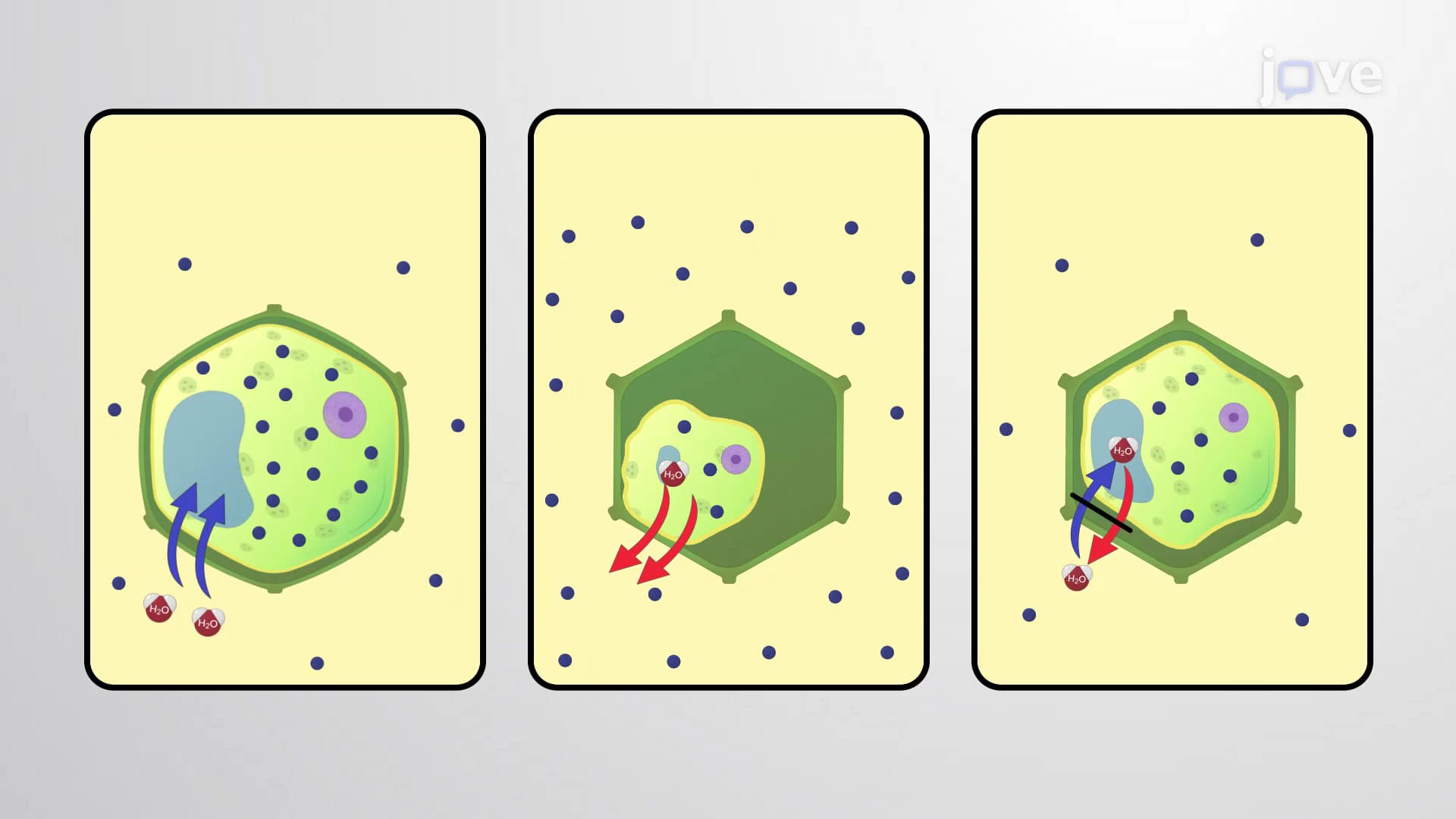
When plant cells exist in hypotonic environments-where external solute concentration remains lower than internal cellular concentration-water rushes into cells through osmosis. This water influx creates turgor pressure as the expanding plasma membrane presses against the rigid cell wall. California's redwood trees maintain their towering height through this precise mechanism, where billions of cells maintain optimal turgor pressure to support massive structural weight.
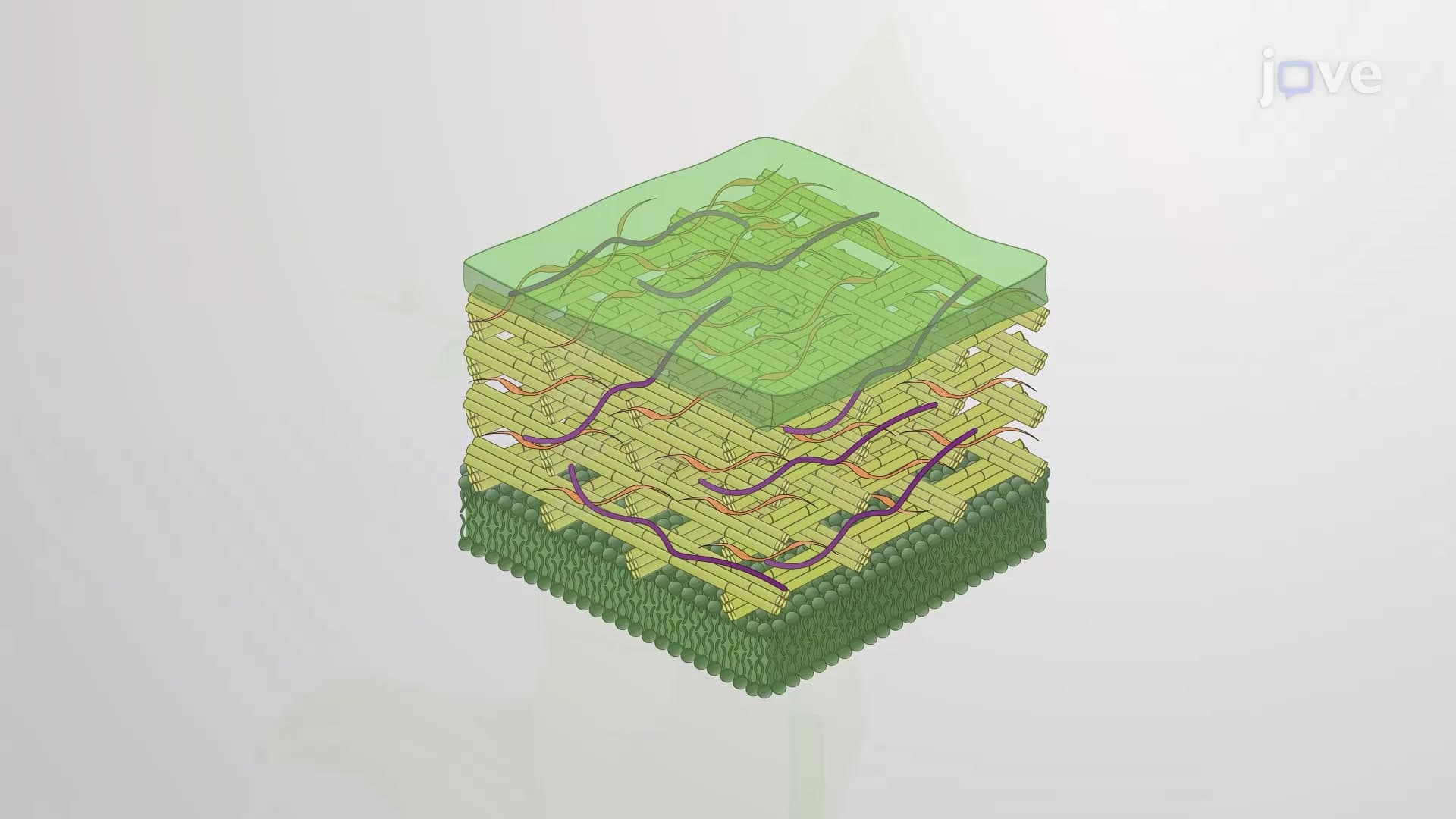
The cell wall's rigidity prevents cellular bursting, a critical difference from animal cells. This protection allows plants to harness osmotic pressure for structural support. Students preparing for AP Biology exams should recognize that turgor pressure serves as nature's hydraulic system, enabling plants to maintain upright postures without skeletal frameworks.
Hypertonic conditions occur when external solute concentrations exceed internal cellular levels, forcing water to exit plant cells. This process triggers plasmolysis-the detachment of plasma membranes from cell walls as cytoplasm shrinks and vacuoles contract. Desert plants in Arizona demonstrate remarkable adaptations to hypertonic soil conditions, developing specialized mechanisms to minimize water loss.
Agricultural applications become evident during drought periods when soil salinity increases. Farmers across the Great Plains observe crop wilting as hypertonic soil conditions draw moisture from plant roots. MCAT students should understand that plasmolysis represents cellular dehydration at the microscopic level, explaining macroscopic wilting phenomena.
Isotonic environments create equilibrium between internal and external solute concentrations, resulting in no net water movement. While this might seem ideal, isotonic conditions actually compromise plant structure by creating flaccid cells lacking turgor pressure. Plants in isotonic environments begin drooping as cellular rigidity disappears, even though no water loss occurs.
This principle explains why greenhouse management requires careful attention to nutrient solution concentrations. College botany students studying plant physiology must grasp that optimal plant health requires slightly hypotonic conditions to maintain cellular turgidity and structural integrity.
Related Micro-courses