Loading subject page…

- Cell Biology
- Regeneration and Repair
- Introduction to Nuclear Reprogramming
Micro-course: Regeneration and Repair
33,104 views
Learn key concepts and earn your certificate.
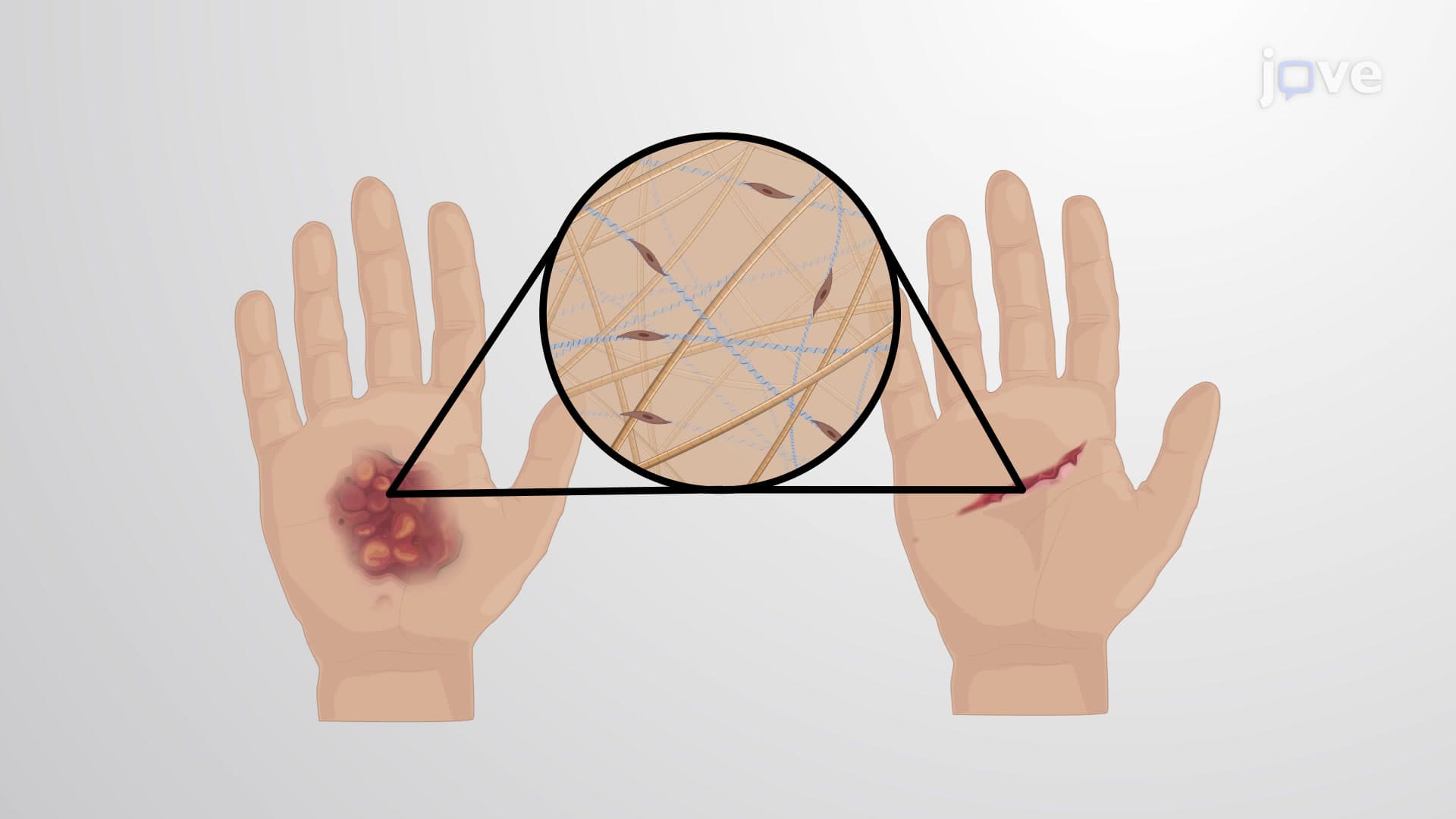

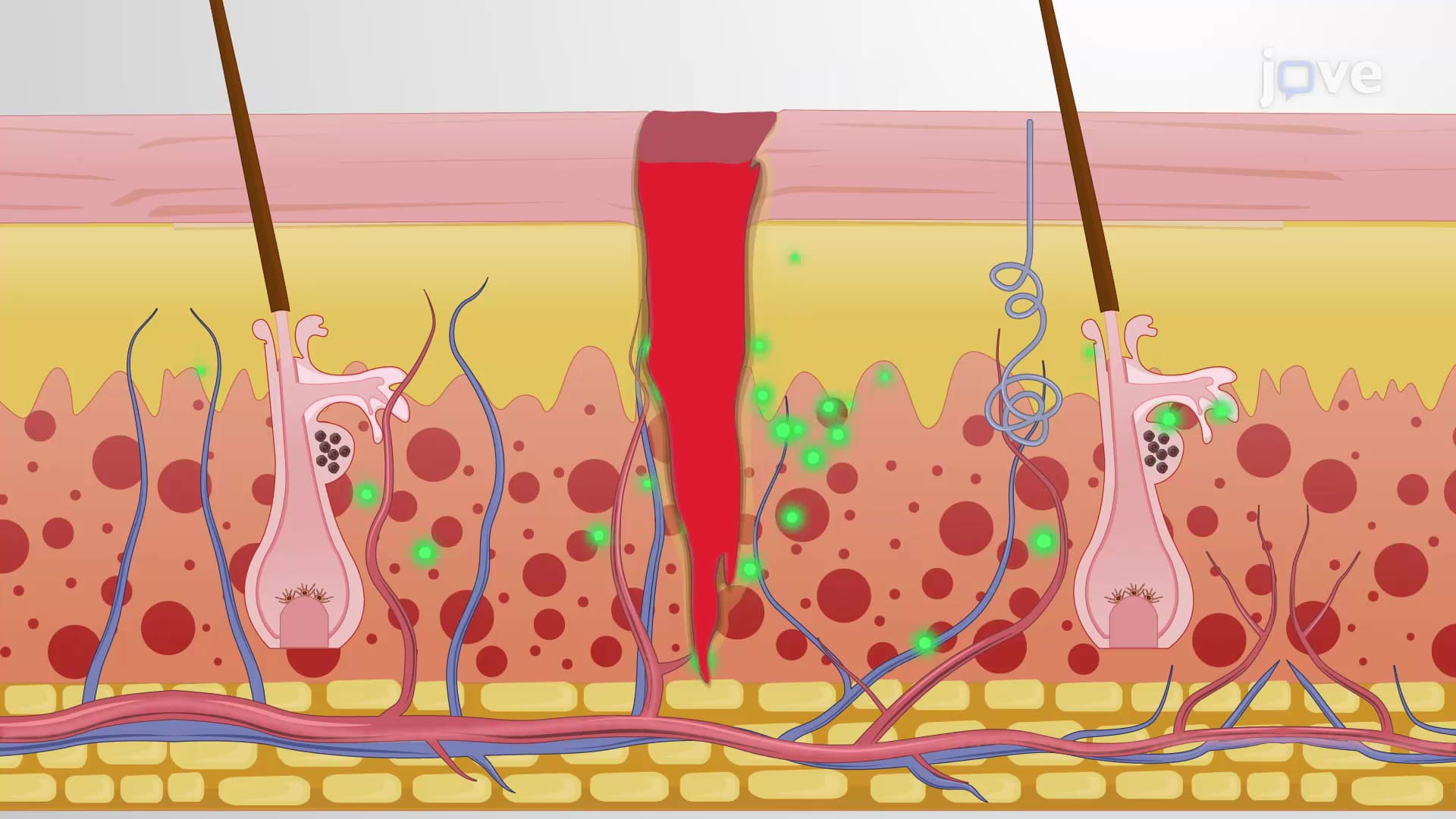

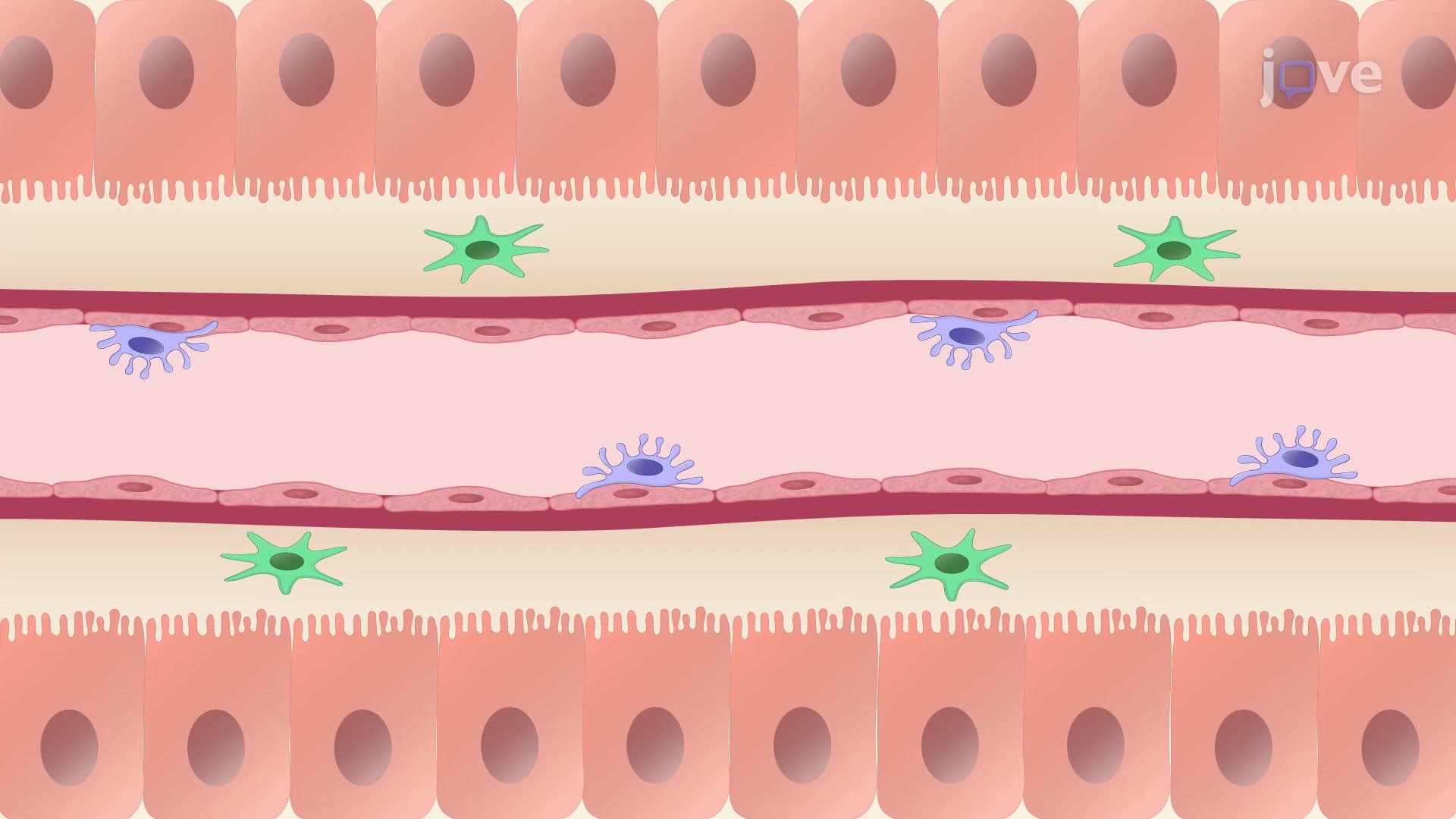


Introduction to Nuclear Reprogramming


00:00
01:14
Video Summary: What Is Nuclear Reprogramming
Did you know that scientists can essentially "reset" adult cells back to their embryonic state, potentially revolutionizing treatments for diseases like Parkinson's? Nuclear reprogramming transforms specialized cells into completely different cell types through sophisticated molecular mechanisms. Researchers at Stanford University have used this technology to convert skin cells into neurons, offering hope for spinal cord injury patients. Understanding what is nuclear reprogramming reveals how cells can be reprogrammed through direct or indirect methods, involving complex changes in gene expression and chromatin structure. Watch the full video on JoVE Coach to master this concept with expert-led visuals and step-by-step explanations.
- Understand what is nuclear reprogramming and how this cellular transformation process works at the molecular level
- Identify the two main approaches: direct reprogramming using transcription factors and indirect reprogramming through nuclear transfer
- Analyze the epigenetic changes involved, including DNA demethylation, chromatin decondensation, and histone modifications
- Compare dedifferentiation versus transdifferentiation pathways and their distinct cellular outcomes
- Evaluate the role of pluripotency in cellular reprogramming and stem cell generation
- Apply knowledge of transcription factors and gene expression regulation to understand reprogramming mechanisms
- Recognize real-world applications in regenerative medicine and therapeutic cell replacement strategies
- Explore how totipotent cells generated through reprogramming can develop into early embryonic stages
Understanding Nuclear Reprogramming: The Cellular Reset Button
Nuclear reprogramming represents one of biology's most fascinating processes-the ability to fundamentally alter a cell's identity and function. This revolutionary concept challenges the traditional view that cellular differentiation is irreversible, opening unprecedented opportunities in regenerative medicine and developmental biology.
At its core, nuclear reprogramming involves reprogramming the cell's "software"-its gene expression profile-to transform it into an entirely different cell type. This process has garnered significant attention since Dr. Shinya Yamanaka's Nobel Prize-winning work on induced pluripotent stem cells (iPSCs) at Stanford University, which demonstrated that adult skin cells could be reprogrammed into embryonic-like stem cells.
Direct vs. Indirect Reprogramming Mechanisms
The nuclear reprogramming definition encompasses two distinct methodological approaches, each with unique advantages and applications. Direct reprogramming involves introducing specific transcription factors-proteins that regulate gene expression-directly into target cells. These reprogramming factors, often called "master regulators," include proteins like Oct4, Sox2, Klf4, and c-Myc (known as the "Yamanaka factors"). When introduced into adult cells, these factors bind to DNA and activate dormant genetic programs, essentially rewriting the cell's identity.
Indirect reprogramming takes a different approach, involving nuclear transfer techniques where a cell's nucleus is transplanted into a new cytoplasmic environment. This method, famously used in creating Dolly the sheep, relies on the host cytoplasm's reprogramming factors to induce cellular transformation. The Mayo Clinic and other leading US research institutions actively use both approaches in their stem cell research programs.
Epigenetic Landscape Changes in Reprogramming
The molecular mechanisms underlying nuclear reprogramming involve extensive epigenetic modifications-changes that alter gene expression without modifying the DNA sequence itself. During reprogramming, cells undergo dramatic chromatin decondensation, where tightly packed DNA becomes more accessible to transcription factors. Simultaneously, DNA demethylation occurs, removing chemical marks that previously silenced pluripotency genes.
Histone acetylation represents another crucial modification, where acetyl groups are added to histone proteins, creating a more "open" chromatin structure that promotes gene transcription. These coordinated changes effectively erase the cell's previous identity markers while establishing new ones appropriate for the target cell type.
Clinical Applications and Educational Relevance
Understanding nuclear reprogramming is increasingly important for students preparing for the MCAT, AP Biology exams, and undergraduate biology courses. The concept frequently appears in questions about stem cell biology, developmental biology, and regenerative medicine. Students should focus on the relationship between transcription factors, epigenetic modifications, and cellular plasticity when studying this topic.
In clinical applications, researchers at institutions like Harvard Medical School and the University of California system are using reprogrammed cells to model diseases, test drugs, and develop potential therapies for conditions ranging from diabetes to heart disease. This real-world relevance makes nuclear reprogramming a critical concept for future healthcare professionals and researchers.
Frequently Asked Questions
Nuclear reprogramming is the process of transforming one cell type into another through molecular manipulation of gene expression patterns. This breakthrough technology enables scientists to generate patient-specific stem cells for disease modeling and potential therapies, revolutionizing regenerative medicine. It's particularly significant because it demonstrates that cellular differentiation isn't permanent, opening new possibilities for treating previously incurable conditions.
The MCAT frequently tests nuclear reprogramming concepts within stem cell biology, developmental biology, and genetics sections, often focusing on transcription factors and epigenetic regulation. AP Biology exams may include questions about cellular differentiation reversal, pluripotency markers, and the molecular mechanisms controlling cell fate. Students should understand both direct and indirect reprogramming methods and their applications in research and medicine.
Dedifferentiation involves cells reverting to a more primitive, pluripotent state before potentially developing into different cell types. Transdifferentiation allows direct conversion from one specialized cell type to another without passing through a pluripotent intermediate state. Both processes involve nuclear reprogramming but follow different molecular pathways and have distinct therapeutic applications.
Researchers at the California Institute for Regenerative Medicine have used nuclear reprogramming to convert patients' skin cells into heart muscle cells for studying inherited cardiac conditions. This approach allows scientists to observe disease progression in a dish using the patient's own genetic material, potentially leading to personalized treatments. Similar work is being conducted at institutions like Johns Hopkins and Mount Sinai Hospital for various diseases.
Nuclear reprogramming builds on fundamental biology concepts like DNA, gene expression, and cell types that high school students already know. While the molecular details are complex, the basic concept-that cells can change their identity through genetic reprogramming-is quite accessible. Focus on understanding the overall process and key applications rather than memorizing every molecular pathway.
Create concept maps connecting transcription factors, epigenetic modifications, and cellular outcomes to visualize the reprogramming process. Practice drawing diagrams showing direct versus indirect reprogramming pathways, and memorize key reprogramming factors like the Yamanaka factors. Review real-world applications and current research to understand the concept's broader significance in medicine and biotechnology.
Consider studying epigenetic inheritance, chromatin remodeling complexes, and single-cell sequencing technologies used to track reprogramming progress. Advanced students might explore CRISPR-based epigenome editing, organoid technology using reprogrammed cells, and current clinical trials using iPSC-derived therapies. These topics provide deeper insight into cutting-edge regenerative medicine research.
Nuclear reprogramming integrates multiple biology concepts including gene regulation, stem cell biology, developmental biology, and epigenetics into one comprehensive framework. Mastering this concept strengthens understanding of transcription factors, chromatin structure, cellular differentiation, and molecular biology techniques. This knowledge foundation proves valuable for advanced courses in genetics, molecular biology, and biomedical research.
Related Micro-courses
15 Concepts

12 Concepts