Loading video…


 8 Concepts
 33.1K views

Video Summary: What Is Whole Body Regeneration
Imagine cutting a starfish in half and watching both pieces grow into complete organisms-whole body regeneration makes this extraordinary feat possible across multiple animal species. From salamanders regrowing entire limbs to planarian flatworms reconstructing their entire bodies from tiny fragments, this biological phenomenon challenges our understanding of cellular potential. The planarian model demonstrates how specialized stem cells called neoblasts coordinate tissue replacement through precise molecular signaling pathways. Watch the full video on JoVE Coach to master this concept with expert-led visuals and step-by-step explanations.
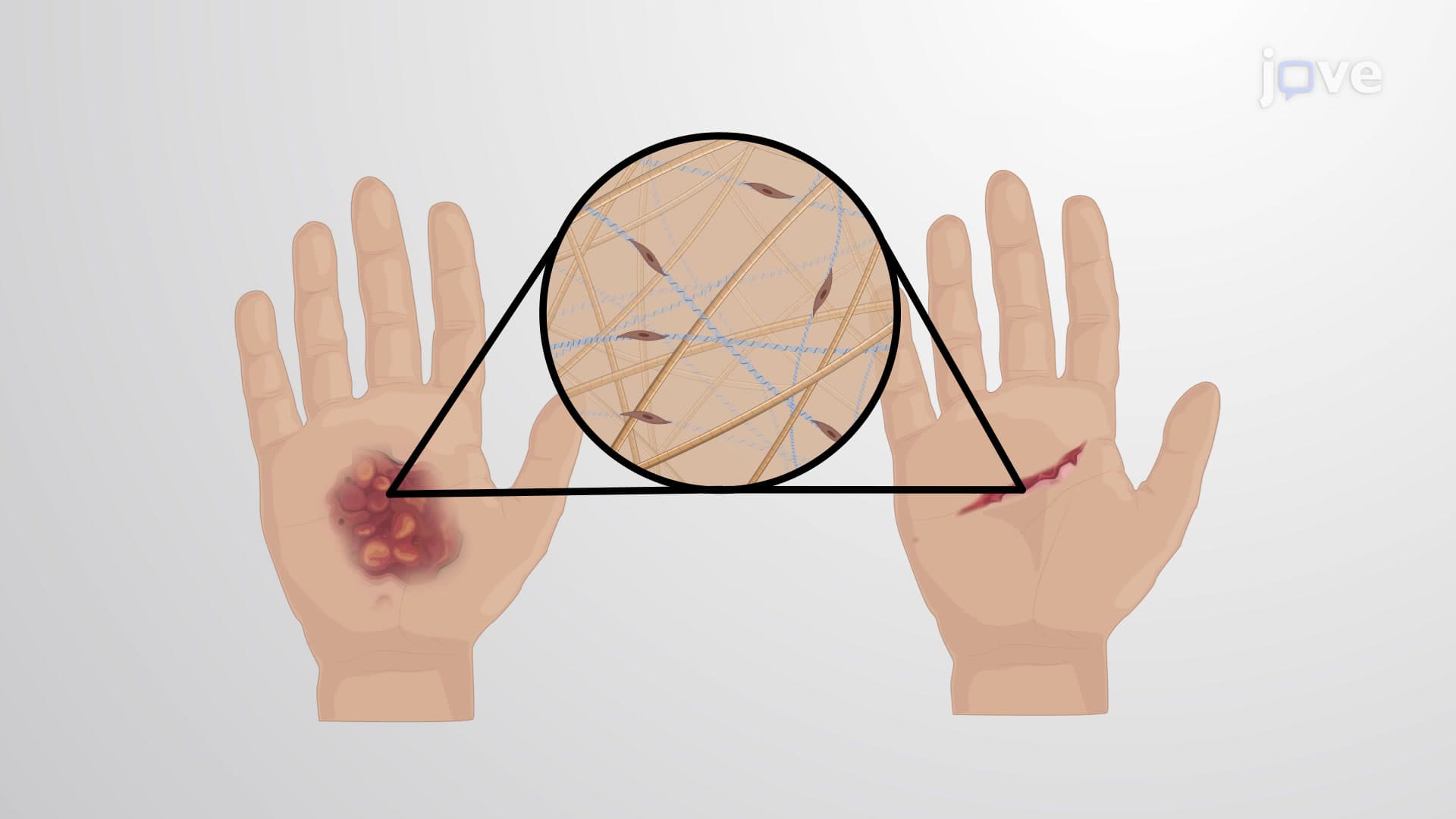
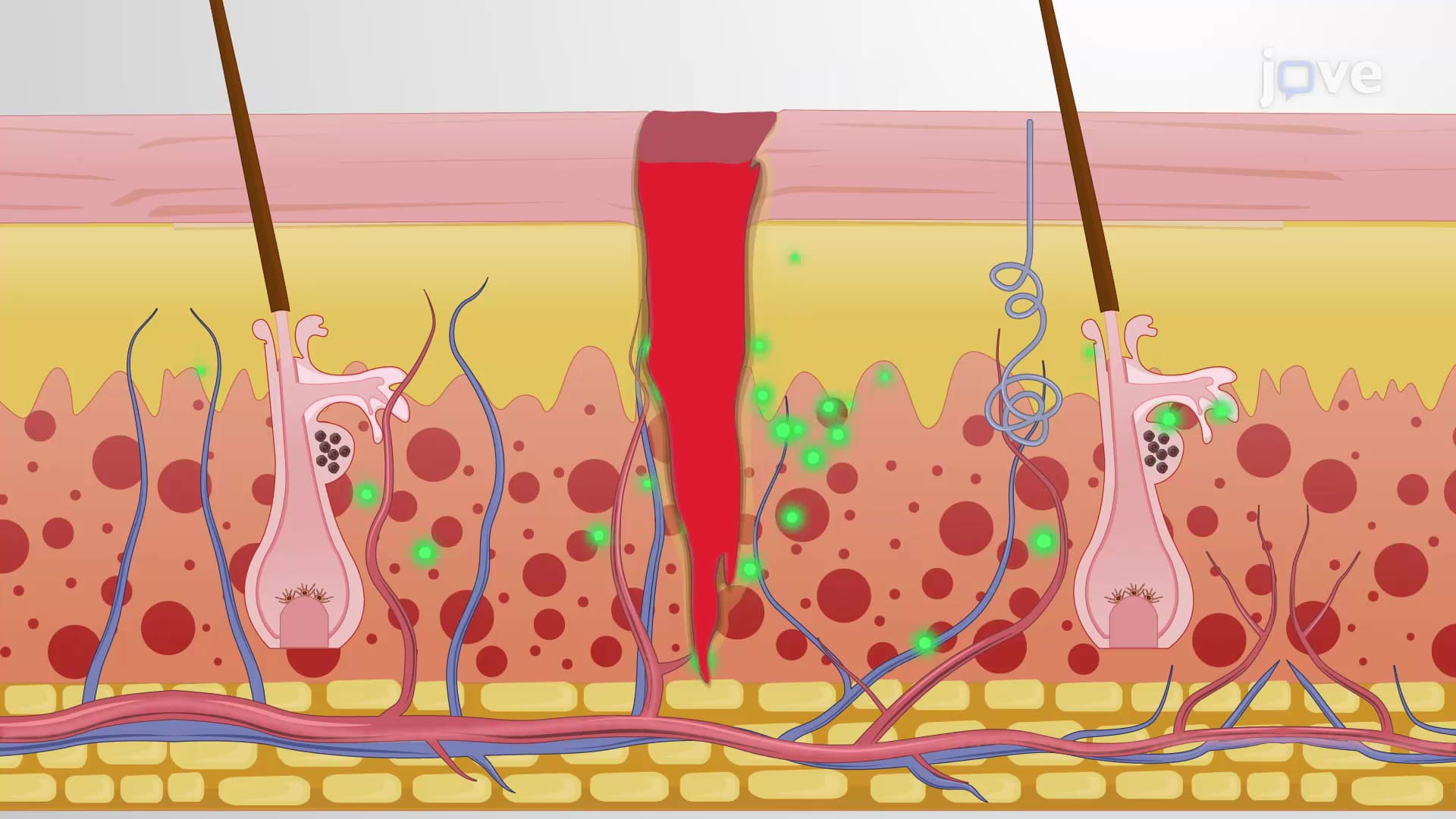
Whole body regeneration represents one of biology's most remarkable phenomena, where organisms can replace entire body sections or even reconstruct themselves from minimal remaining tissue. Unlike simple wound healing that patches damaged areas, this process involves completely rebuilding complex anatomical structures with proper organization and function. This regenerative capacity varies dramatically across species, from limited abilities in mammals to extraordinary reconstruction powers in certain invertebrates and lower vertebrates.
Planarian flatworms serve as the premier research model for studying regeneration mechanisms, particularly in laboratories across major US research institutions like Harvard Medical School and the University of California system. These organisms possess neoblasts-pluripotent adult stem cells distributed throughout their bodies that can differentiate into any cell type needed. When researchers cut planarians into fragments, each piece containing neoblasts can regenerate missing body parts through a carefully orchestrated cellular response.
The regeneration process follows a predictable sequence: initial wound contraction minimizes damage, followed by protective mucus secretion. Neoblasts then undergo widespread division throughout the organism, creating a cellular reservoir for reconstruction. Subsequently, localized cell division at the wound site forms a blastema-an undifferentiated mass that serves as the building material for new tissues and organs.
The precision of regeneration depends on sophisticated molecular signaling networks that determine what structures need rebuilding. The Wnt signaling pathway plays a crucial role in establishing regeneration polarity-essentially providing cellular GPS coordinates for proper reconstruction. When a planarian is bisected transversely, molecular signals ensure the head fragment regenerates appropriate tail structures while the tail fragment develops head components.
This research has significant implications for understanding developmental biology principles tested on the MCAT and in advanced placement biology courses. Students studying for college biology exams should understand how these signaling cascades regulate gene expression patterns that guide cellular differentiation and tissue organization during regeneration.
Regeneration research conducted at institutions like Stanford University and Johns Hopkins University aims to unlock therapeutic potential for human medicine. Understanding how planarians coordinate whole-body reconstruction could inform treatments for spinal cord injuries, organ damage, and age-related tissue degeneration. This knowledge base proves essential for pre-med students preparing for medical school admission and professionals studying regenerative medicine applications in clinical settings.
Related Micro-courses