Loading subject page…


77,713 views

Video Summary: Molecular Chaperones and Protein Folding Explained
Did you know that without molecular chaperones, over half of your proteins would misfold and potentially kill your cells? Molecular chaperones protein folding represents one of biology's most critical quality control systems, preventing the protein aggregation seen in Alzheimer's disease affecting over 6 million Americans. These specialized helper proteins act like cellular bodyguards, ensuring newly made proteins fold correctly into their functional shapes. Understanding Molecular Chaperones And Protein Folding Explained reveals how cells maintain protein homeostasis under stress conditions. Watch the full video on JoVE Coach to master this concept with expert-led visuals and step-by-step explanations.
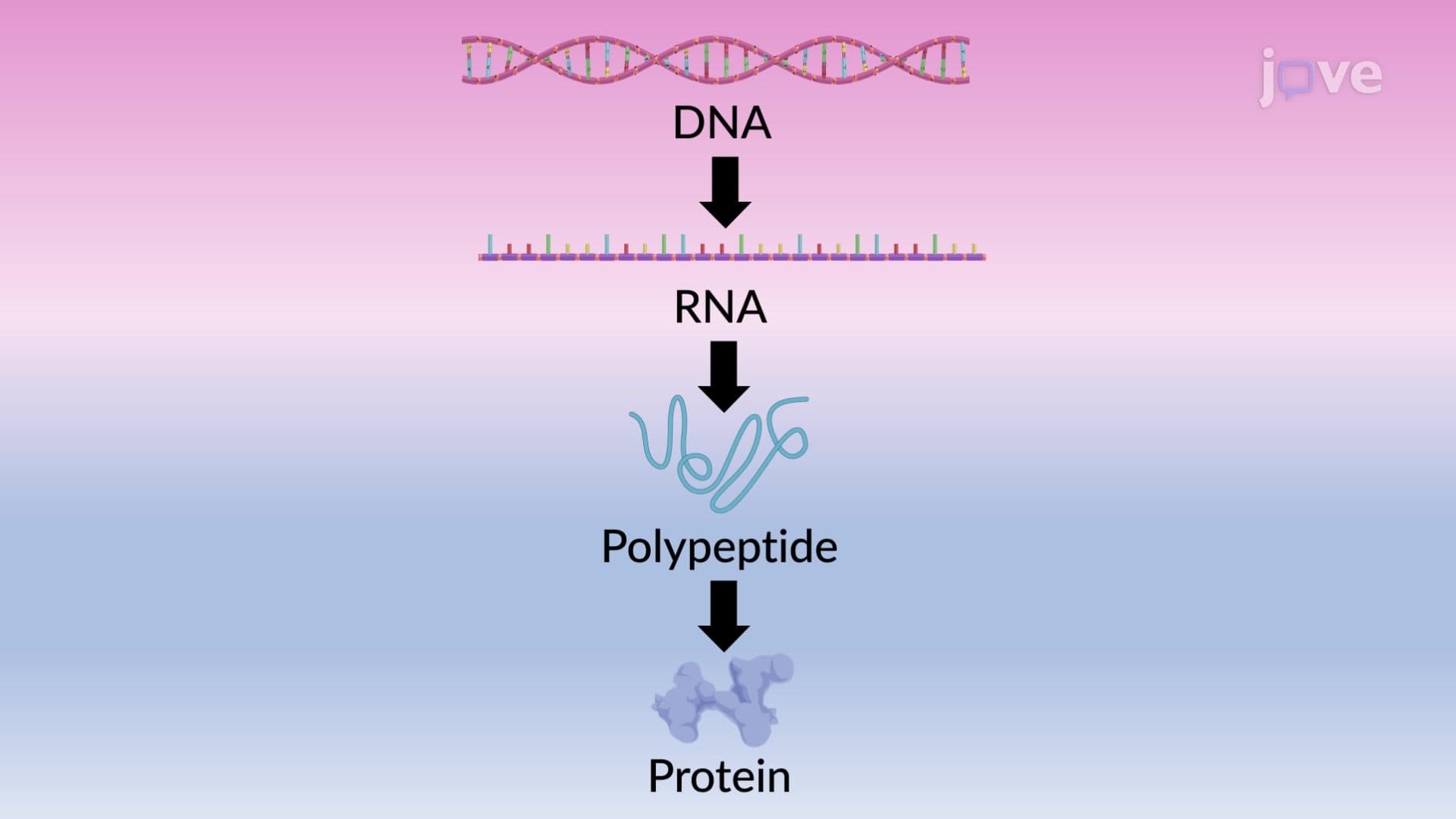
Molecular chaperones protein folding represents a sophisticated cellular quality control system that ensures proteins achieve their correct three-dimensional structures. Unlike enzymes that catalyze chemical reactions, chaperones act as folding assistants, preventing aggregation and guiding nascent polypeptides toward their native conformations. This process is critical because misfolded proteins can form toxic aggregates, leading to cellular dysfunction and death.
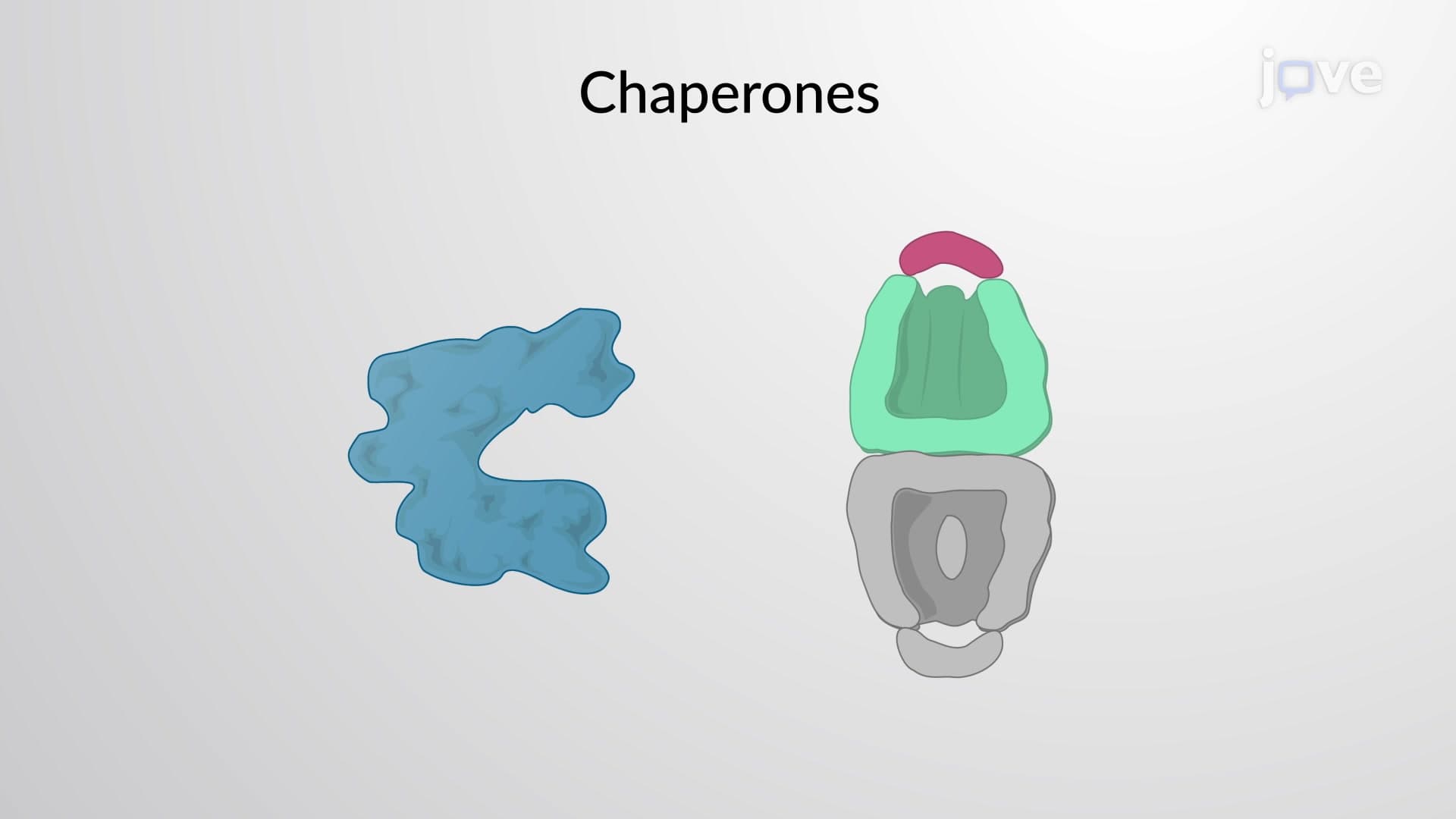
The chaperone family includes several distinct classes, each with specialized functions. Hsp70 chaperones represent the most abundant and well-studied group, binding to hydrophobic regions of unfolded proteins in an ATP-dependent manner. These chaperones cycle between ATP-bound (substrate-releasing) and ADP-bound (substrate-binding) states, allowing controlled folding progression. Hsp60 chaperonins form large barrel-like structures that encapsulate misfolded proteins, providing an isolated folding chamber. Small heat shock proteins act as molecular sponges, binding partially folded intermediates and preventing aggregation during cellular stress.
When cells experience stress from heat, oxidative damage, or disease states, chaperone expression dramatically increases through the heat shock response. This upregulation helps cells cope with increased protein misfolding loads. However, when this system fails, protein aggregates accumulate, contributing to neurodegenerative diseases. In Alzheimer's disease, amyloid-beta peptides form plaques partly due to insufficient chaperone activity. Similarly, alpha-synuclein aggregation in Parkinson's disease reflects compromised protein quality control. Understanding these connections helps explain why these diseases primarily affect aging populations, when chaperone efficiency naturally declines.
The practical importance of molecular chaperones and protein folding biology explained extends beyond basic research into therapeutic applications. Pharmaceutical companies now develop chaperone-enhancing drugs to treat protein misfolding diseases. In biotechnology, co-expressing chaperones with recombinant proteins in bacterial systems like *E. coli* significantly improves protein yield and solubility. This knowledge appears frequently on MCAT biochemistry sections and AP Biology exams, particularly in questions about protein structure-function relationships and cellular stress responses.
For college students preparing for upper-level biochemistry courses, understanding chaperone mechanisms provides essential foundation knowledge for topics like proteomics, structural biology, and drug discovery research conducted at institutions like MIT, Stanford, and Johns Hopkins University.
Related Micro-courses