Loading subject page…


77,718 views

Video Summary: Proteins From Genes to Degradation Explained
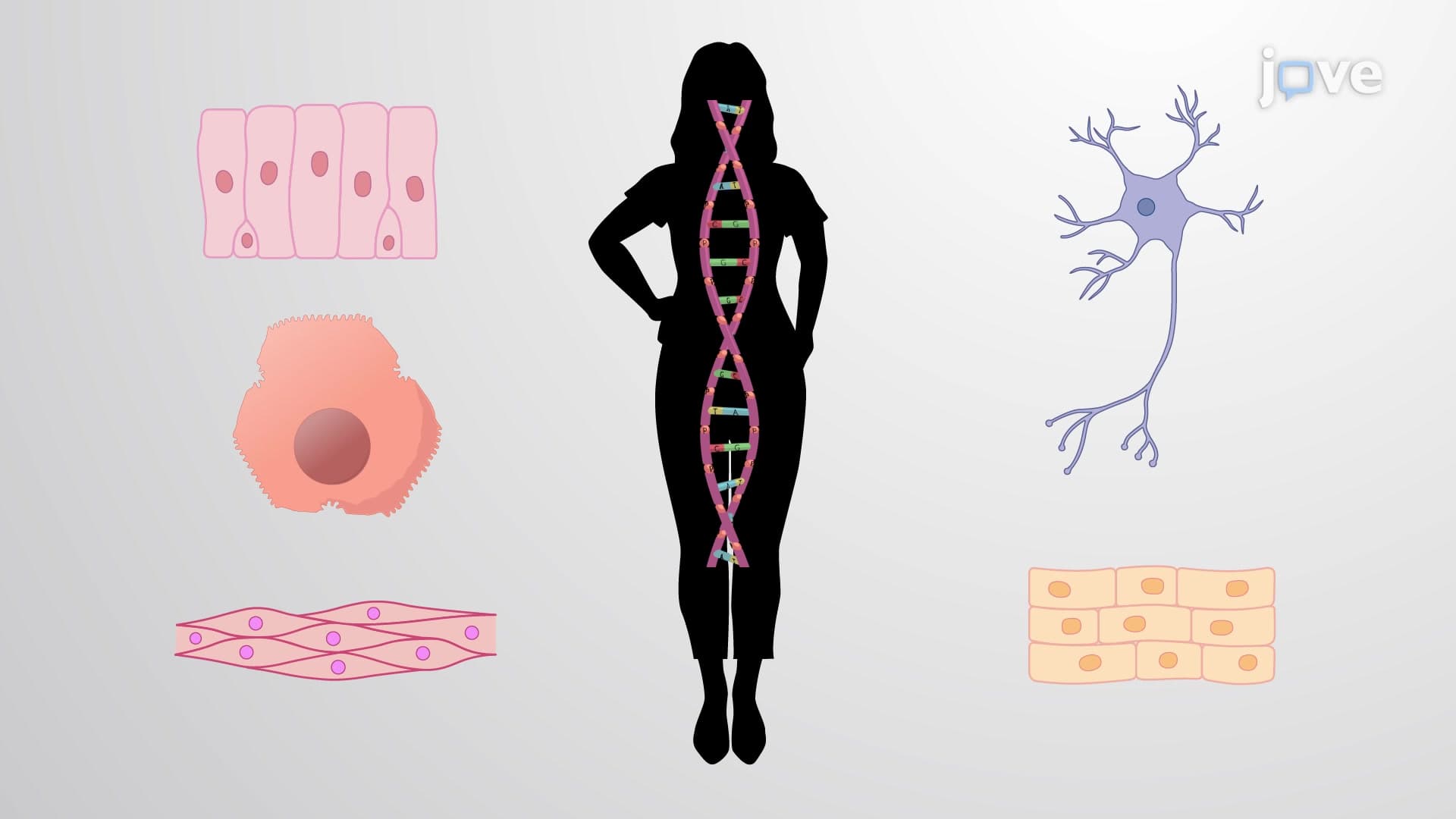
Did you know that a single human cell produces over 10,000 different proteins, each following a precise journey from DNA blueprint to cellular recycling? Proteins from genes degradation represents one of biology's most elegant processes, where genetic information transforms into functional molecules that power life itself. Consider how insulin-produced from pancreatic genes-travels from DNA transcription to eventual breakdown, maintaining blood sugar balance in millions of Americans with diabetes. Proteins From Genes To Degradation Explained covers this complete molecular journey through transcription, translation, protein folding, and cellular recycling pathways. Watch the full video on JoVE Coach to master this concept with expert-led visuals and step-by-step explanations.
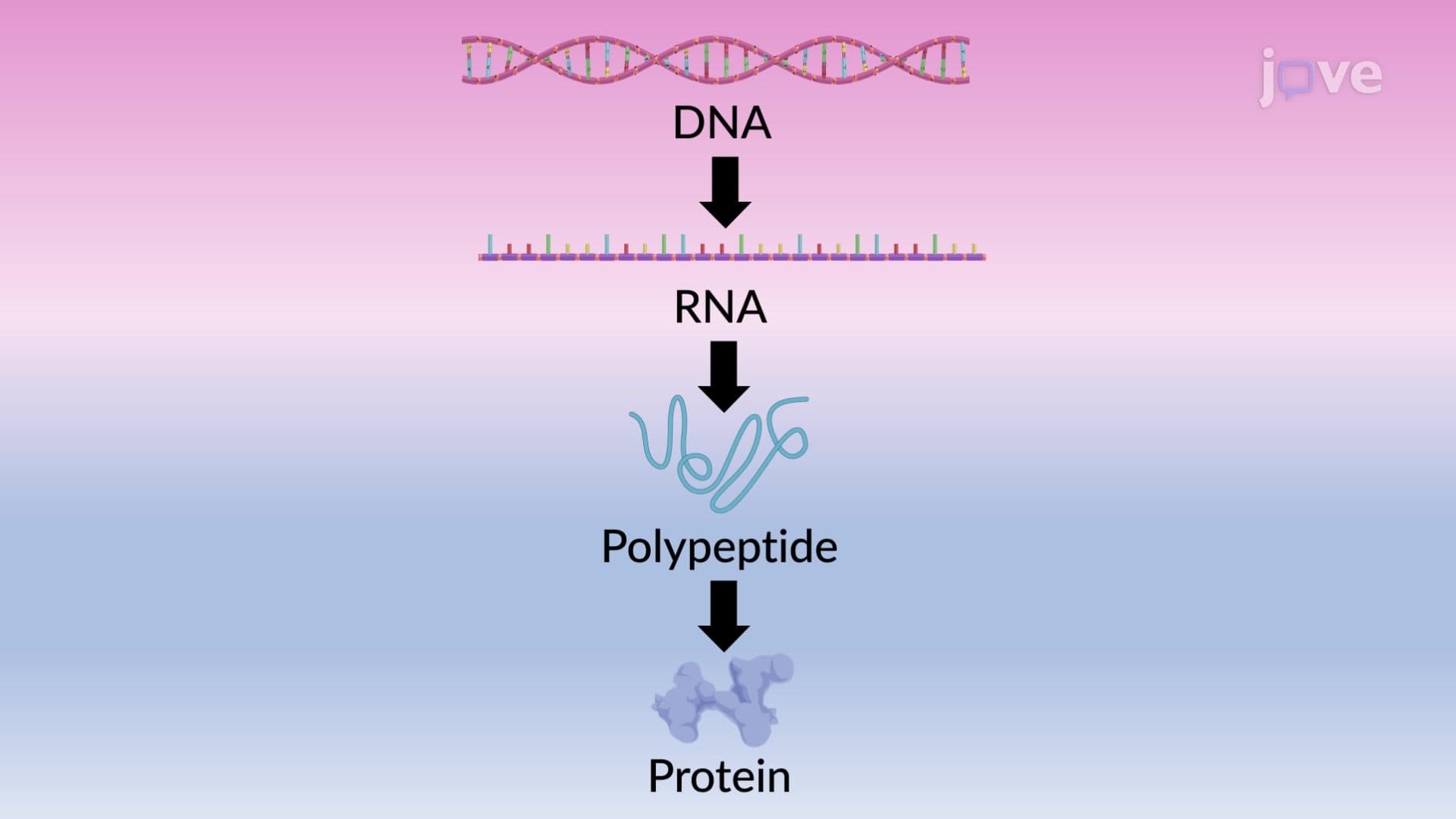
The pathway from genes to protein degradation represents biology's most fundamental information transfer system. This process, guided by the central dogma of molecular biology, begins in the nucleus where DNA sequences called genes contain the blueprints for every protein your cells need. Unlike simple copying, this journey involves multiple sophisticated steps that ensure accuracy, regulation, and quality control.
Gene expression starts with transcription, where RNA polymerase II reads DNA sequences and synthesizes messenger RNA (mRNA). In human cells, this process occurs within the nucleus and includes crucial RNA processing steps-5' capping, 3' polyadenylation, and intron splicing-that distinguish eukaryotic gene expression from bacterial systems. The mature mRNA then travels to cytoplasmic ribosomes for translation.
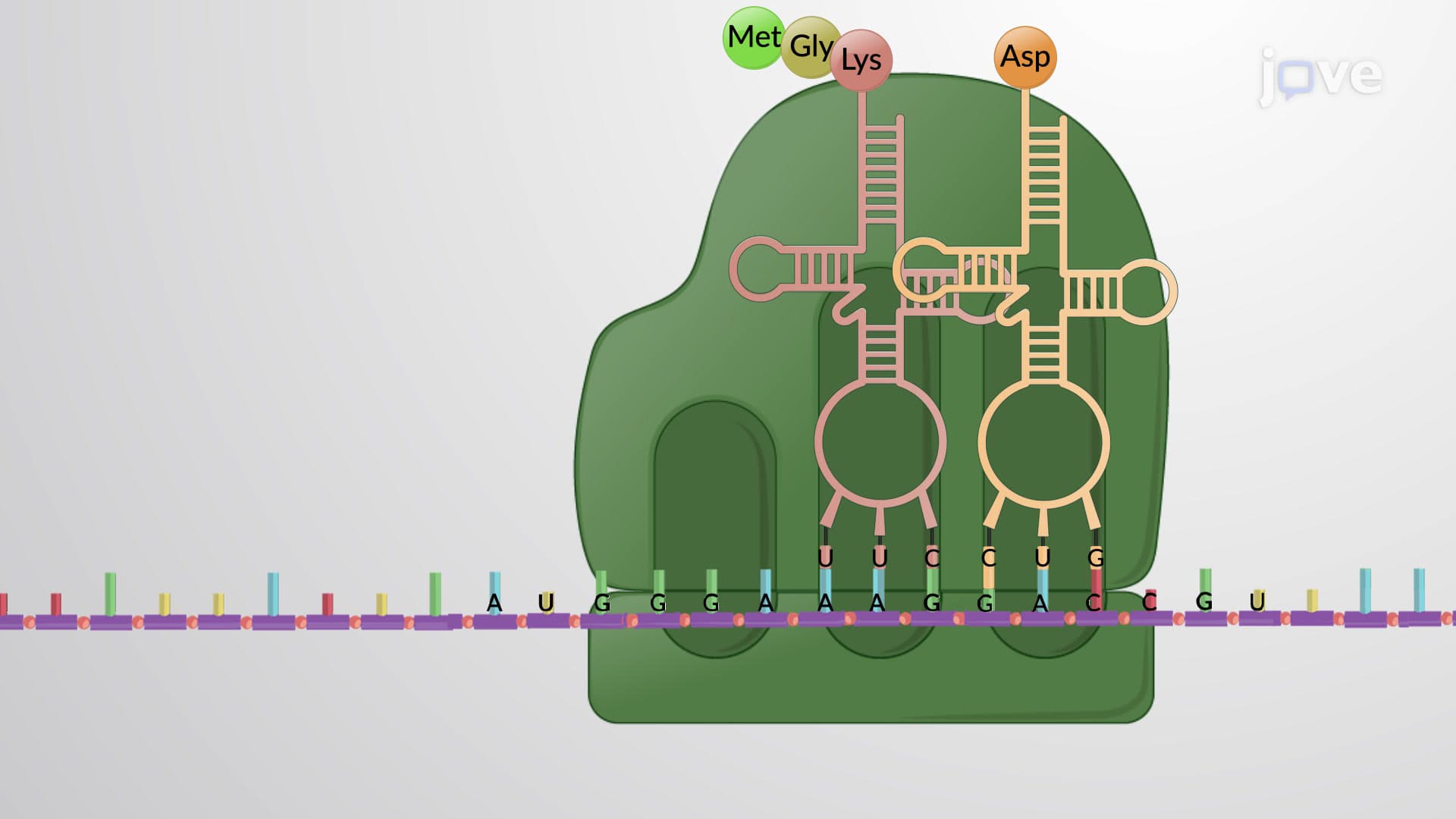
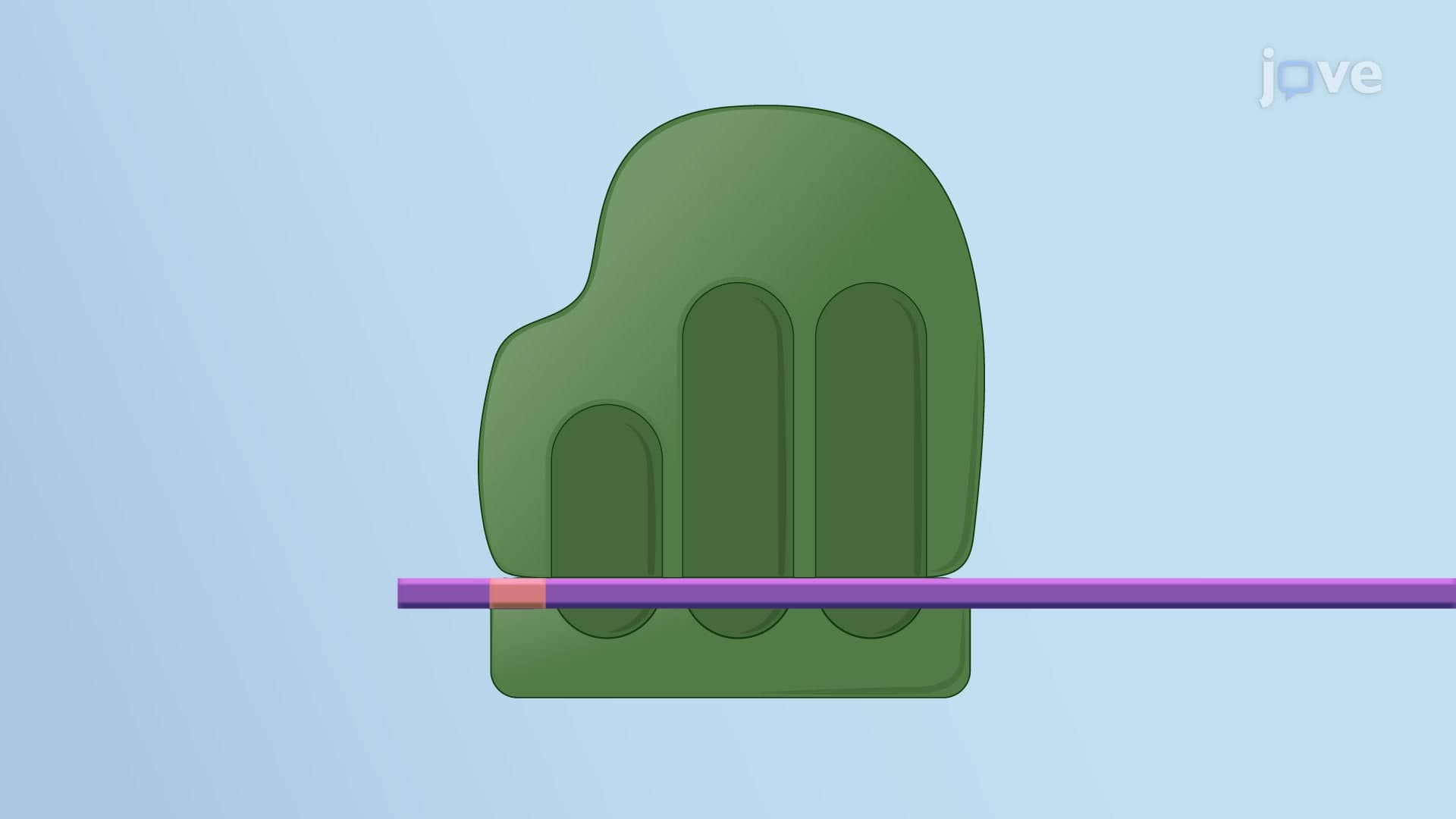
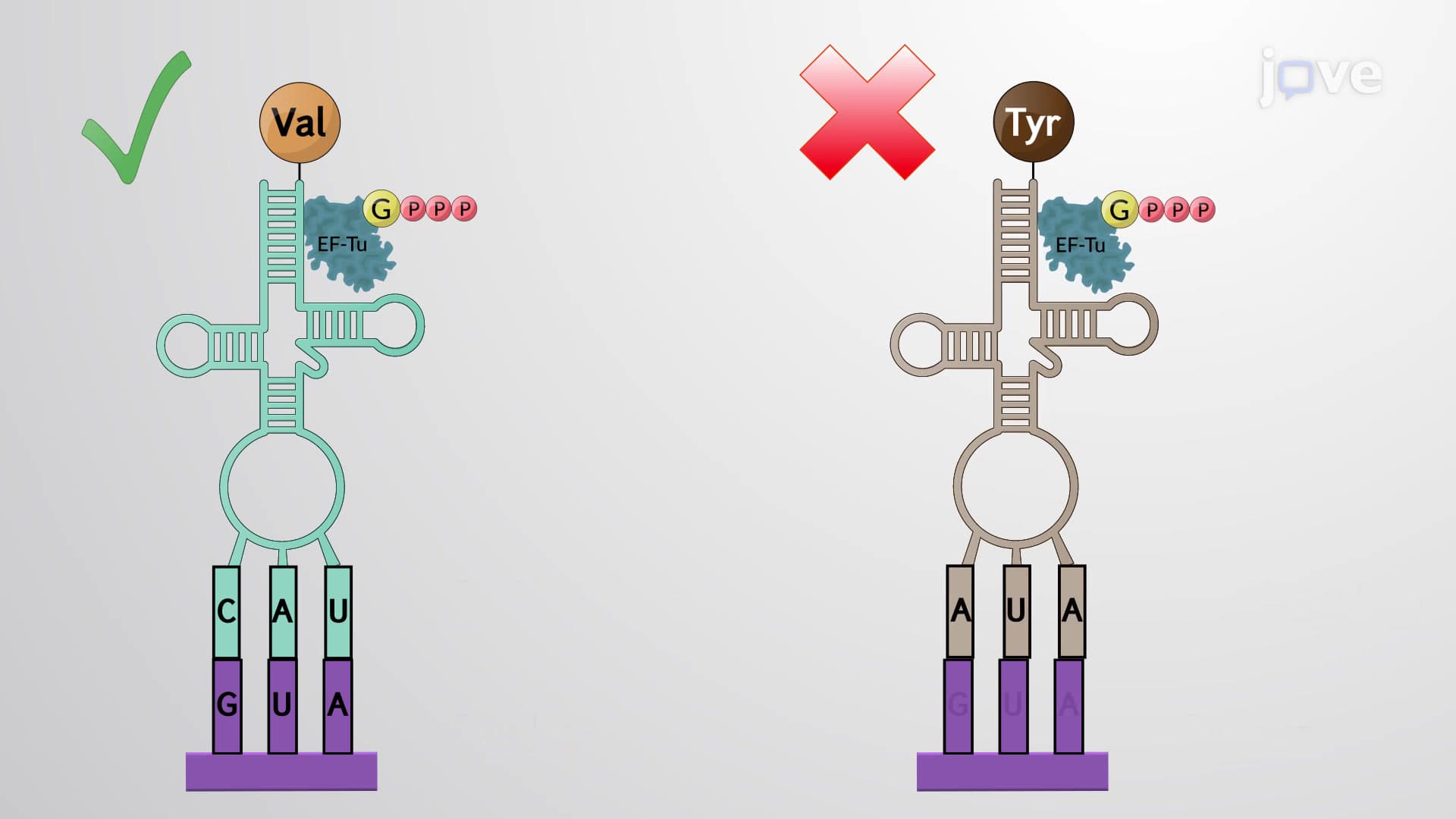
During translation, ribosomes read mRNA codons and assemble amino acids into polypeptide chains. Transfer RNA (tRNA) molecules serve as adapters, each carrying specific amino acids that match their anticodon sequences. This process occurs on either free ribosomes (for cytoplasmic proteins) or endoplasmic reticulum-bound ribosomes (for secreted or membrane proteins). Students studying for AP Biology or college biochemistry courses should understand that translation accuracy depends on proper codon-anticodon pairing and proofreading mechanisms.
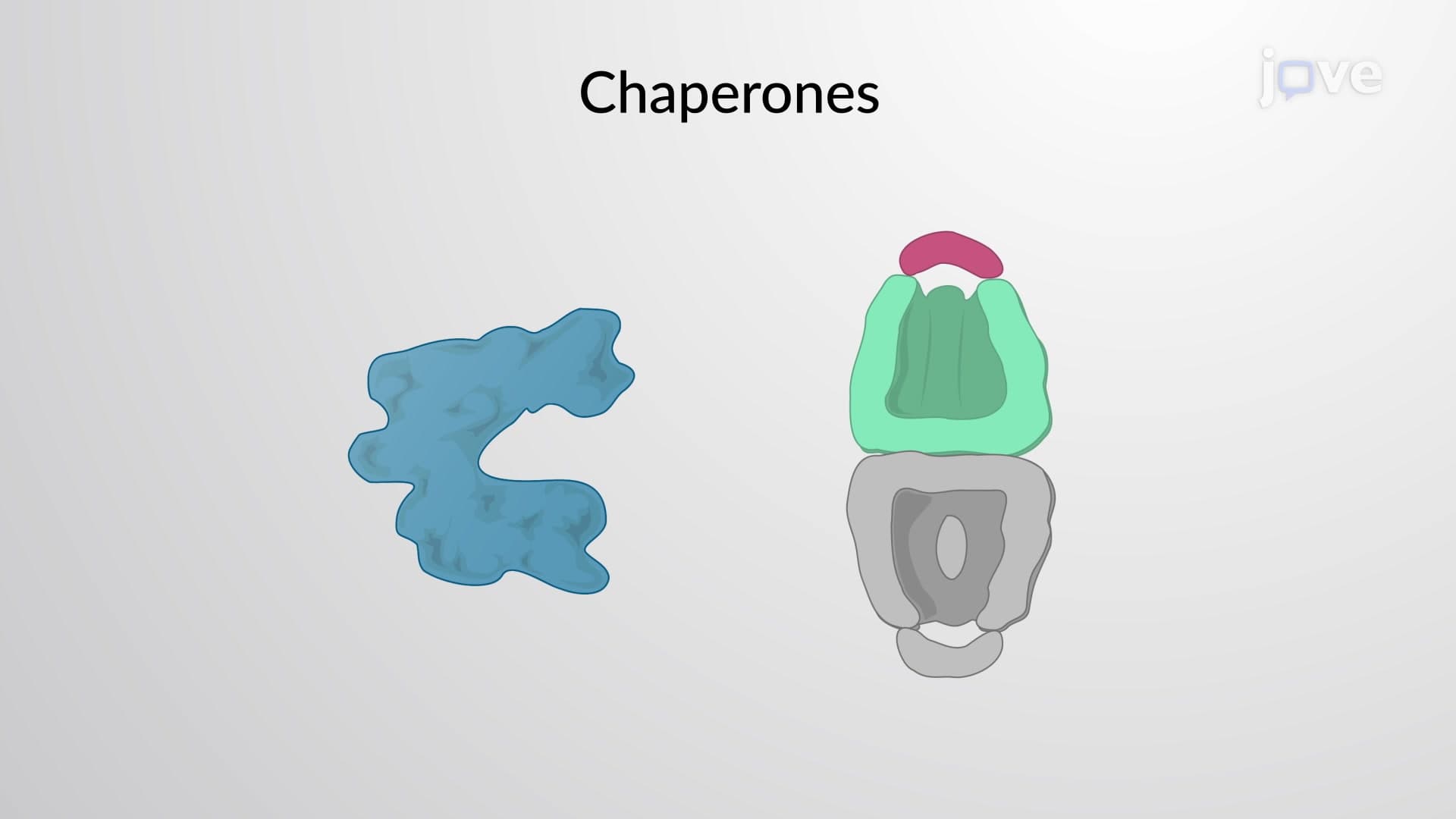
Newly synthesized polypeptides must fold into functional three-dimensional structures. Molecular chaperones like Hsp70 and Hsp60 assist this process, preventing aggregation and misfolding. Post-translational modifications-including phosphorylation, glycosylation, and ubiquitination-fine-tune protein function, localization, and stability. For example, insulin undergoes specific cleavage and disulfide bond formation in pancreatic beta cells before secretion.
Protein degradation occurs through two major pathways. The ubiquitin-proteasome system targets specific proteins marked with ubiquitin tags for degradation by 26S proteasomes. This pathway removes damaged, misfolded, or regulatory proteins with remarkable precision. Autophagy provides a complementary mechanism, engulfing larger protein aggregates and organelles within autophagosomes that fuse with lysosomes. Understanding these pathways helps explain diseases like Parkinson's, where protein aggregation overwhelms cellular quality control systems. MCAT test-takers should recognize how disrupted proteostasis contributes to aging and neurodegenerative disorders affecting millions of Americans.
Related Micro-courses