Loading subject page…


77,713 views

Video Summary: What Is Improving Translational Accuracy
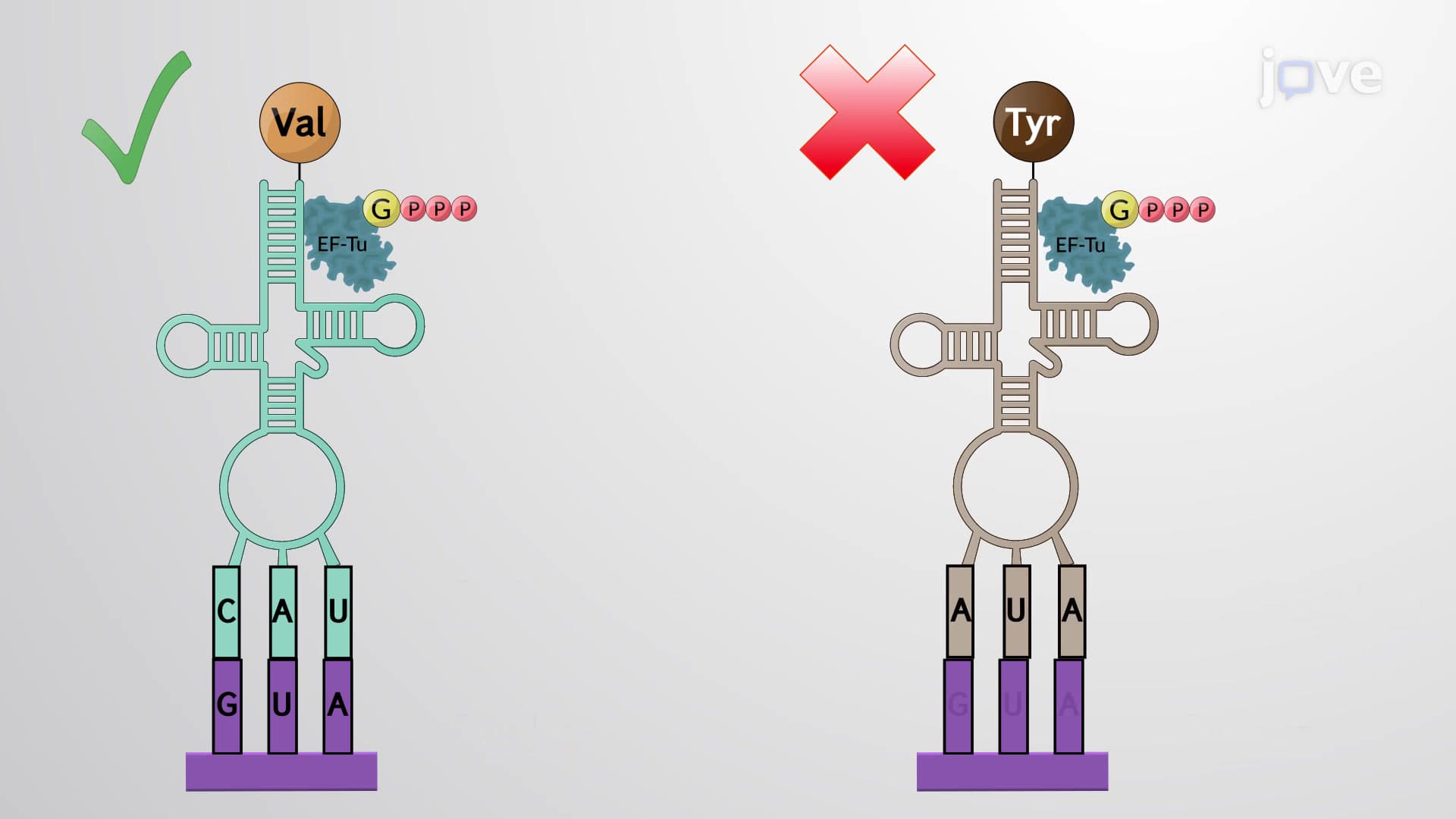
Did you know that a single amino acid error in hemoglobin causes sickle cell disease, affecting over 100,000 Americans? Improving translational accuracy ensures cells produce proteins with the exact amino acid sequences encoded by DNA, preventing such devastating errors. This cellular quality control system involves multiple checkpoints, including aminoacyl-tRNA synthetases that attach correct amino acids to transfer RNAs and ribosomal proofreading mechanisms that verify codon-anticodon pairing. Watch the full video on JoVE Coach to master this concept with expert-led visuals and step-by-step explanations.
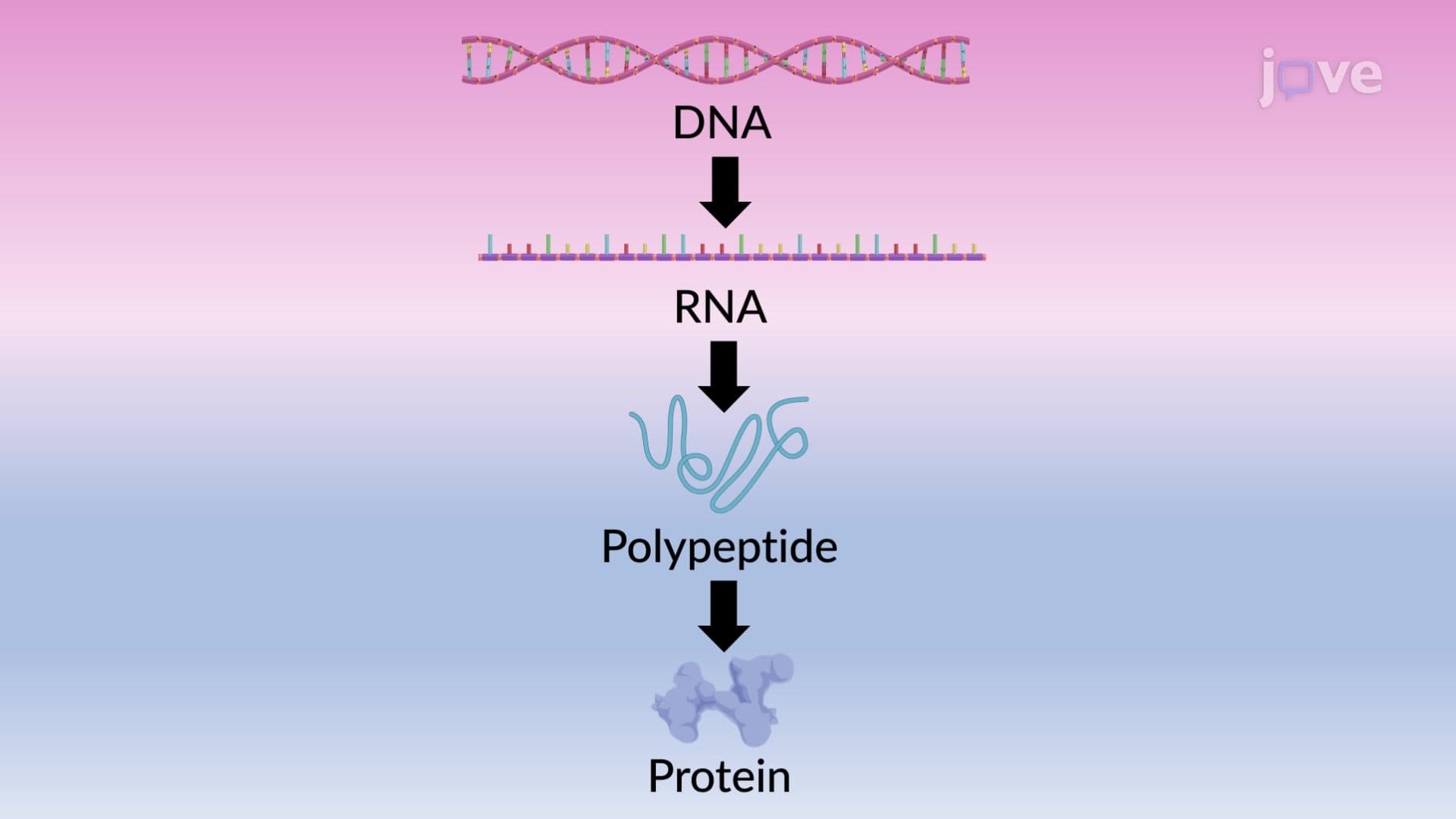
Improving translational accuracy refers to the sophisticated cellular mechanisms that ensure proteins are synthesized with the precise amino acid sequence specified by messenger RNA. This process is crucial because even a single amino acid substitution can render a protein nonfunctional or harmful. For students preparing for AP Biology or college-level cell biology courses, understanding these quality control systems provides insight into how cells maintain the integrity of the genetic code.
The accuracy journey begins with aminoacyl-tRNA synthetases, enzymes that attach specific amino acids to their corresponding transfer RNAs. These molecular matchmakers exhibit remarkable precision through a two-step proofreading process. First, they select the correct amino acid based on size and chemical properties. If an incorrect amino acid is initially selected, the enzyme's editing site removes it before final attachment. This double-checking system reduces error rates to approximately 1 in 10,000, far more accurate than would occur through random binding alone.
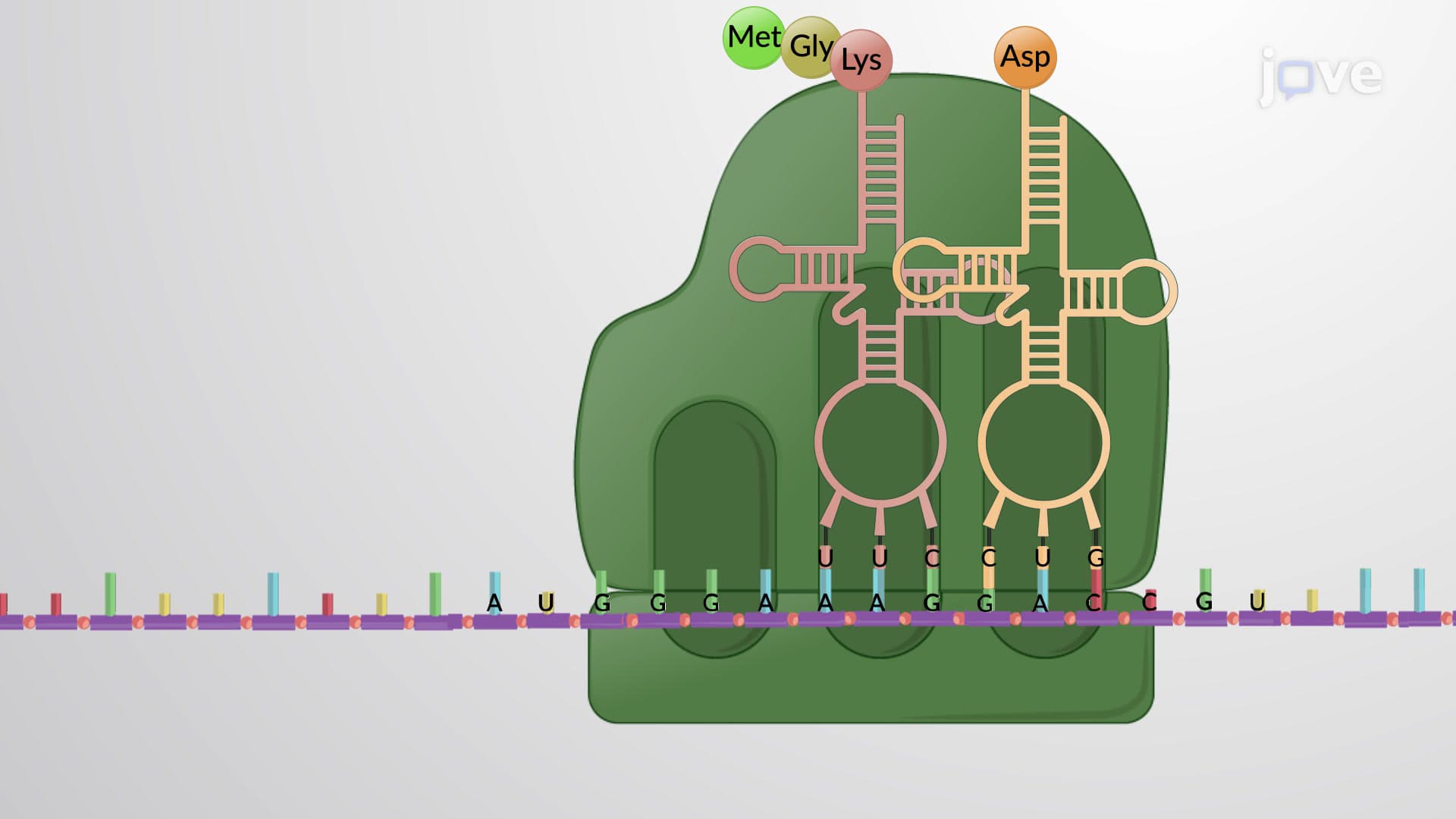
Once charged tRNAs reach the ribosome, additional accuracy checkpoints engage. The ribosome employs kinetic proofreading, where correct codon-anticodon pairs are stabilized longer than incorrect ones, allowing more time for proper peptide bond formation. This temporal selection mechanism, combined with conformational changes in ribosomal RNA, creates a highly selective environment. Students studying for the MCAT should note how this process exemplifies enzyme kinetics principles in biological systems.
Translational accuracy has profound medical implications. Mutations affecting accuracy mechanisms contribute to diseases like amyotrophic lateral sclerosis (ALS), where protein aggregation damages motor neurons. Pharmaceutical companies exploit differences in translational accuracy between human and bacterial ribosomes to develop antibiotics like streptomycin, which specifically disrupts bacterial protein synthesis. Understanding these concepts helps pre-med students grasp how molecular biology knowledge translates to therapeutic interventions in American healthcare systems.
Related Micro-courses