Loading video…


 11 Concepts
 77.7K views


Video Summary: What Is Initiation of Translation
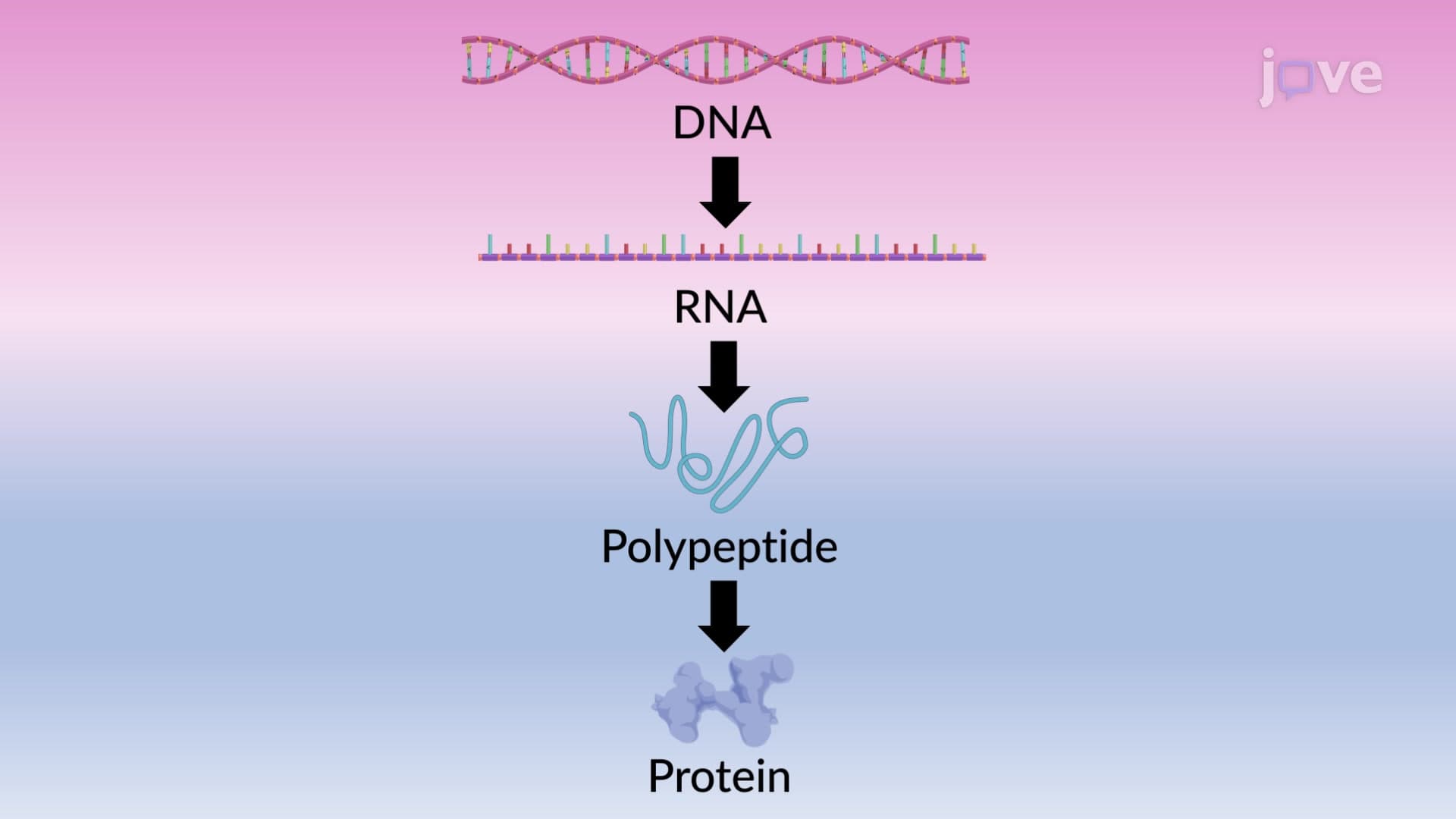
Did you know that every protein in your body-from the insulin regulating your blood sugar to the antibodies fighting infections-begins with a single molecular "start signal"? Initiation translation is the precisely orchestrated first step where ribosomes locate the correct starting point on mRNA to begin protein synthesis. This process is so critical that disruptions can lead to diseases like cancer, making it a target for drugs developed by companies like Pfizer and Moderna. What is initiation of translation becomes clearer when you understand how cellular machinery reads genetic instructions with remarkable accuracy. Watch the full video on JoVE Coach to master this concept with expert-led visuals and step-by-step explanations.
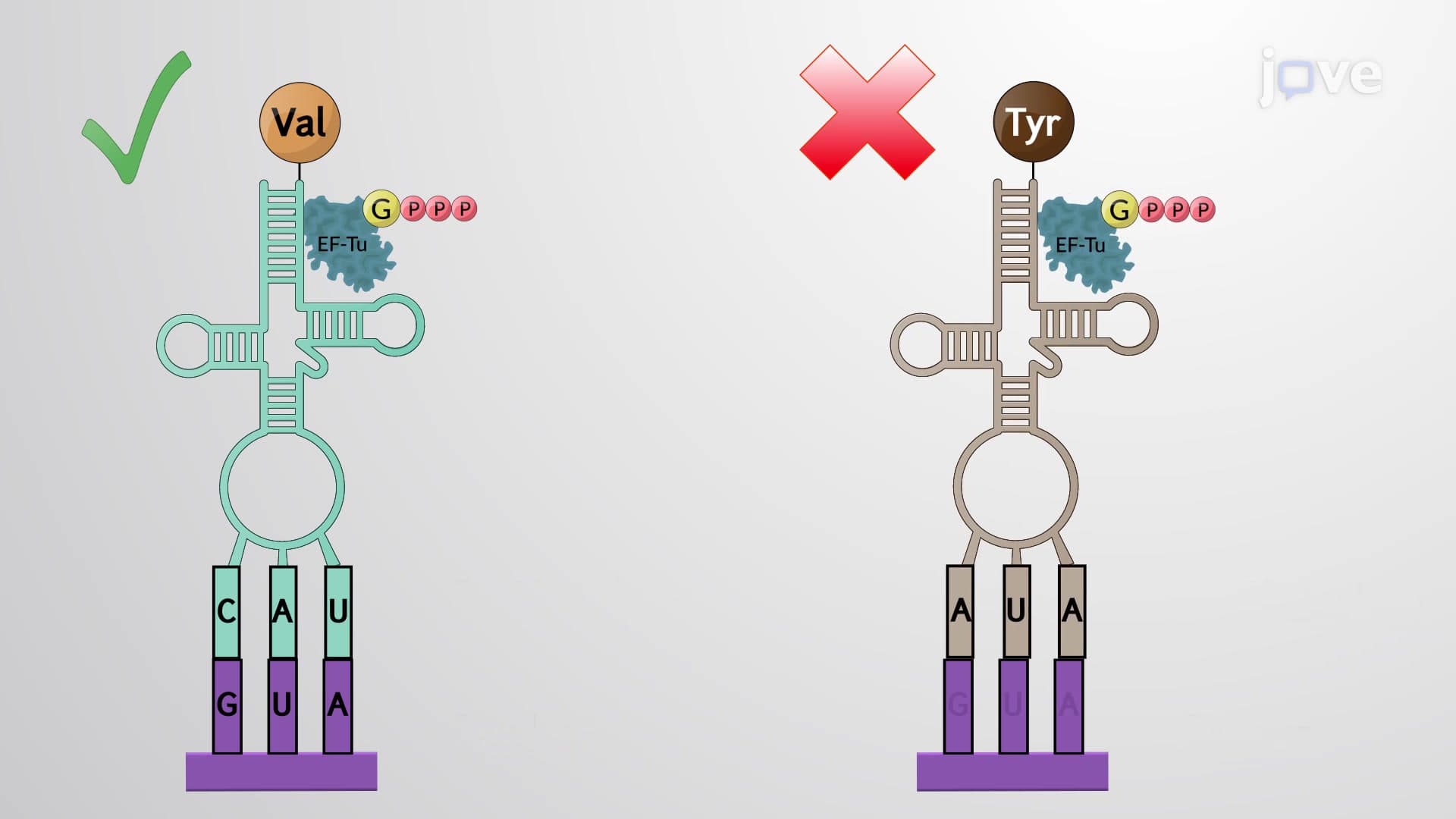
Translation initiation represents one of biology's most sophisticated quality control systems. This process ensures that protein synthesis begins at precisely the right location on mRNA molecules, preventing the cellular chaos that would result from random protein assembly. In human cells, this mechanism is so refined that errors occur in fewer than 1 in 10,000 translation events.
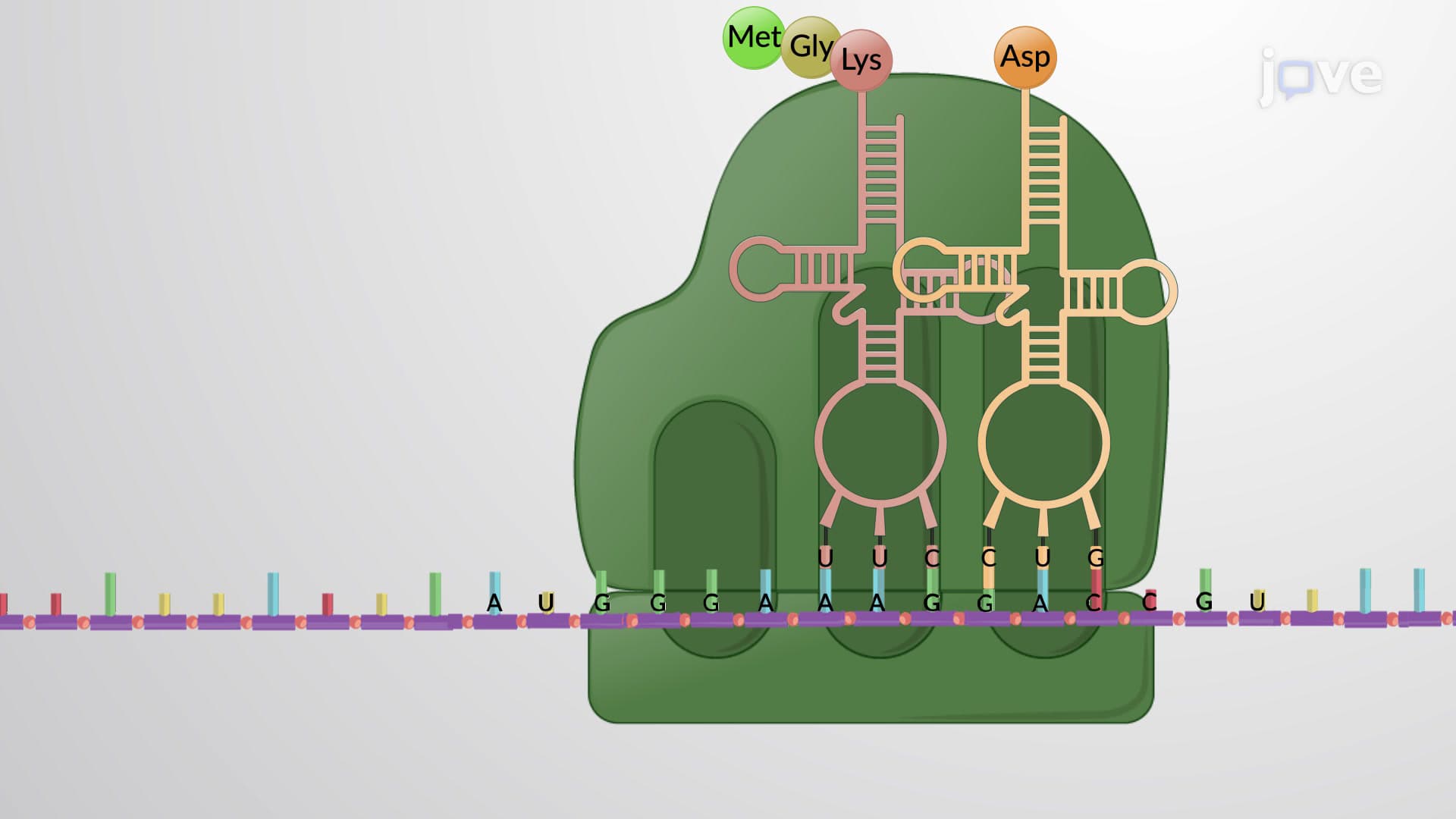
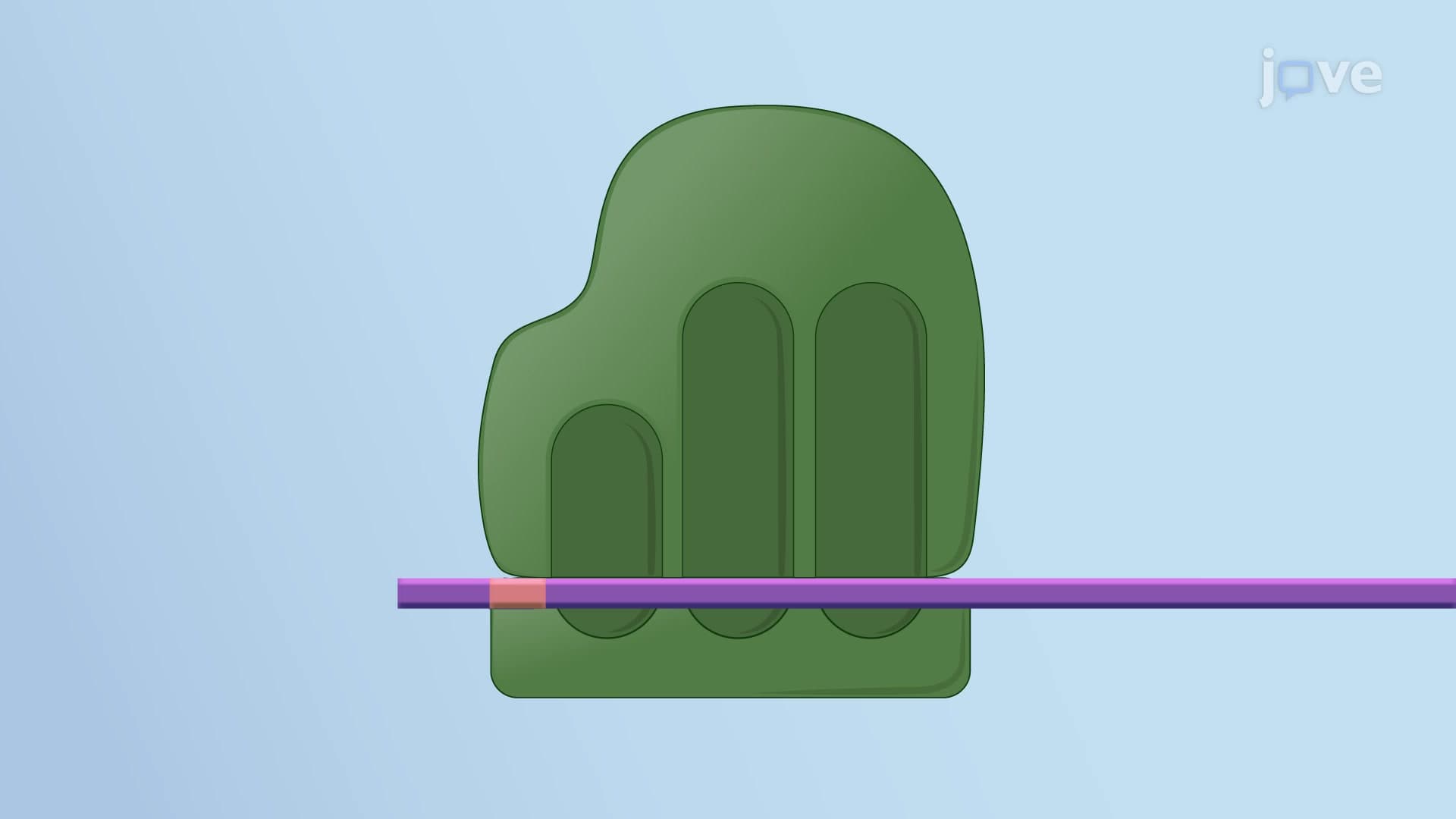
In eukaryotic cells, initiation translation follows a highly regulated sequence. The process begins when the small ribosomal subunit (40S) recognizes the 5' cap structure-a modified guanosine nucleotide that acts like a molecular "zip code" directing ribosomes to the correct mRNA. Multiple eukaryotic initiation factors (eIFs) orchestrate this assembly, with eIF4E binding the cap and eIF4G serving as a scaffold protein.
The ribosome then scans along the 5' untranslated region (UTR), searching for the start codon AUG in the optimal context-typically following Kozak's rule with purines at positions -3 and +4. This scanning mechanism explains why mutations in the 5' UTR can dramatically affect protein production, a concept frequently tested on the MCAT and AP Biology exams.
Prokaryotic initiation translation operates through a fundamentally different mechanism. Instead of cap recognition, bacterial ribosomes use the Shine-Dalgarno sequence-a purine-rich region located 8-10 nucleotides upstream of the start codon. This sequence pairs with complementary bases in the 16S rRNA, positioning the ribosome directly at the translation start site without requiring the scanning process seen in eukaryotes.
Understanding initiation translation has revolutionized medicine and biotechnology. Pharmaceutical companies like Gilead Sciences have developed antiviral drugs targeting eIF4E to block viral protein synthesis. Similarly, cancer researchers at institutions like MD Anderson Cancer Center study how oncogenes hijack translation initiation to overproduce growth-promoting proteins. These real-world applications frequently appear in college biochemistry courses and medical school curricula, making this concept essential for pre-med students preparing for the MCAT.
Related Micro-courses