Loading video…


 11 Concepts
 77.7K views


Video Summary: What Is Termination of Translation
Did you know that every protein in your body-from the insulin regulating your blood sugar to the hemoglobin carrying oxygen-must be "released" from cellular machinery at exactly the right moment? Termination translation is the critical final step where ribosomes encounter stop signals and release newly-made proteins. Without proper termination of translation, diseases like Duchenne muscular dystrophy can occur when proteins aren't completed correctly. Watch the full video on JoVE Coach to master this concept with expert-led visuals and step-by-step explanations.
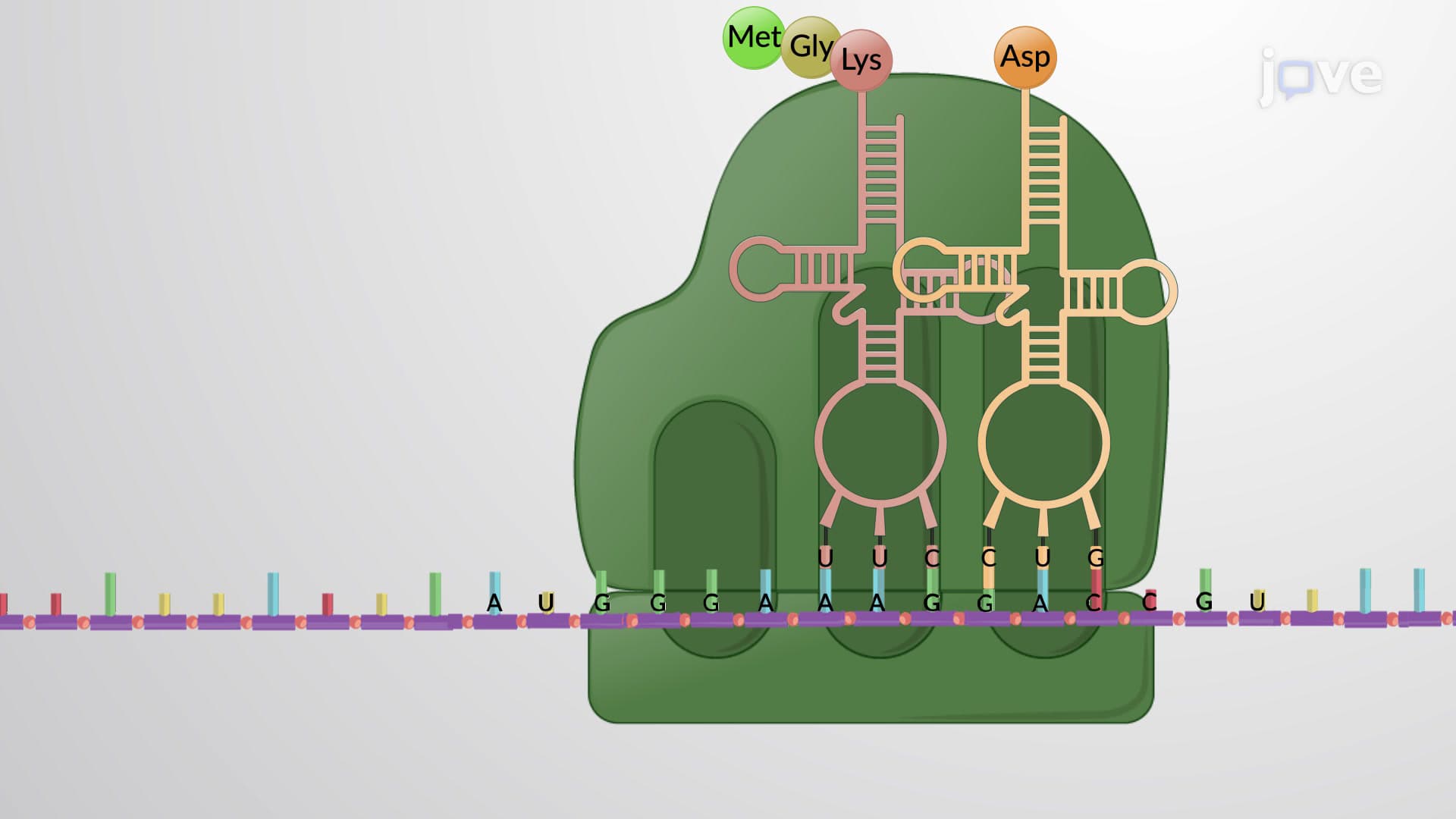
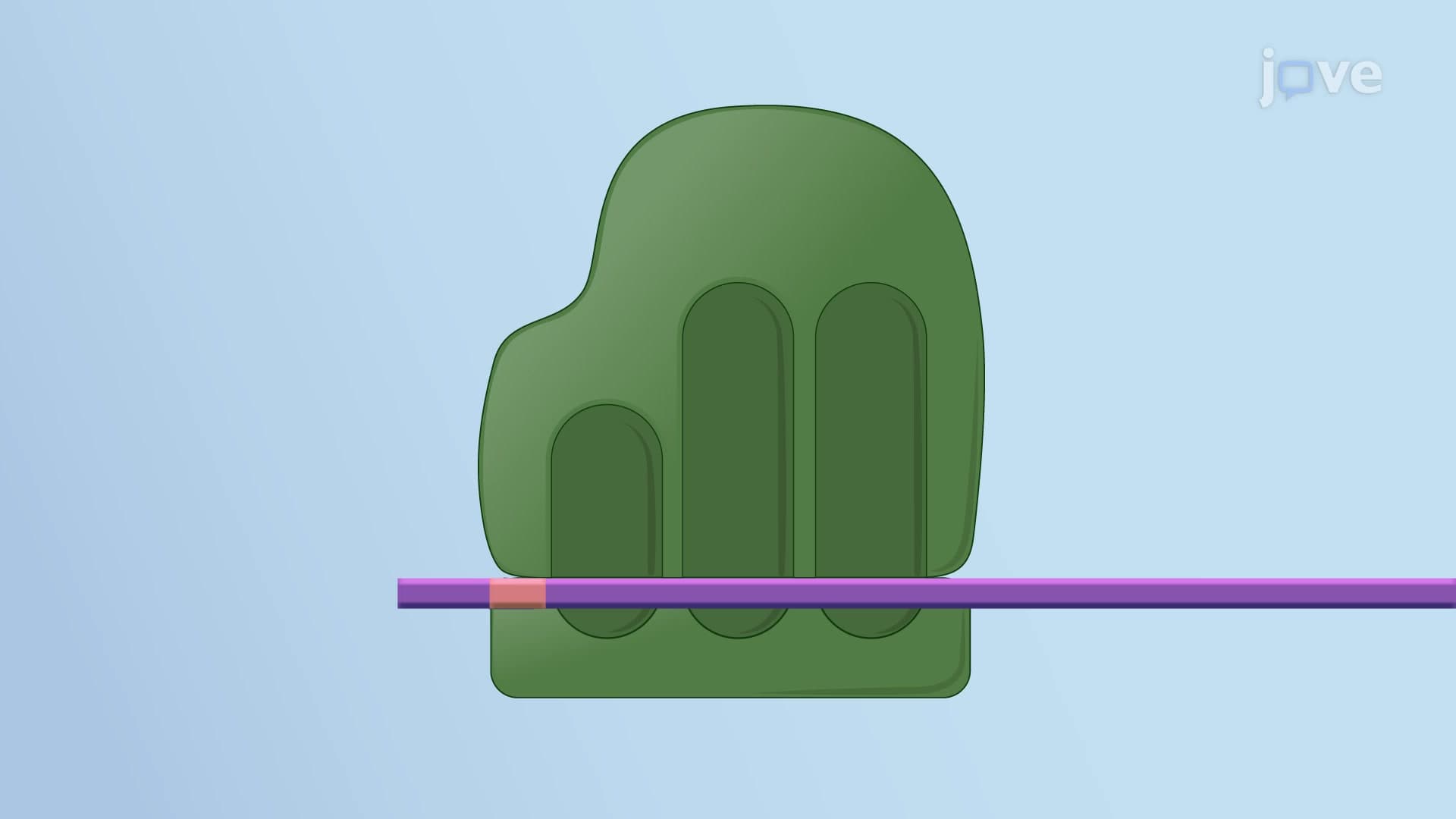
Termination of translation represents the precisely orchestrated final act of protein synthesis, where cellular machinery must "know" exactly when to stop building a protein chain. This process occurs when ribosomes-the protein-making factories in our cells-encounter specific three-nucleotide sequences called stop codons on messenger RNA (mRNA). Unlike the 61 codons that specify amino acids, the three stop codons (UAA, UAG, and UGA) serve as molecular "periods" ending the protein sentence.
When ribosomes reach these termination signals, they recruit specialized proteins called release factors. In humans, eukaryotic release factor 1 (eRF1) recognizes all three stop codons, while eRF3 assists in the termination process. These release factors essentially "trick" the ribosome into releasing the completed protein instead of adding another amino acid. This mechanism is so fundamental that students studying for the MCAT or AP Biology exams frequently encounter questions about how release factors distinguish stop codons from sense codons.
Termination errors have profound medical implications. Nonsense mutations-genetic changes that create premature stop codons-cause approximately 10% of inherited diseases in the United States. Duchenne muscular dystrophy often results from nonsense mutations in the dystrophin gene, leading to shortened, nonfunctional proteins. Conversely, suppressor mutations can "read through" stop codons, sometimes restoring partial protein function. Understanding these mechanisms helps explain why pharmaceutical companies like PTC Therapeutics develop drugs that promote stop codon readthrough.
Translation termination knowledge drives multiple biotechnology applications. Many antibiotics, including streptomycin and chloramphenicol, work by interfering with bacterial ribosome function, including termination processes. Gene therapy approaches increasingly focus on correcting nonsense mutations-the FDA-approved drug Translarna (ataluren) helps ribosomes "skip over" premature stop codons in certain genetic conditions. For college students preparing for biochemistry exams, understanding these therapeutic connections provides crucial context for memorizing termination mechanisms.
Related Micro-courses