Loading subject page…


77,713 views


Video Summary: What Is Trna Activation
Did you know that without a specific molecular "charging" process, your cells couldn't build the proteins needed for life? tRNA activation is the crucial biochemical process where transfer RNA molecules are loaded with their corresponding amino acids, enabling accurate protein synthesis. At research institutions like Johns Hopkins University, scientists study how errors in this process contribute to genetic diseases affecting millions of Americans. What is tRNA activation becomes clear when you understand it as the critical quality-control step ensuring genetic instructions translate into functional proteins. Watch the full video on JoVE Coach to master this concept with expert-led visuals and step-by-step explanations.
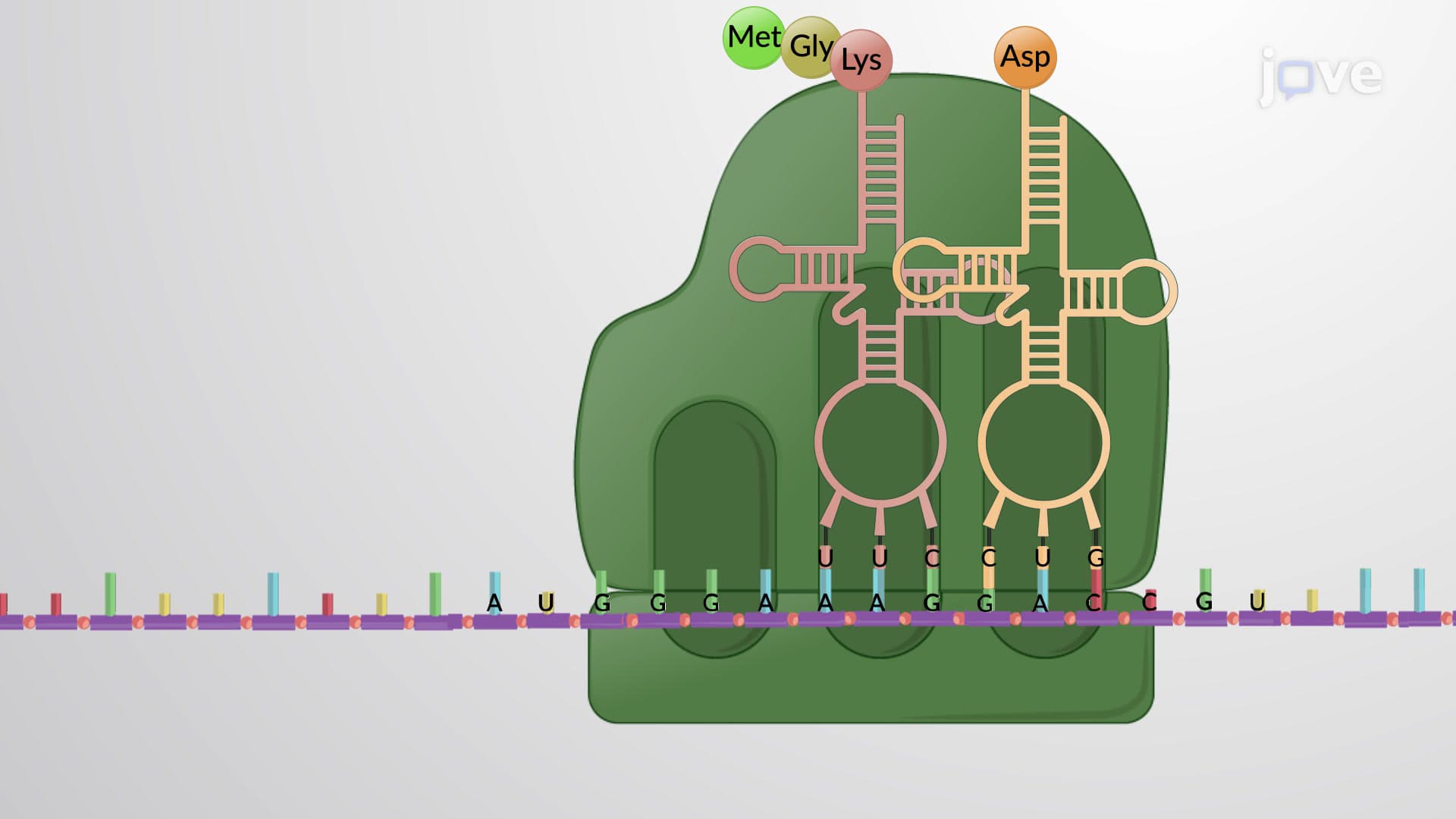
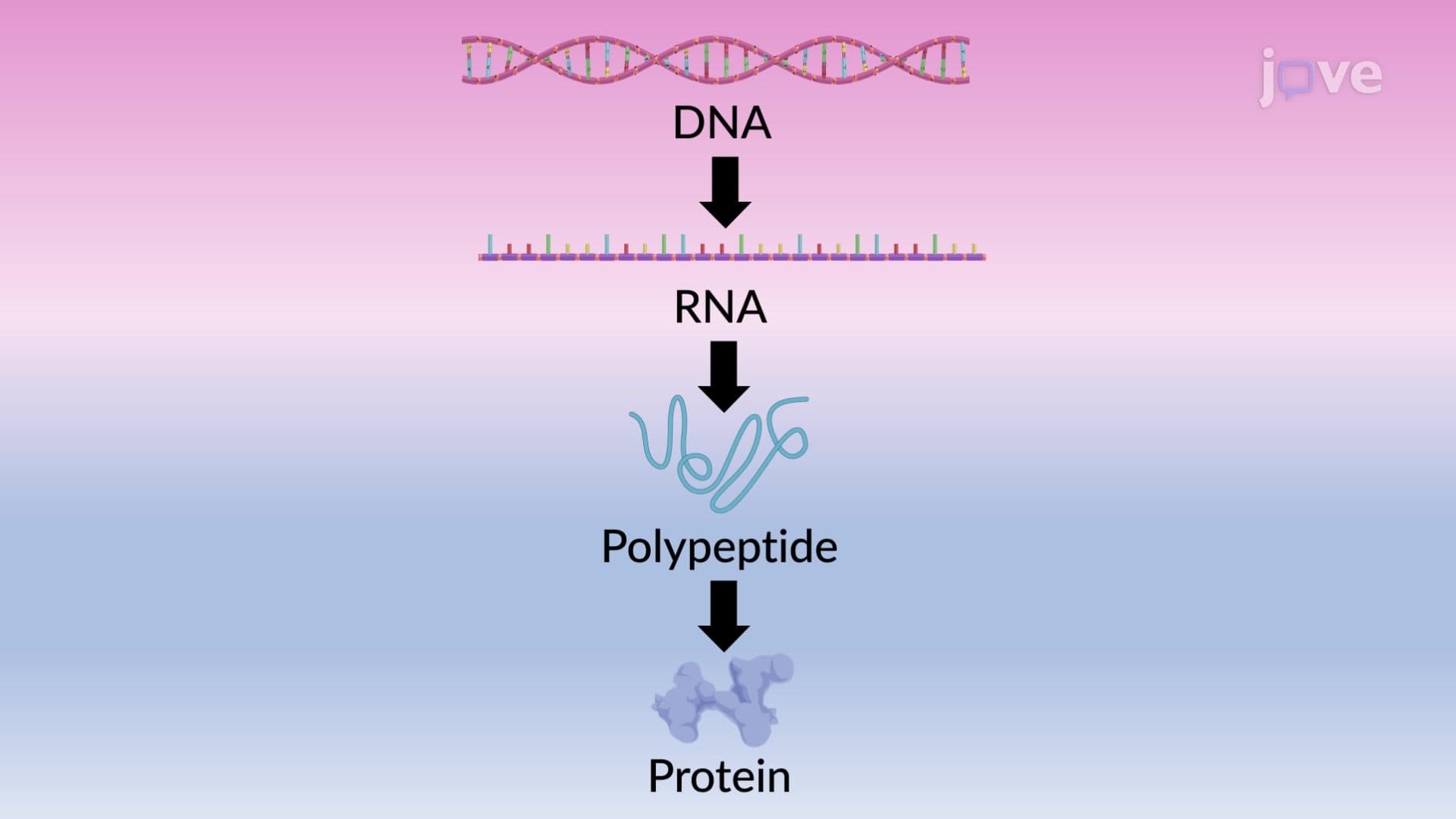
tRNA activation represents one of biology's most precise molecular processes, where transfer RNA molecules are "charged" or loaded with their specific amino acids before protein synthesis begins. This process ensures that the genetic code written in DNA is accurately translated into functional proteins that power cellular life.
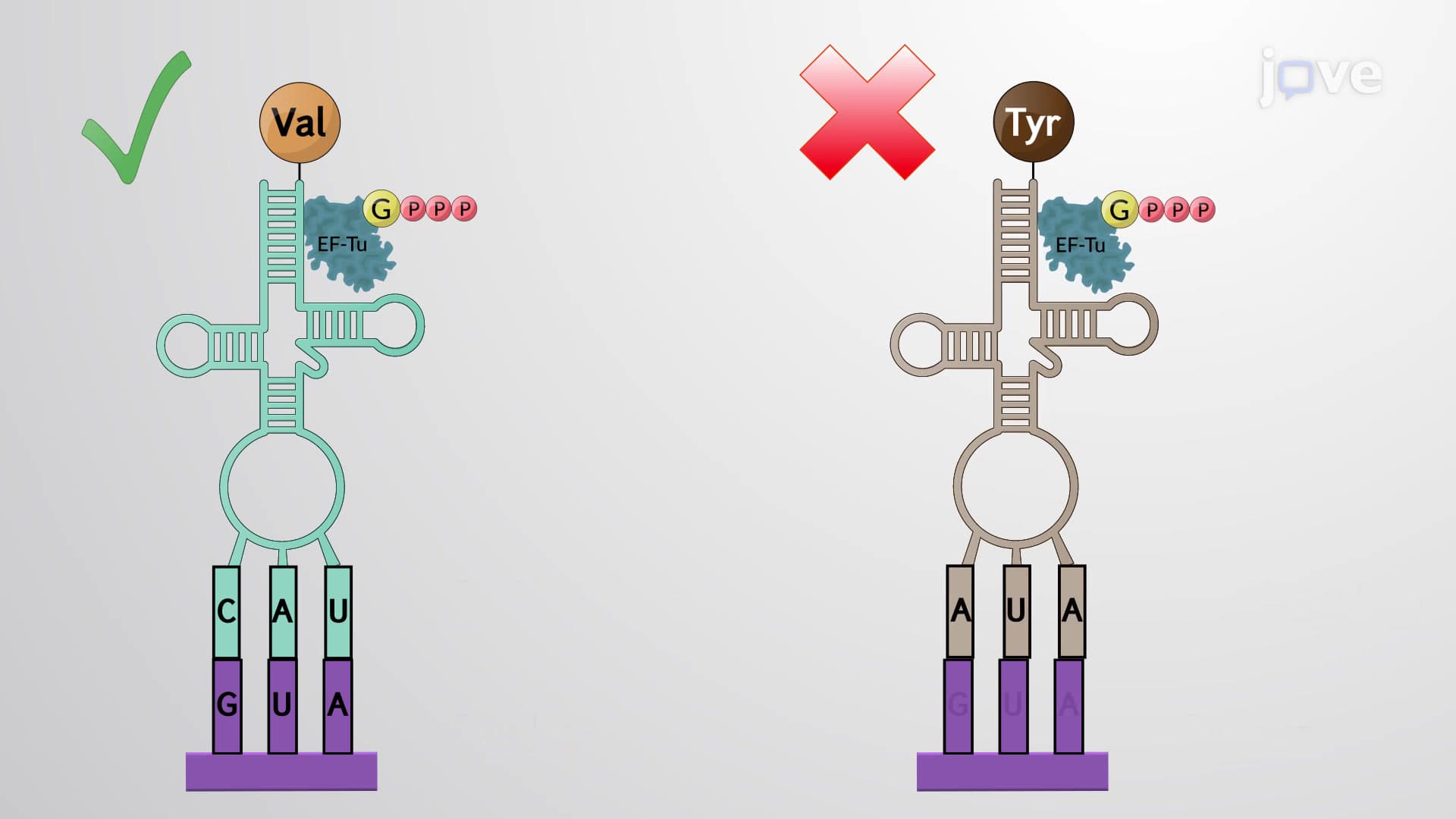
The tRNA activation biology explained centers on a remarkable family of 20 different enzymes called aminoacyl-tRNA synthetases. Each enzyme exhibits extraordinary specificity, recognizing only one of the 20 standard amino acids and its corresponding tRNA molecules. For example, leucyl-tRNA synthetase specifically charges leucine onto leucine tRNAs, while rejecting all other amino acids and tRNA types. This specificity is achieved through precise molecular recognition involving both the amino acid's chemical structure and the tRNA's unique three-dimensional shape.
The tRNA activation definition encompasses a sophisticated two-step reaction mechanism. First, the aminoacyl-tRNA synthetase uses ATP energy to activate the amino acid, forming an aminoacyl-AMP intermediate while releasing pyrophosphate. Second, the activated amino acid is transferred to the 3' adenosine of the appropriate tRNA molecule, creating an aminoacyl-tRNA complex ready for protein synthesis. This process consumes significant cellular energy but ensures translation accuracy.
What makes tRNA activation particularly fascinating is its built-in proofreading mechanisms. Many aminoacyl-tRNA synthetases possess editing sites that can remove incorrectly attached amino acids, achieving error rates as low as 1 in 10,000 reactions. When these quality control systems fail, the consequences can be severe. Research at institutions like Harvard Medical School has linked mutations in aminoacyl-tRNA synthetases to Charcot-Marie-Tooth disease, affecting peripheral nerves in thousands of Americans. Understanding this process is crucial for students preparing for advanced exams like the MCAT, where translation mechanisms frequently appear in biochemistry sections.
Related Micro-courses