Loading video…


 20 Concepts
 158.1K views

Video Summary: Directing Proteins to the Rough Explained
Ever wonder how your pancreas knows to make insulin exactly where it's needed? Directing proteins to the rough endoplasmic reticulum is the cellular GPS system that ensures proteins like insulin and antibodies reach their proper destinations. This process involves the signal recognition particle (SRP) acting as a molecular escort, guiding ribosomes to the rough ER membrane through a sophisticated docking mechanism. Understanding directing proteins to the rough explained helps explain how pharmaceutical companies produce life-saving medications like Humira in specialized cell factories. Watch the full video on JoVE Coach to master this concept with expert-led visuals and step-by-step explanations.
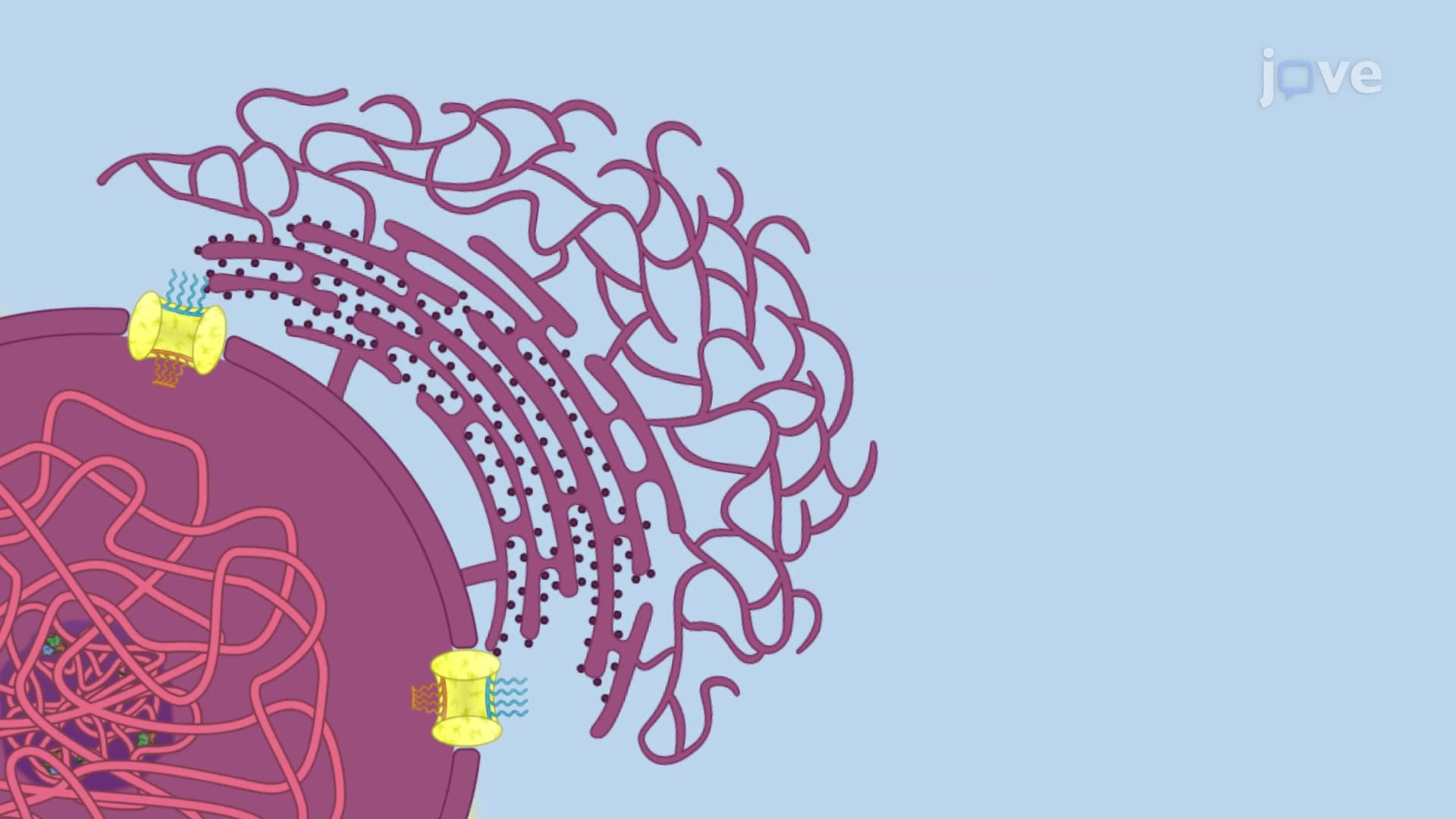
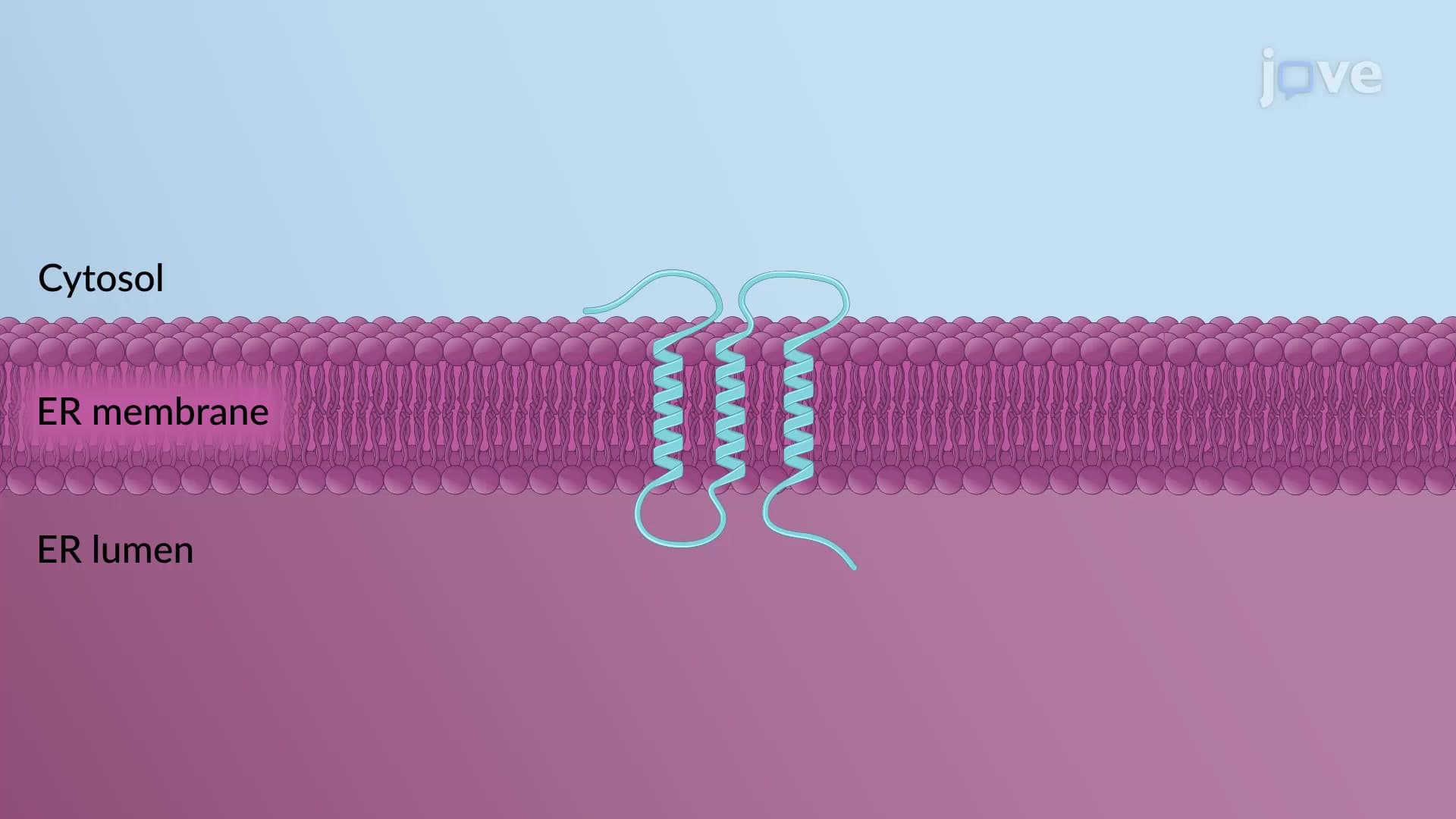
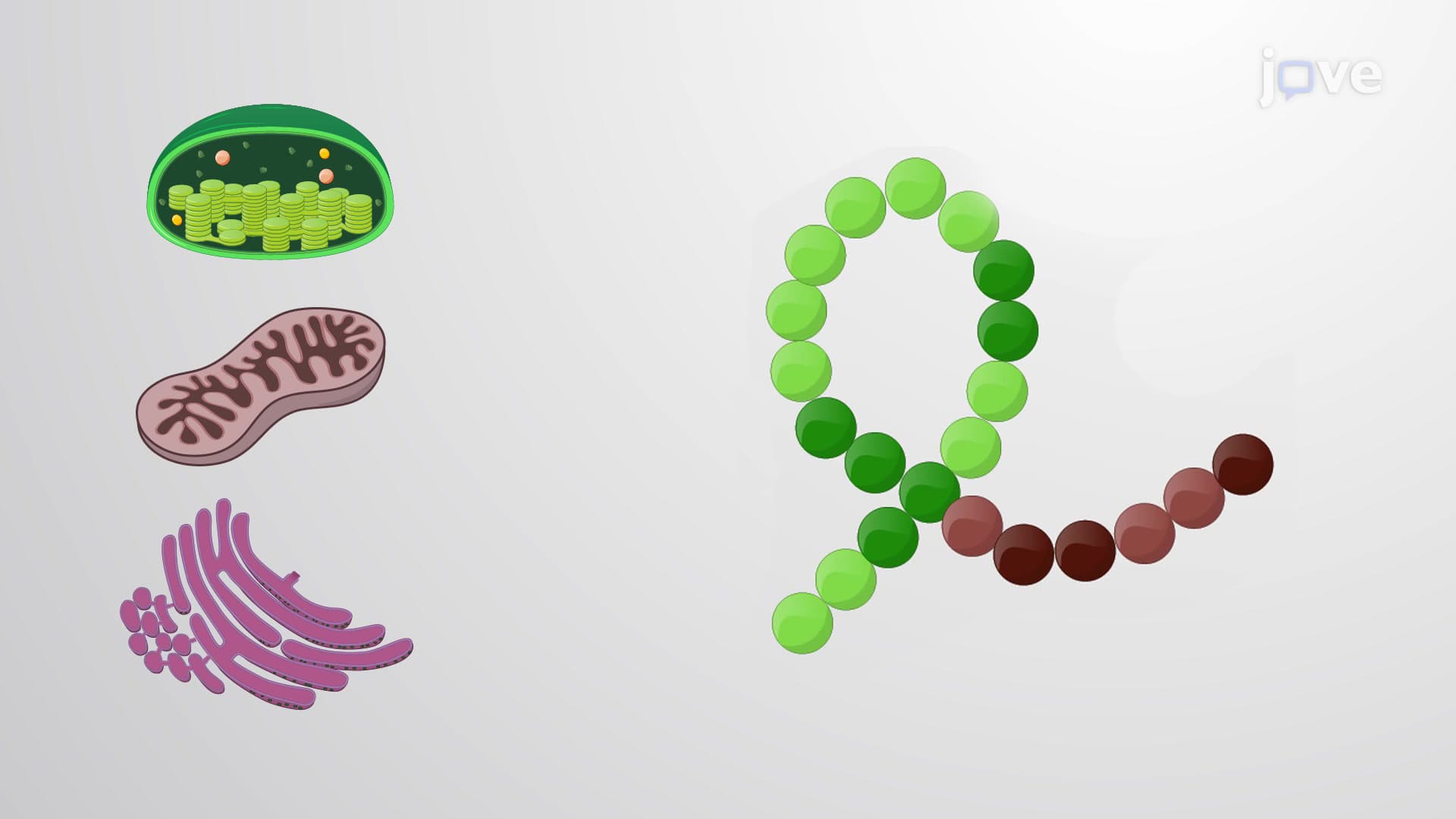
Directing proteins to the rough endoplasmic reticulum represents one of biology's most elegant quality control systems. Unlike a conventional mailing system, cells use molecular signals embedded within proteins themselves to determine their final destinations. This process ensures that secretory proteins, membrane proteins, and ER-resident proteins reach their correct cellular locations with remarkable precision.
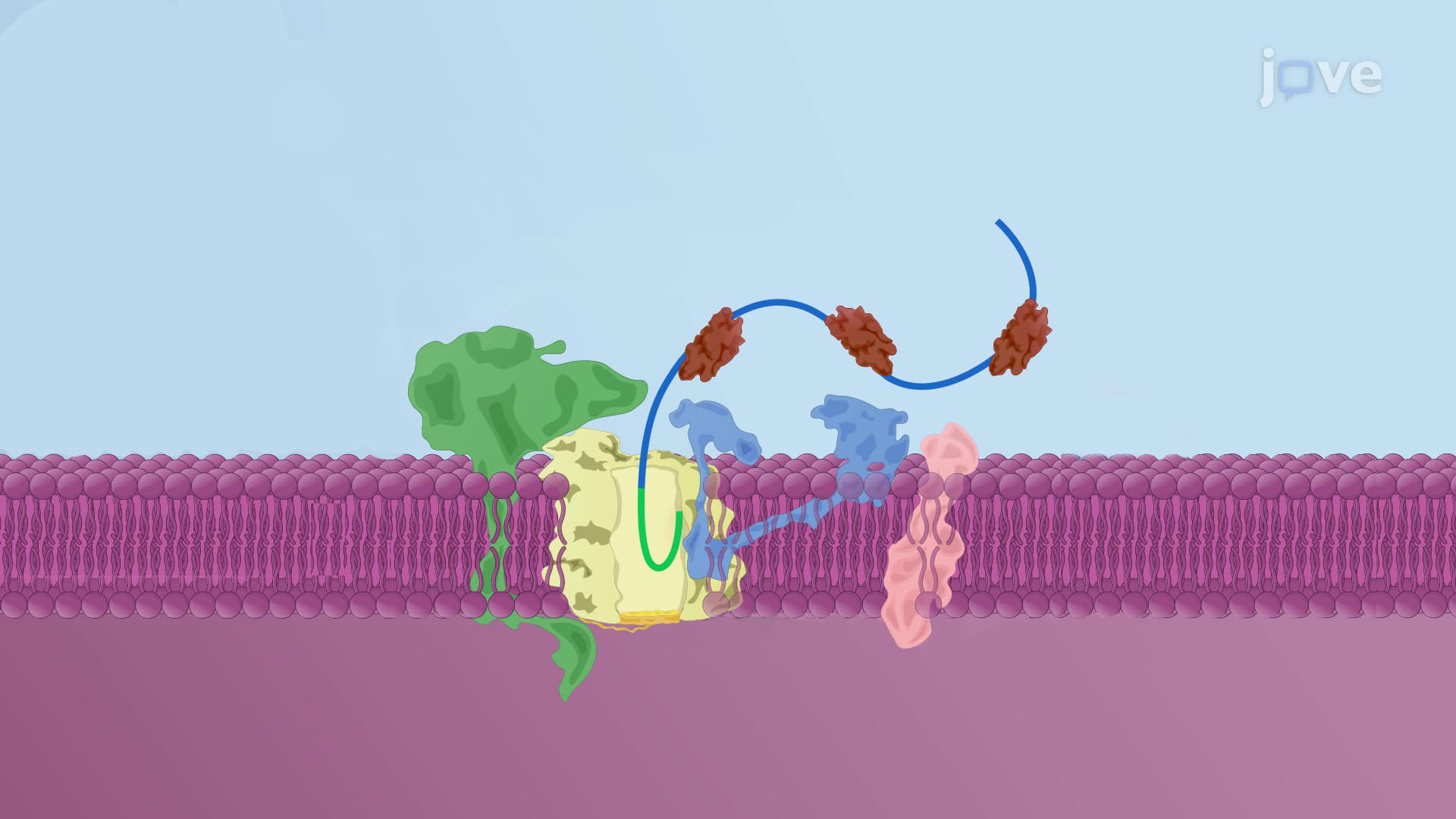
The signal recognition particle (SRP) functions as the cell's premier escort service for ER-destined proteins. This ribonucleoprotein complex consists of six proteins and one RNA molecule, forming a distinctive ladle-shaped structure that recognizes hydrophobic signal sequences. When a ribosome begins translating an ER-targeted protein, the emerging signal sequence immediately attracts SRP binding, much like how emergency responders respond to specific radio frequencies.
The SRP's sophisticated design includes three functional domains: a signal sequence binding pocket, a translation pause domain, and a GTP-binding regulatory region. The translation pause mechanism is particularly crucial-it temporarily halts protein synthesis to prevent premature folding or mislocalization. This pause-and-dock strategy ensures proteins reach their destination before completing synthesis, similar to how UPS drivers verify addresses before final delivery.
Once the SRP-ribosome complex forms, it undergoes conformational changes that expose a receptor binding site. This molecular shape-shifting enables the complex to locate and dock with SRP receptors embedded in the rough ER membrane. The entire process depends on GTP hydrolysis for energy, functioning like a molecular fuel system that powers each targeting cycle.
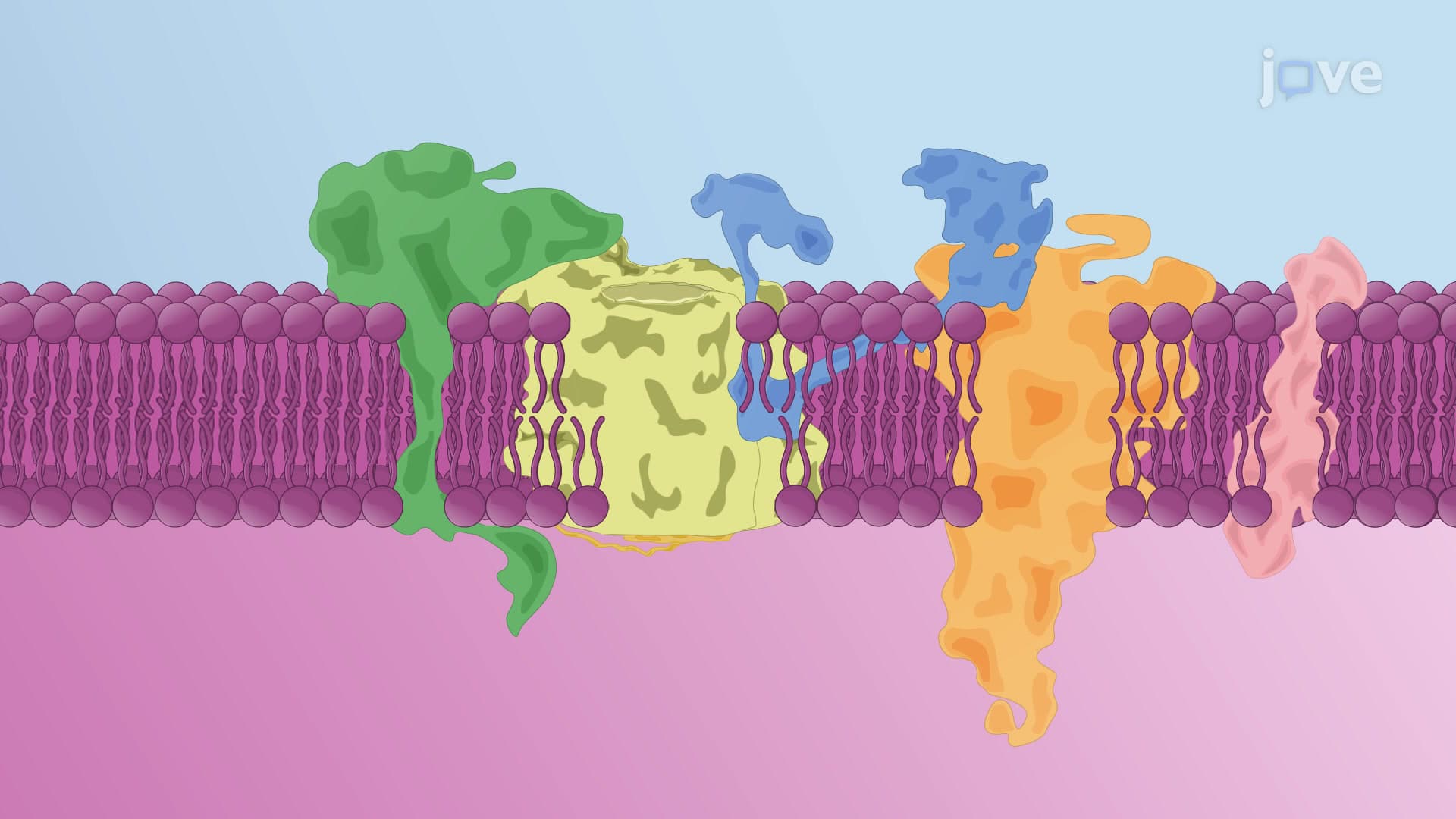
The final transfer to translocon channels represents the culmination of this targeting process. Translocons serve as protein-conducting channels that allow nascent polypeptides to enter the ER lumen or integrate into the membrane. This handoff mechanism ensures seamless protein delivery while recycling SRP components for subsequent rounds of protein targeting.
Understanding this mechanism has revolutionized biotechnology and pharmaceutical manufacturing. Companies like Genentech and Amgen exploit these natural targeting pathways to produce therapeutic proteins in engineered cell lines. When students encounter this topic on AP Biology exams or college biochemistry courses, they should focus on the sequential nature of the process and the energy requirements at each step. MCAT preparation particularly emphasizes the GTP-dependent regulation and the consequences of signal sequence mutations in genetic diseases like cystic fibrosis.
Related Micro-courses