Loading video…


 20 Concepts
 158.1K views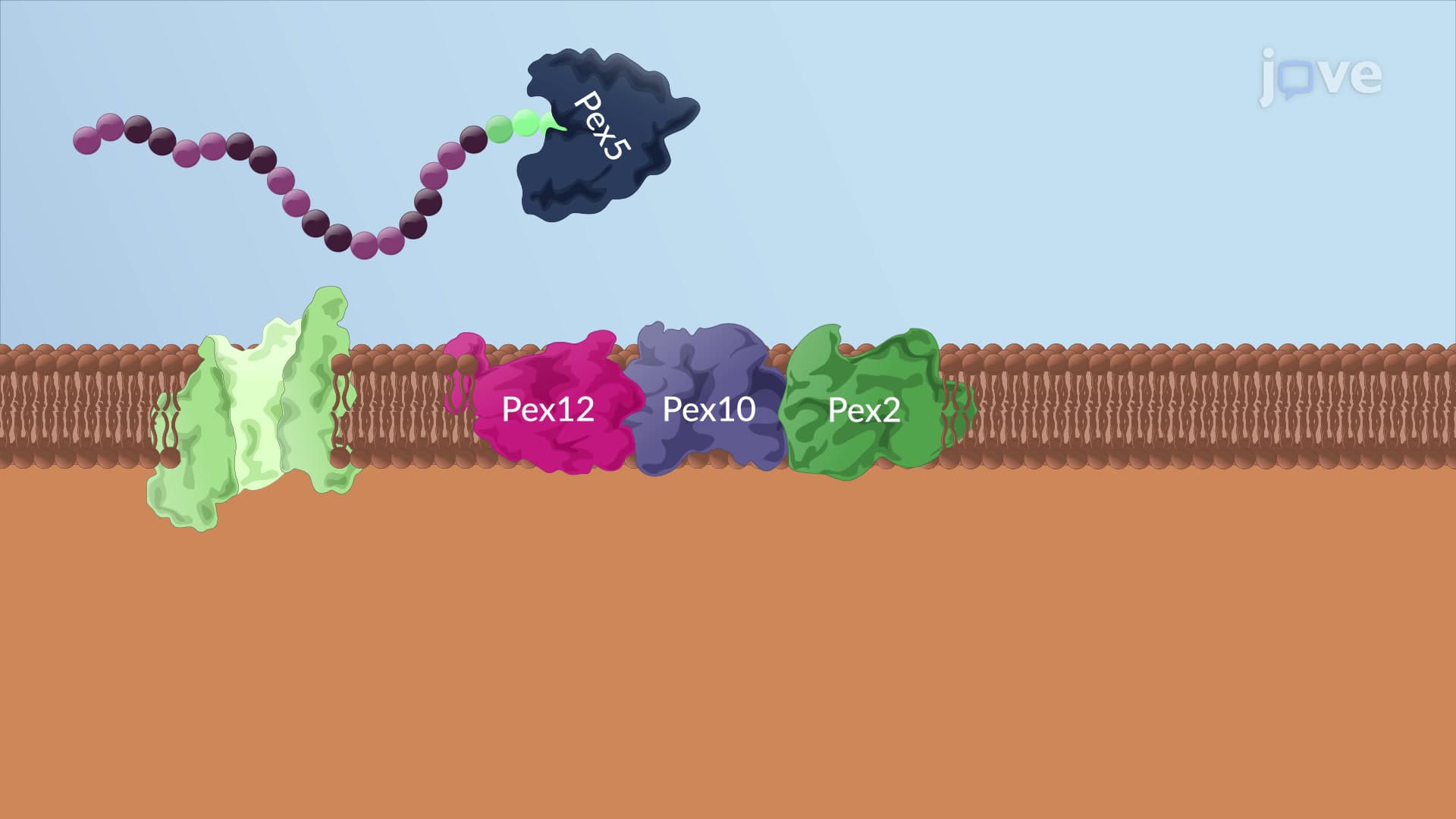

Video Summary: Protein Import Into the Peroxisomes Explained
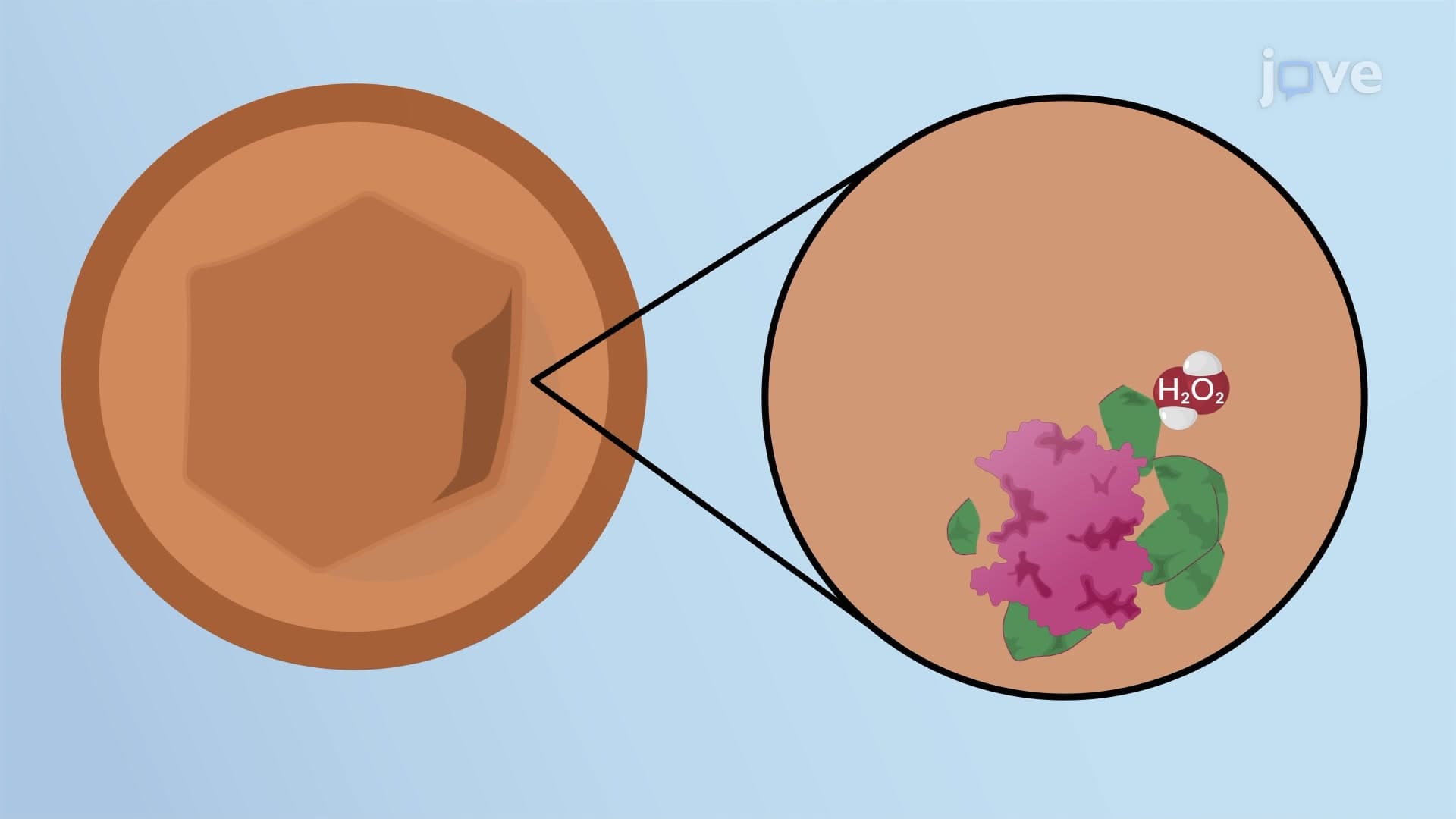
Did you know that peroxisomes can't make their own proteins, yet they house crucial enzymes like catalase that detoxify harmful substances in your liver cells? Protein import into the peroxisomes is a sophisticated cellular process where proteins synthesized in the cytosol are transported into these organelles via specialized targeting sequences and receptor proteins called peroxins. This mechanism is essential for detoxification processes in human hepatocytes and other metabolically active cells. Watch the full video on JoVE Coach to master this concept with expert-led visuals and step-by-step explanations.
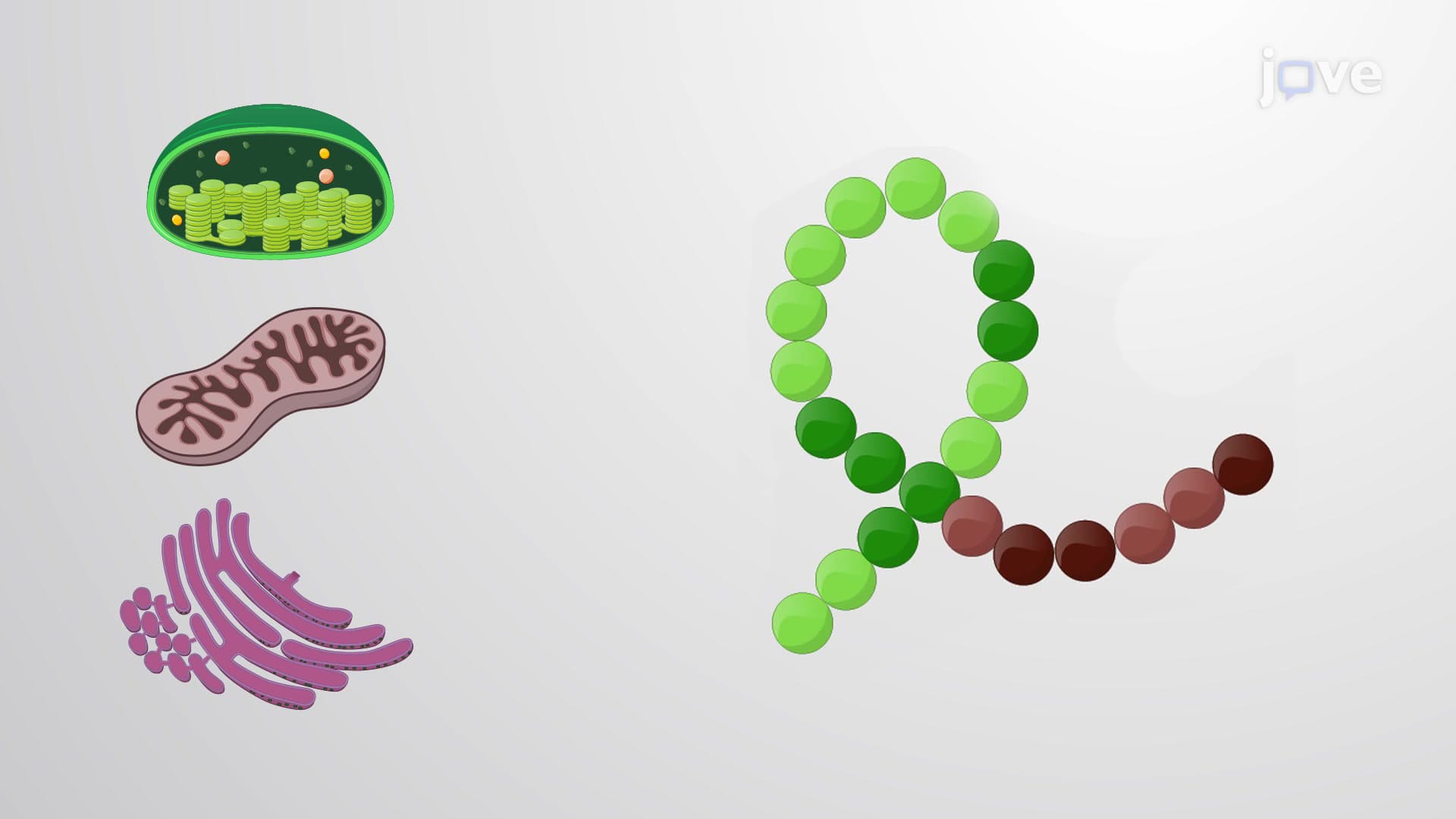
Unlike mitochondria and chloroplasts, peroxisomes lack their own DNA and ribosomes, making them entirely dependent on protein import into the peroxisomes from the cytosol. This unique characteristic makes peroxisomal protein targeting one of the most studied transport mechanisms in cell biology, frequently appearing on AP Biology exams and college biochemistry courses.
Peroxisomal proteins contain specific targeting sequences that act like molecular ZIP codes. The most common is PTS1 (Peroxisomal Targeting Sequence 1), typically found at the C-terminus and consisting of the tripeptide serine-lysine-leucine (SKL). For example, human catalase, the enzyme responsible for breaking down hydrogen peroxide in liver cells, contains this crucial PTS1 signal. PTS2 sequences, found at the N-terminus, are less common but equally important for targeting specific enzymes involved in fatty acid metabolism.
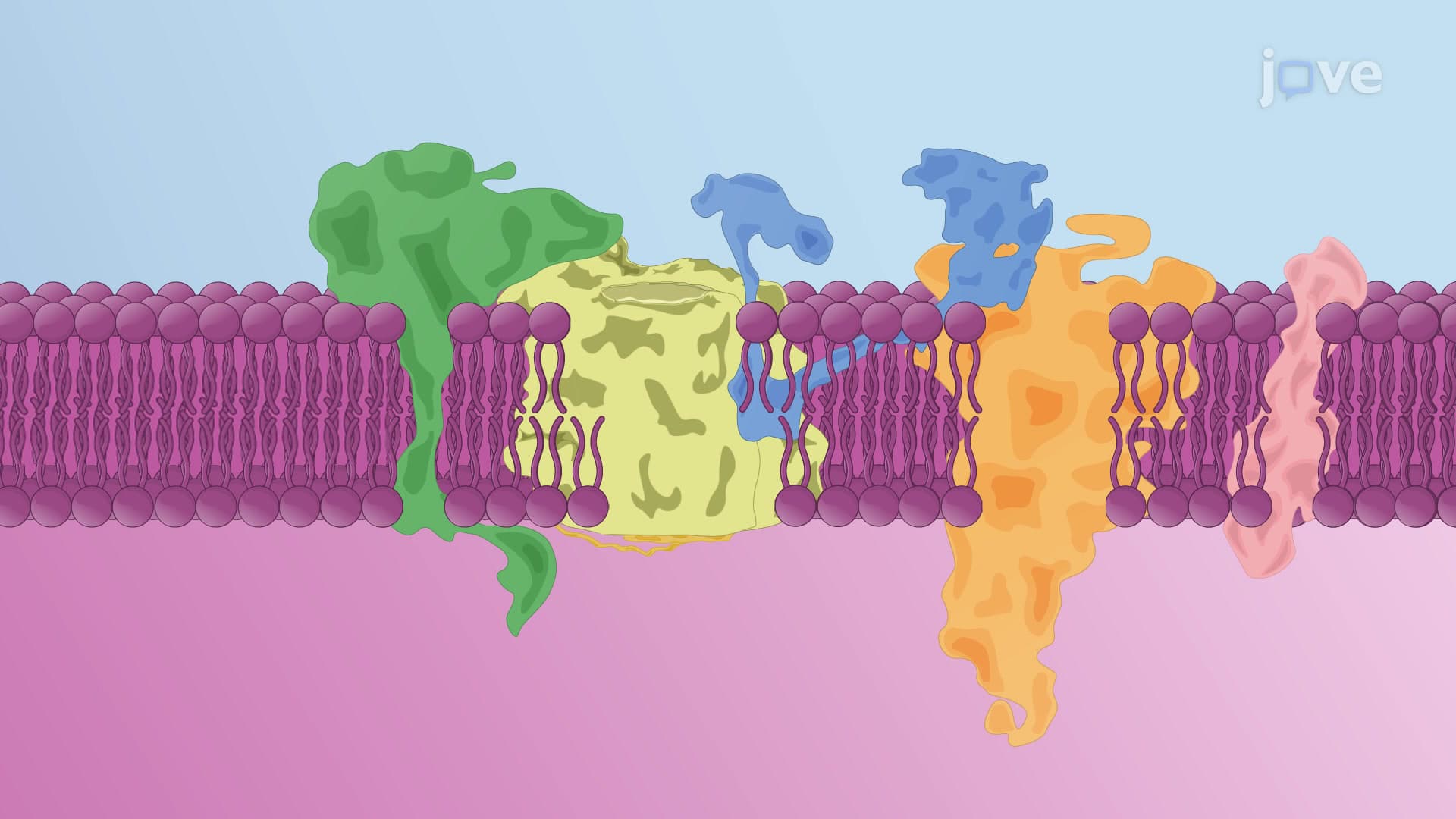
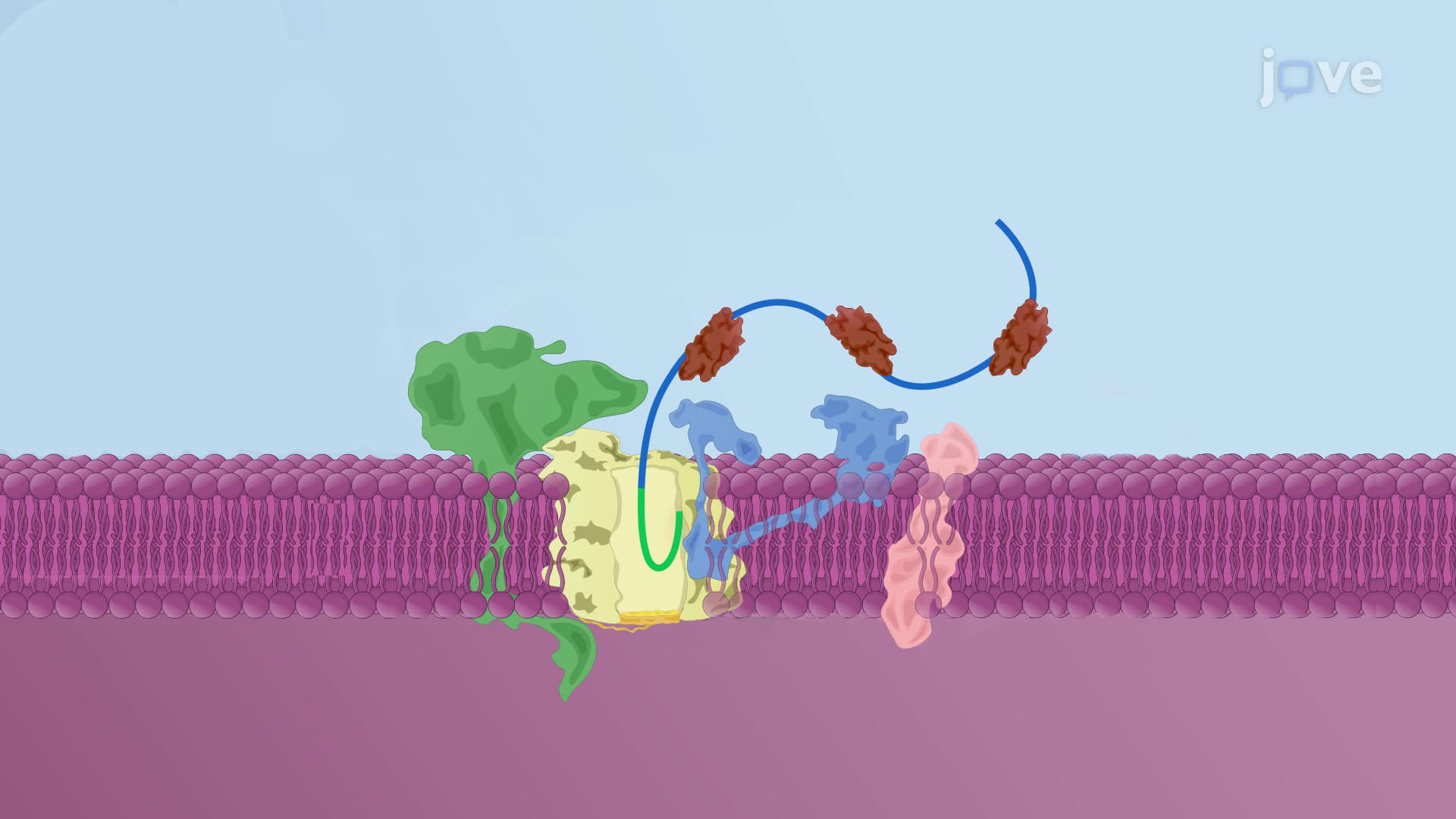
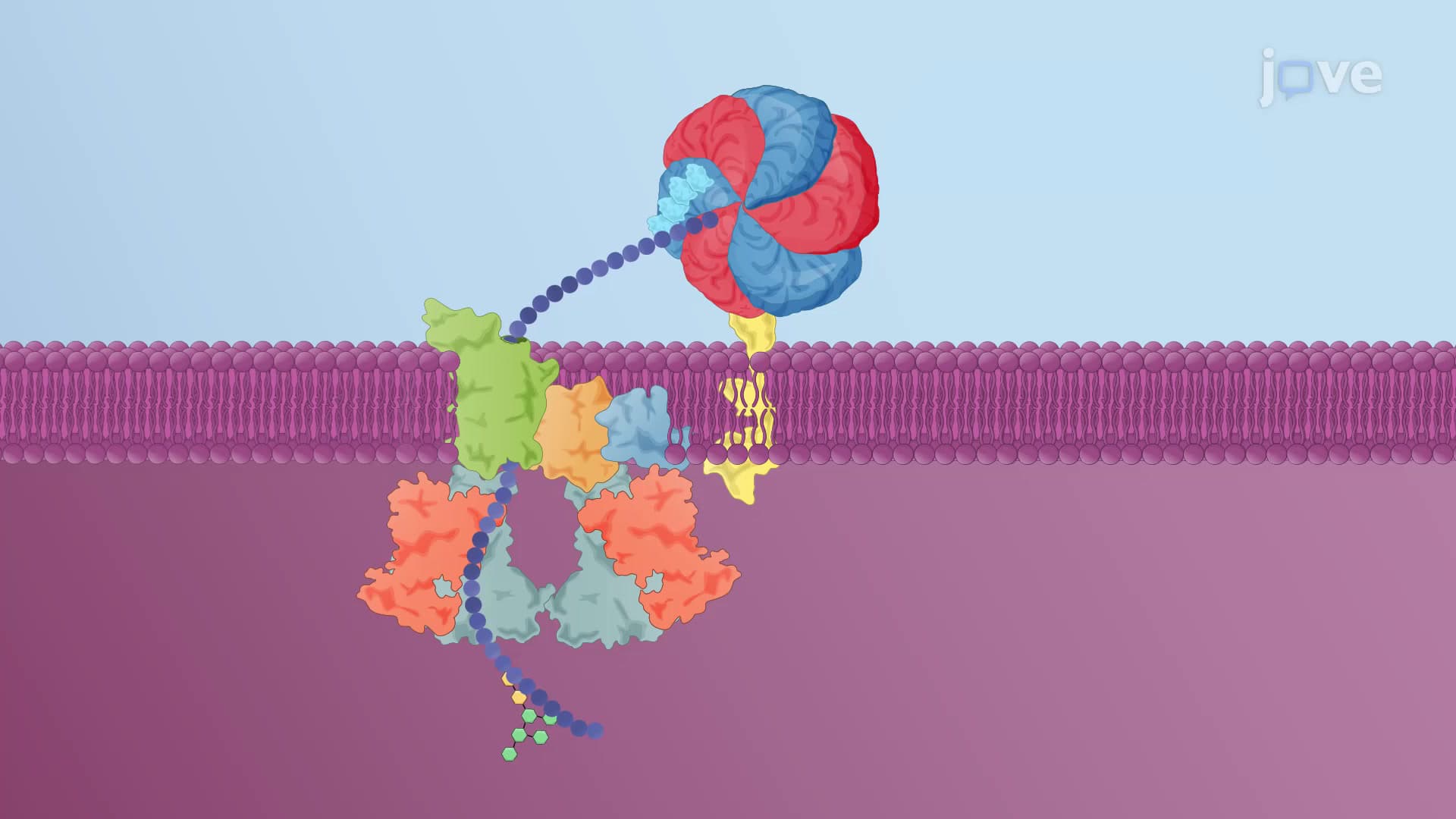
The actual transport process involves a sophisticated family of proteins called peroxins (Pex proteins). When catalase is synthesized in the cytosol of a human hepatocyte, the Pex5 receptor immediately recognizes its PTS1 signal. This receptor-cargo complex then docks with Pex14, a membrane-bound translocator protein that forms part of the peroxisomal import machinery. This docking creates a transient pore allowing the protein to pass through the peroxisomal membrane while maintaining the organelle's structural integrity.
After successful protein delivery, the system must reset for the next import cycle. The Pex5 receptor undergoes ubiquitination by a membrane complex containing Pex2, Pex10, and Pex12. This modification signals for receptor extraction by the Pex1-Pex6 ATPase complex, which uses ATP energy to pull Pex5 back into the cytosol. Deubiquitinating enzymes then remove the ubiquitin tag, regenerating active Pex5 for another round of protein import. This recycling mechanism is crucial-defects in this process cause severe human diseases like Zellweger syndrome, making it a common topic in MCAT biochemistry sections and medical school pathology courses.
Related Micro-courses