Loading video…


 20 Concepts
 158.1K views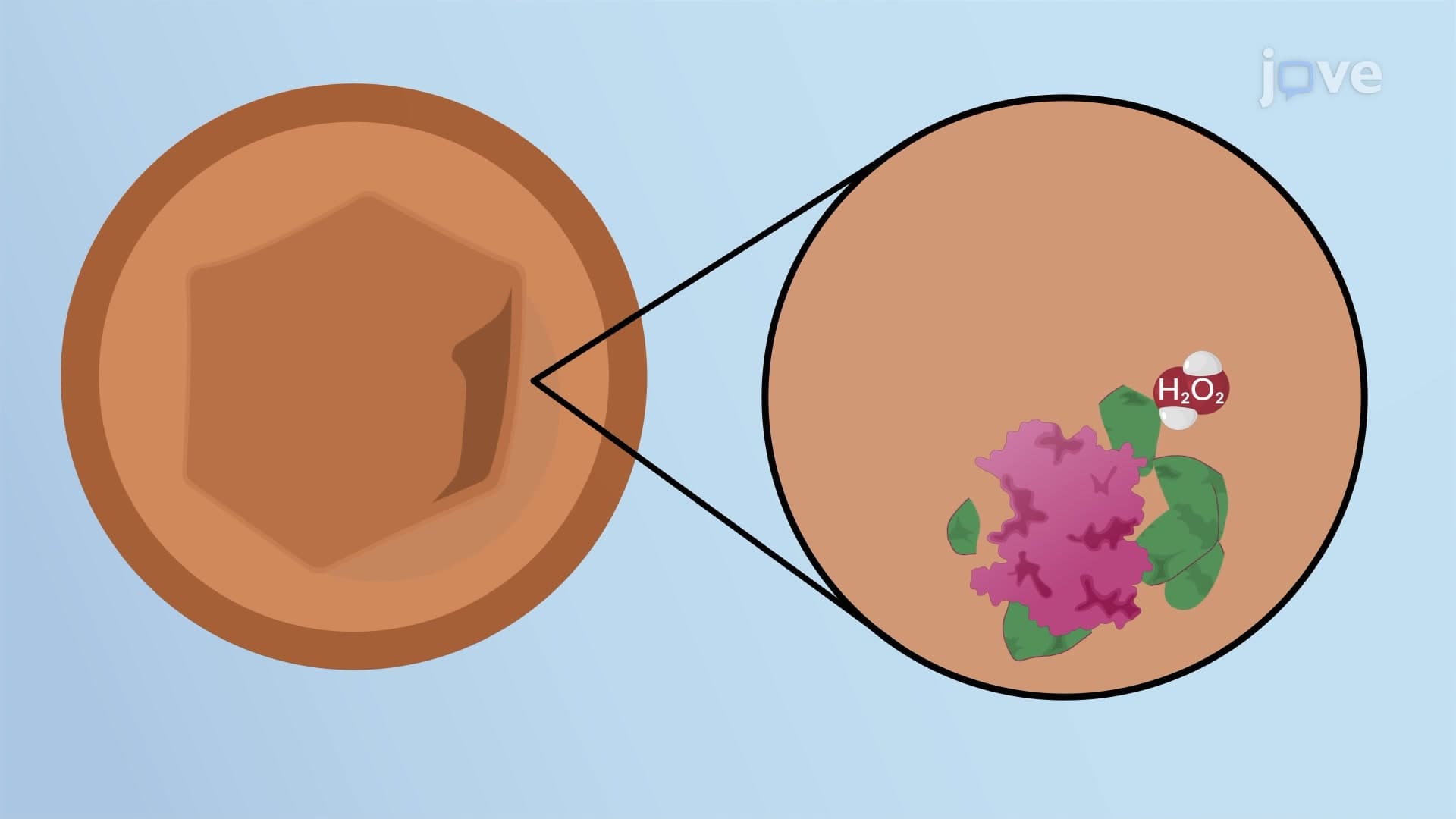

Video Summary: What are Peroxisomes
Ever wonder how your liver cells detoxify alcohol while your fat cells break down stored lipids simultaneously? Peroxisomes explained biology reveals these tiny cellular powerhouses contain specialized enzymes that perform critical oxidation reactions in eukaryotic cells. Unlike other organelles, peroxisomes in kidney cells are fewer but larger compared to the numerous small ones found in fat tissue, demonstrating remarkable cellular adaptability. What are peroxisomes becomes clear when examining their dual role in both destroying harmful substances and synthesizing essential molecules like cholesterol. Watch the full video on JoVE Coach to master this concept with expert-led visuals and step-by-step explanations.
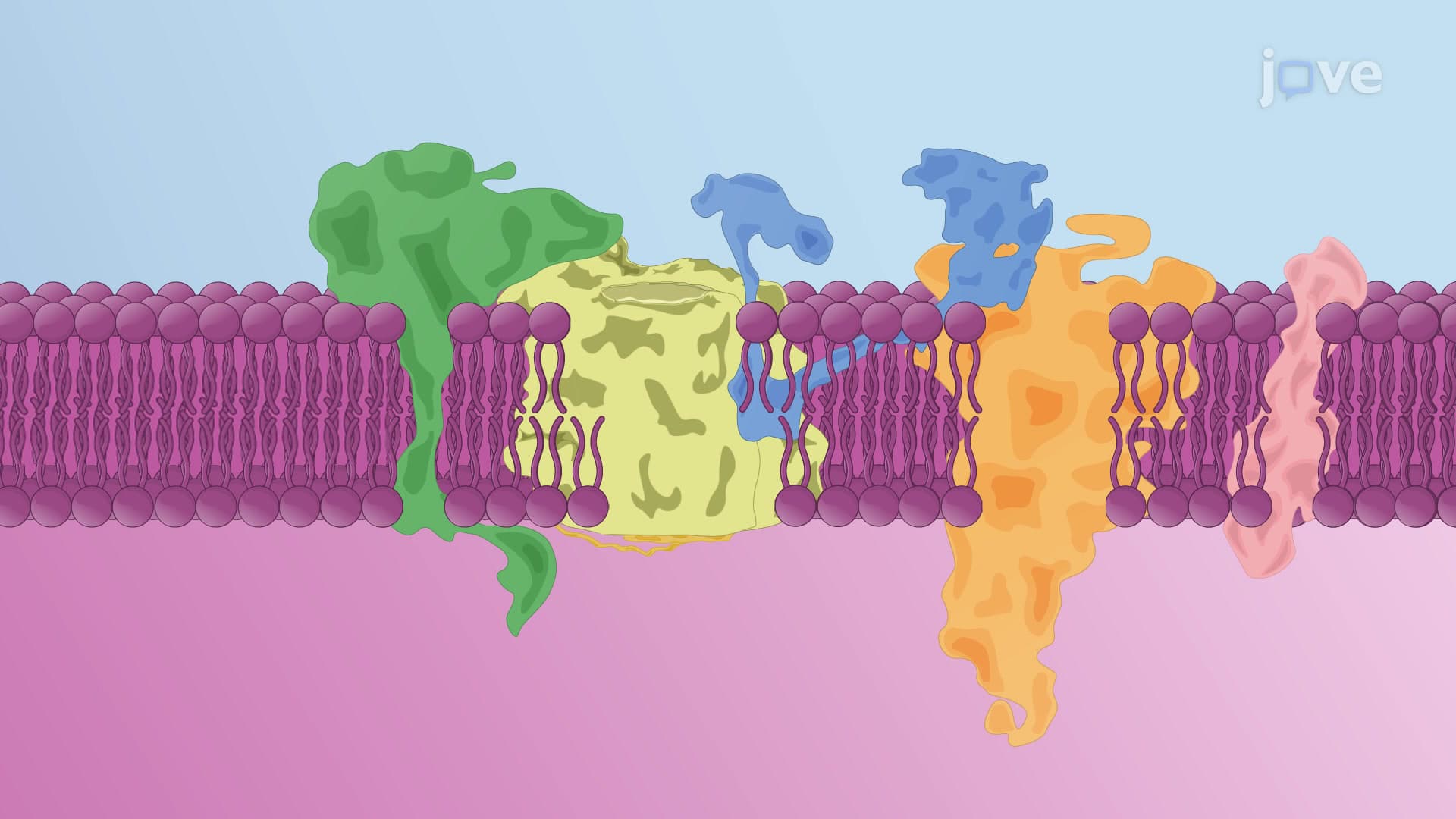
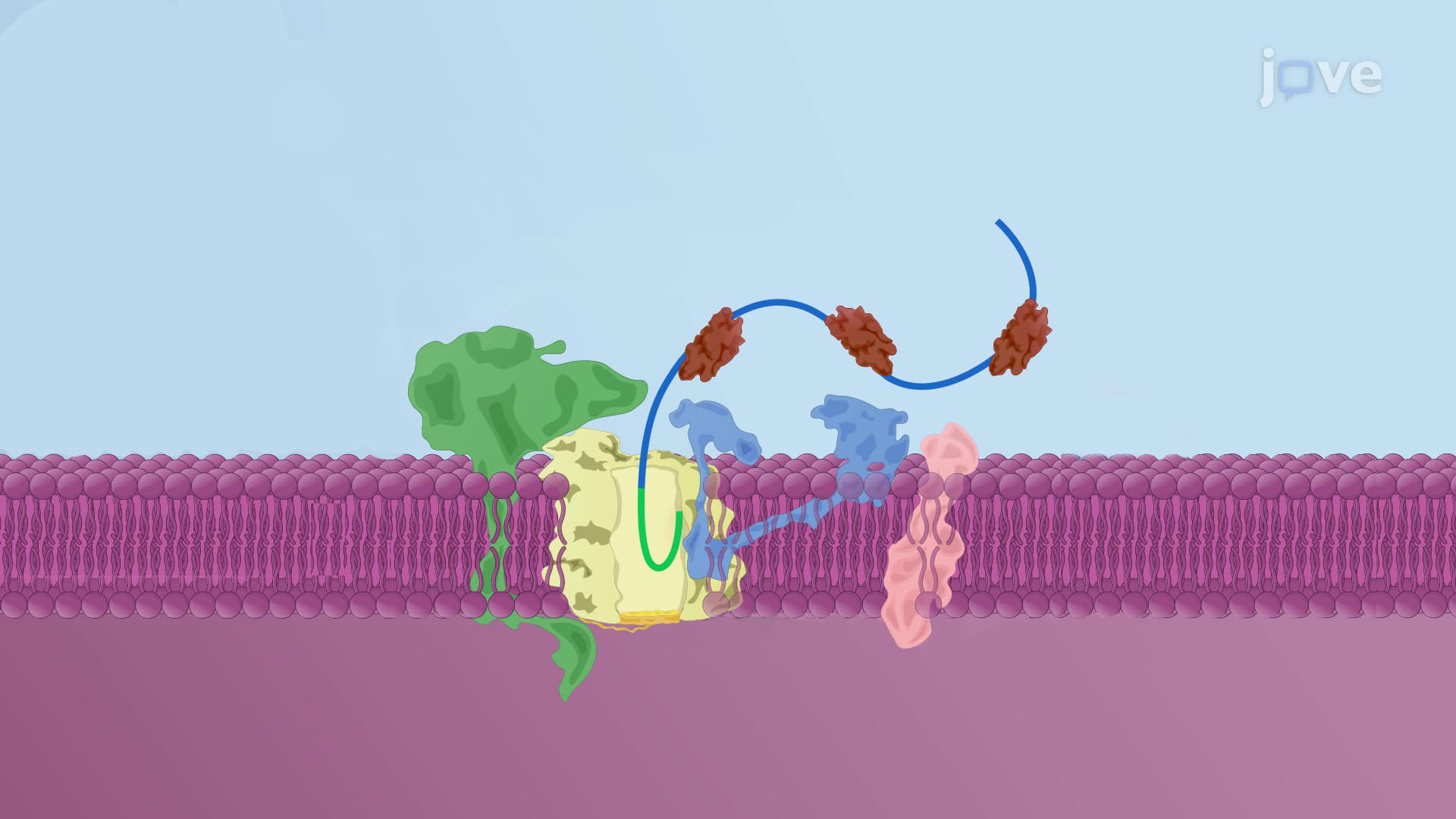
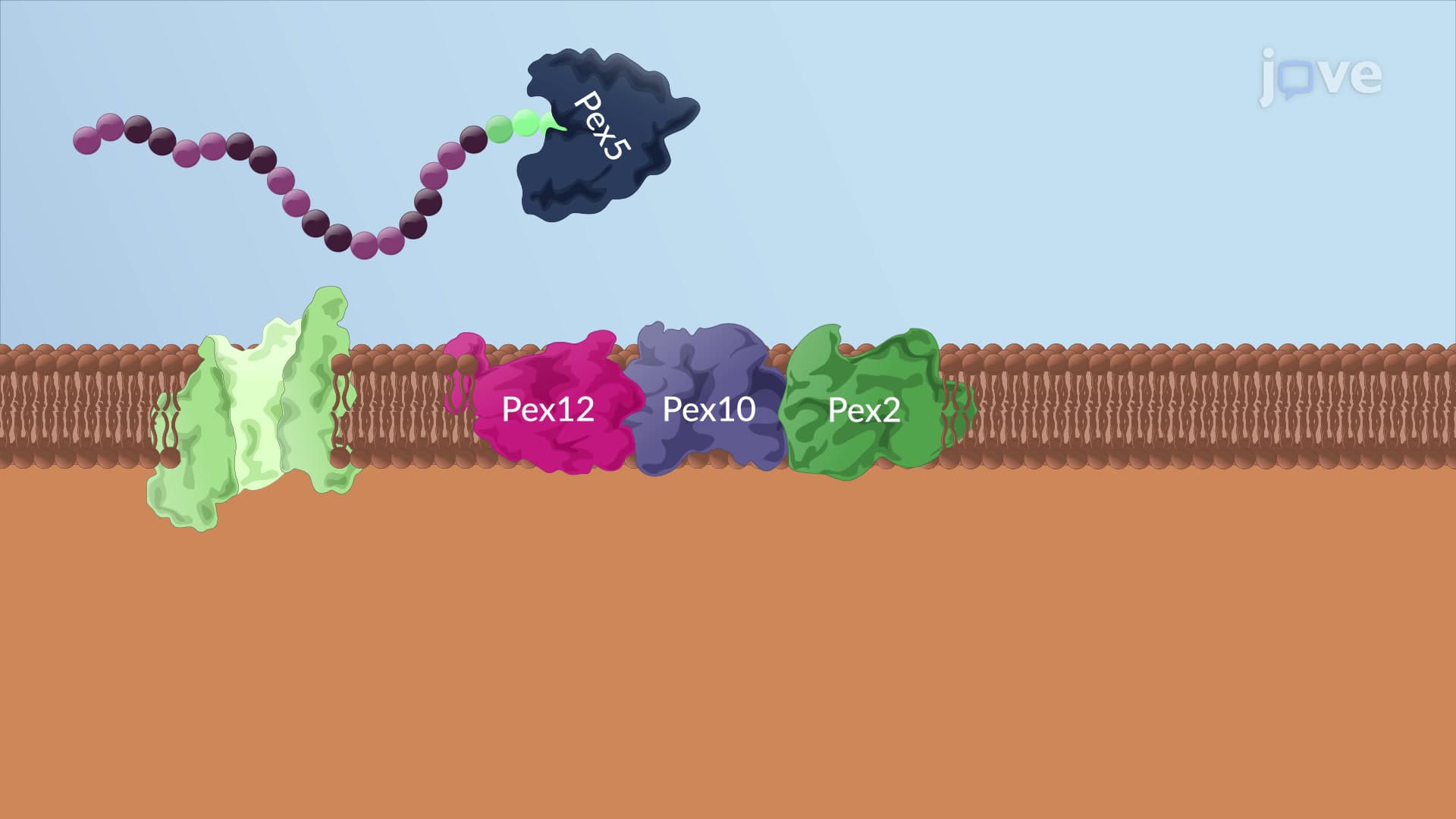
Peroxisomes represent one of the most metabolically diverse organelles in eukaryotic cells, characterized by their single membrane boundary and dense protein matrix. Unlike mitochondria or chloroplasts, peroxisomes lack DNA and ribosomes, making them entirely dependent on cytosolic protein import for their enzymatic machinery. The peroxisomal membrane contains specialized translocon complexes that recognize specific targeting signals (PTS1 and PTS2) on newly synthesized proteins, allowing selective import of over 50 different enzymes.
The morphological diversity of peroxisomes reflects their specialized functions across tissues. Hepatocytes contain approximately 200-300 peroxisomes per cell, optimized for detoxification processes crucial during MCAT biochemistry sections. In contrast, kidney proximal tubule cells feature fewer but substantially larger peroxisomes, reflecting their role in fatty acid oxidation. This variability appears frequently in AP Biology exam questions testing organelle structure-function relationships.
The defining characteristic of peroxisome function cell biology centers on oxidative reactions utilizing molecular oxygen. Peroxisomal enzymes catalyze the oxidation of various substrates, including very long-chain fatty acids, branched-chain fatty acids, and amino acids, invariably producing hydrogen peroxide as a byproduct. This oxidative capacity makes peroxisomes essential for fatty acid beta oxidation peroxisome pathways, particularly for fatty acids longer than 22 carbons that cannot be processed by mitochondria.
Catalase peroxisome activity represents a critical protective mechanism, rapidly decomposing hydrogen peroxide into water and oxygen through the reaction: 2H₂O₂ → 2H₂O + O₂. This enzyme's efficiency prevents cellular damage from reactive oxygen species, a concept frequently tested in college biochemistry courses and USMLE Step 1 examinations.
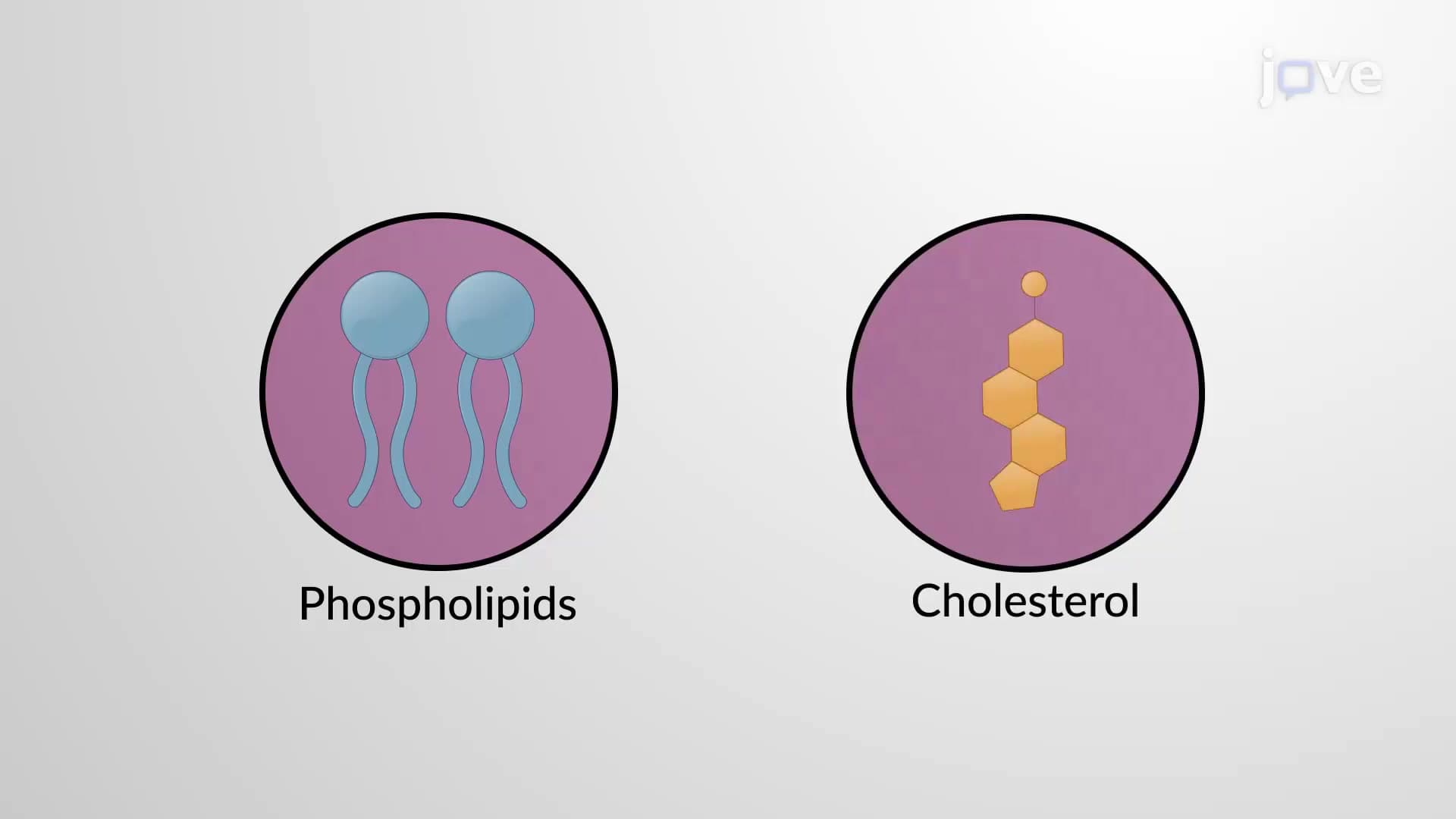
Beyond their catabolic roles, peroxisomes synthesize essential biomolecules including plasmalogens, cholesterol precursors, and bile acids. The initial steps of cholesterol biosynthesis occur in peroxisomes before completion in the endoplasmic reticulum, highlighting the interconnected nature of cellular metabolism. Peroxisome detoxification capabilities extend to alcohol metabolism in liver cells, where they complement cytochrome P450 systems.
Peroxisomal disorders, such as Zellweger syndrome, demonstrate the clinical importance of these organelles. These genetic conditions, often discussed in medical school pathology courses, result from defects in peroxisome biogenesis or specific enzyme deficiencies, leading to developmental abnormalities and metabolic dysfunction.
Related Micro-courses