Loading video…


 20 Concepts
 158.1K views


Video Summary: What Is Assembly Lipid Bilayer
Every cell in your body-from neurons firing in your brain to muscle cells contracting in your heart-depends on assembly lipid bilayer formation to maintain life. The assembly lipid bilayer process occurs primarily in the endoplasmic reticulum, where specialized enzymes and calcium-dependent scramblases work together to create the fundamental membrane structures that surround organelles like those found in liver cells processing medications. Watch the full video on JoVE Coach to master this concept with expert-led visuals and step-by-step explanations.
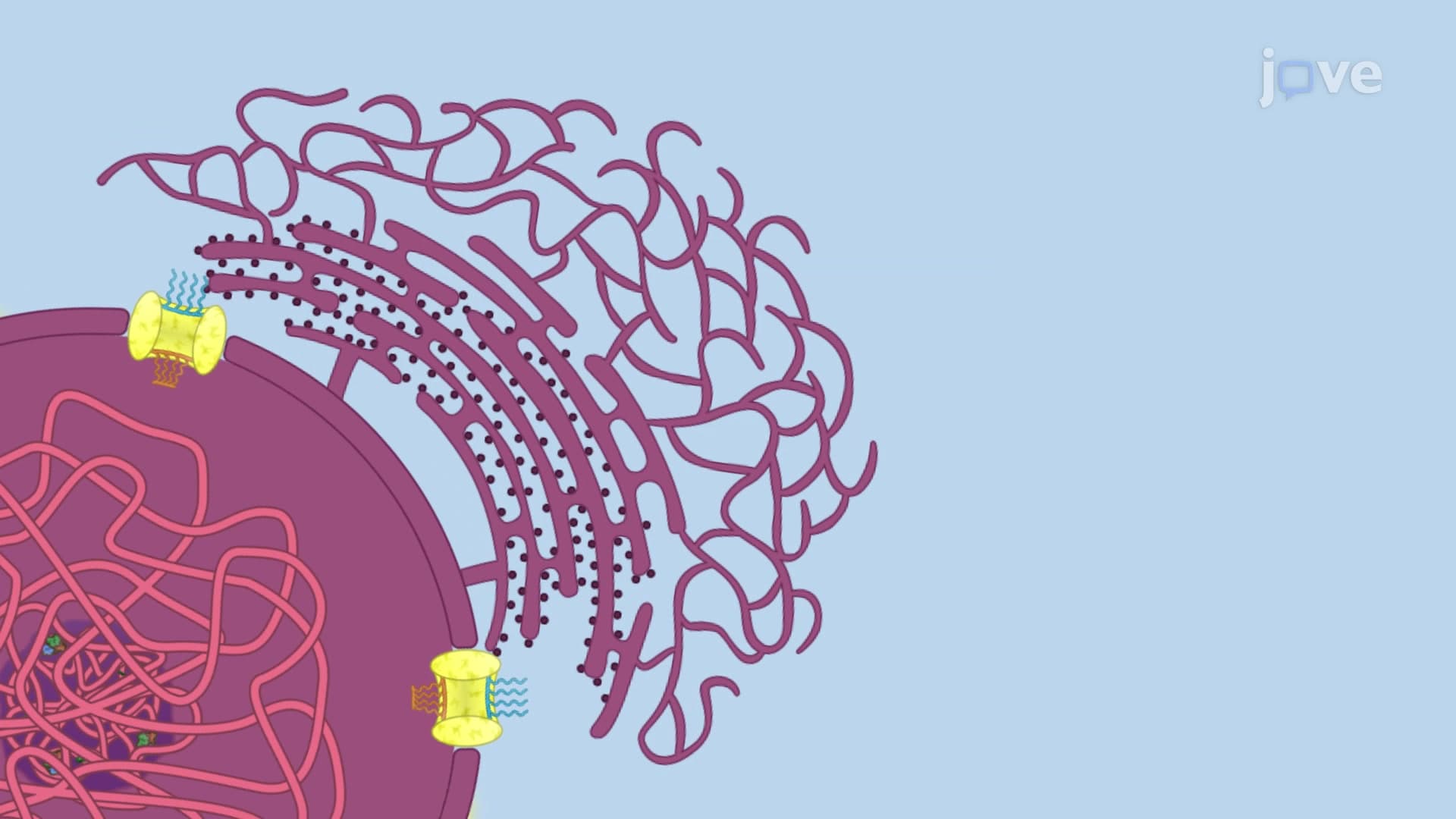
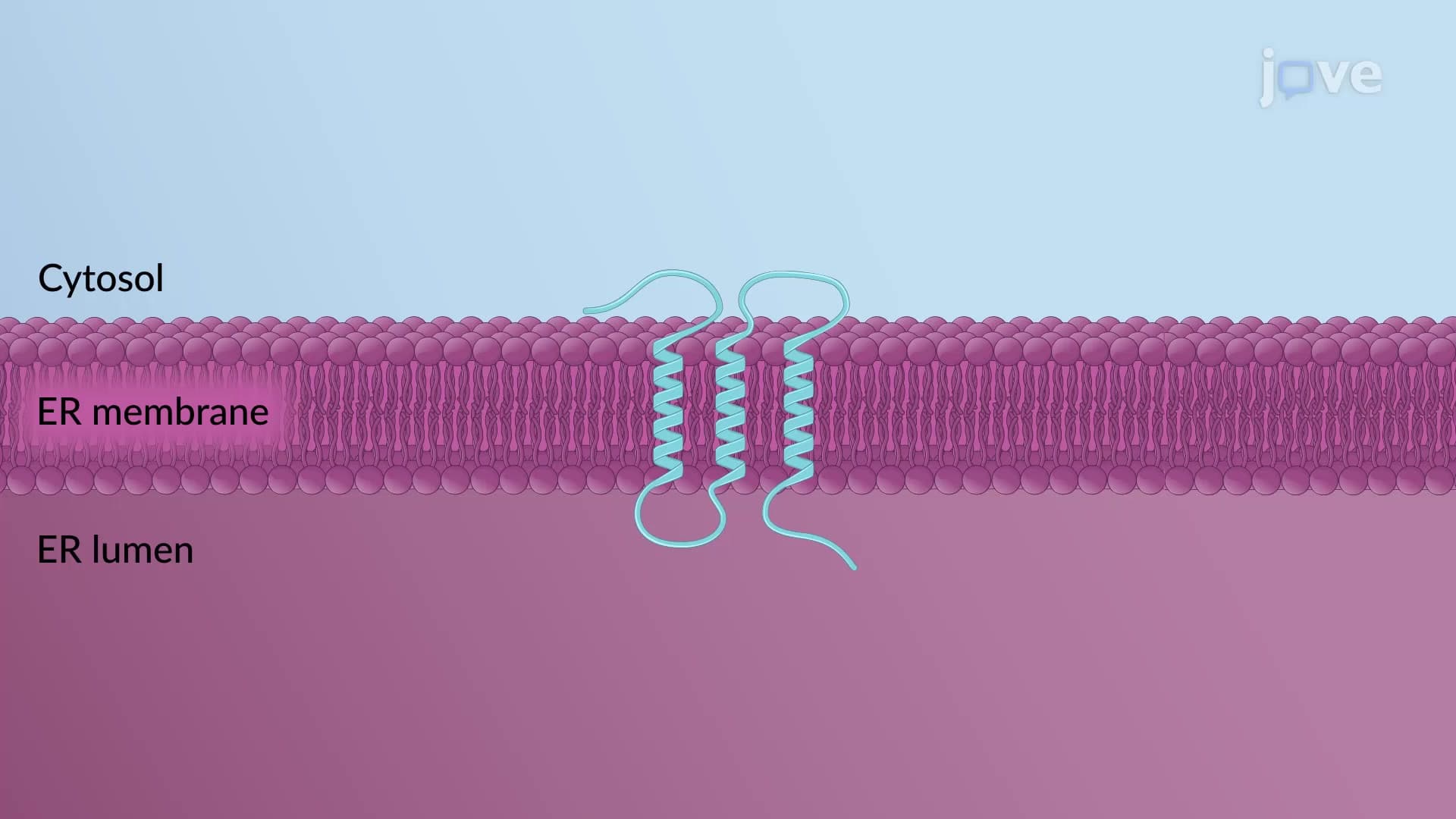
The assembly lipid bilayer represents one of cell biology's most sophisticated manufacturing processes, occurring primarily within the endoplasmic reticulum (ER). This intricate system creates the fundamental membrane structures that define cellular compartments, from the nuclear envelope surrounding DNA in a Harvard researcher's brain cell to the mitochondrial membranes powering muscle contractions in an Olympic athlete.
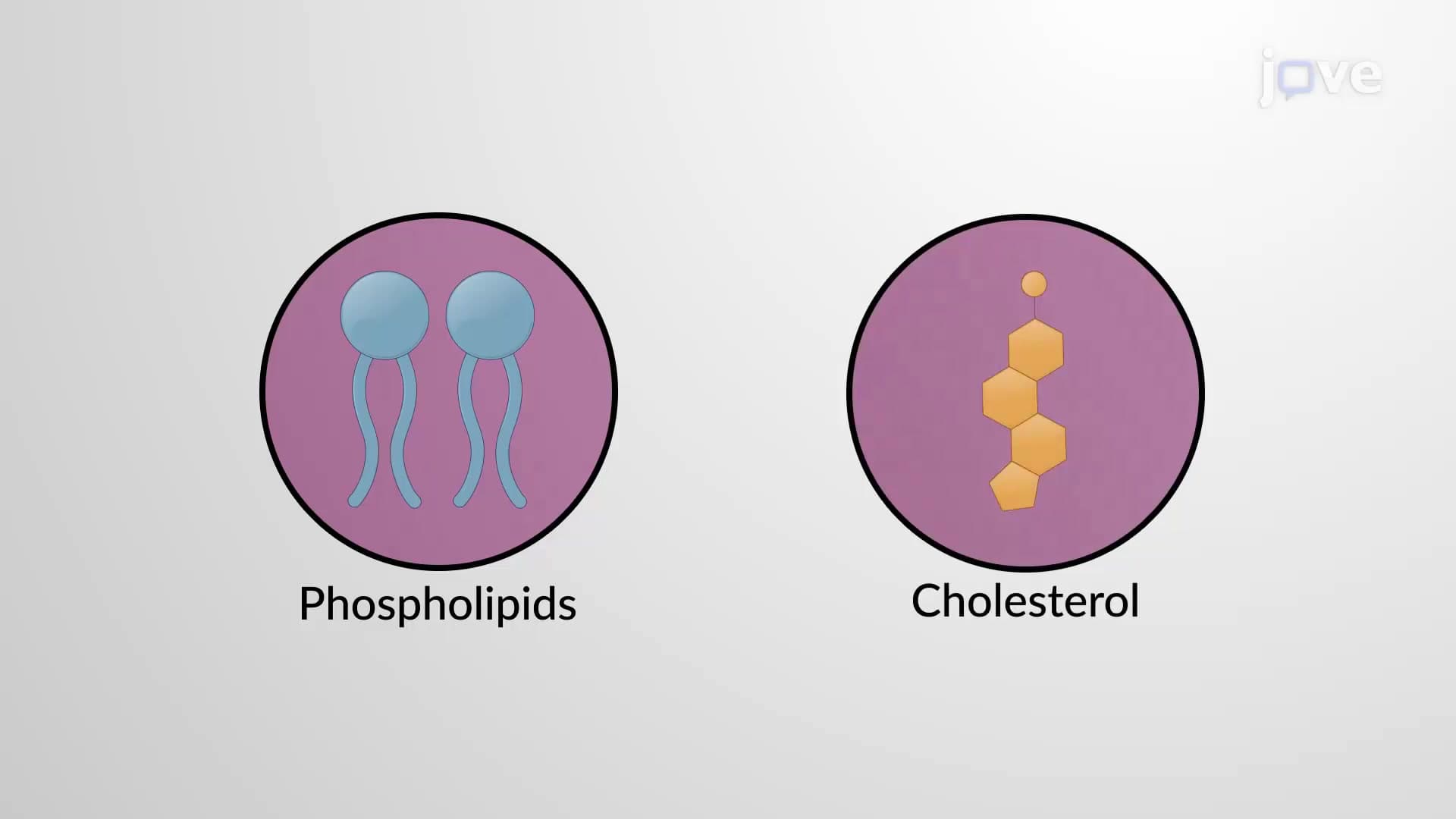
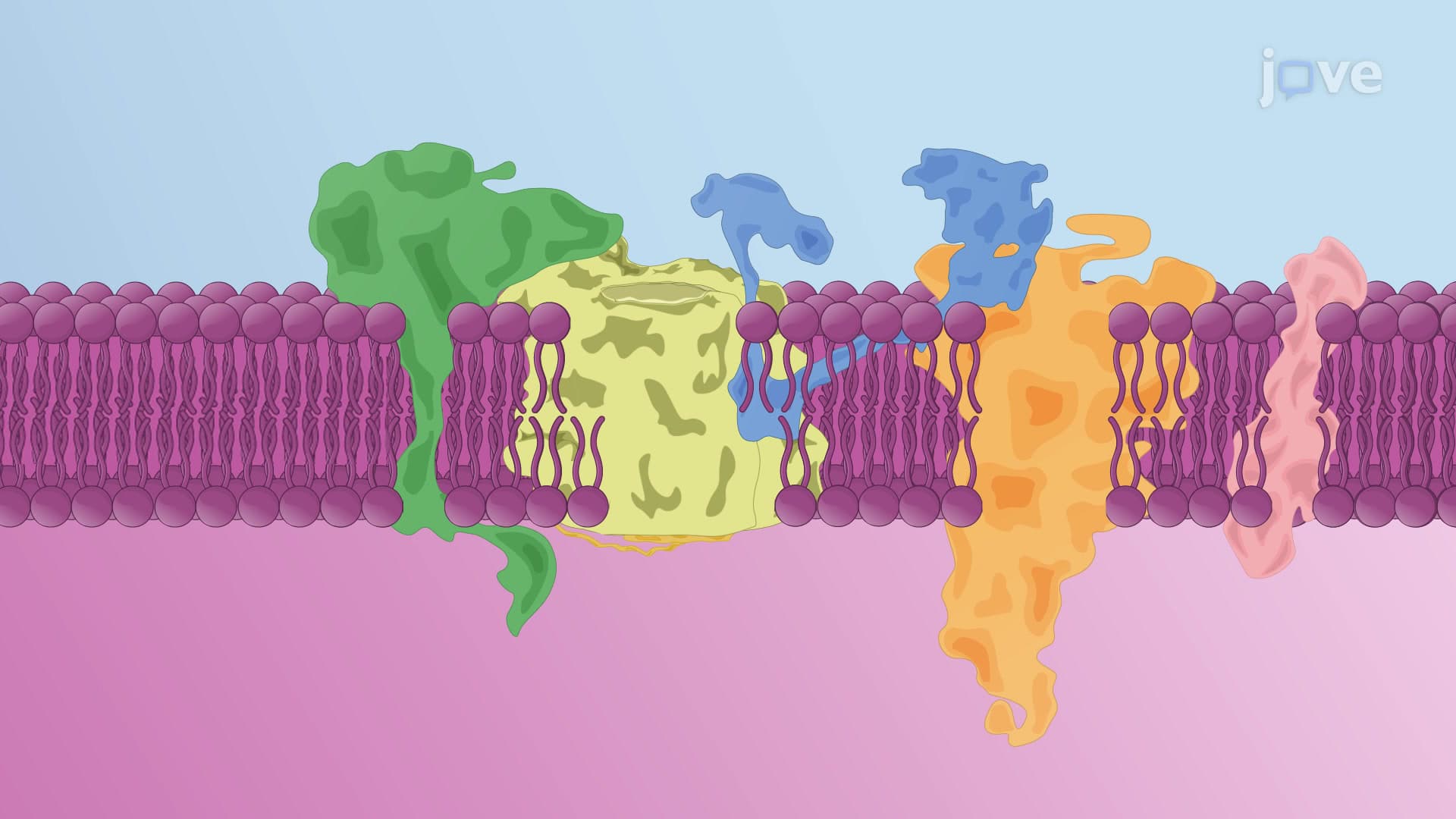
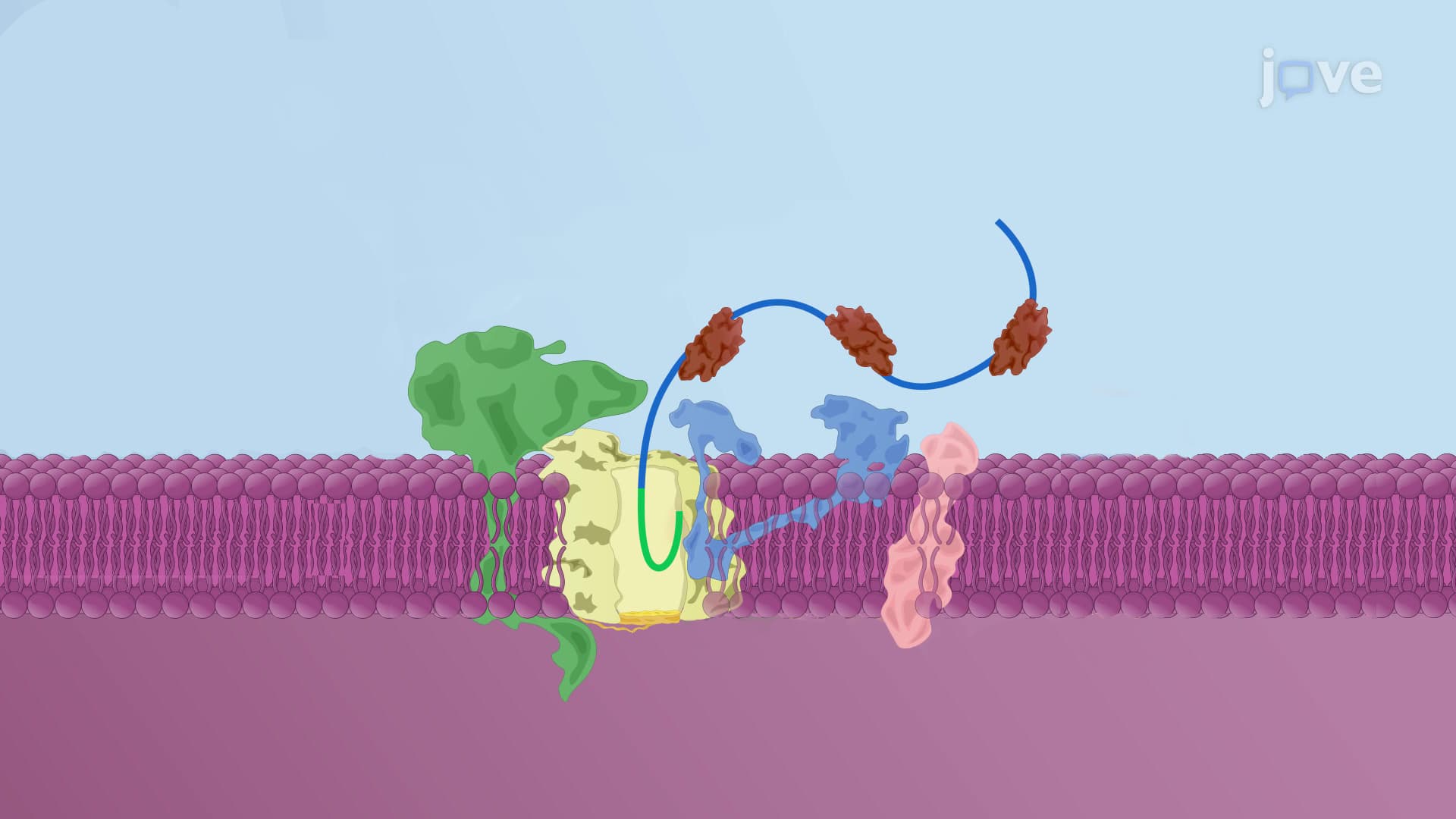
The assembly process begins with ER-embedded enzymes that synthesize phospholipids and cholesterol-the primary building blocks of cellular membranes. These enzymes strategically insert newly formed phospholipids into the cytoplasmic leaflet of the ER membrane, creating an asymmetric expansion that initially destabilizes the bilayer structure. This asymmetry would be catastrophic without corrective mechanisms, as it would lead to membrane rupture and cellular death.
ER scramblases serve as the quality control system for assembly lipid bilayer formation. These calcium-dependent proteins detect membrane asymmetry and respond by binding cytosolic calcium ions, which triggers a conformational change that opens hydrophilic grooves. Through these grooves, scramblases transport polar phospholipid head groups-including choline, serine, and ethanolamine varieties-from one membrane leaflet to another. This bidirectional transport capability allows scramblases to maintain optimal membrane composition while supporting continued growth.
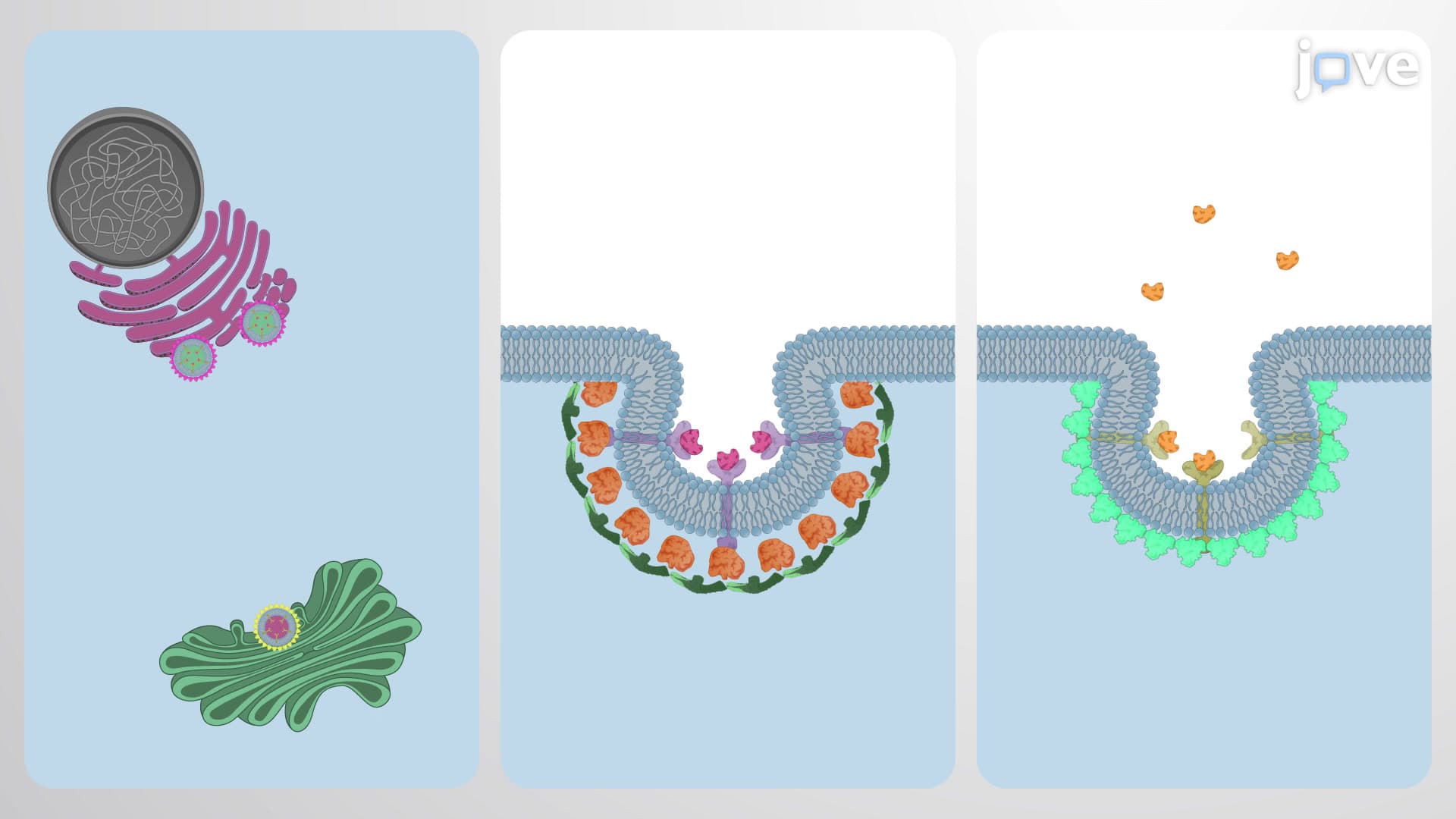
The assembly lipid bilayer produced in the ER exhibits unique characteristics optimized for its cellular roles. These membranes are notably thin, fluid, and phospholipid-rich, properties essential for vesicular transport and continued lipid synthesis. As membrane components travel through the endomembrane system to destinations like the Golgi apparatus or plasma membrane, they undergo composition modifications that adapt them to their final cellular locations.
Students preparing for AP Biology or college biochemistry courses should understand that this process exemplifies cellular efficiency and regulation. The same principles governing ER membrane assembly apply to understanding drug metabolism in liver cells, neurotransmitter release in synapses, and hormone secretion in endocrine tissues-making this concept fundamental to advanced biological studies and medical applications.
Related Micro-courses