Loading video…


 20 Concepts
 158.1K views


Video Summary: What Is Cotranslational Protein Translocation
Every second, your liver cells manufacture thousands of insulin receptors while they're still being built-a remarkable cellular assembly line called cotranslational protein translocation. This process allows proteins to enter the endoplasmic reticulum (ER) simultaneously during their synthesis, ensuring proper folding and modification. In diseases like diabetes, disruptions to this pathway can impair insulin receptor production, affecting blood sugar regulation throughout the body. What is cotranslational protein translocation and how does this intricate molecular machinery coordinate protein synthesis with cellular transport? Watch the full video on JoVE Coach to master this concept with expert-led visuals and step-by-step explanations.
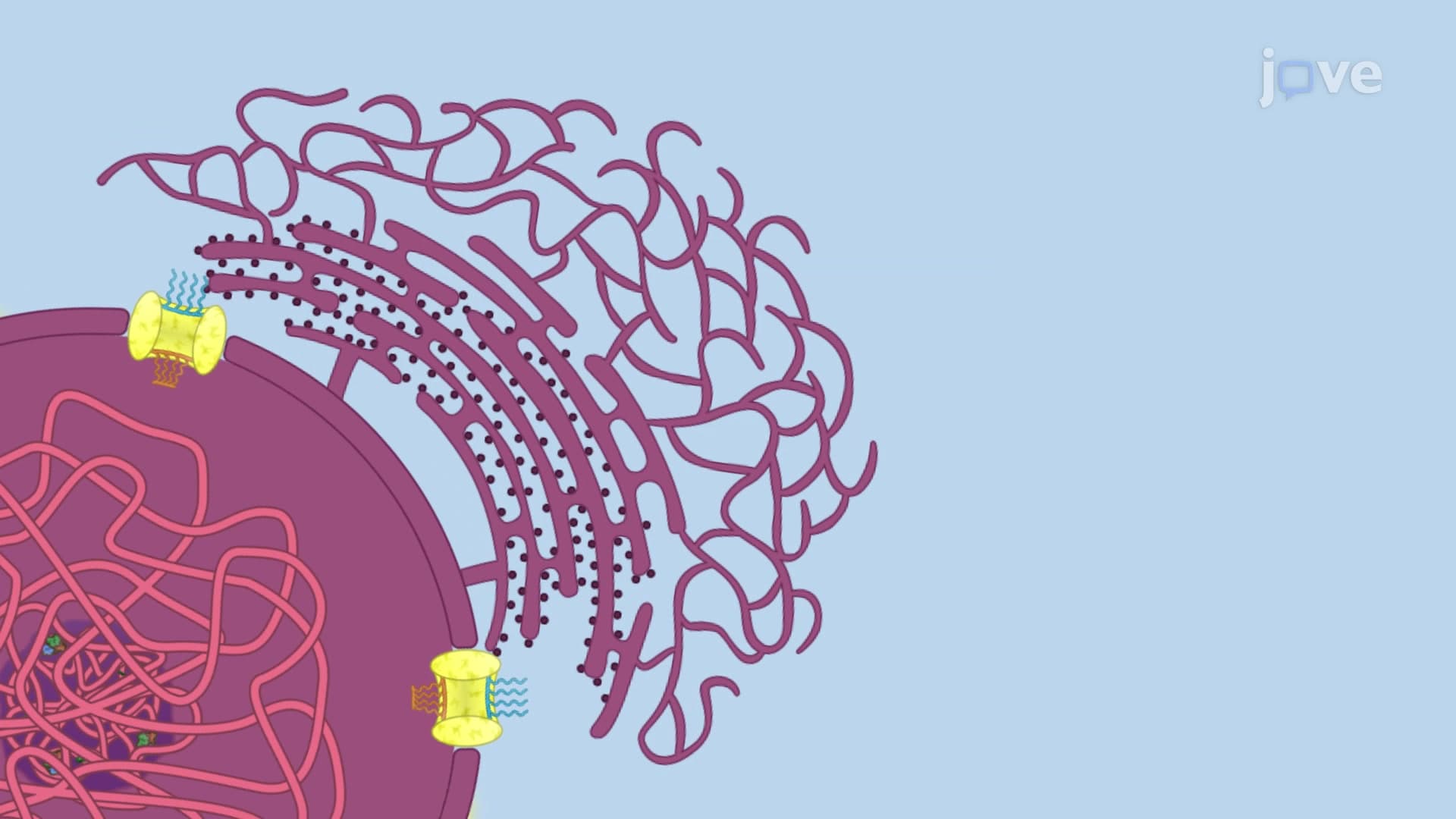
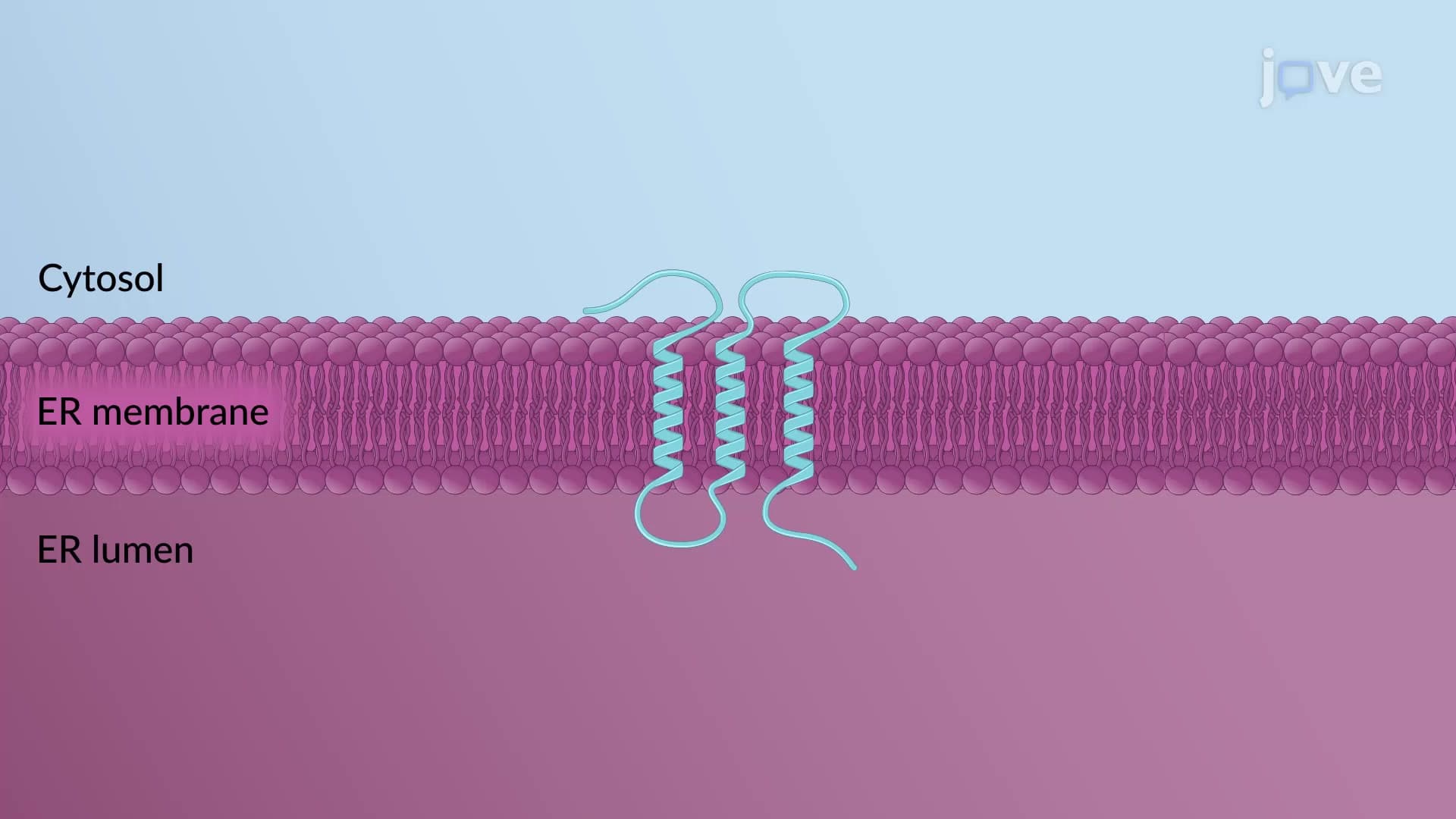
Cotranslational protein translocation represents one of biology's most elegant quality control systems, where proteins destined for secretion or membrane insertion are simultaneously synthesized and transported into the endoplasmic reticulum. This process ensures that approximately 30% of all cellular proteins-including hormones, antibodies, and membrane receptors-reach their proper destinations while avoiding potentially harmful interactions in the cytoplasm.
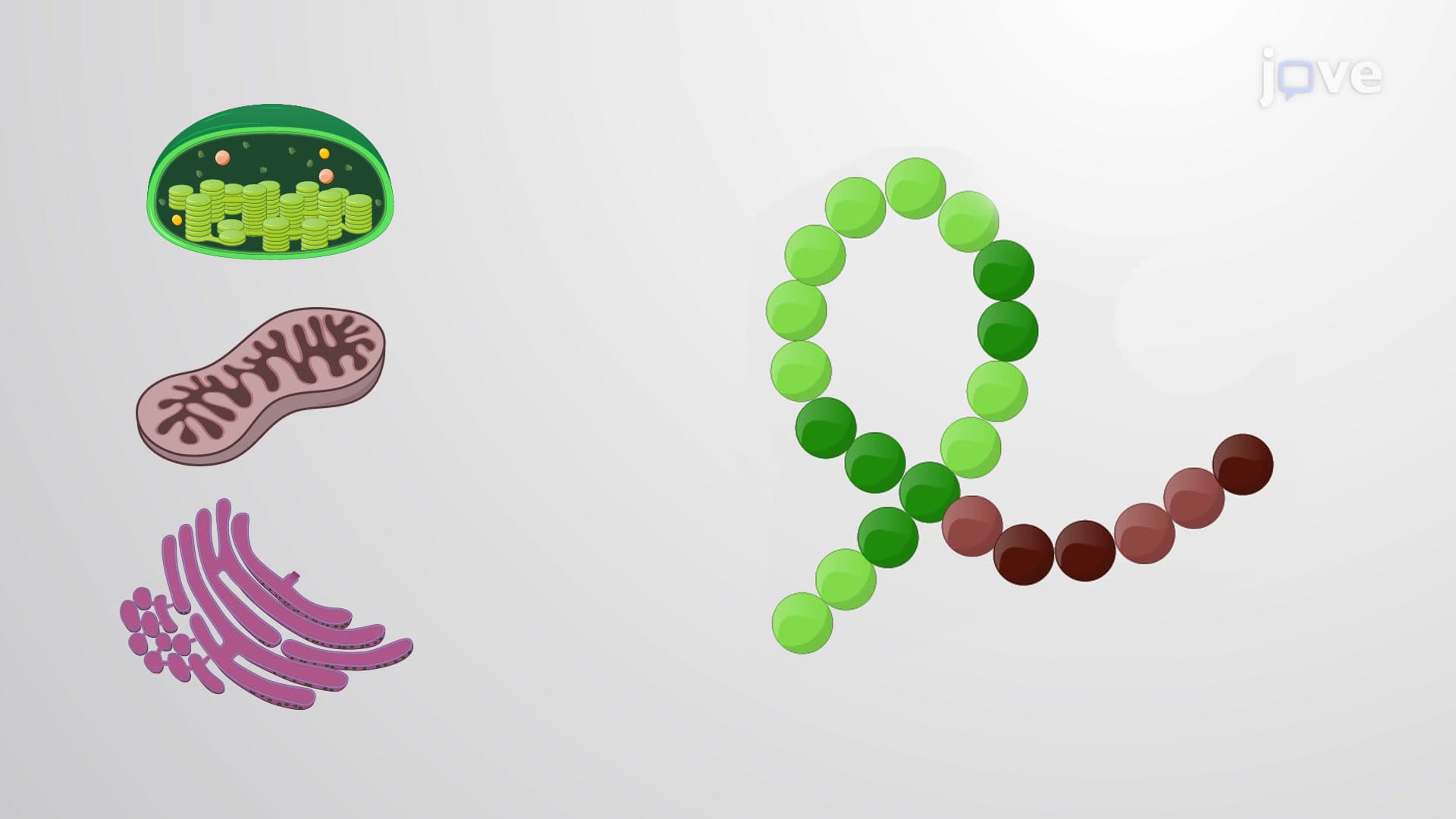
The process begins when a signal recognition particle identifies specific N-terminal signal sequences on newly synthesized proteins. This signal sequence acts like a molecular zip code, directing proteins to the ER membrane. The SRP-ribosome complex then docks with the SRP receptor on the ER surface, creating a continuous pathway from ribosome to ER lumen. Students preparing for the MCAT often encounter questions about this targeting mechanism, as it demonstrates fundamental principles of cellular organization and protein sorting.
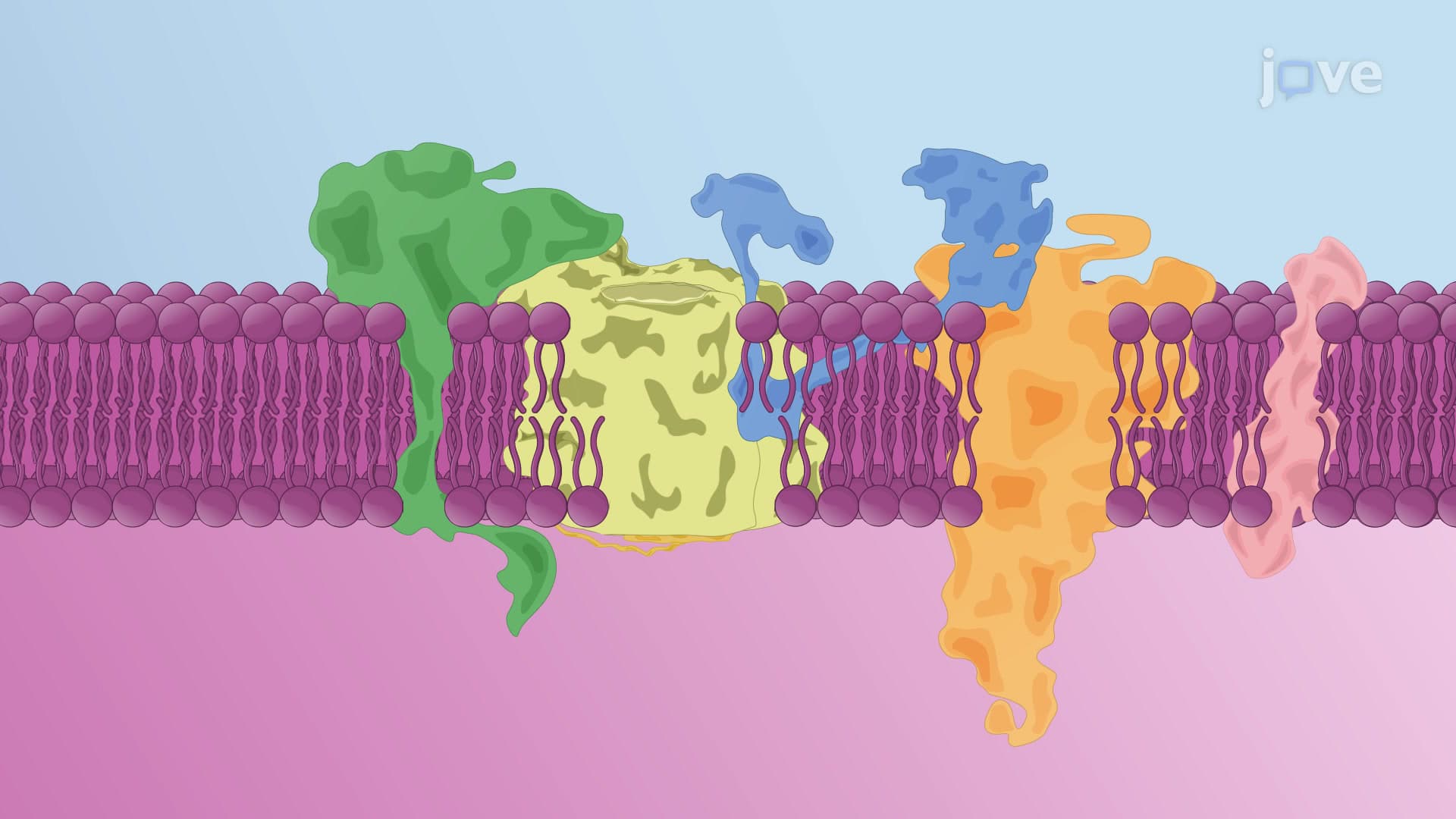
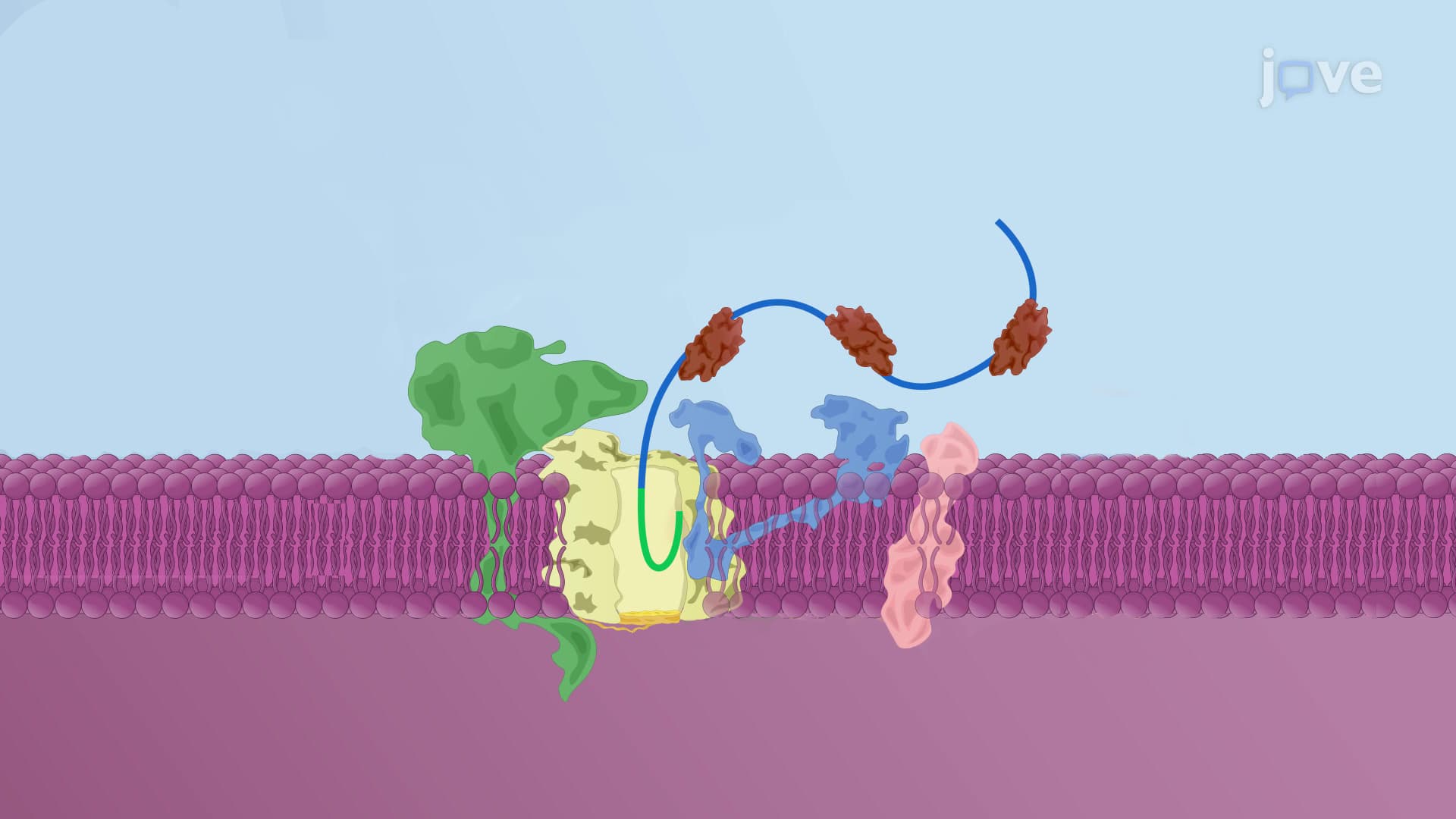
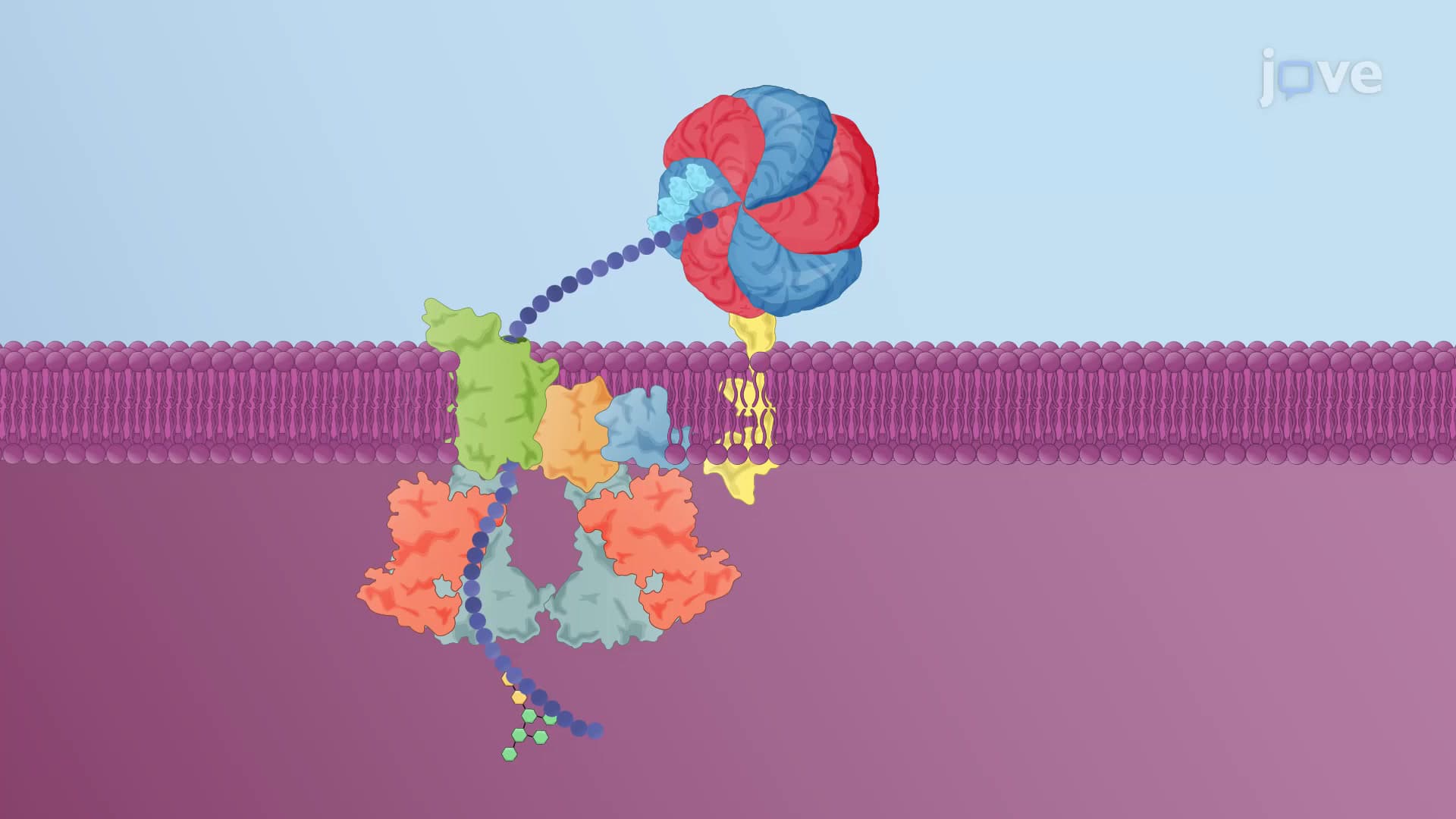
The Sec61 translocon channel serves as the gateway for protein entry into the ER. As translation proceeds, the growing polypeptide chain forms a loop that mechanically opens the channel plug, creating a sealed environment that prevents small molecules from leaking between cellular compartments. Simultaneously, the signal sequence moves through a lateral gate to reach the signal peptidase complex for cleavage. This coordinated mechanism ensures fidelity while maintaining ER integrity-a concept frequently tested on AP Biology exams.
Defects in cotranslational translocation contribute to various genetic disorders. For example, mutations affecting SRP components can lead to Shwachman-Diamond syndrome, characterized by bone marrow failure and pancreatic dysfunction. Similarly, disrupted ER translocation contributes to protein misfolding diseases like cystic fibrosis, where defective CFTR protein processing affects lung and digestive function. Understanding these connections helps pre-med students appreciate how fundamental cellular processes relate to human health and disease pathogenesis.
Related Micro-courses