Loading subject page…


158,115 views


Video Summary: What Is Protein Modifications
Ever wonder how insulin works so precisely in diabetic patients across America? Protein modifications are the cellular "finishing touches" that transform basic protein chains into fully functional molecules essential for life. These chemical changes, including N-linked glycosylation and disulfide bond formation in the endoplasmic reticulum (ER), determine whether proteins like insulin can properly regulate blood sugar or antibodies can fight infections. Understanding what is protein modifications reveals how cells create the diverse protein toolkit needed for survival. Watch the full video on JoVE Coach to master this concept with expert-led visuals and step-by-step explanations.
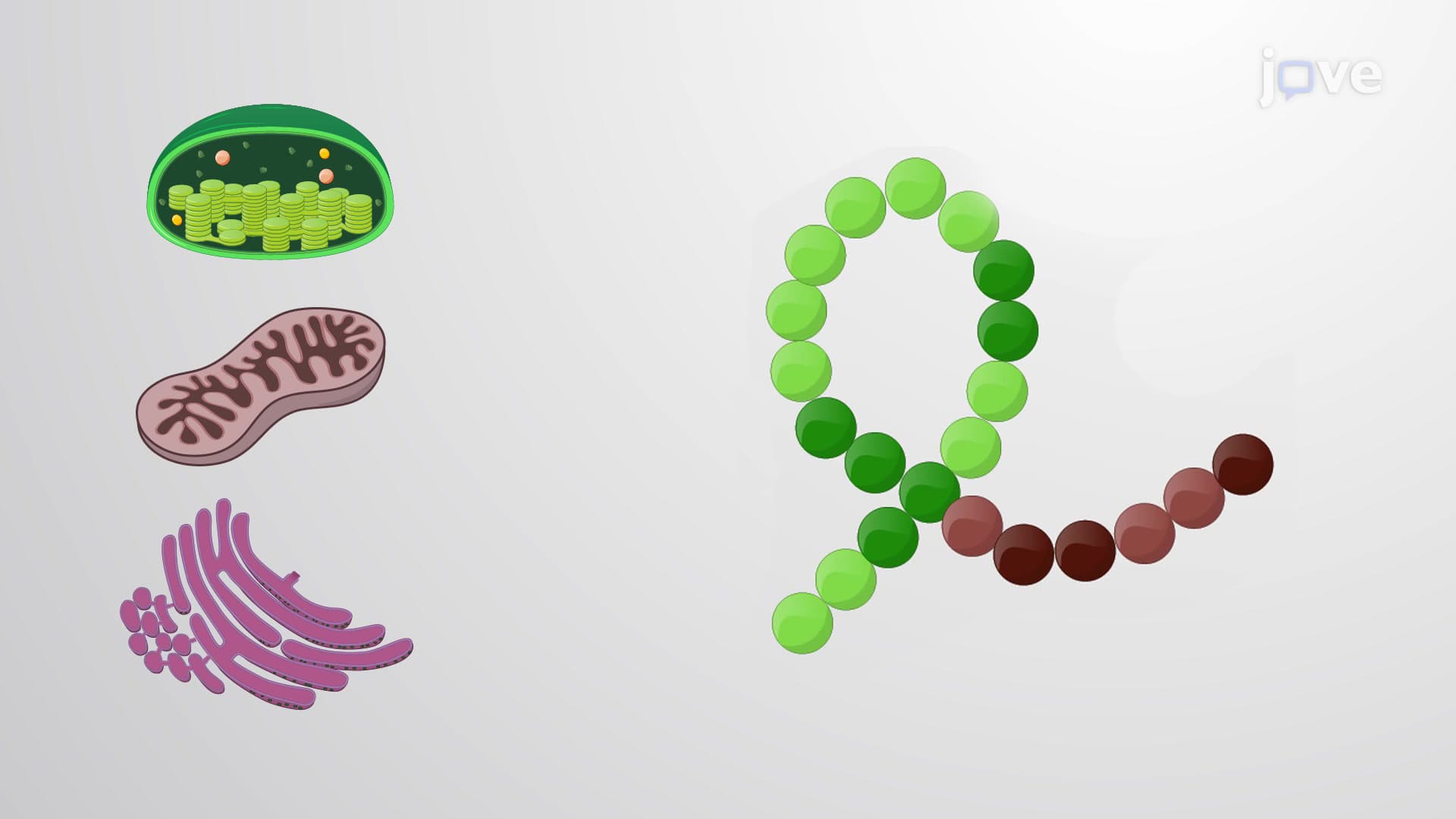
Protein modifications represent one of biology's most sophisticated quality control and customization systems. After ribosomes synthesize proteins, these molecular machines require extensive "post-production editing" to become functional. Think of it like assembling a car-the basic frame needs paint, electronics, and safety features before it's roadworthy. Similarly, newly synthesized proteins need chemical modifications to achieve their final, functional form.
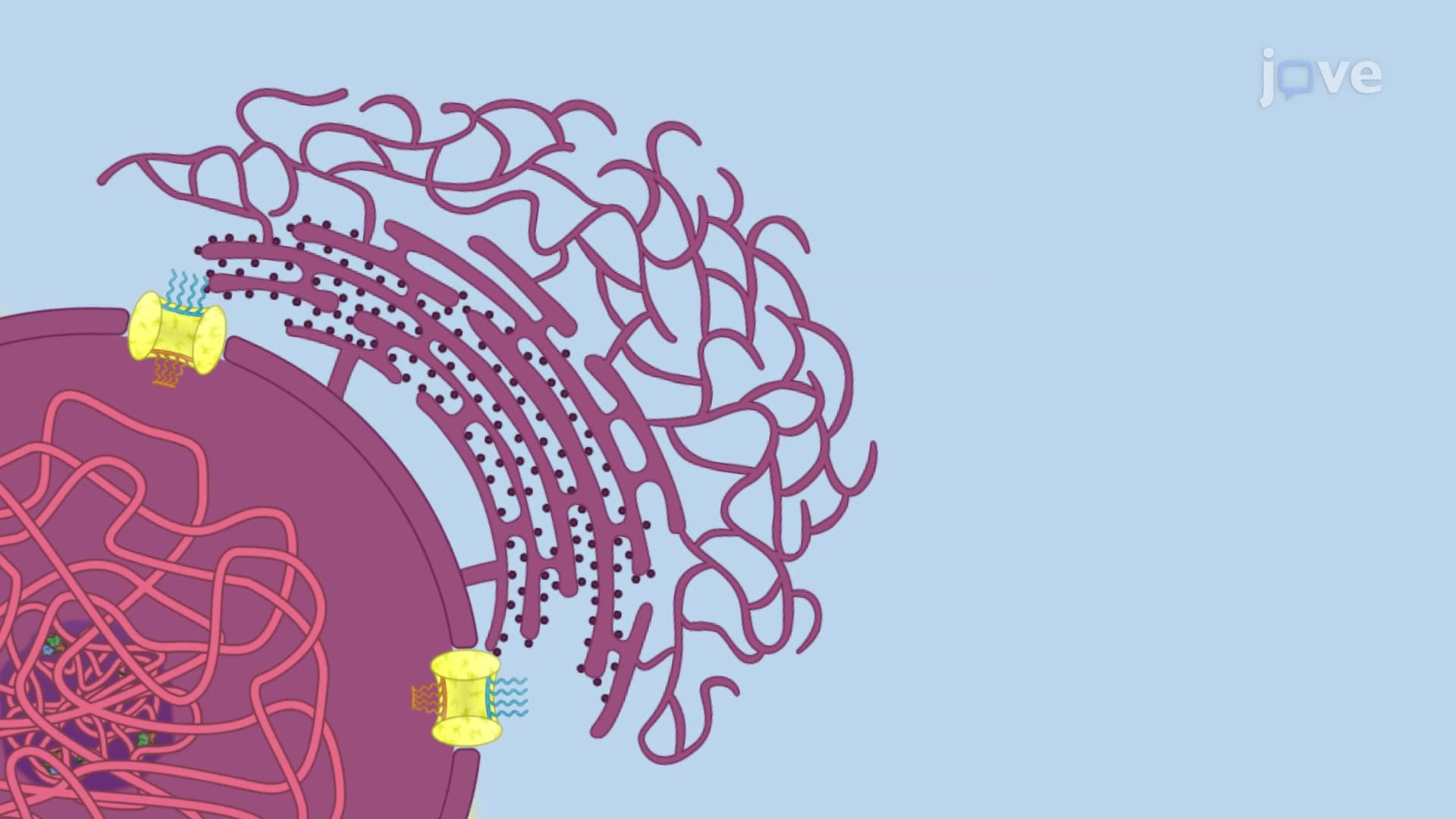
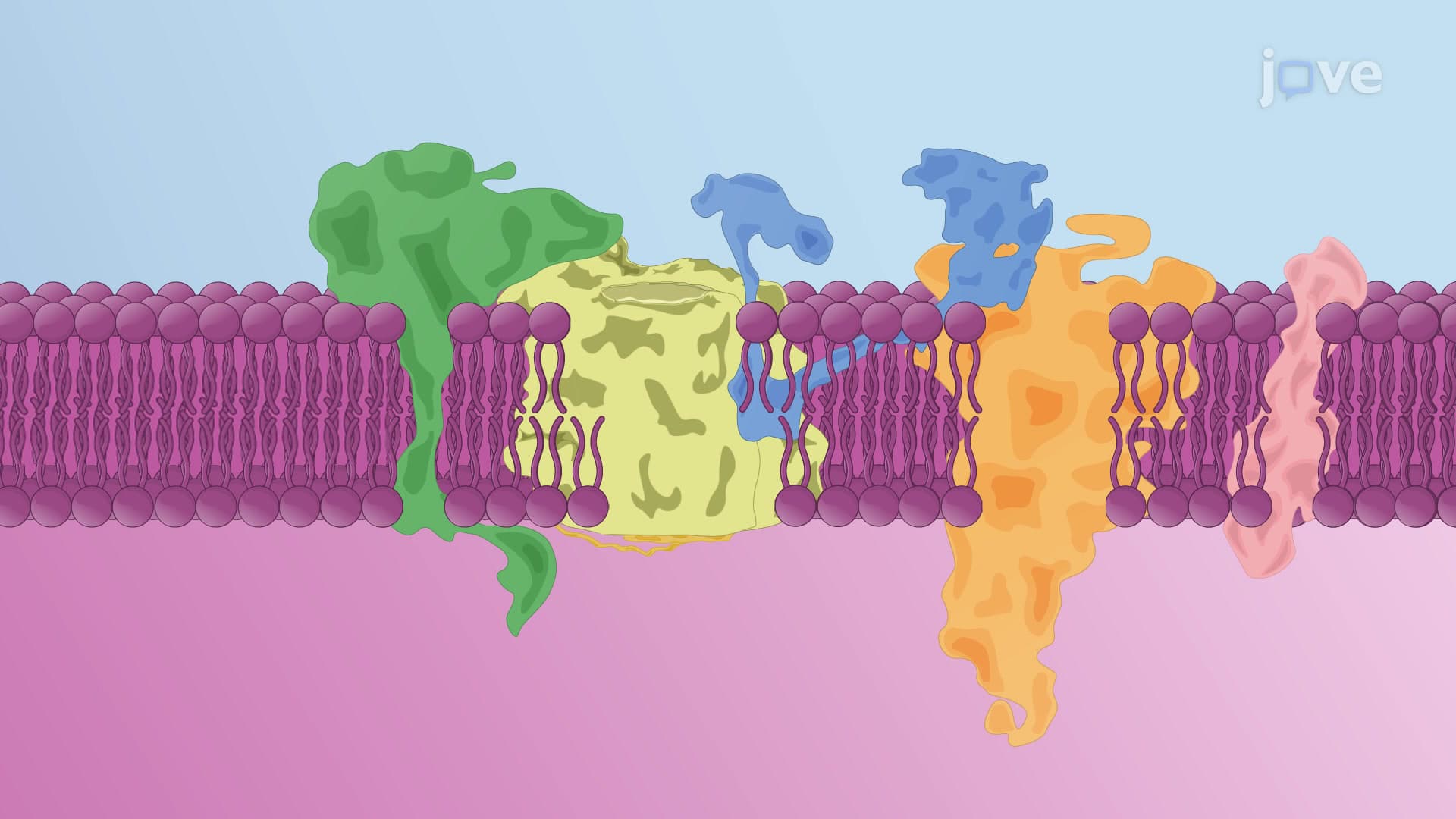
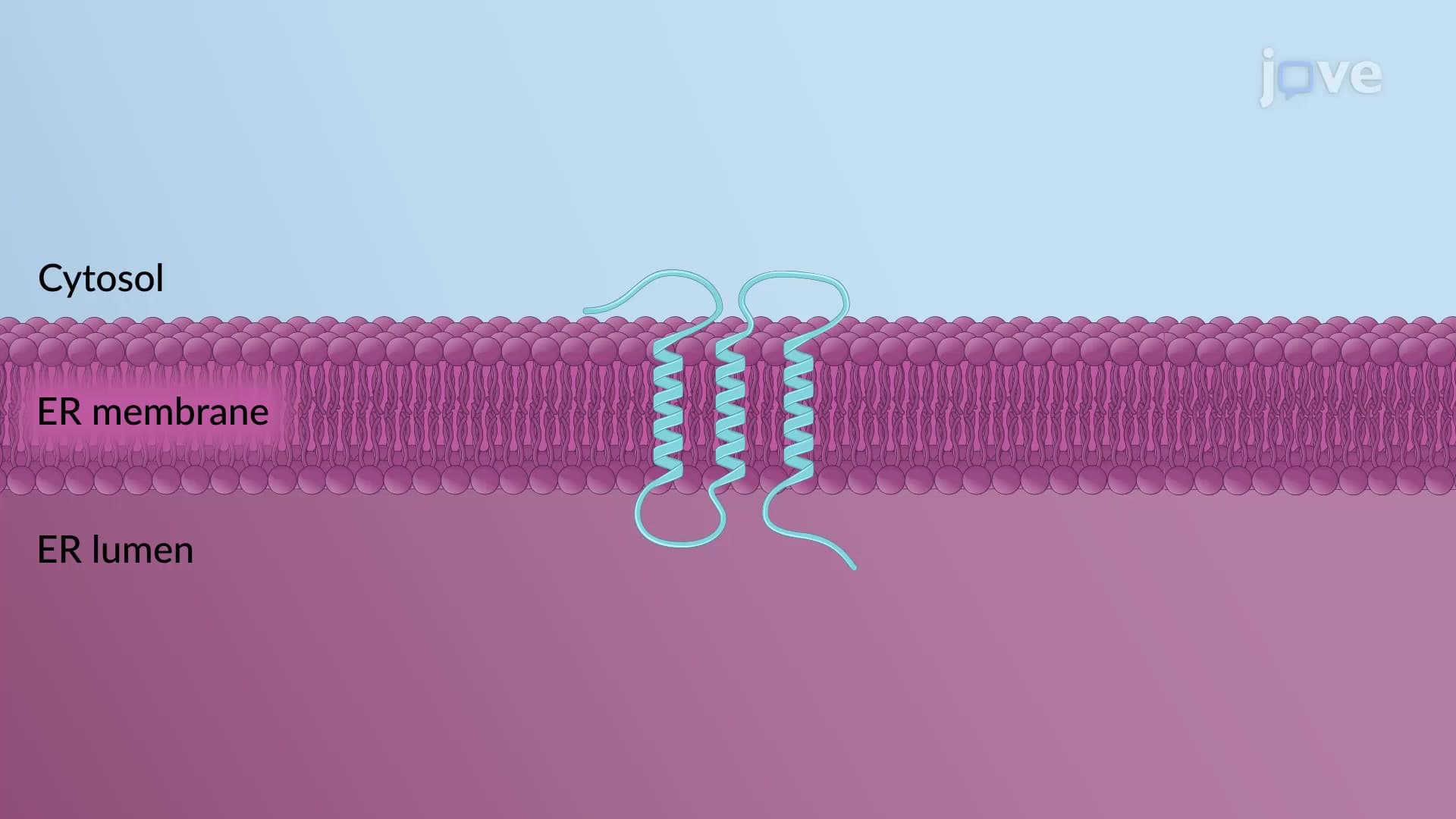
The endoplasmic reticulum serves as the cell's protein modification factory, where two critical processes occur simultaneously. This protein modifications overview reveals how cells ensure each protein meets exact specifications for its intended job, whether that's hormone signaling, immune defense, or structural support.
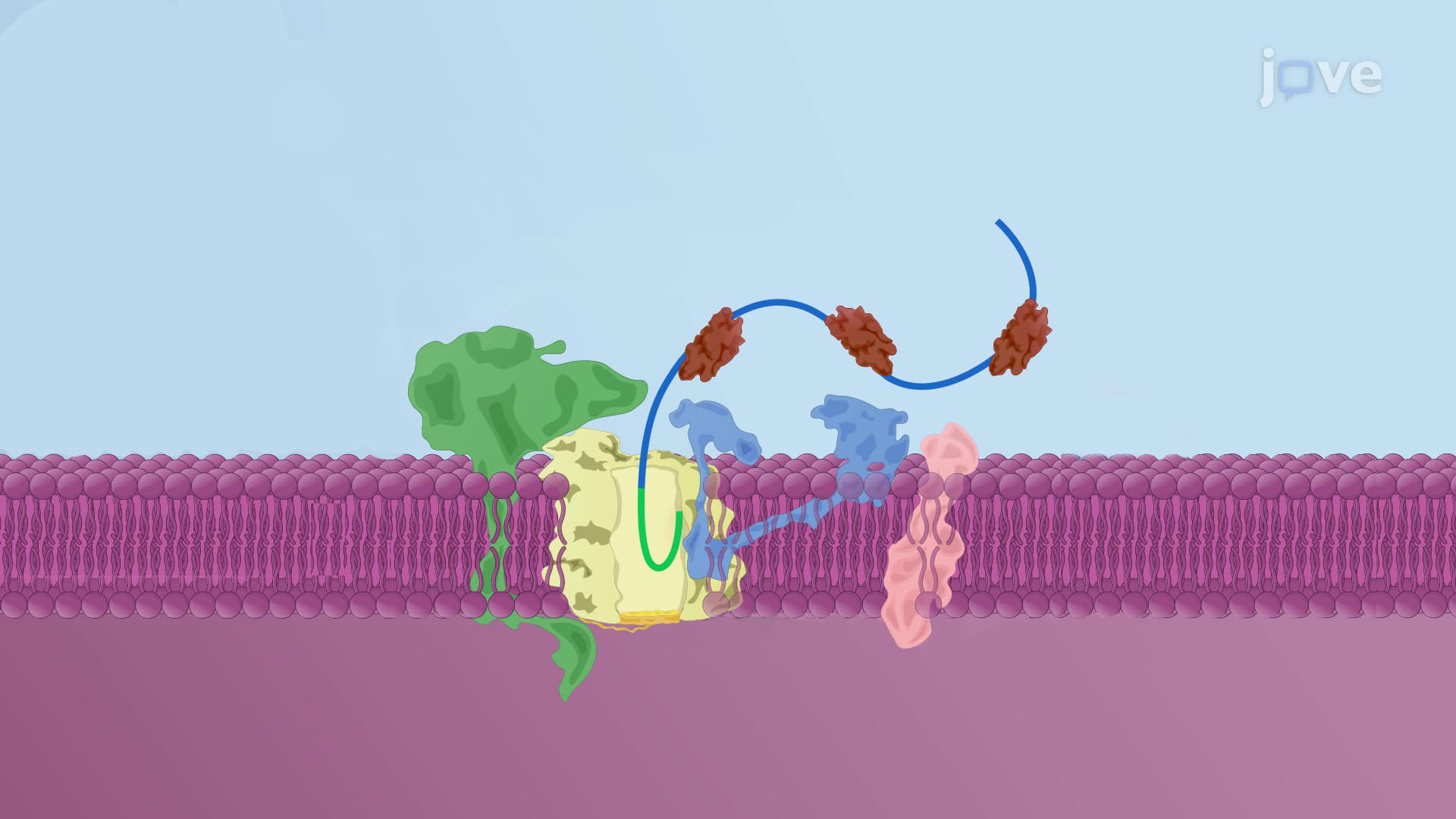
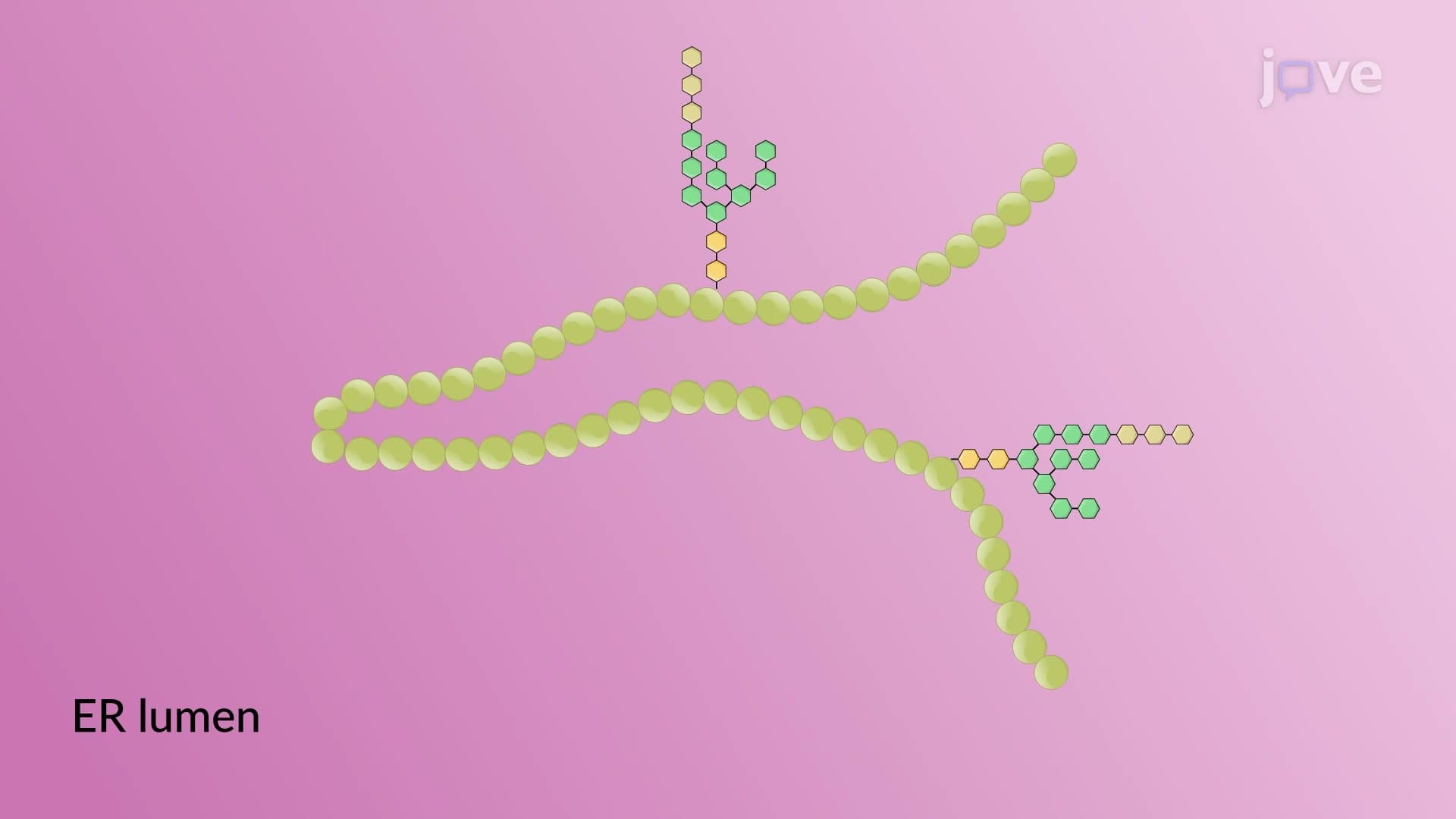
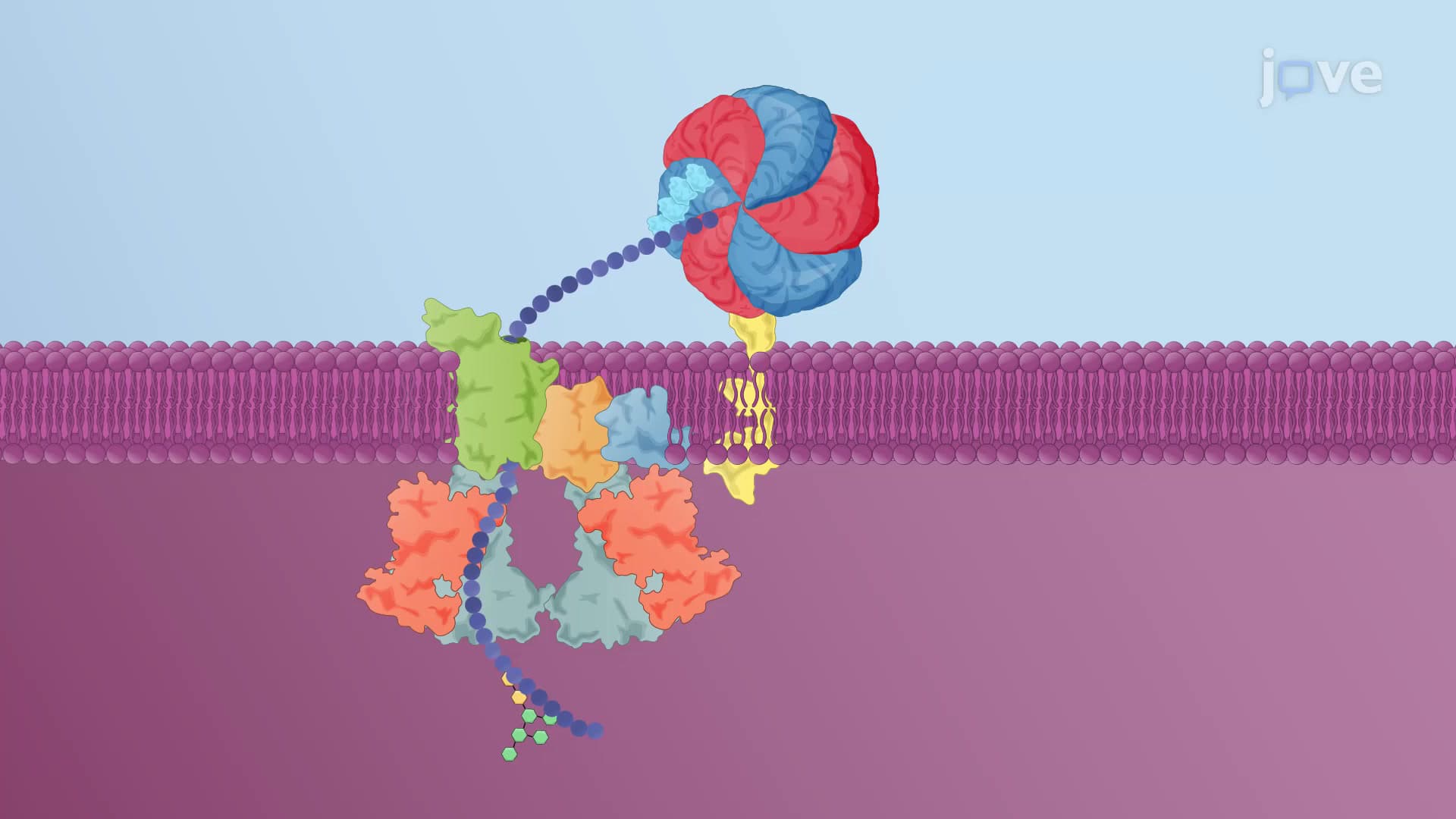
N-linked glycosylation represents a fundamental protein modifications concept where the oligosaccharyltransferase complex attaches complex carbohydrate structures to specific asparagine residues. This isn't random decoration-these sugar additions serve as molecular "zip codes" that direct proteins to correct cellular locations and enhance stability.
Consider how this applies to real-world medicine: many therapeutic proteins produced by biotechnology companies like Genentech require proper glycosylation to function in patients. Erythropoietin (EPO), used to treat anemia, must be correctly glycosylated to avoid immune rejection and maintain biological activity.
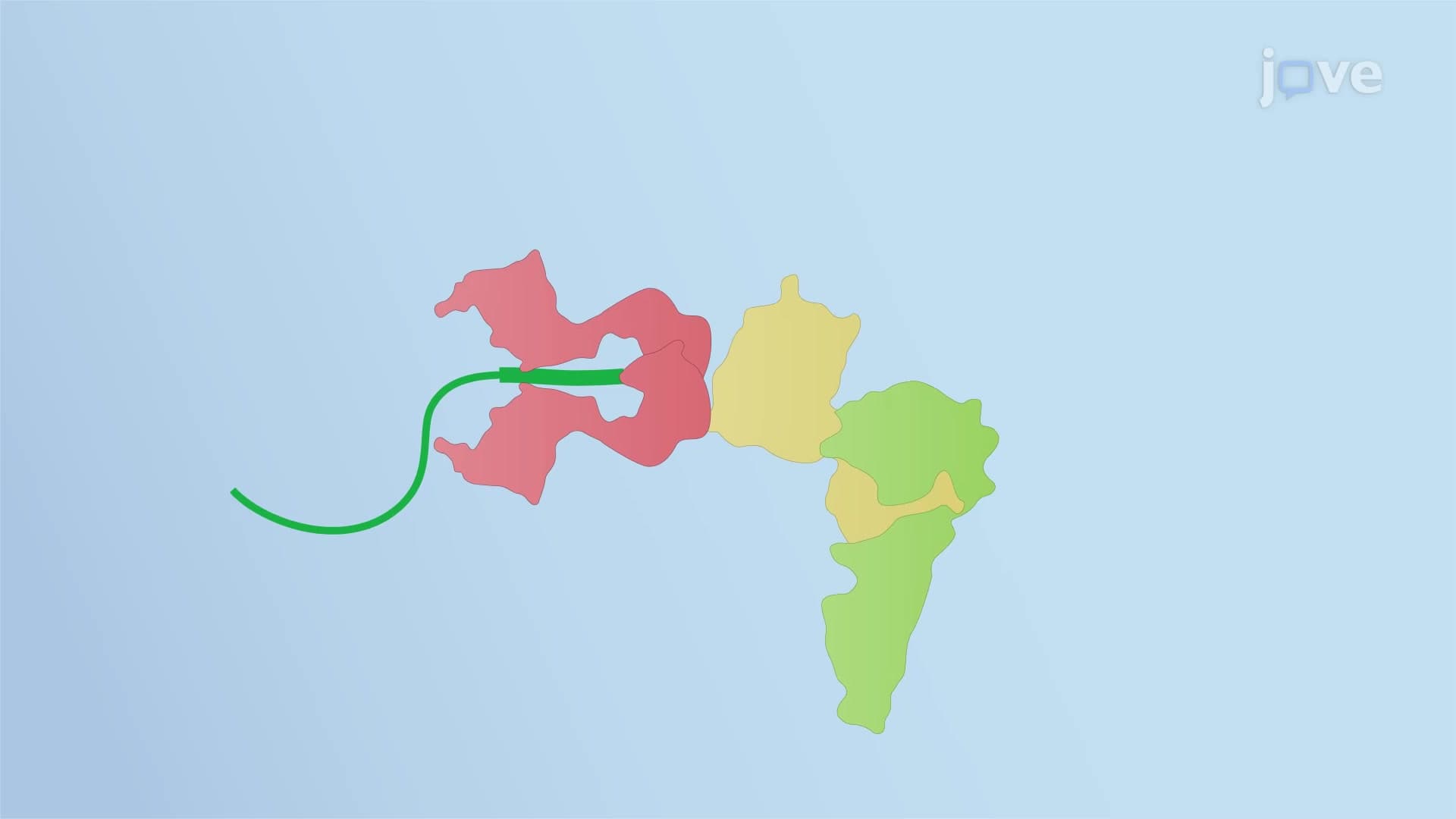
The disulfide bond formation process exemplifies precision molecular engineering. Protein disulfide isomerase (PDI) acts like a molecular matchmaker, bringing cysteine residues together to form stabilizing bonds. The PDI's horseshoe-shaped structure undergoes conformational changes from open to closed states, demonstrating how protein shape directly relates to function-a key concept tested on AP Biology and college biochemistry exams.
Ero1's role in regenerating oxidized PDI creates a sustainable cycle, ensuring continuous protein processing capacity. This partnership highlights how cellular processes depend on molecular teamwork, a theme frequently explored in MCAT biochemistry sections.
Understanding protein modifications proves essential for students pursuing healthcare careers. Genetic diseases like osteogenesis imperfecta result from defective collagen modifications, while diabetes medications often target glycosylated proteins. This protein modifications study guide emphasis on real-world applications helps students connect classroom learning to clinical practice, particularly valuable for pre-med students preparing for the MCAT or nursing students studying for NCLEX examinations.
Related Micro-courses