Loading video…


 20 Concepts
 158.1K views


Video Summary: What Is Regulation Unfolded Protein Response
Did you know that cellular stress from misfolded proteins can trigger a sophisticated rescue system? The regulation unfolded protein response acts like a cellular emergency protocol, activating when proteins misfold in the endoplasmic reticulum. Similar to how hospitals in Chicago activate emergency protocols during disasters, cells use IRE1 proteins to detect stress and launch protective mechanisms. Watch the full video on JoVE Coach to master this concept with expert-led visuals and step-by-step explanations.
The regulation unfolded protein response represents one of biology's most elegant quality control systems. When cells face stress-whether from environmental toxins, genetic mutations, or metabolic overload-proteins can misfold within the endoplasmic reticulum (ER). This triggers a sophisticated cellular alarm system designed to restore normal function or, if damage is too severe, initiate programmed cell death.
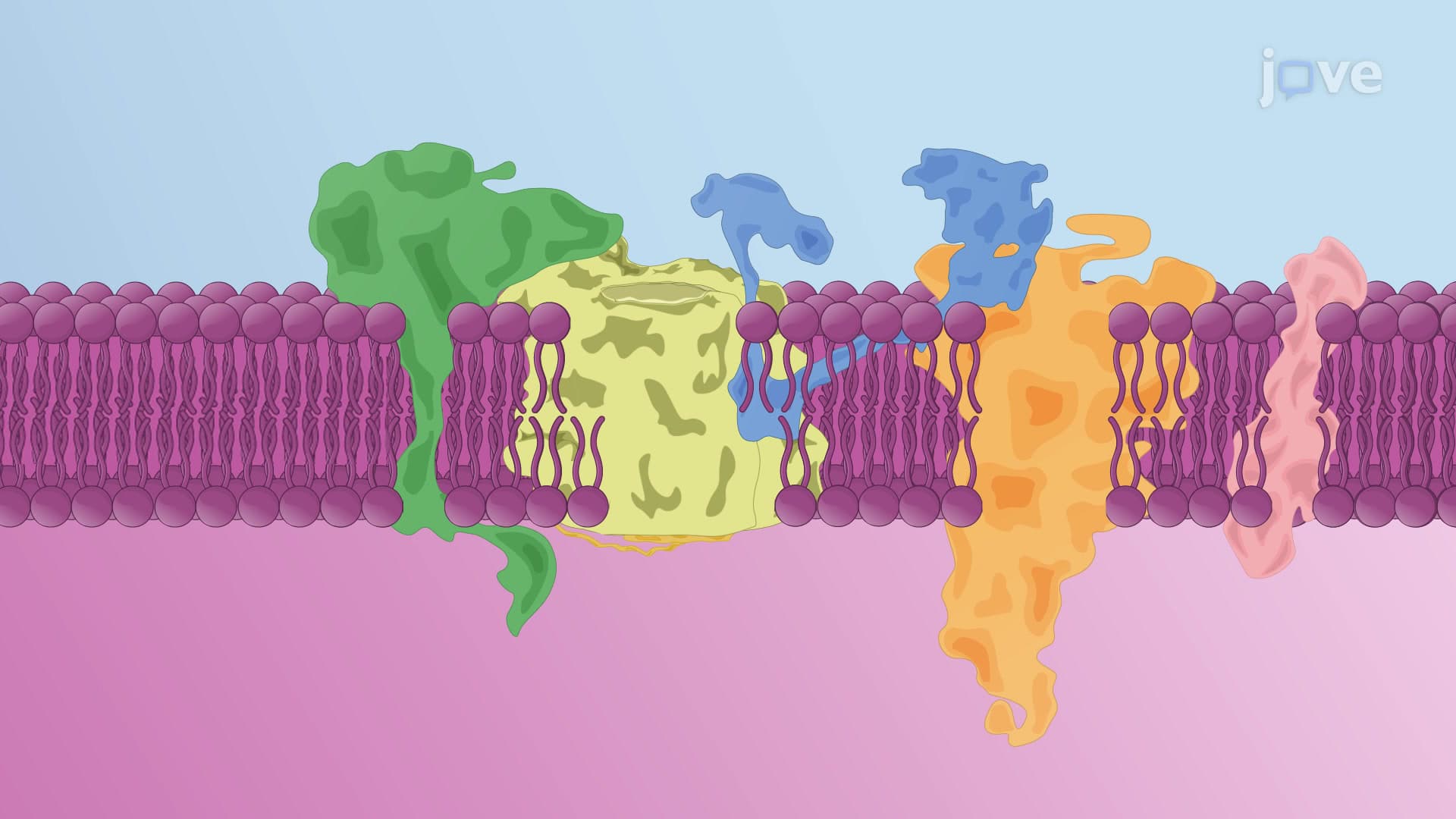
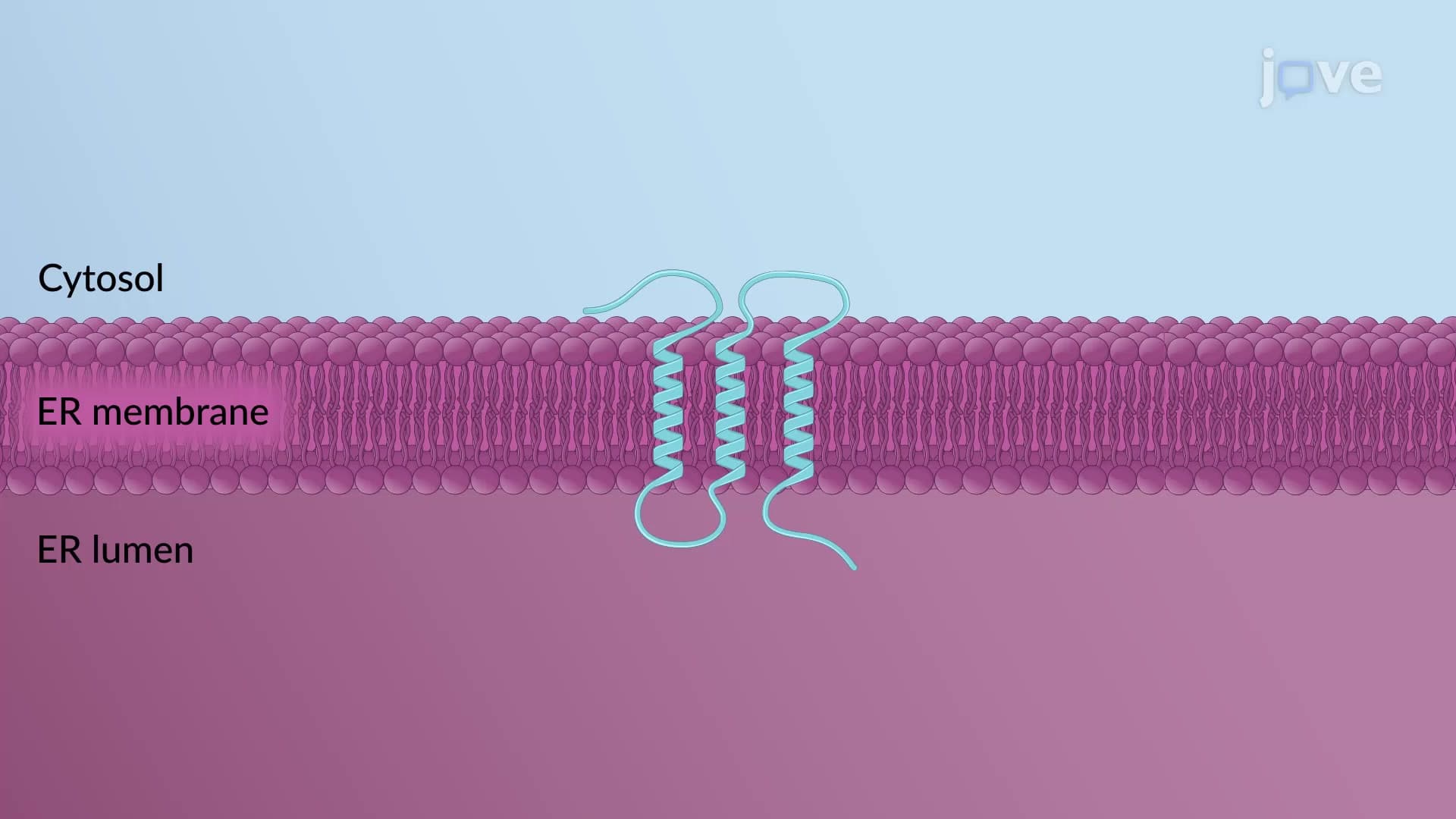
The process begins with IRE1 (Inositol-Requiring Enzyme 1), a transmembrane protein that acts as the cell's stress sensor. When misfolded proteins accumulate, IRE1's luminal domain detects the problem and undergoes conformational changes. This activation causes IRE1 molecules to form homodimers, essentially pairing up to amplify the stress signal. The cytosolic portions of these paired proteins then phosphorylate each other through their kinase domains, creating a molecular switch that transforms them from passive sensors to active responders.
Once activated, IRE1 dimers cluster together, forming rod-shaped complexes with endoribonuclease activity-essentially becoming molecular scissors. These complexes target the pre-mRNA of XBP1 (X-box Binding Protein 1), precisely removing a specific intron. This unconventional splicing event is crucial because it shifts the mRNA's reading frame, producing a functional transcription factor instead of a truncated, inactive protein. The mature XBP1 protein then travels to the nucleus, where it binds to specific DNA sequences called ER stress response elements, activating genes encoding protective proteins.
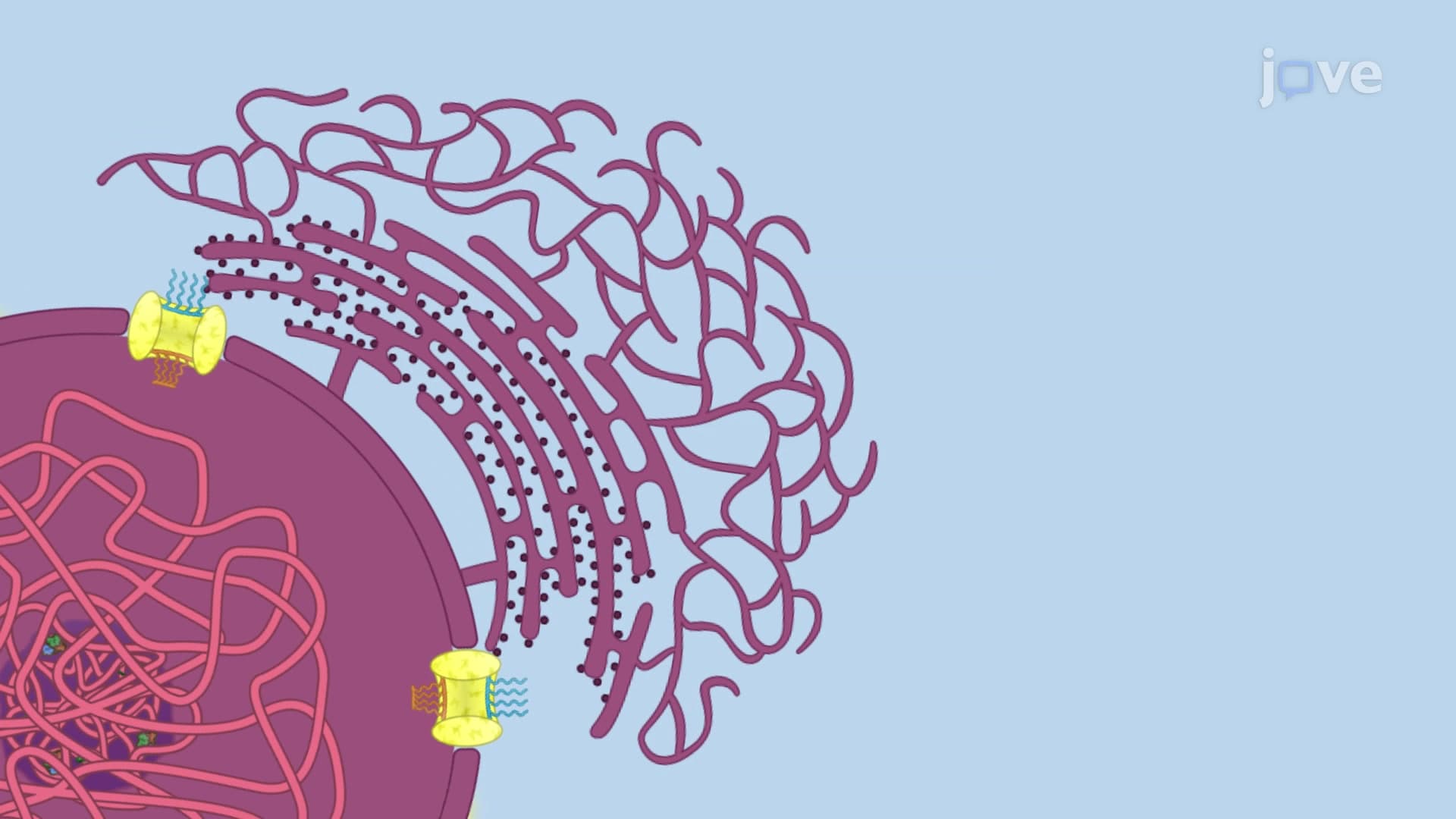
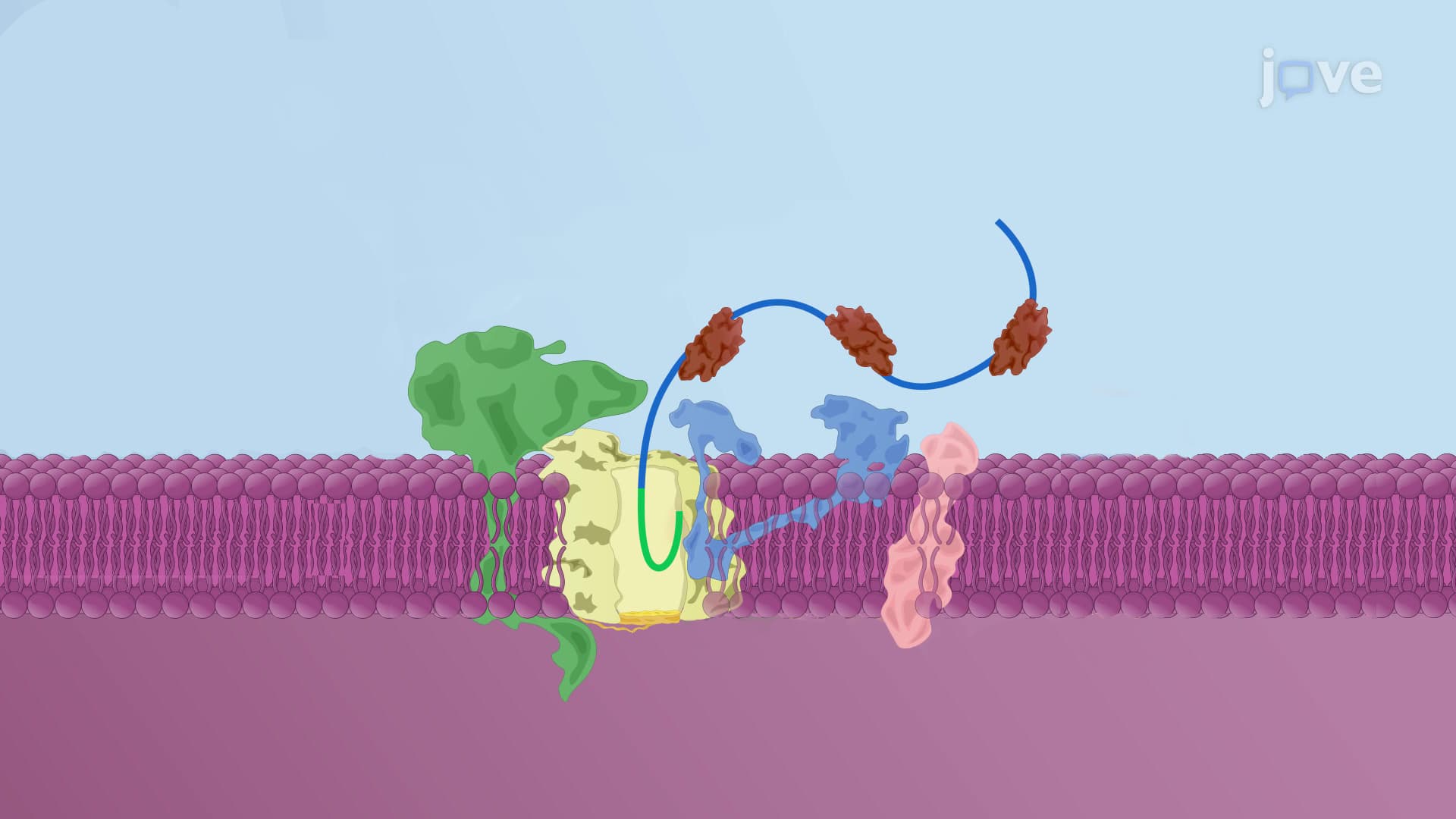
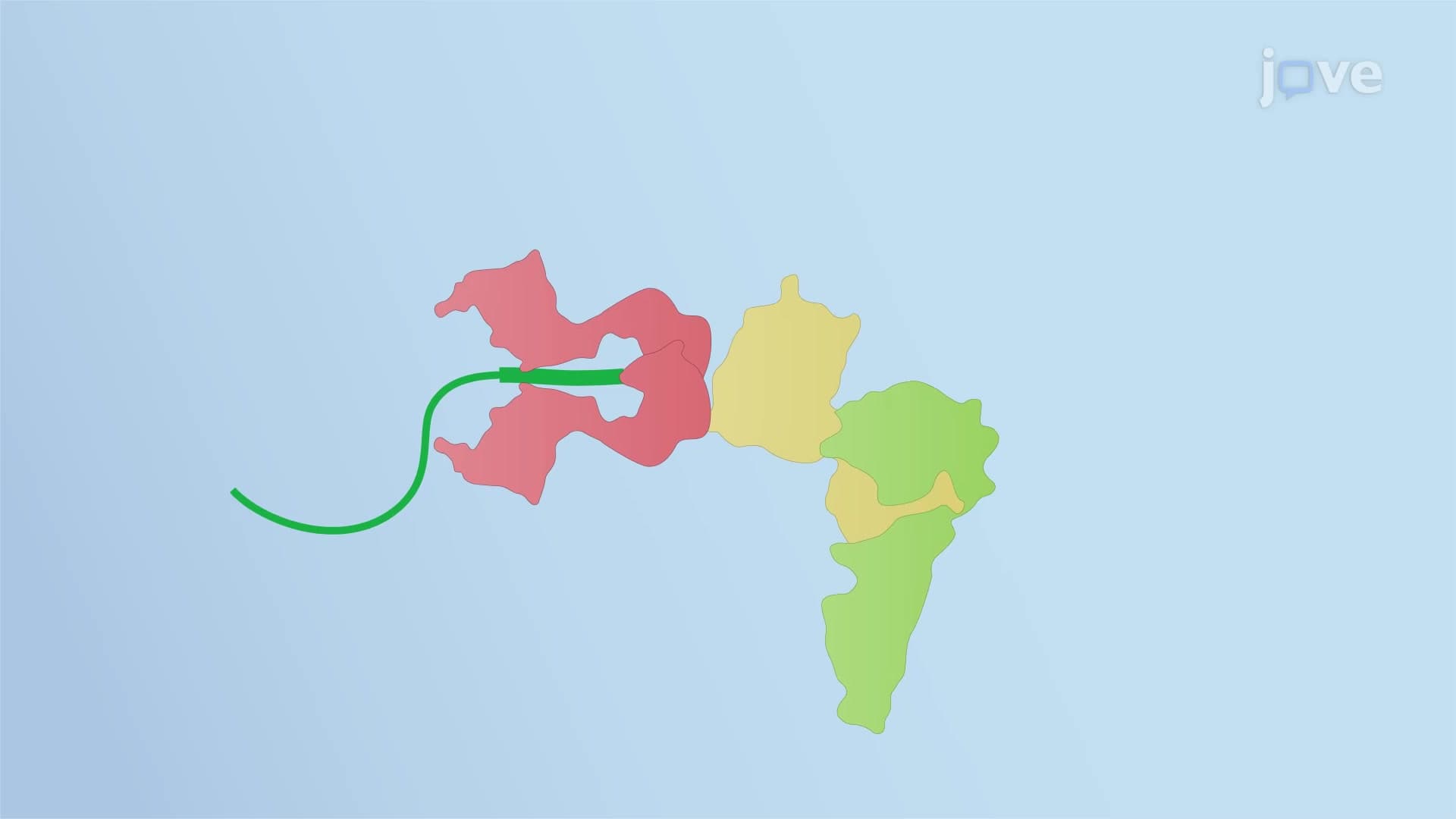
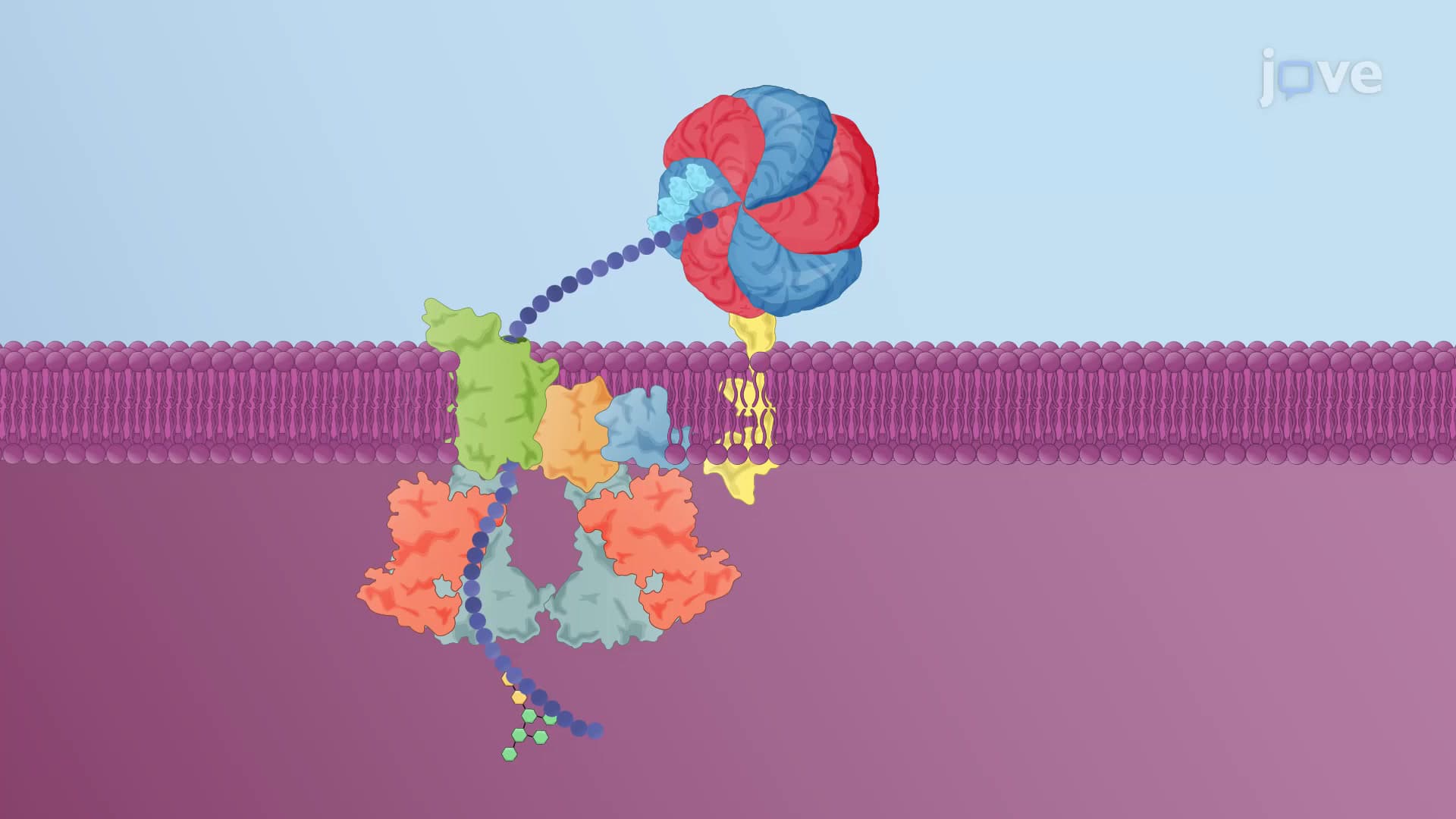
The activated genes primarily encode molecular chaperones-specialized proteins that assist in proper protein folding. These chaperone mRNAs are exported from the nucleus and translated by ribosomes at the ER membrane through cotranslational translocation. This process ensures that newly synthesized chaperones are delivered directly to where they're needed most. The increased chaperone concentration helps refold misfolded proteins, clearing the ER stress and restoring cellular homeostasis.
This pathway is particularly relevant for pre-med students studying for the MCAT, as questions often focus on signal transduction mechanisms and cellular stress responses. Understanding UPR regulation also helps explain disease mechanisms-dysregulated UPR contributes to conditions like type 2 diabetes, where pancreatic beta cells struggle with insulin protein folding, and Alzheimer's disease, where protein misfolding triggers neuronal death.
Related Micro-courses