Loading video…


 20 Concepts
 158.1K views


Video Summary: What Is the Endoplasmic Reticulum
Every single protein that your body produces-from insulin regulating blood sugar to antibodies fighting COVID-19-begins its journey in a cellular factory called the endoplasmic reticulum. This endoplasmic reticulum explained reveals how this vast membrane network serves as the cell's manufacturing hub, stretching from the nucleus throughout the cytoplasm. The ER's two distinct regions work like specialized assembly lines: rough ER builds proteins while smooth ER produces essential lipids and carbohydrates. Watch the full video on JoVE Coach to master this concept with expert-led visuals and step-by-step explanations.
The endoplasmic reticulum represents one of the most extensive organelle systems in eukaryotic cells, forming an interconnected membrane network that can occupy up to 10% of a cell's total volume. This remarkable structure begins at the nuclear envelope and extends throughout the cytoplasm like an intricate highway system. Unlike simpler organelles, the ER's complexity allows it to perform multiple specialized functions simultaneously, making it indispensable for cellular survival.
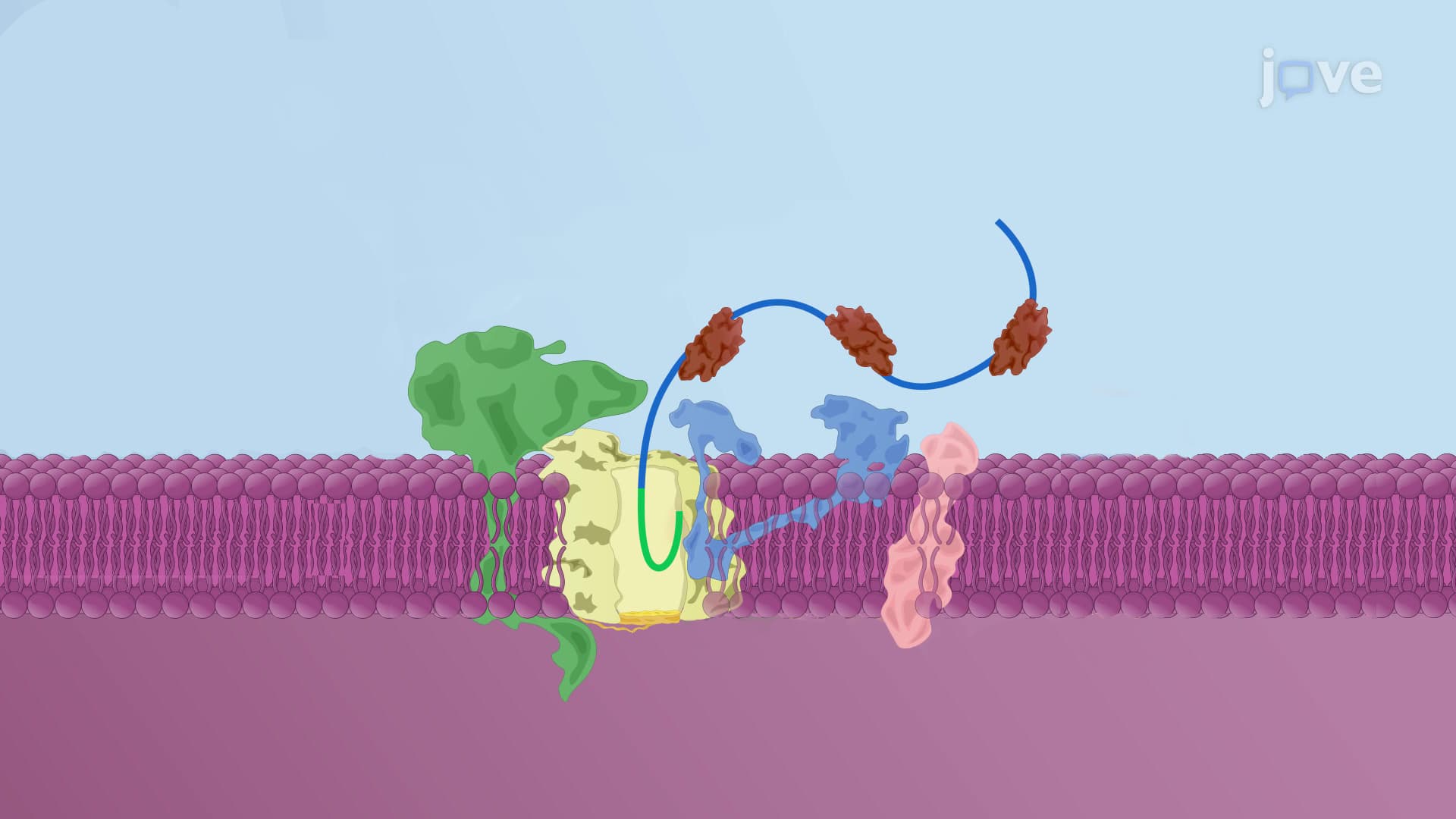
The rough endoplasmic reticulum earns its name from the thousands of ribosomes studding its cytoplasmic surface, giving it a granular appearance under electron microscopy. This region serves as the cell's protein factory, where ribosomes translate mRNA into polypeptide chains that are immediately threaded into the ER lumen. Think of pharmaceutical companies like Pfizer manufacturing insulin-similarly, your pancreatic cells use rough ER to produce this life-saving hormone. The ER's quality control system employs specialized chaperone proteins to ensure proper protein folding, preventing the formation of misfolded proteins that could cause diseases like Alzheimer's or diabetes.
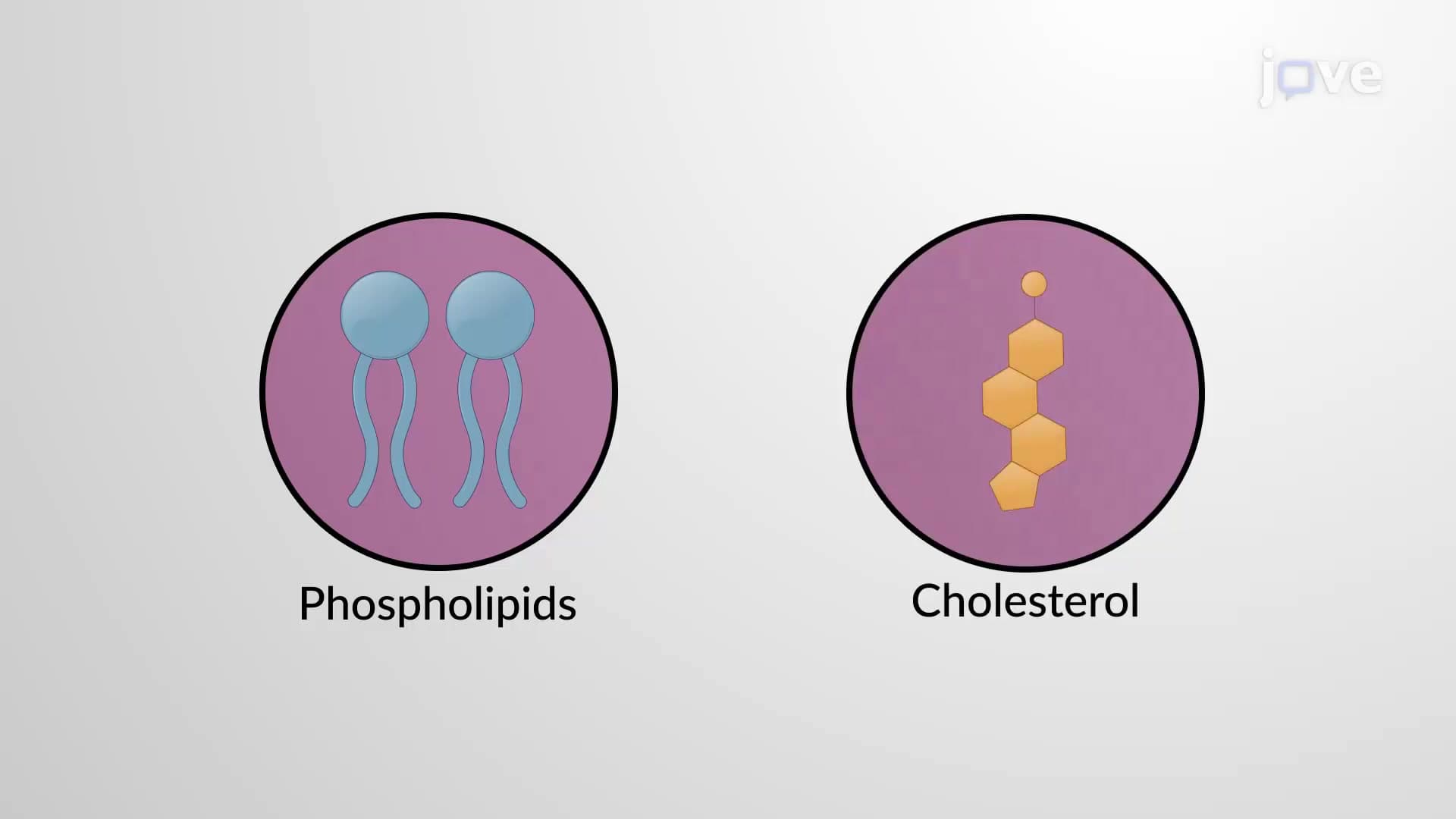
The smooth endoplasmic reticulum lacks attached ribosomes, creating a tubular network specialized for lipid and carbohydrate synthesis. In liver cells, smooth ER produces cholesterol and metabolizes drugs and toxins-explaining why chronic alcohol consumption can cause liver cells to dramatically increase their smooth ER content. Steroid-producing cells, such as those in the adrenal glands that manufacture cortisol, contain exceptionally abundant smooth ER networks. This specialization demonstrates how cellular structure directly correlates with function.
Understanding ER function proves crucial for success in advanced biology courses and standardized exams. AP Biology students frequently encounter questions about protein trafficking pathways, while MCAT test-takers must grasp how ER stress contributes to various diseases. Medical students studying for the USMLE learn how ER dysfunction underlies conditions ranging from cystic fibrosis to certain cancers, making this organelle knowledge essential for future healthcare professionals.
Related Micro-courses