Loading video…


 20 Concepts
 158.1K views

Video Summary: What Is the Unfolded Protein Response
Did you know that your cells have their own quality control system that prevents protein disasters? The unfolded protein response acts like a cellular emergency protocol, detecting when proteins misfold in the endoplasmic reticulum and triggering repair mechanisms. This critical process helps prevent diseases like Alzheimer's, where protein misfolding contributes to neurodegeneration in millions of Americans. What is The Unfolded Protein Response becomes essential knowledge for understanding how cells maintain protein homeostasis and survive stress. Watch the full video on JoVE Coach to master this concept with expert-led visuals and step-by-step explanations.
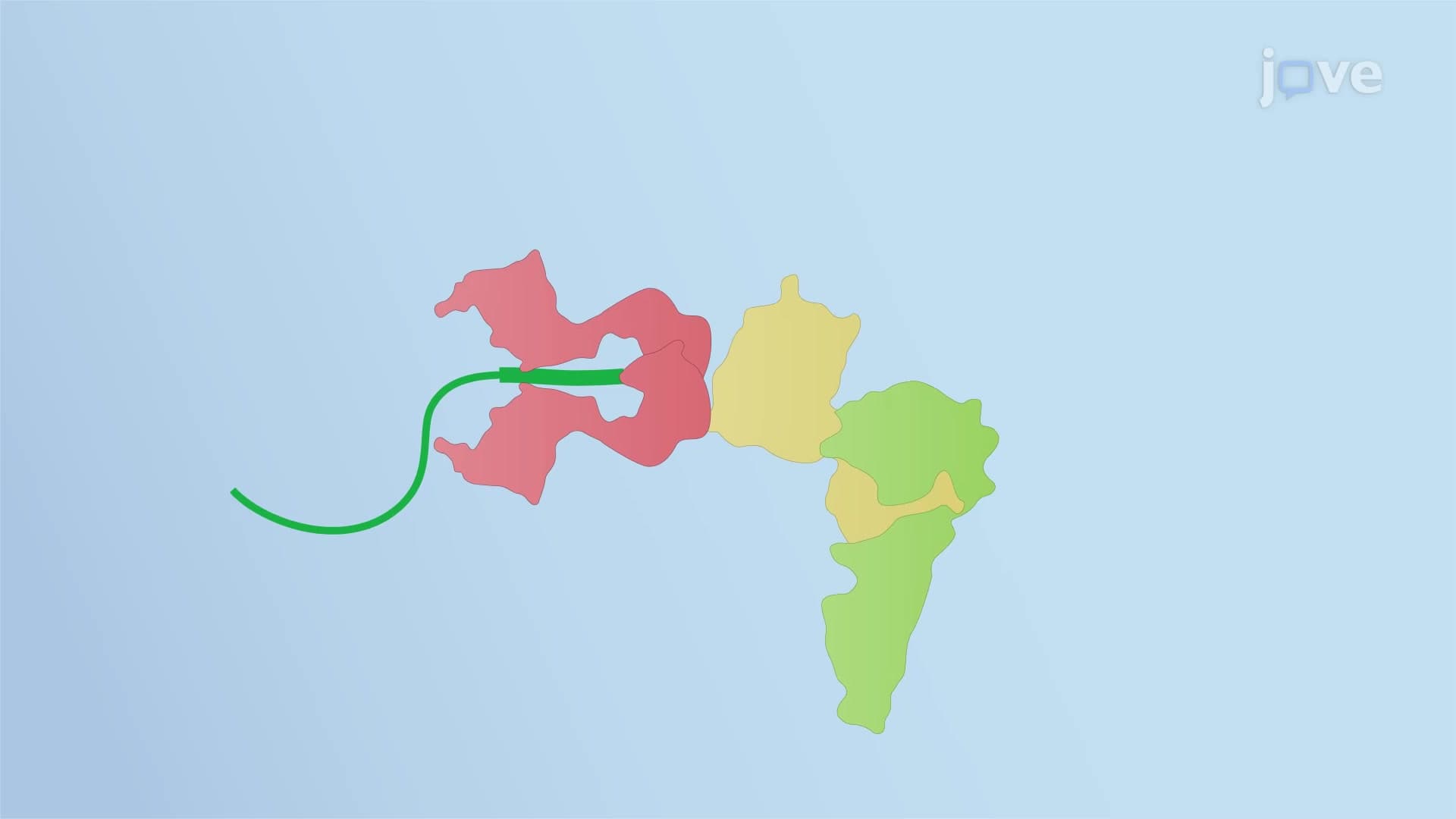
The unfolded protein response represents one of biology's most sophisticated quality control systems. When cells face protein folding stress in the endoplasmic reticulum (ER), this response prevents cellular catastrophe by coordinating multiple protective pathways. Think of it as your cell's emergency response team-when proteins start accumulating incorrectly, the UPR springs into action to restore balance.
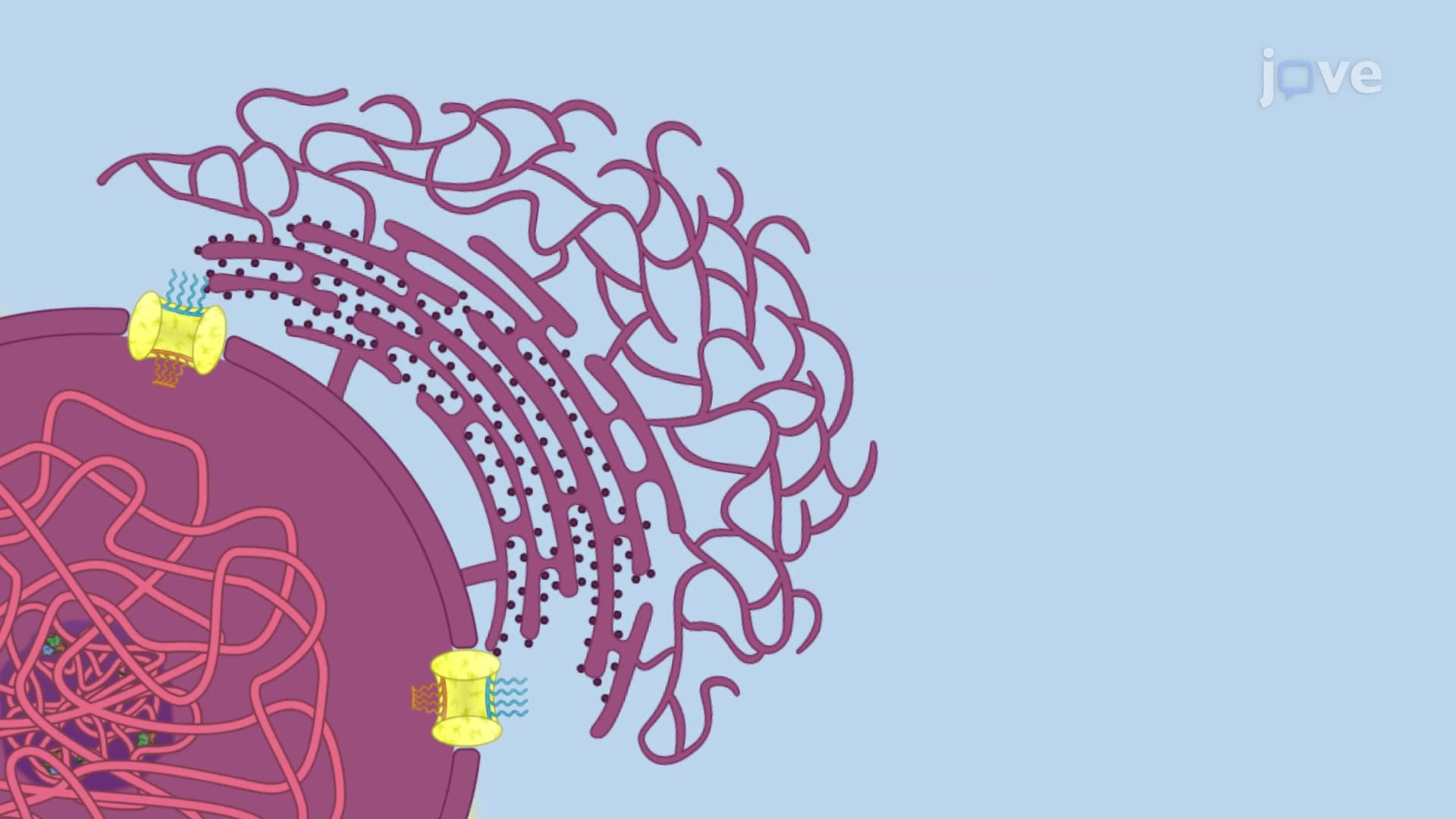
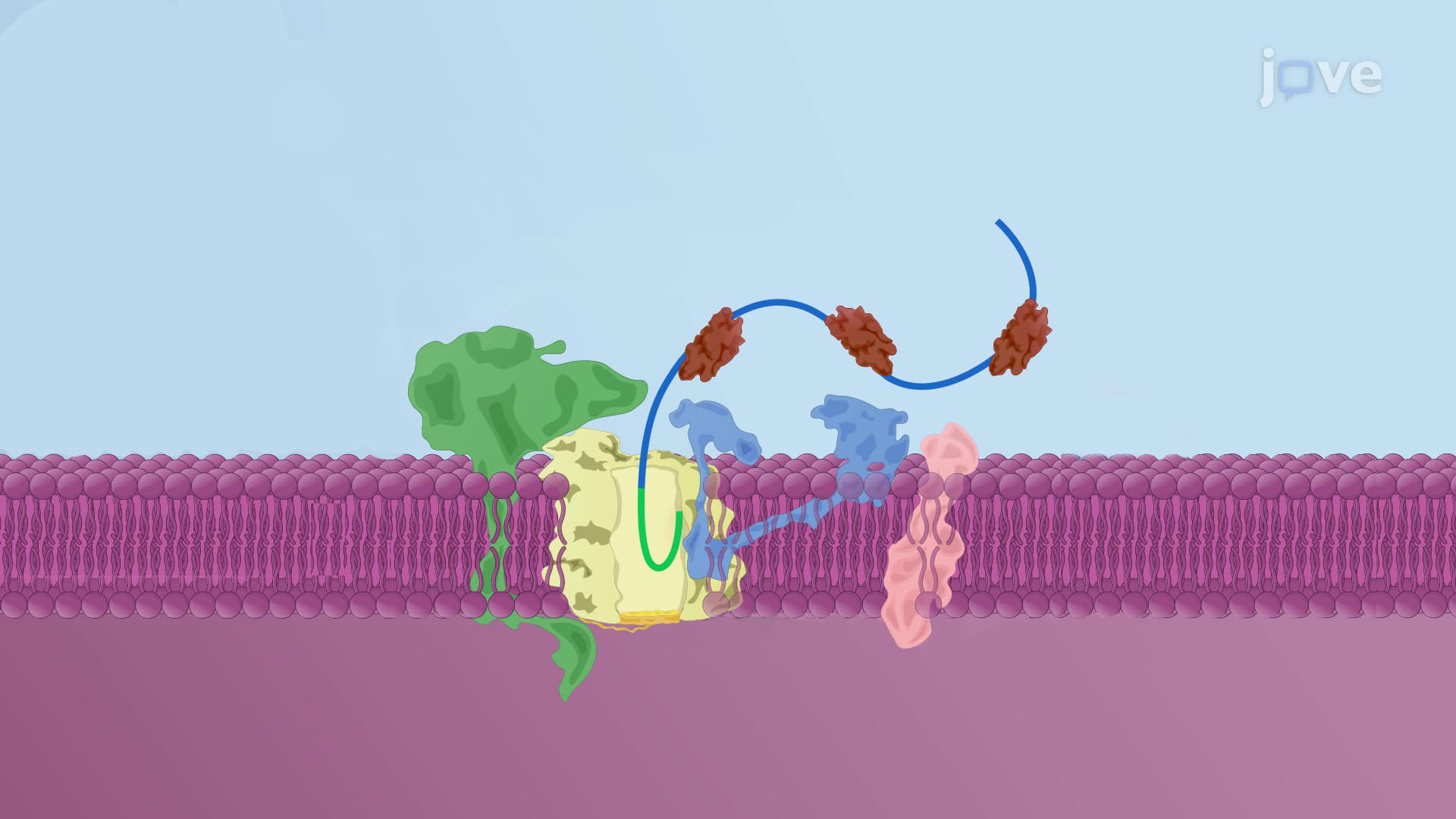
The system becomes activated when the ER-associated degradation (ERAD) pathway becomes overwhelmed. Normally, ERAD efficiently removes misfolded proteins, but during severe stress-such as exposure to toxins, high temperatures, or genetic mutations-misfolded proteins accumulate faster than they can be cleared.
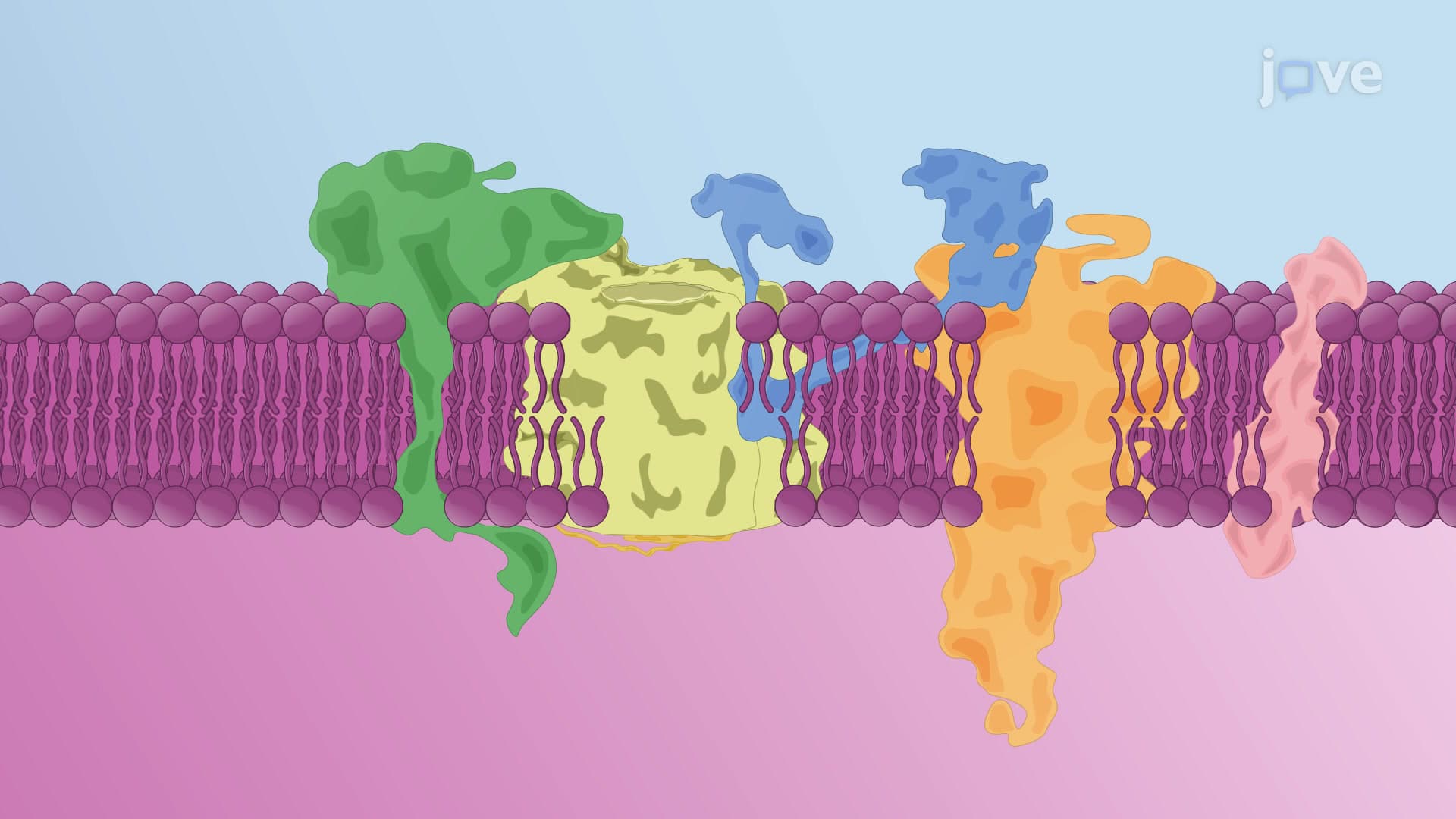
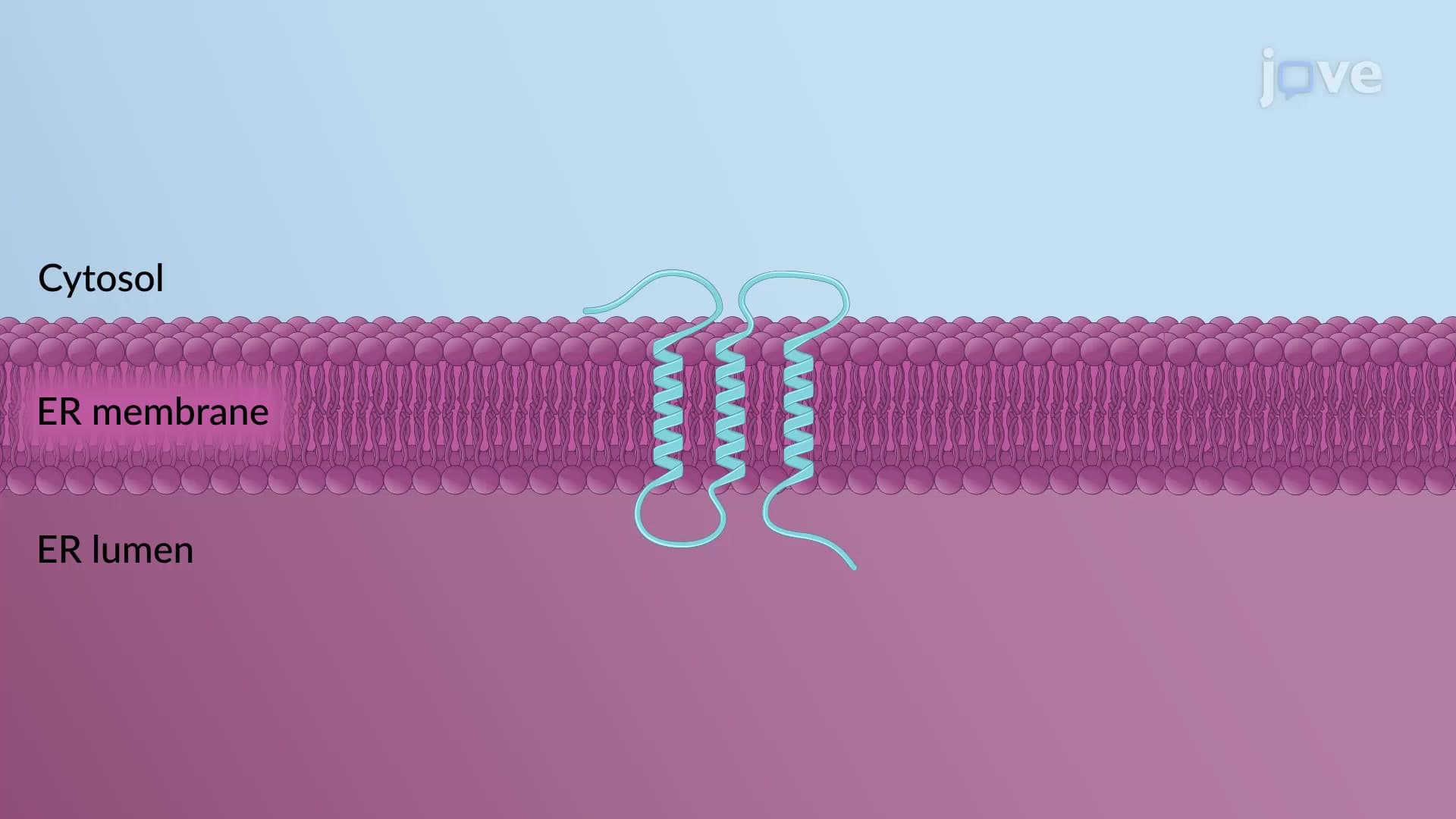
The UPR employs three transmembrane sensor proteins, each with specialized functions. IRE1 (Inositol-Requiring Enzyme 1) acts as the primary alarm system. When activated by misfolded proteins, IRE1 dimerizes and initiates mRNA splicing that leads to increased chaperone production. These molecular assistants help proteins fold correctly, like having extra tutors during exam season.
ATF6 (Activating Transcription Factor 6) takes a different approach. Upon sensing stress, it relocates from the ER to the Golgi apparatus, where it undergoes proteolytic cleavage. The resulting fragment travels to the nucleus and acts as a transcription factor, upregulating genes involved in protein folding and ERAD pathways.
PERK (Protein Kinase R-like ER Kinase) provides the most immediate response by phosphorylating eIF2α, effectively putting the brakes on protein synthesis. This prevents the cell from making the problem worse by producing more proteins when it's already struggling to handle existing ones.
Understanding the UPR proves crucial for students pursuing healthcare careers in the United States. The response plays significant roles in diseases affecting millions of Americans, including type 2 diabetes (where pancreatic beta cells experience ER stress), Alzheimer's disease, and certain cancers. Pharmaceutical companies like Pfizer and Merck actively research UPR modulators as potential therapeutics.
For students preparing for the MCAT or AP Biology exams, the UPR illustrates key principles of cellular homeostasis and stress response. College biochemistry courses frequently feature UPR mechanisms in discussions of protein quality control, making this concept essential for pre-med students at institutions like Harvard Medical School or Johns Hopkins University.
The UPR doesn't work in isolation-it integrates with other cellular stress responses, including the heat shock response and autophagy pathways. This interconnected network demonstrates how cells maintain protein homeostasis under diverse stress conditions, a concept frequently tested in advanced biology coursework and medical school examinations.
Related Micro-courses