Loading subject page…


1,932 views


Video Summary: Circuit Breaker and Fuse Selection Explained
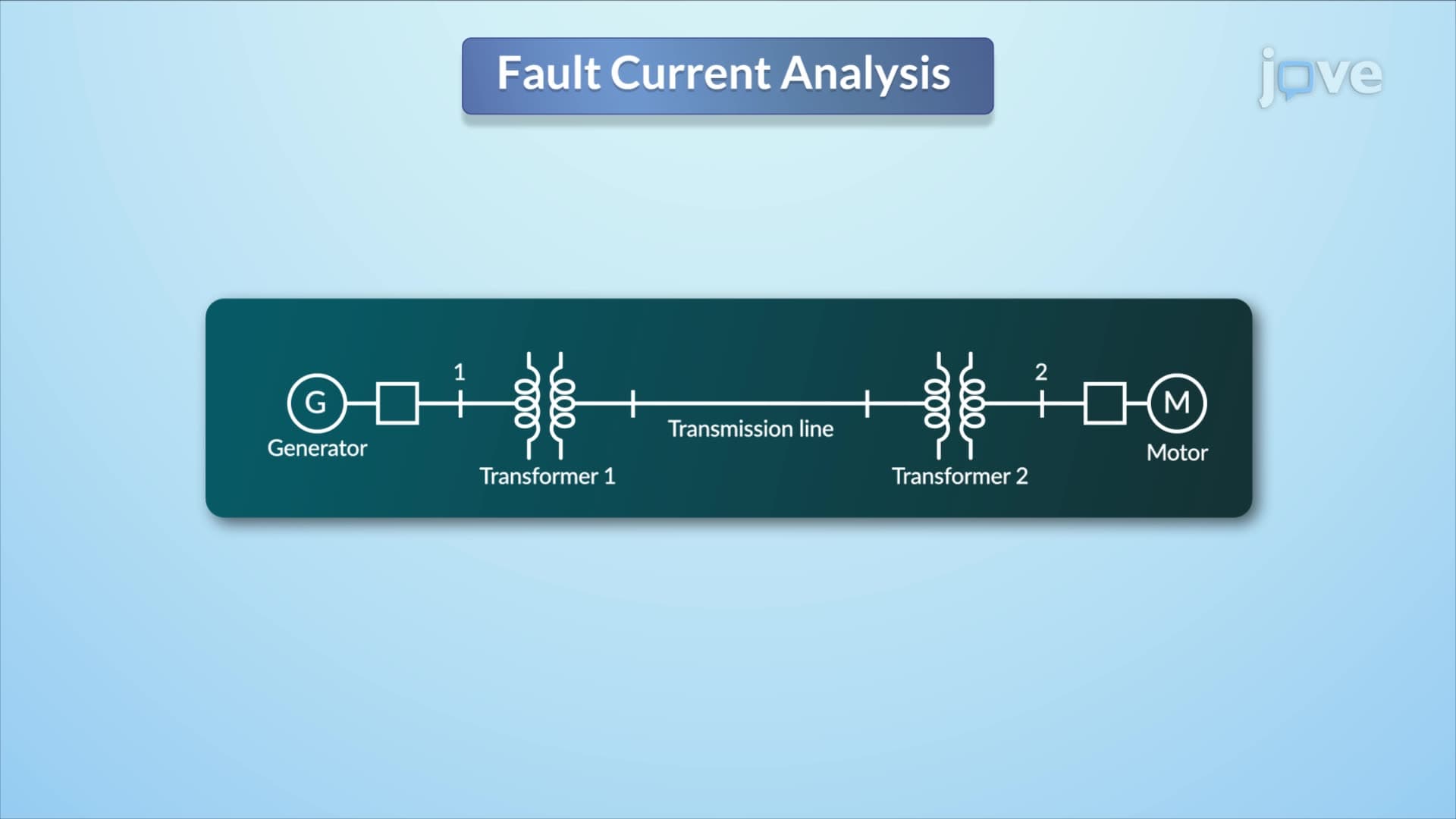
Ever wondered how your home stays safe from electrical fires? Sequence networks of rotating machines form the foundation for understanding how circuit breakers protect electrical systems by analyzing fault currents through positive, negative, and zero sequence components. When a short circuit occurs at a manufacturing facility like General Electric's turbine plant in Schenectady, New York, engineers must calculate fault currents using these sequence networks to select proper protection equipment. Circuit Breaker And Fuse Selection Explained demonstrates how these protective devices interrupt dangerous fault currents through arc extinction techniques. Watch the full video on JoVE Coach to master this concept with expert-led visuals and step-by-step explanations.
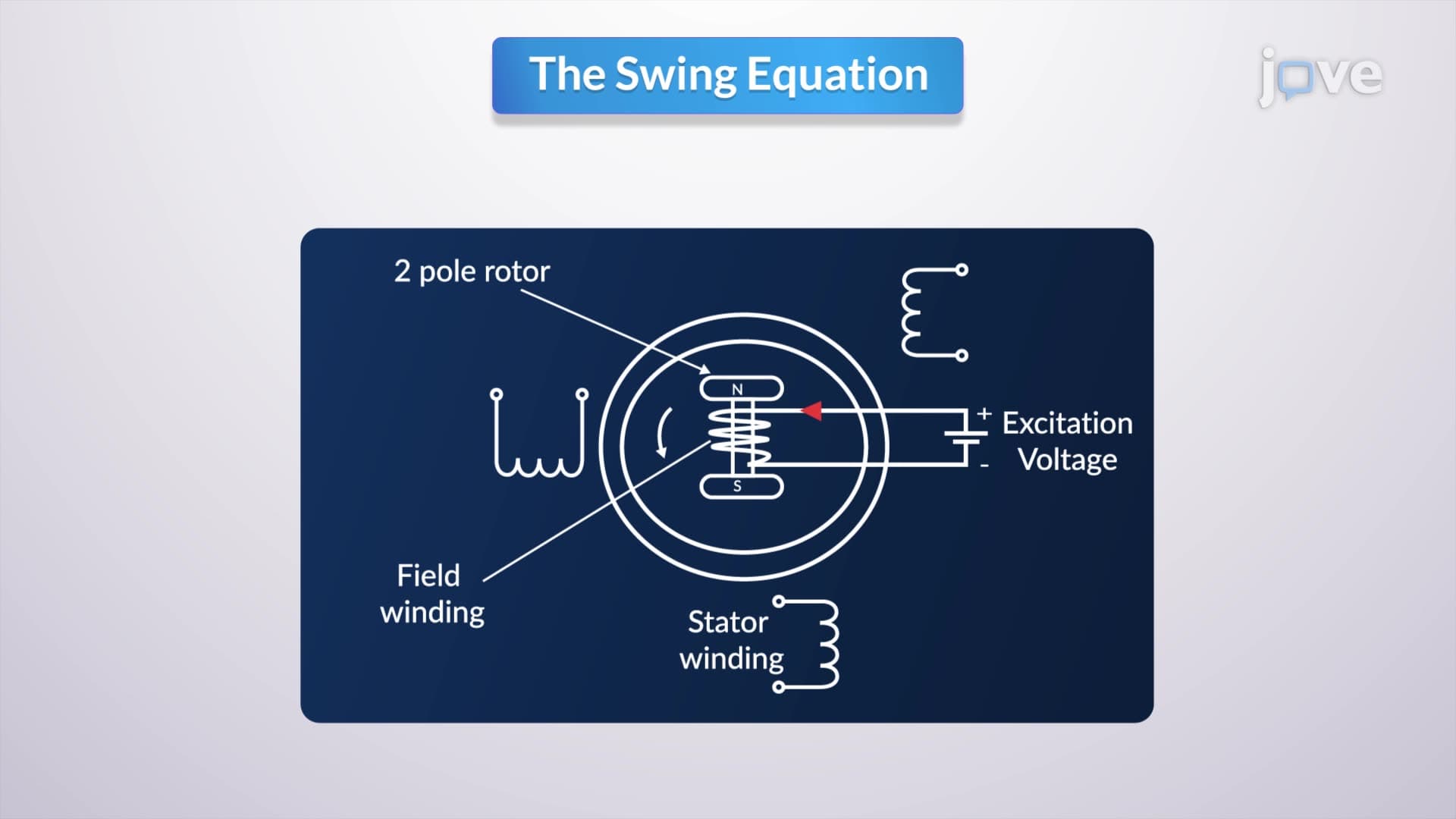
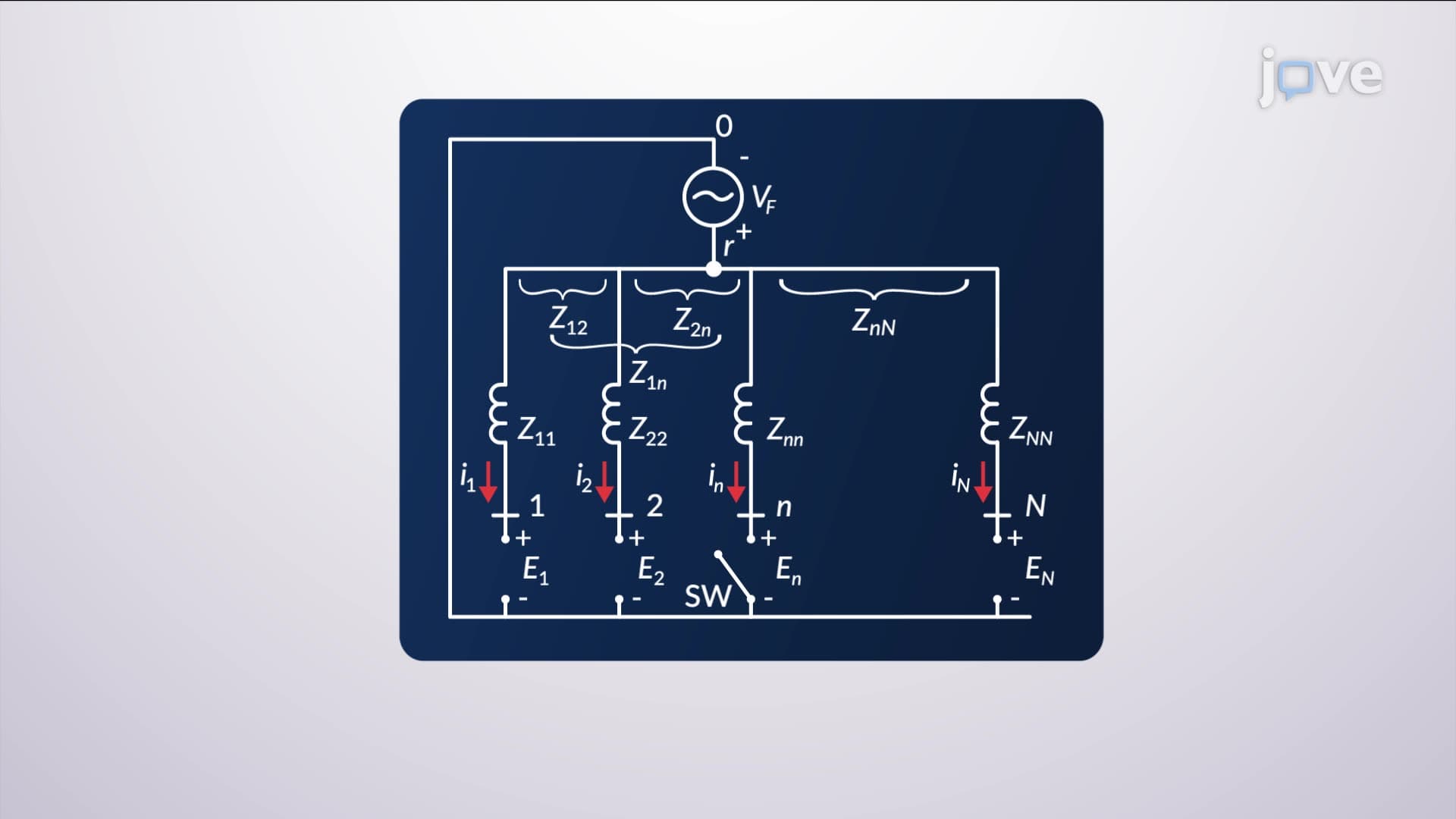
Circuit breaker and fuse selection requires comprehensive analysis of electrical system behavior during fault conditions. The foundation lies in sequence networks of rotating machines, which decompose unbalanced fault currents into symmetrical components. This mathematical framework enables engineers to predict how generators, motors, and transformers contribute fault current during short circuits.
Sequence networks consist of three separate networks: positive sequence (normal operation), negative sequence (reverse rotation effects), and zero sequence (ground fault paths). For rotating machines, each network has distinct impedance characteristics. Positive sequence impedance represents normal operating conditions, while negative and zero sequence impedances account for fault scenarios.
High-voltage circuit breakers (above 1000V) employ sophisticated arc extinction methods including SF6 gas, vacuum, or oil mediums. These breakers feature automatic reclosing capabilities, attempting to restore service 15-50 cycles after interruption. If the fault persists, the breaker locks out permanently, requiring manual operator intervention. Power companies like Pacific Gas & Electric use these systems to protect transmission lines serving California's electrical grid.
Low-voltage applications (below 1000V) typically use molded-case circuit breakers with dual protection mechanisms. Magnetic trips respond instantaneously to large fault currents (10-20 times rated current), while thermal trips handle sustained overloads (1.25-6 times rated current). This dual approach protects against both short circuits and equipment overheating scenarios common in industrial facilities.
The E/X simplified method streamlines breaker selection by calculating maximum symmetrical short-circuit current using pre-fault voltage divided by total system reactance. This approach neglects resistance and other factors for conservative protection sizing. However, rotating machines require special consideration due to their time-varying impedance characteristics.
Generators present sub-transient reactance (X"d) during the first few cycles after fault initiation, transitioning to transient reactance (X'd) over several cycles. Two-cycle breakers must interrupt based on sub-transient fault current levels since they operate before impedance transitions occur. Synchronous motors exhibit similar behavior, with breaker speed determining which reactance value governs selection criteria.
For AP Physics and college-level power systems courses, students must master these time-dependent impedance concepts. The NCEES Fundamentals of Engineering exam frequently tests circuit breaker application principles, particularly sequence network analysis and fault current calculations.
Related Micro-courses