Loading subject page…


1,932 views


Video Summary: Three Phase Short Circuit Unloaded Explained
When a major blackout strikes cities like New York or Houston, power system three phase short circuits are often the culprit behind cascading failures that leave millions without electricity. Understanding Three Phase Short Circuit Unloaded behavior is crucial for preventing such disasters, as these fault conditions create dangerous current surges that can destroy expensive transformers and generators within seconds. By analyzing how unloaded synchronous machines respond to short circuit conditions, engineers can design protective systems that automatically isolate faults before widespread damage occurs. Watch the full video on JoVE Coach to master this concept with expert-led visuals and step-by-step explanations.
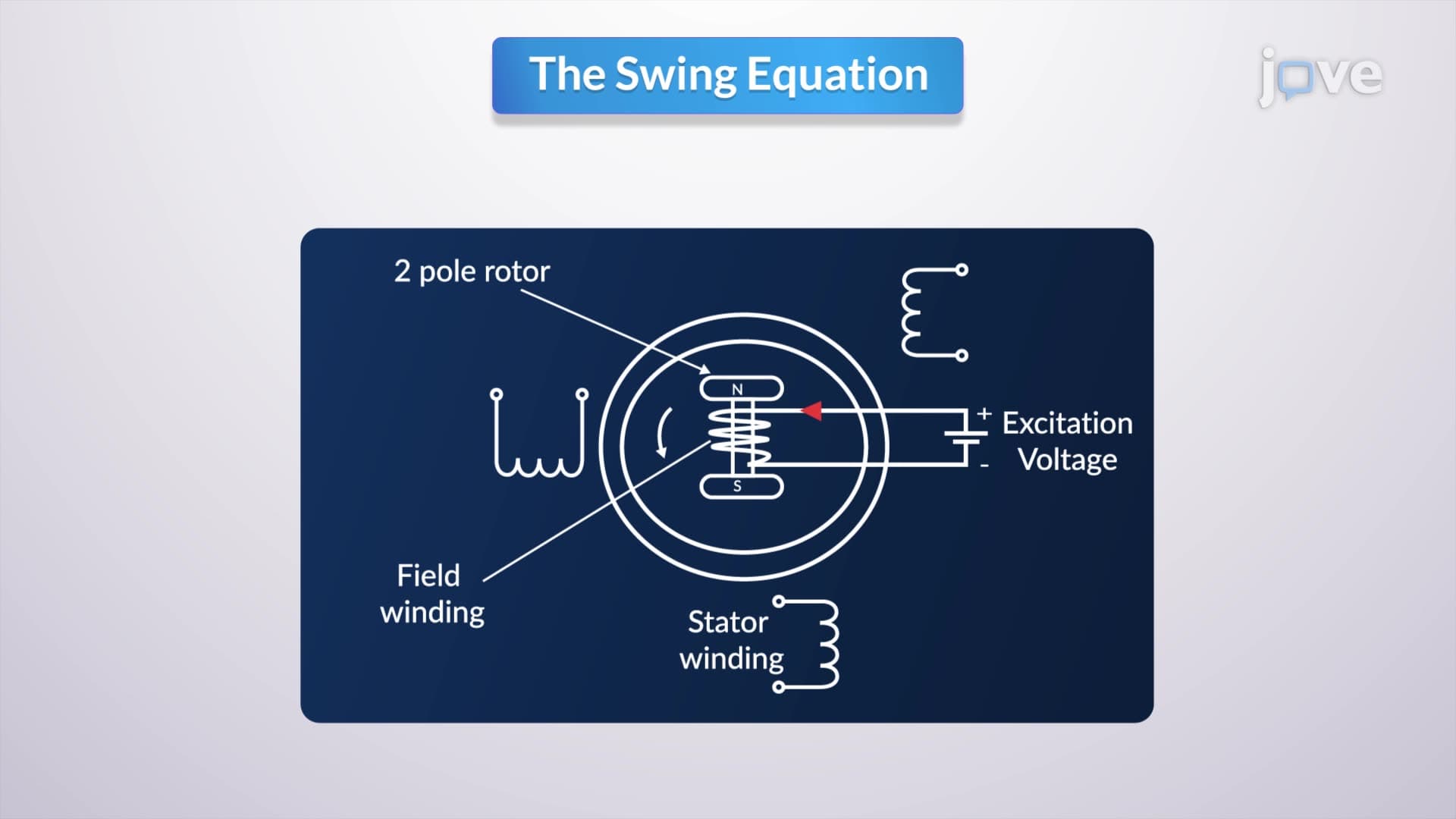
Power system three phase short circuits represent one of the most critical fault conditions in electrical engineering. When studying Three Phase Short Circuit Unloaded scenarios, we examine how synchronous generators and motors behave when their terminals are suddenly connected together while operating without external load. This analysis is essential for power system engineers at major US utilities like Duke Energy, Pacific Gas & Electric, and Texas's ERCOT grid operator.
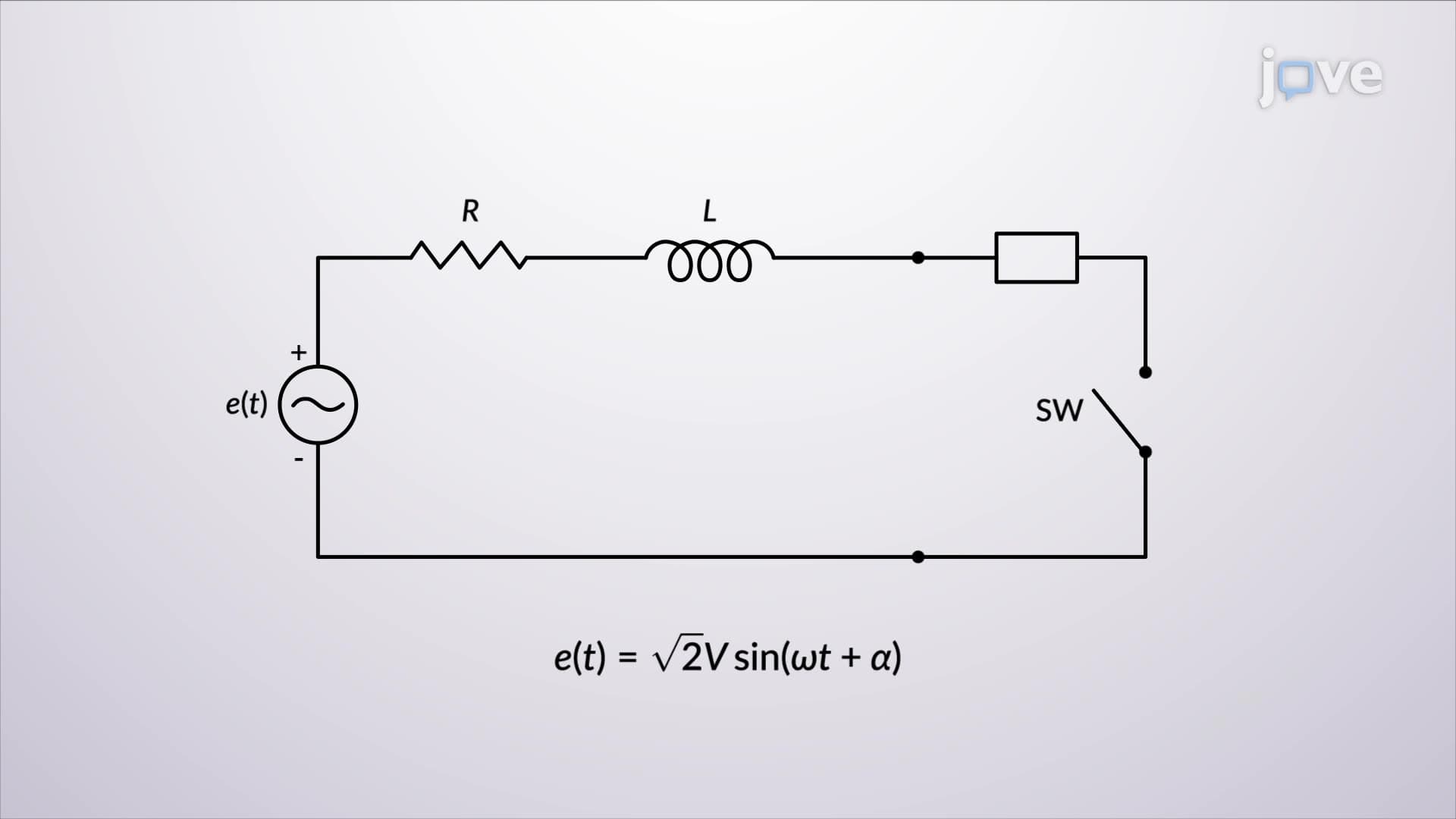
The power system three phase short circuits tutorial approach begins with understanding the characteristic fault current waveform. Unlike simple resistive circuits studied in introductory physics, real machines exhibit complex behavior due to magnetic coupling effects. The initial fault current can reach 10-15 times normal operating current, potentially destroying equipment within milliseconds if protective systems fail to respond.
How power system three phase short circuits works depends heavily on three distinct reactances: sub-transient (X"d), transient (X'd), and synchronous (Xd) reactances. These parameters, measured along the machine's direct axis, determine fault current magnitude at different time intervals. The sub-transient reactance governs the first few cycles (0-0.1 seconds), while synchronous reactance determines the final steady-state current.
For understanding power system three phase short circuits, consider a typical 500 MW steam turbine generator at a coal plant in West Virginia. During a terminal short circuit, the fault current follows a predictable decay pattern governed by electromagnetic time constants. The sub-transient time constant (T"d) typically ranges from 0.03-0.05 seconds, while the transient time constant (T'd) extends to 0.5-2.0 seconds.
The power system three basics of fault analysis directly impact protective relay settings used throughout the US electrical grid. Engineers at companies like General Electric and Schneider Electric design protective systems using these fault current predictions. AP Physics C students encounter simplified versions of these concepts when studying electromagnetic induction, while electrical engineering undergraduates at institutions like MIT, Stanford, and Georgia Tech delve deeper into the mathematical modeling.
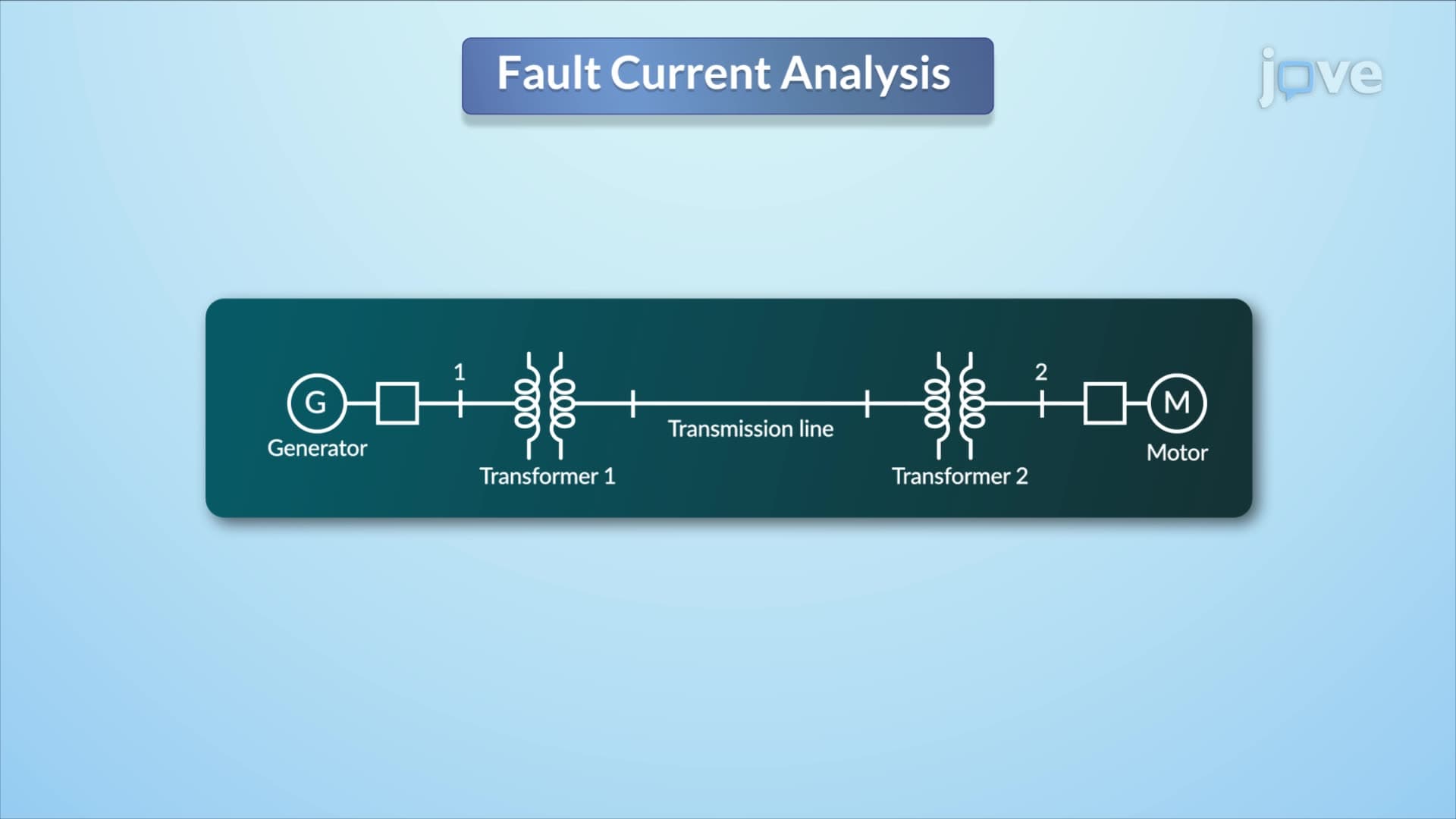
Real-world applications include sizing circuit breakers, setting protective relay coordination, and designing generator step-up transformers. The Tennessee Valley Authority, for instance, uses detailed short-circuit studies to ensure their nuclear plants can safely ride through grid disturbances without compromising reactor safety systems.
Related Micro-courses