Loading subject page…


1,932 views


Video Summary: What are Fault Types
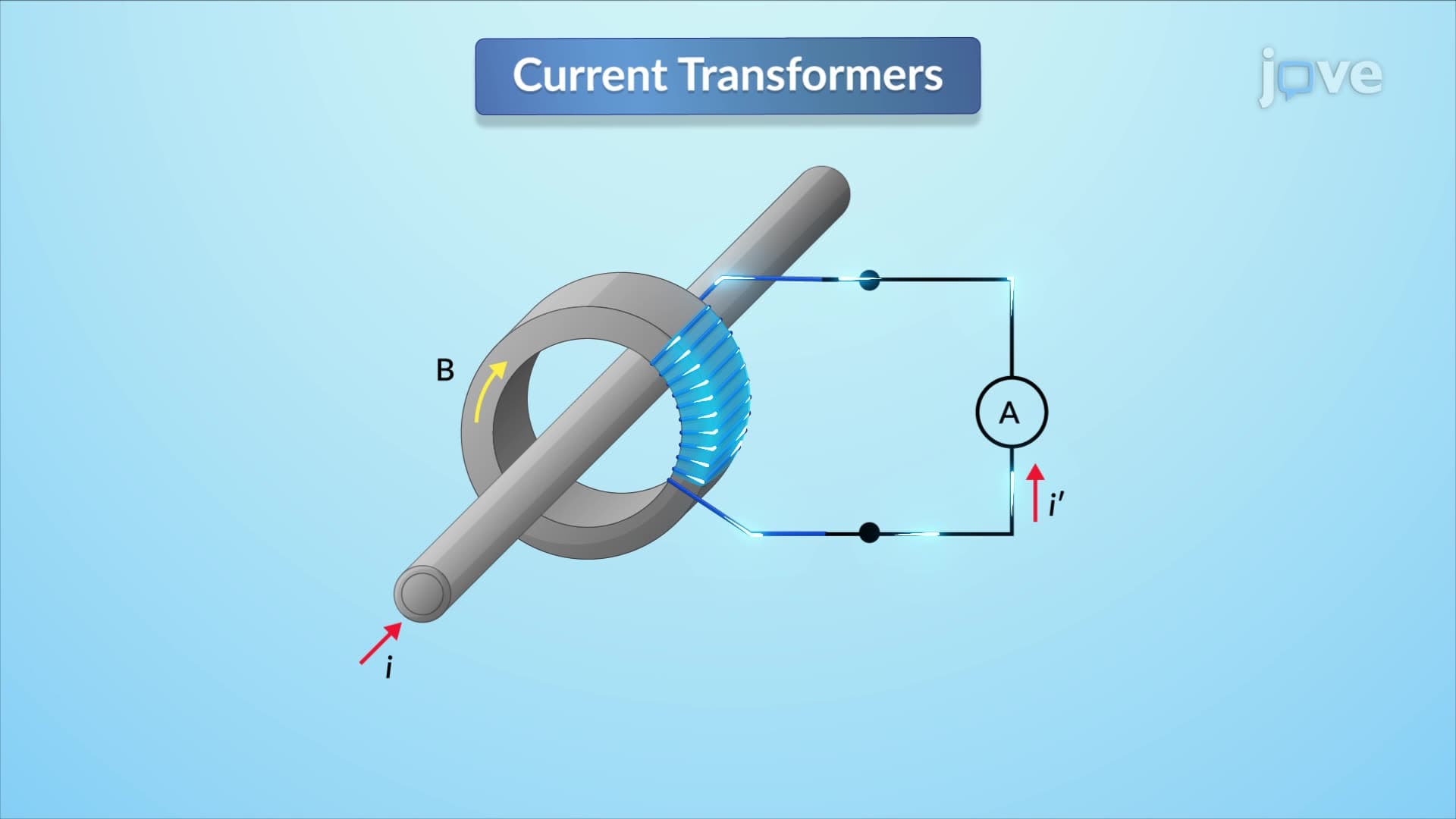
When a major blackout hits cities like New York or Los Angeles, electrical engineers immediately investigate fault types to restore power safely. Instrument transformers play a crucial role in detecting and measuring these electrical faults in power systems, from simple line-to-ground faults to complex double line-to-ground scenarios. Understanding what are fault types helps engineers analyze sequence networks and calculate fault currents that protect our electrical grid. Watch the full video on JoVE Coach to master this concept with expert-led visuals and step-by-step explanations.
Electrical fault types represent critical disturbances in three-phase power systems that can cause equipment damage, power outages, and safety hazards. Engineers classify these faults based on which phases are involved and how they connect to ground, making fault analysis essential for designing protective systems in everything from residential neighborhoods to major industrial facilities.
Single line-to-ground faults account for approximately 80% of all transmission line faults in the United States. These occur when one phase conductor contacts ground through various impedance paths. In a bolted fault, the impedance approaches zero, creating maximum fault current. Arcing faults involve arc impedance, while insulator flashovers on transmission lines create impedance equal to the total fault path resistance. Utility companies like Pacific Gas & Electric use sophisticated instrument transformers to detect these faults instantly, triggering protective relays that isolate damaged sections.
Line-to-line faults involve two phases connecting directly without ground involvement, typically occurring during severe weather when conductors swing together or when equipment fails. These faults require parallel connection of positive and negative-sequence networks through the fault impedance. Double line-to-ground faults, though less common, create the most complex analysis scenarios by involving all three sequence networks connected in parallel. Major substations serving cities like Chicago or Houston employ specialized instrument transformers that can distinguish between these different fault signatures.
The transformation from phase domain to sequence domain simplifies fault analysis by decomposing unbalanced three-phase systems into balanced positive, negative, and zero-sequence components. This mathematical approach, developed by Charles Fortescue, enables engineers to solve complex fault scenarios systematically. Students preparing for the NCEES Electrical Engineering exam frequently encounter problems requiring sequence analysis, making this concept fundamental for professional licensure. Understanding instrument transformers becomes crucial since these devices provide the measurements needed for sequence calculations in real power systems.
Related Micro-courses