- Introduction to Psychology
- Motivation and Emotion
Micro-courses:13

Motivation and Emotion

1. Introduction to Motivation and Emotion
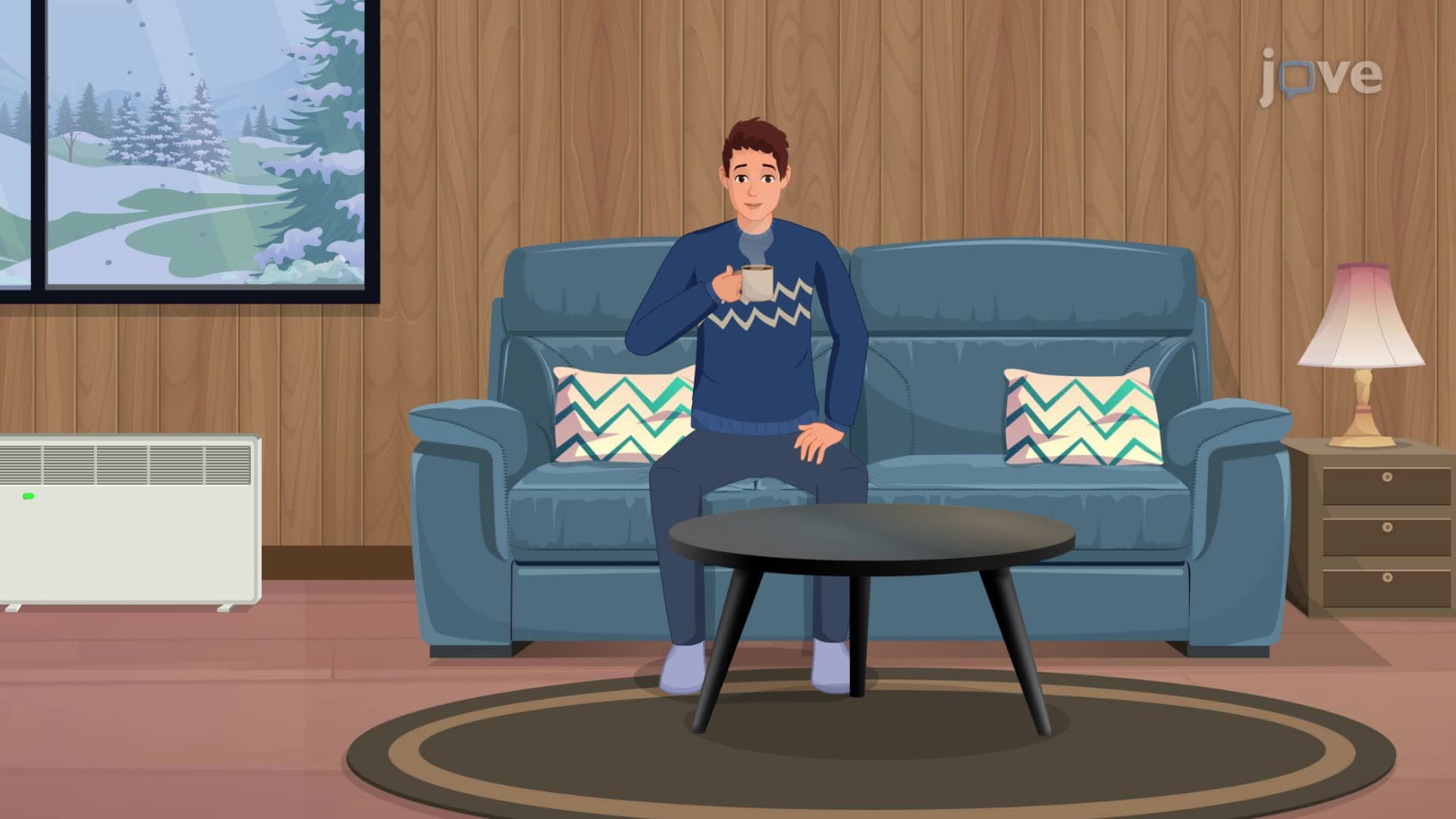
2. Motivational Cycle

3. Primary Motives: Hunger and Thirst

4. Primary Motives: Sleep, Sex, and Pain Avoidance

5. Secondary Motives: Power Motivation and Achievement Motivation

6. Secondary Motives: Affiliation Motivation and Aggression Motivation

7. Instinct Theory

8. Drive-Reduction Theory: Push Theory of Motivation

9. Incentive Theory: Pull Theory of Motivation

10. Optimal Arousal Theory

11. Maslow's Need Hierarchy Theory
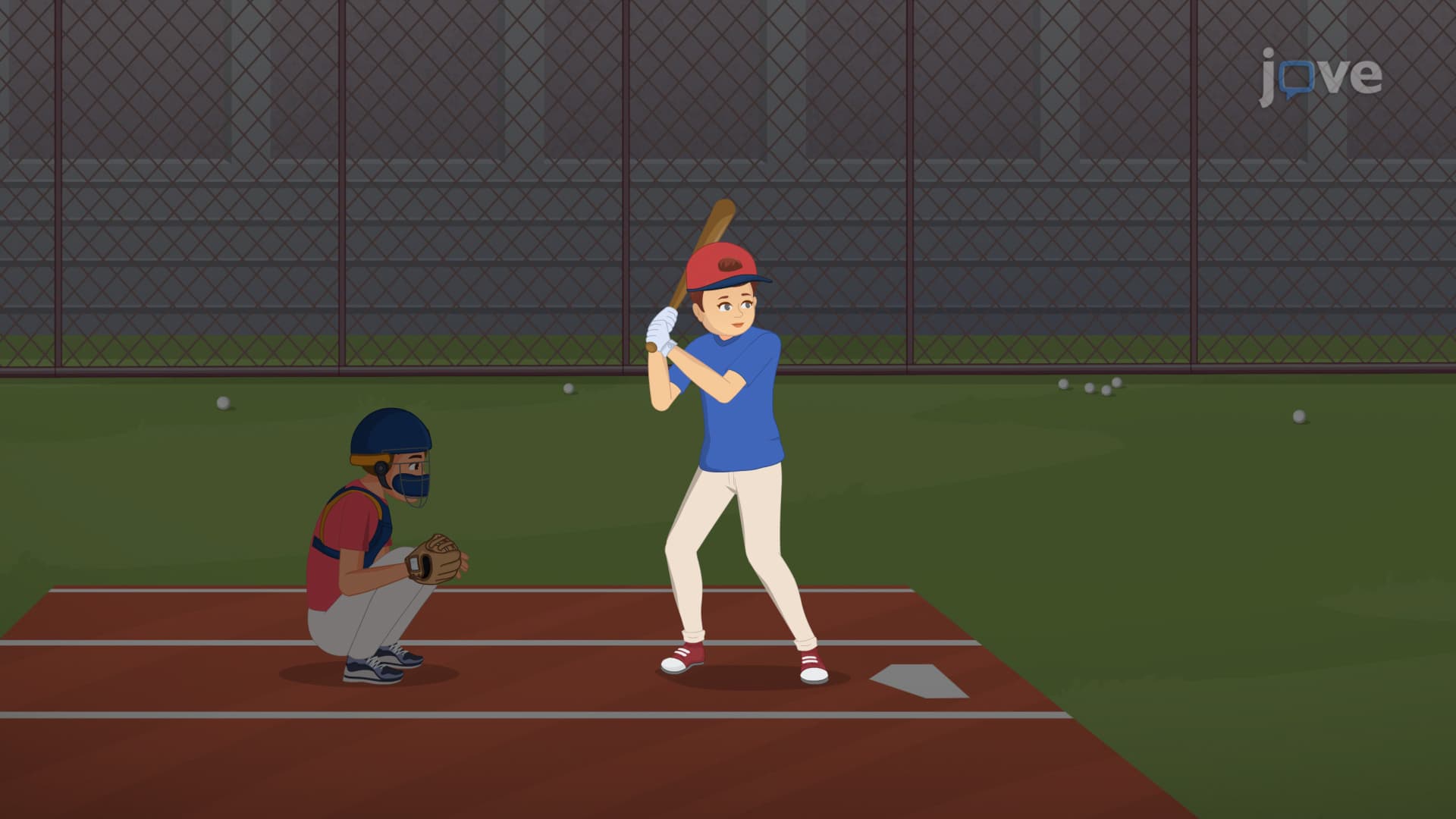
12. Ryan and Deci's Self-Determination Theory

13. Physiology of Emotion

14. Emotional Expression
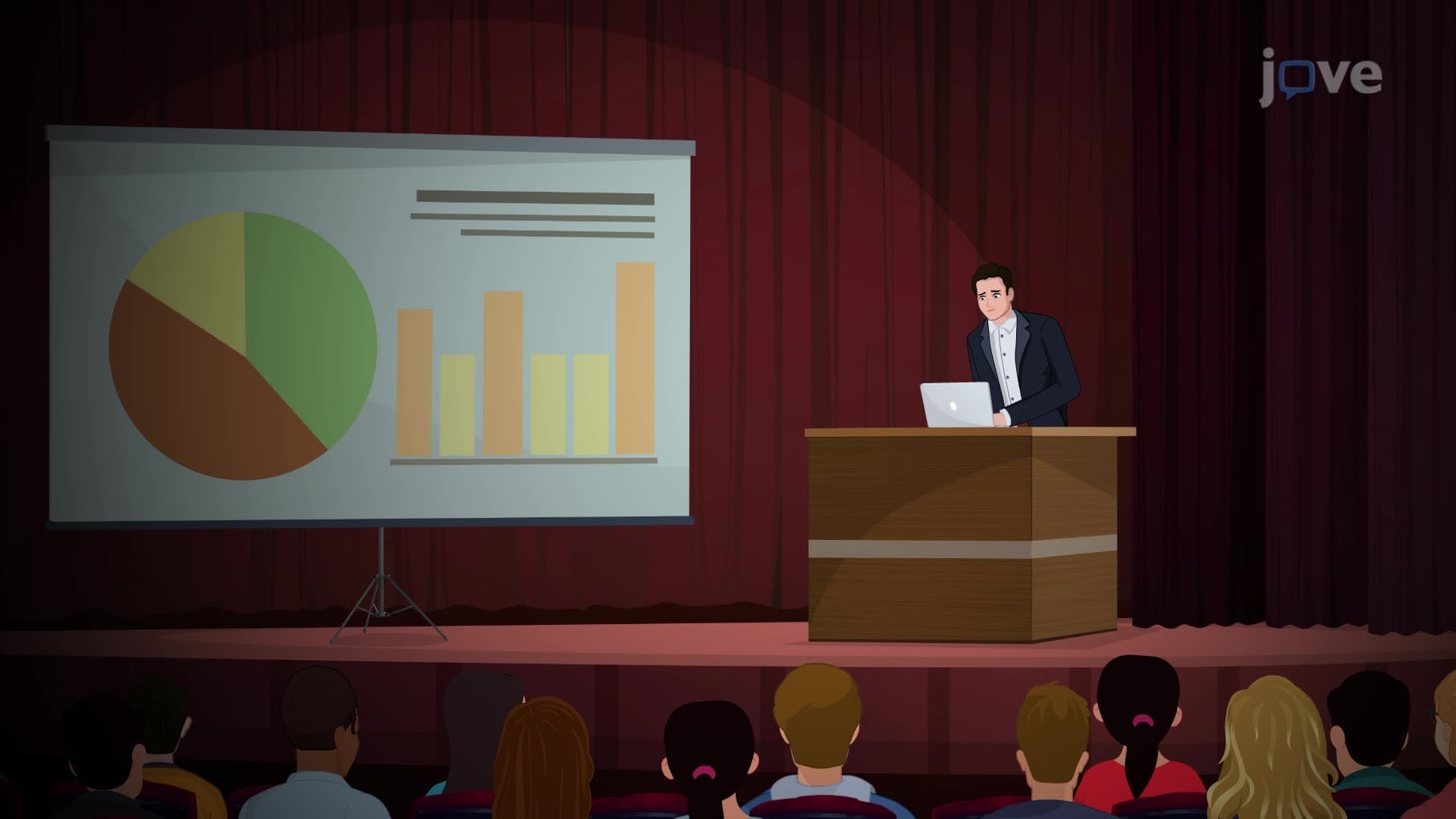
15. Labeling Emotion
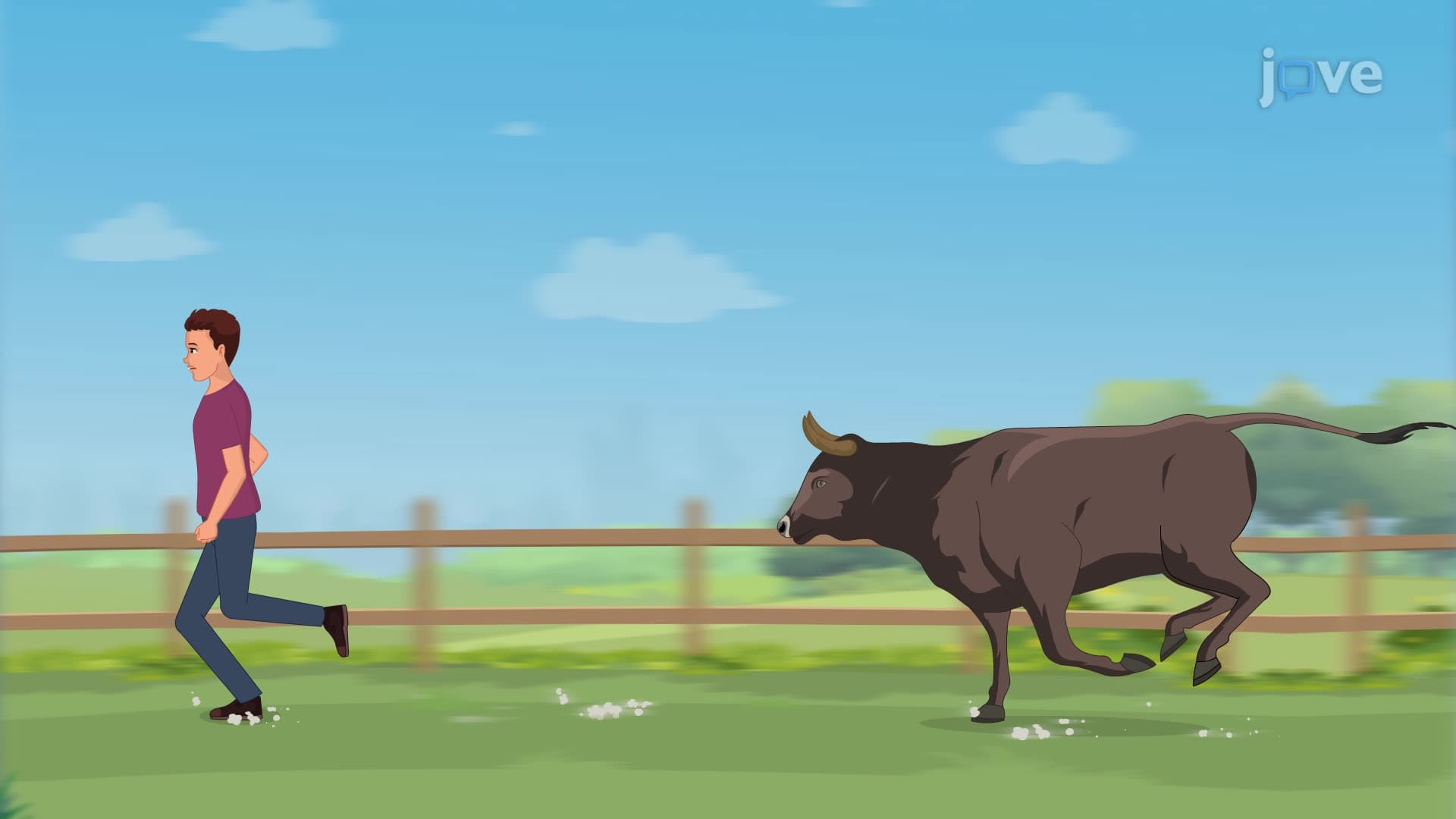
16. Physiological Theories: James-Lange Theory of Emotion

17. Physiological Theories: Cannon-Bard Theory of Emotion
18. Cognitive Theories: Schachter-Singer Theory of Emotion

19. Cognitive Theories: Lazarus Mediational Theory of Emotion

20. Facial Feedback Hypothesis
Motivation and emotion are fundamental psychological processes that drive human behavior and shape our experiences. This comprehensive course explores how motivation and emotion are explained in psychology through various theories of motivation psychology, from basic drives like hunger and thirst to complex social needs. Students will examine intrinsic and extrinsic motivation, emotional physiology, and major theoretical frameworks including Maslow's hierarchy and self-determination theory, with practical applications through JoVE Coach's interactive learning approach.
- Understand the fundamental differences between motivation and emotion and their roles in human behavior
- Learn the motivational cycle and how physiological and psychological needs drive goal-directed behavior
- Identify primary motives including hunger, thirst, sleep, and sexual motivation that ensure survival
- Explore secondary motives such as achievement, power, affiliation, and aggression motivation
- Analyze major motivation theories including drive-reduction, incentive theory, and optimal arousal theory
- Apply Maslow's hierarchy of needs and self-determination theory to real-world scenarios
- Understand the physiology of emotions and how brain structures regulate emotional responses
- Examine emotion theories from James-Lange to cognitive appraisal approaches
- Learn about emotional expression, cultural variations, and the facial feedback hypothesis
1. Foundations of Motivation and Emotion Motivation involves initiating, guiding, and maintaining actions to fulfill physiological or psychological needs, while emotion encompasses complex psychological states involving subjective experiences, physiological responses, and behavioral expressions. The motivational cycle demonstrates how needs create drives that lead to goal-directed behavior and eventual satisfaction. Students explore intrinsic motivation (personal satisfaction) versus extrinsic motivation (external rewards), understanding how these different types influence behavior in American educational settings, workplace environments, and daily life situations.
2. Primary Physiological Motives Primary motives ensure survival through basic biological drives. Hunger regulation involves the hypothalamus, with the lateral hypothalamus initiating eating and the ventromedial hypothalamus signaling satiety, influenced by hormones like ghrelin and leptin. Thirst operates through the double-depletion hypothesis, responding to cellular and extracellular dehydration detected by osmoreceptors and blood pressure changes. Sleep motivation promotes restoration and memory consolidation, while sexual motivation involves testosterone in males and both estrogen and testosterone in females, influenced by psychological and social factors reflecting American cultural contexts.
3. Secondary Social Motives Secondary motives reflect learned psychological needs shaped by experience and culture. Achievement motivation drives individuals to succeed and avoid failure, commonly seen in American academic and business environments where students set challenging goals and entrepreneurs pursue higher performance standards. Power motivation involves the desire to influence others, manifested in leadership roles and competitive activities. Affiliation motivation reflects the need for social connection and belonging, crucial for psychological well-being and evident in American social structures like study groups and team sports.
4. Classical Motivation Theories Drive-reduction theory explains how biological imbalances create drives that motivate behavior toward homeostasis, distinguishing between primary drives (hunger, thirst) and secondary acquired drives (money, approval). Incentive theory focuses on external rewards pulling behavior, contrasting intrinsic and extrinsic motivation while explaining the overjustification effect observed in American educational research. Optimal arousal theory, based on the Yerkes-Dodson law, shows how moderate arousal levels optimize performance, with applications ranging from student test-taking strategies to athletic performance in American sports contexts.
5. Humanistic Motivation Frameworks Maslow's hierarchy of needs organizes human motivation from physiological needs through safety, love and belongingness, esteem, to self-actualization, though critics note limited empirical support and cultural variations. Self-determination theory identifies three fundamental needs: autonomy (controlling one's actions), competence (feeling effective), and relatedness (meaningful connections). These frameworks apply to American educational systems, workplace motivation, and personal development, explaining how satisfying basic needs enables pursuit of higher-level goals and intrinsic motivation that fosters personal growth and satisfaction.
6. Physiological Bases of Emotion Emotional physiology involves complex interactions between the autonomic nervous system, brain structures, and chemical messengers. The sympathetic nervous system triggers arousal responses (increased heart rate, rapid breathing), while the parasympathetic system promotes calm recovery. Key brain regions include the amygdala for fear and aggression recognition, hypothalamus for emotional regulation, and cortical hemispheric specialization with left activation during positive emotions and right during negative emotions. Hormones like cortisol heighten stress sensitivity while oxytocin fosters social bonding, with neurotransmitters like serotonin and dopamine influencing aggression and pleasure respectively.
7. Emotional Expression and Recognition Emotional expression encompasses verbal and non-verbal communication including facial expressions, body language, and gestures. Paul Ekman identified seven universal basic emotions (anger, fear, disgust, happiness, surprise, sadness, contempt) recognized across cultures, with evidence from individuals blind from birth supporting biological hardwiring. However, display rules vary culturally, with individualistic American culture encouraging open expression while collectivistic cultures emphasize emotional control. Gender differences in American society show men often reluctant to discuss feelings while women face expectations for emotional expression, reflecting cultural socialization patterns.
8. Major Emotion Theories Emotion theories explain the relationship between physiological arousal and emotional experience. James-Lange theory proposes emotions arise from interpreting bodily responses to stimuli, suggesting we feel fear because we run rather than running because we feel fear. Cannon-Bard theory argues emotional experience and physiological arousal occur simultaneously but independently through thalamic processing. Schachter-Singer two-factor theory emphasizes both physiological arousal and cognitive labeling, demonstrated through epinephrine experiments showing how environmental cues influence emotional interpretation when individuals lack awareness of arousal sources.
9. Cognitive Approaches to Emotion Lazarus's cognitive mediational theory emphasizes how cognitive appraisal mediates between stimuli and emotional responses, with interpretations based on personal values, goals, and beliefs determining emotional reactions. For example, encountering a snarling dog behind a fence versus an unleashed dog produces different appraisals and emotional responses. The facial feedback hypothesis, rooted in Darwin's evolutionary perspective, suggests facial expressions can influence and intensify emotions, supported by research showing actors' physiological responses change when mimicking different emotional expressions, with practical implications for emotional regulation strategies in American therapeutic and educational contexts.
Frequently Asked Questions
Intrinsic motivation comes from personal satisfaction and internal fulfillment, like reading a book out of curiosity or mastering a skill for the joy of learning. Extrinsic motivation involves external rewards such as grades, money, or recognition. Research shows that excessive external rewards can sometimes decrease intrinsic motivation through the overjustification effect, where people lose interest in activities they once enjoyed when rewards are removed.
Students must satisfy basic physiological needs (food, sleep) and safety needs (secure housing, financial stability) before effectively pursuing higher-level needs. Once these are met, students seek belongingness through friendships and study groups, then esteem through academic achievements and recognition, finally reaching self-actualization through personal growth and realizing their full potential in their chosen fields.
Focus on drive-reduction theory, incentive theory, optimal arousal theory (Yerkes-Dodson law), Maslow's hierarchy, and self-determination theory. Also study the major emotion theories: James-Lange, Cannon-Bard, Schachter-Singer two-factor, and Lazarus's cognitive appraisal theory. Understanding the motivational cycle and distinguishing between primary and secondary motives are essential for exam success.
Create memory devices: James-Lange = "Body first" (physiological arousal leads to emotion), Cannon-Bard = "Simultaneous" (emotion and arousal occur together), Schachter-Singer = "Two factors" (arousal + cognitive label), Lazarus = "Think first" (cognitive appraisal determines emotion). Practice applying each theory to the same scenario, like encountering a snake, to understand their differences.
Individual differences in optimal arousal levels explain why some people are sensation seekers who crave high stimulation and novel experiences, while others prefer calm, predictable environments. These differences relate to personality traits, brain chemistry, and past experiences. The Yerkes-Dodson law shows that optimal arousal varies by person and task complexity.
While basic facial expressions for emotions like happiness and fear are universal, display rules vary significantly across cultures. American individualistic culture generally encourages open emotional expression, while many collectivistic cultures prioritize group harmony and emotional restraint. Understanding these differences is crucial for cross-cultural communication and avoiding misinterpretation of emotional states.
Connect theories to personal experiences and real-world examples. Create concept maps linking different motivation theories, practice distinguishing between similar concepts (like primary vs. secondary motives), and use active recall techniques. For emotion theories, draw diagrams showing the sequence of events in each theory, and practice applying them to various scenarios you might encounter on exams.
Motivation and emotion are closely interconnected. Emotions can trigger motivational states (fear motivates escape behavior), while pursuing motivated goals creates emotional responses (achievement brings joy, failure causes disappointment). Understanding this relationship helps explain complex behaviors like procrastination, where negative emotions about a task can undermine motivation, or how positive emotions can enhance intrinsic motivation and creativity.
This microcourse includes 20 concept videos that walk you through the building blocks of Introduction to Psychology. Each video is short, about 1 minute, so you can cover a full topic during a coffee break or between classes. The full sequence starts with Introduction to Motivation and Emotion and ends with Facial Feedback Hypothesis.
The playlist moves from big-picture ideas to the precise vocabulary used in Introduction to Psychology. Early videos introduce Introduction to Motivation and Emotion, Motivational Cycle, and Primary Motives: Hunger and Thirst. The middle of the series focuses on Secondary Motives: Power Motivation and Achievement Motivation, Secondary Motives: Affiliation Motivation and Aggression Motivation, and Instinct Theory. The final stretch covers Drive-Reduction Theory: Push Theory of Motivation, Incentive Theory: Pull Theory of Motivation, Optimal Arousal Theory, Maslow's Need Hierarchy Theory, Ryan and Deci's Self-Determination Theory, Physiology of Emotion, and Facial Feedback Hypothesis.
The natural next step is Personality. From there, you can move to Developmental Psychology, Stress and Lifestyle, and Psychological Disorders. Once you finish those, the full Introduction to Psychology curriculum of 13 microcourses on JoVE Coach opens up, taking you from foundational concepts to advanced systems.
Related Subjects
 Social Psychology 15 micro-courses›