Loading video…


 25 Concepts
 44.1K views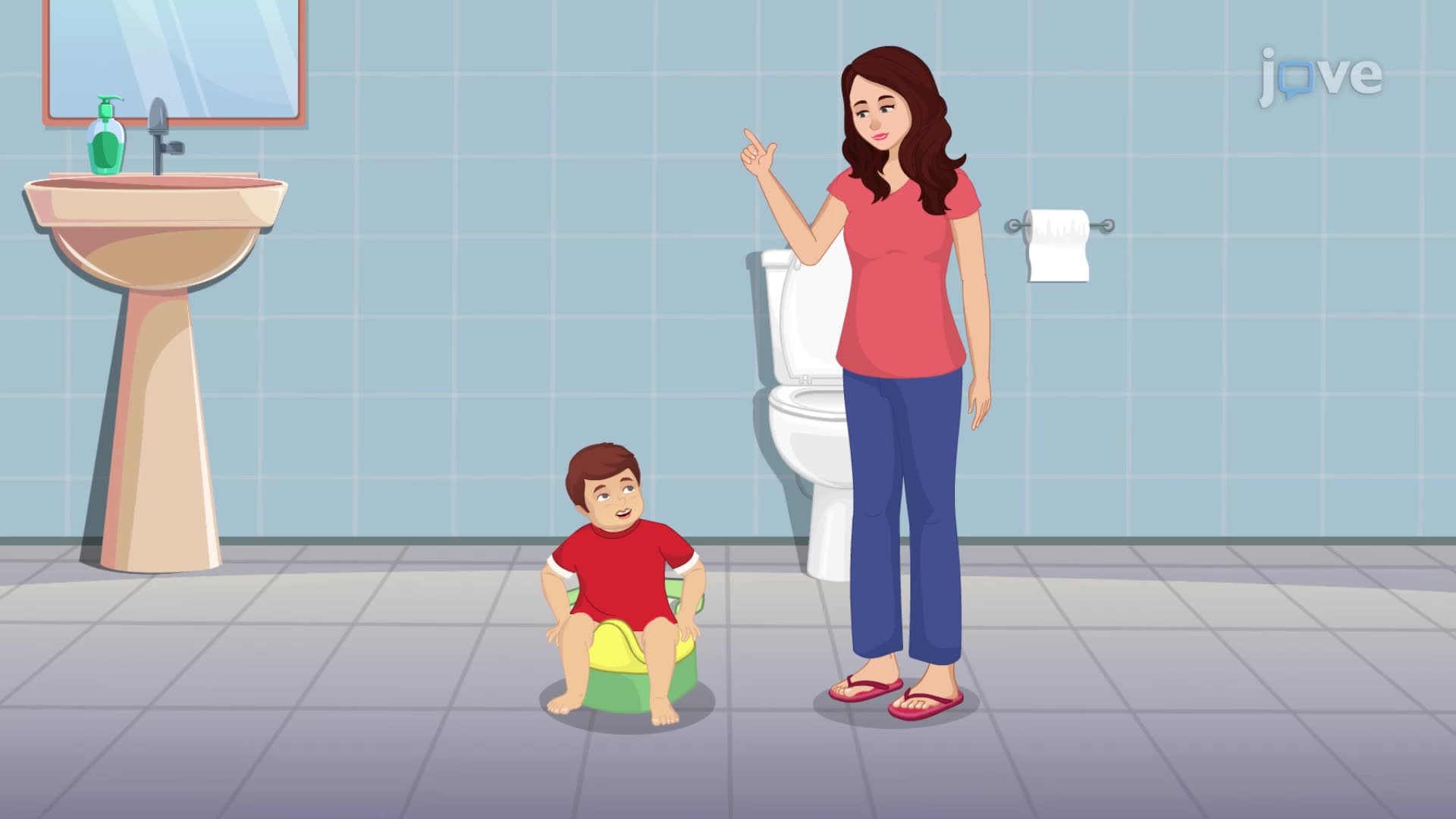

Video Summary: Psychosexual Stages of Personality Anal Explained
Ever wonder why some people are obsessively neat while others embrace chaos? The psychosexual stages of personality anal explained reveals how toilet training between ages 18 months to 3 years shapes lifelong personality traits. Consider a college roommate who color-codes textbooks versus one who leaves clothes everywhere-Freud would trace these differences back to their potty training experiences. This critical developmental phase determines whether children develop anal-retentive traits (perfectionism, orderliness) or anal-expulsive characteristics (messiness, impulsiveness). Watch the full video on JoVE Coach to master this concept with expert-led visuals and step-by-step explanations.
Freud's anal stage represents a pivotal period in personality development where the battleground shifts from feeding to elimination. During this 18-month window, toddlers experience their first major encounter with external authority as parents introduce toilet training expectations. This stage fundamentally shapes how individuals approach control, organization, and authority throughout their lives.
The anal stage centers on the child's discovery of autonomy through controlling bowel movements. Initially, children derive pleasure from the physical sensations of retention and release. However, society-represented by parents-demands regulation of this natural process. This creates the stage's central conflict: personal gratification versus social compliance. Successful navigation requires developing self-discipline while maintaining healthy autonomy.
Harsh, demanding toilet training typically produces anal-retentive personalities. These individuals exhibit excessive orderliness, perfectionism, and stubbornness-think of the medical student who creates elaborate color-coded study schedules or the accountant who alphabetizes grocery lists. Their childhood experience of rigid control creates adults who seek predictability and structure.
Conversely, overly permissive toilet training often results in anal-expulsive personalities. These individuals struggle with self-discipline, organization, and emotional regulation. Consider the college student who consistently misses deadlines or the employee whose desk resembles a tornado aftermath. Their early lack of structure translates into adult difficulty with boundaries and responsibility.
Understanding anal stage dynamics proves essential for psychology students preparing for AP Psychology exams, where Freudian development stages frequently appear. The MCAT psychology section regularly tests knowledge of psychosexual stages and their behavioral implications. Clinical psychology programs emphasize these concepts when studying personality disorders and therapeutic interventions.
Modern research in developmental psychology, while questioning Freud's specific mechanisms, acknowledges that early parent-child interactions significantly influence personality formation. Studies at institutions like Stanford University and Harvard Medical School demonstrate correlations between early childhood experiences and adult personality traits, lending some empirical support to Freudian observations.
Related Micro-courses