Loading subject page…


10 Concepts
26 Concepts
18 Concepts
21 Concepts
25 Concepts
25 Concepts
30 Concepts
20 Concepts
25 Concepts
30 Concepts
20 Concepts
35 Concepts
20 Concepts
 35 Concepts
 10.3K Views
 Popular topics



























Psychological disorders encompass a broad spectrum of mental health conditions that significantly impact an individual's thoughts, emotions, and behaviors. This comprehensive course explores the classification, diagnosis, and understanding of various psychological disorders using the DSM-5 framework. Students will examine anxiety disorders, mood disorders, eating disorders, schizophrenia, personality disorders, and neurodevelopmental conditions through biological, psychological, and sociocultural perspectives. JoVE Coach provides evidence-based insights into how these disorders affect millions of Americans and the theoretical approaches used to understand their development and treatment.
1. Foundations of Abnormal Psychology and DSM-5 Classification - Understanding how behaviors are classified as abnormal using criteria of deviance, maladaptiveness, and personal distress. Students explore the evolution of the Diagnostic and Statistical Manual of Mental Disorders (DSM-5) and its role in standardizing mental health disorders classification. The course examines how American psychiatrists and psychologists use diagnostic criteria, prevalence rates, and comorbidity patterns to identify psychological conditions. Real-world applications include understanding how clinicians differentiate between normal grief and major depressive disorder following the DSM-5's updated criteria.
2. Theoretical Approaches to Understanding Psychological Disorders - Comprehensive examination of four major theoretical frameworks: biological, psychological, sociocultural, and biopsychosocial approaches. Students learn how genetic predisposition, neurotransmitter imbalances, childhood experiences, and cultural factors contribute to disorder development. The biopsychosocial model demonstrates how multiple factors interact, such as how genetic vulnerability to depression combined with stressful life events and social isolation can trigger major depressive episodes. This integrated approach reflects current American mental health practice standards.
3. Anxiety Disorders: From GAD to PTSD - Detailed exploration of anxiety disorder spectrum including generalized anxiety disorder, panic disorder, social anxiety disorder, obsessive-compulsive disorder, and post-traumatic stress disorder. Students examine how these conditions manifest differently, from the persistent worry of GAD affecting work performance to the intrusive thoughts and compulsions of OCD disrupting daily routines. Case studies illustrate how anxiety disorders impact American college students, veterans returning from combat, and individuals in high-stress professions, emphasizing the role of GABA neurotransmitter dysfunction and cognitive-behavioral factors.
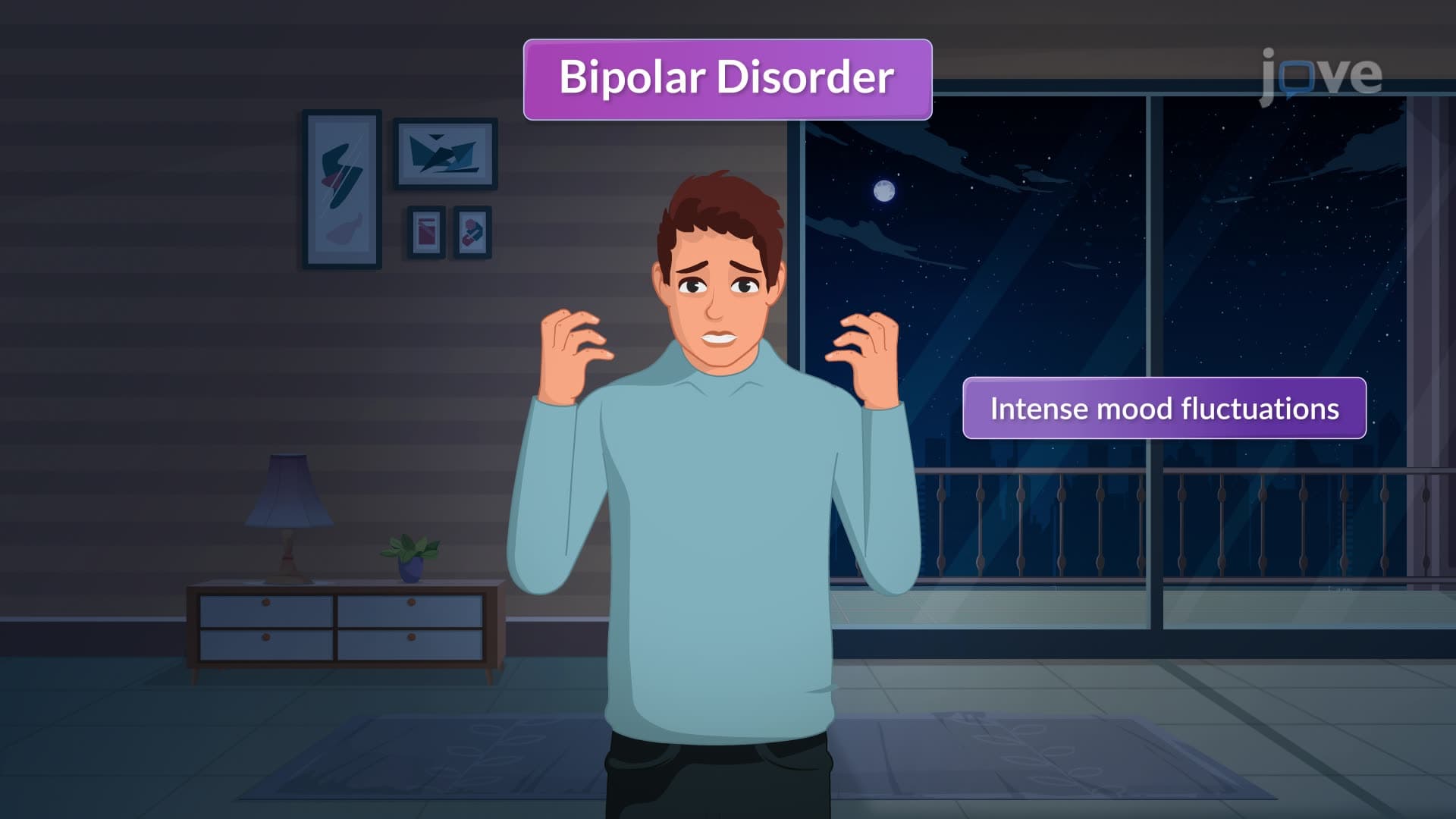
4. Mood Disorders: Depression and Bipolar Spectrum - Comprehensive analysis of major depressive disorder, persistent depressive disorder (dysthymia), and bipolar disorder. Students learn to distinguish between normal sadness and clinical depression, understanding how mood episodes affect functioning in academic, occupational, and social settings. The course explores biological factors like serotonin and norepinephrine imbalances, psychological concepts such as learned helplessness and cognitive distortions, and sociocultural influences including socioeconomic status. Special attention is given to gender differences in depression rates and the genetic heritability of bipolar disorder among American populations.
5. Schizophrenia Spectrum and Psychotic Disorders - In-depth examination of schizophrenia's positive symptoms (hallucinations, delusions, thought disorders), negative symptoms (flat affect, avolition, alogia), and cognitive symptoms affecting attention and memory. Students explore how psychotic symptoms typically emerge in late adolescence or early adulthood, with different onset patterns for males and females. The course addresses biological factors including dopamine dysregulation and structural brain abnormalities, while examining psychological and sociocultural influences such as family communication patterns and urban environment stressors that contribute to schizophrenia development in diverse American communities.
6. Eating Disorders and Body Image Disturbances - Systematic study of anorexia nervosa, bulimia nervosa, and binge eating disorder, emphasizing their prevalence among American adolescents and young adults. Students analyze how cultural beauty standards, media influences, and family dynamics contribute to eating disorder development. The course examines biological factors including genetic predisposition and serotonin regulation, psychological traits like perfectionism and low self-esteem, and sociocultural pressures particularly affecting young women in competitive academic and athletic environments. Treatment approaches combining cognitive-behavioral therapy, family therapy, and medical intervention are explored.
7. Personality Disorders and Interpersonal Functioning - Exploration of personality disorder clusters including paranoid, schizoid, narcissistic, borderline, and antisocial personality disorders. Students learn how these conditions represent enduring patterns of thinking and behaving that deviate from cultural expectations and cause significant impairment. Special focus on borderline personality disorder's emotional instability and fear of abandonment, and antisocial personality disorder's disregard for others' rights, illustrating how these conditions affect relationships, employment, and legal outcomes. The course emphasizes early identification and intervention strategies used in American clinical settings.
8. Neurodevelopmental and Childhood Disorders - Comprehensive coverage of autism spectrum disorder, attention-deficit/hyperactivity disorder (ADHD), intellectual disability, and learning disabilities. Students examine how these conditions typically manifest in childhood and affect academic performance, social development, and family functioning. The course explores diagnostic challenges, such as distinguishing ADHD from normal childhood behavior, and addresses evidence-based interventions including behavioral therapy, educational accommodations, and medication management. Emphasis on how American schools implement Individualized Education Programs (IEPs) and Section 504 plans to support students with neurodevelopmental conditions.