Loading concepts…


10 Concepts
26 Concepts
18 Concepts
21 Concepts
25 Concepts
25 Concepts
30 Concepts
20 Concepts
25 Concepts
30 Concepts
20 Concepts
35 Concepts
20 Concepts
 25 Concepts
 20K Views
 Popular topics

















Learning encompasses the acquisition of knowledge and skills through various psychological mechanisms, resulting in relatively permanent behavioral changes. This comprehensive exploration covers behavioral learning theory including classical and operant conditioning, cognitive learning processes, and observational learning. Students will examine real-world applications from American classrooms to workplace settings, understanding how reinforcement, punishment, and environmental factors shape behavior. Master these fundamental types and principles of psychological learning with JoVE Coach's structured approach to learning psychology.
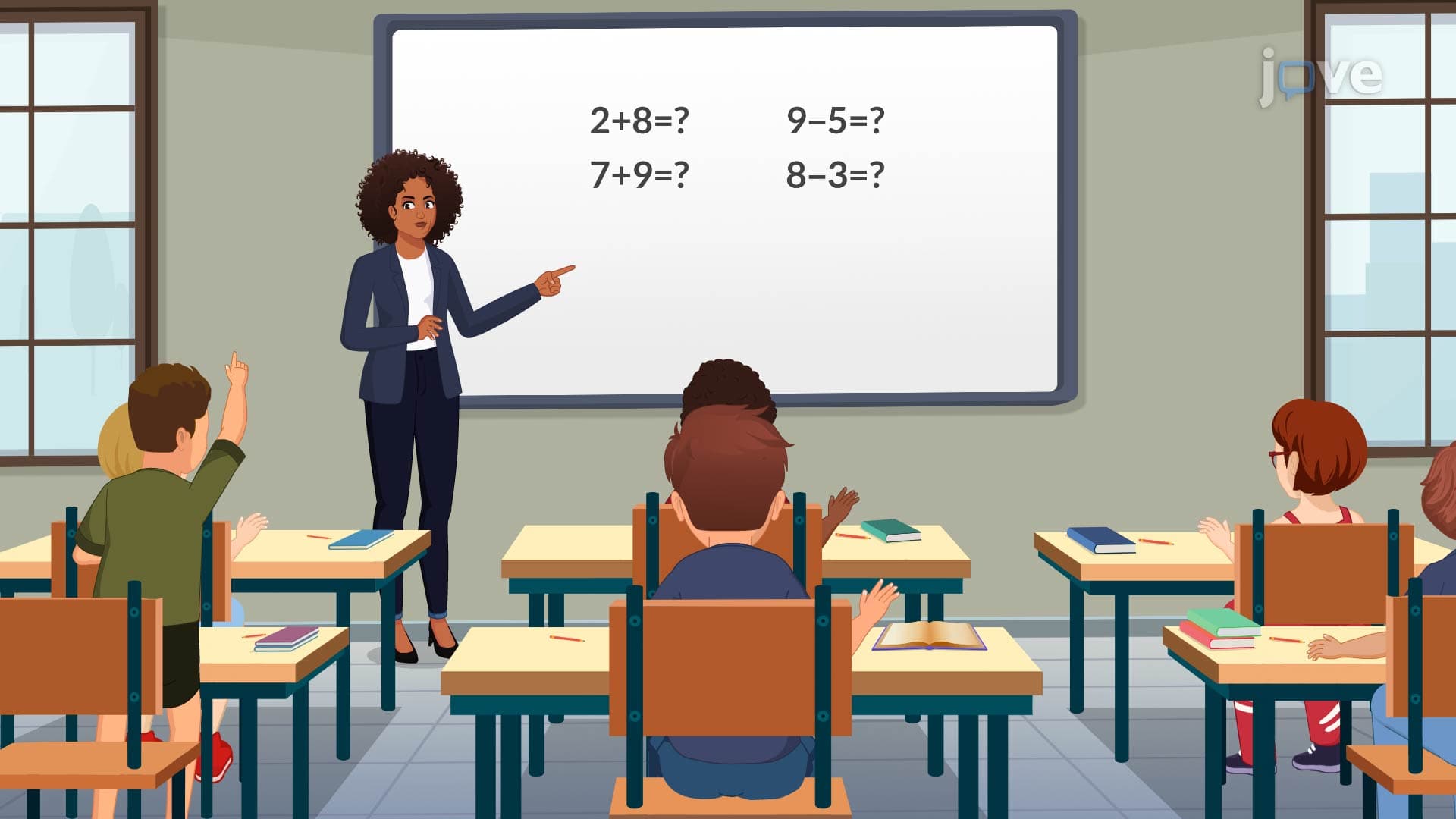
1. Foundations of Learning and Behavior Learning involves acquiring knowledge through experience, practice, or observation, resulting in relatively permanent behavioral changes. Unlike innate behaviors such as reflexes (knee-jerk reaction, pupil contraction) and instincts (infant suckling, social bonding), learned behaviors develop through environmental interaction. American students demonstrate this daily-from mastering algebra through practice to developing study habits that improve academic performance. Understanding these distinctions helps explain why some responses are automatic while others require conscious effort and repetition to master.
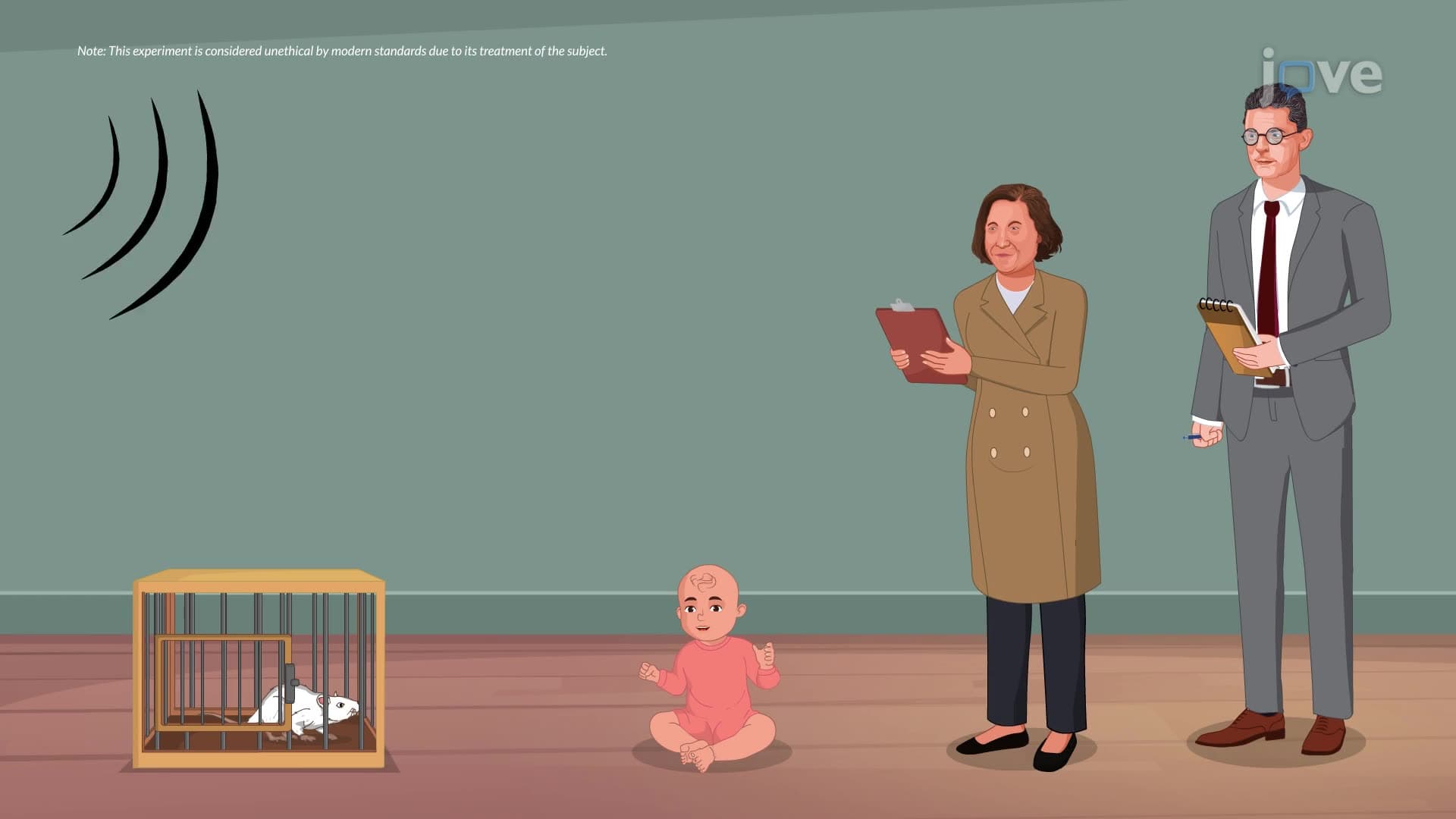
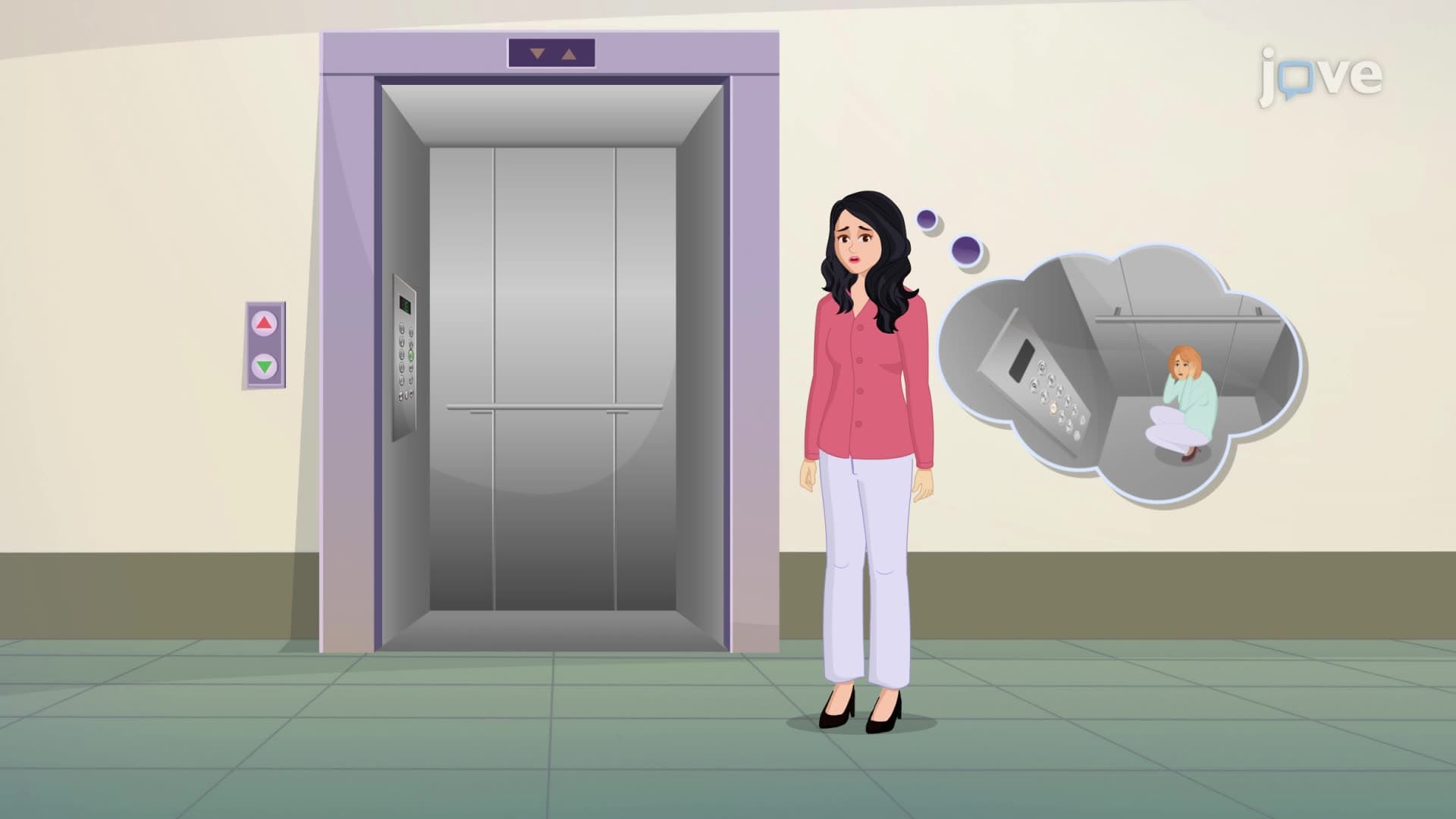
2. Classical Conditioning Principles and Applications Ivan Pavlov's groundbreaking research revealed how neutral stimuli become conditioned through association with meaningful events. The process involves pairing a neutral stimulus (bell) with an unconditioned stimulus (food) until the bell alone triggers a conditioned response (salivation). American examples include students feeling anxious when hearing the school bell before exams or developing positive associations with specific classroom environments. Key principles-acquisition, generalization, discrimination, extinction, and spontaneous recovery-explain how these learned associations form, persist, and sometimes fade over time.
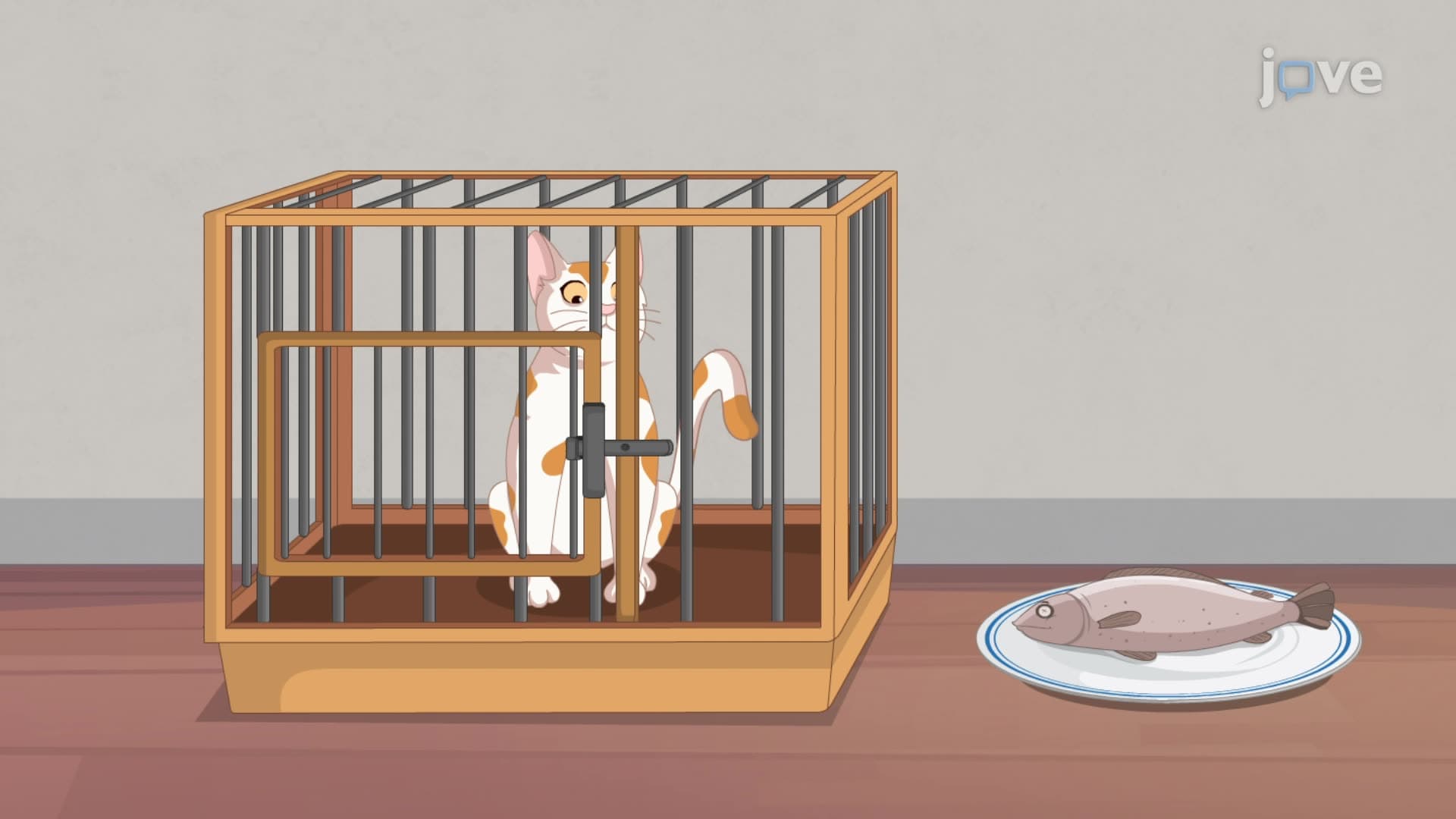
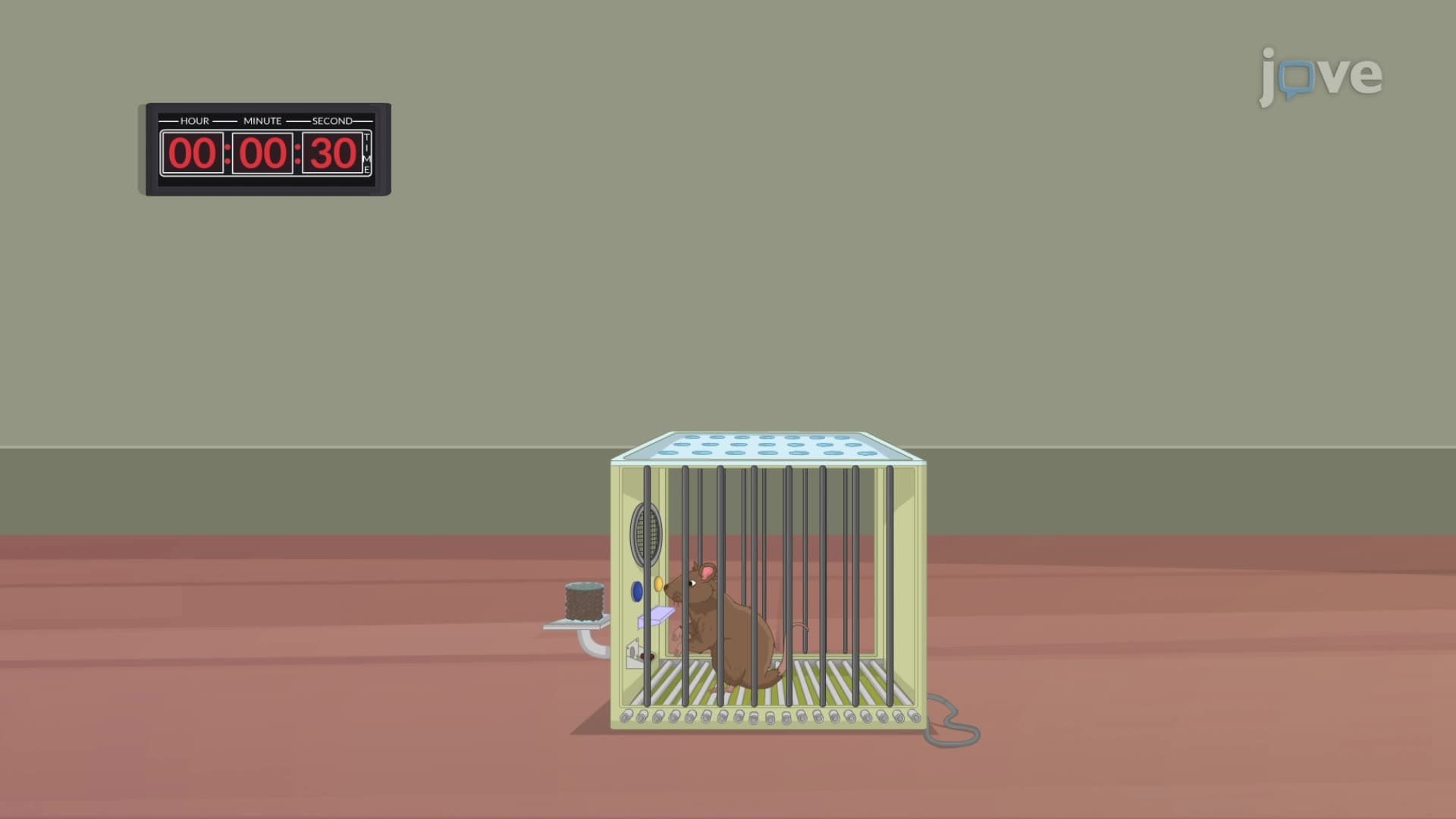
3. Operant Conditioning and Behavior Modification B.F. Skinner's operant conditioning demonstrates how consequences shape behavior through reinforcement and punishment. American classrooms utilize these principles extensively-teachers provide positive reinforcement through praise and grades while using negative consequences for inappropriate behavior. The timing of consequences proves crucial; immediate feedback after completing assignments proves more effective than delayed responses. Understanding fixed and variable reinforcement schedules explains why slot machines in Las Vegas create persistent gambling behavior while weekly paychecks maintain steady work performance among American employees.
4. Reinforcement Strategies and Behavioral Shaping Positive reinforcement adds desirable consequences (bonus pay, academic recognition), while negative reinforcement removes unpleasant stimuli (turning off alarm by waking up). Shaping involves rewarding successive approximations of desired behavior-like teaching a student to write research papers by first praising outline completion, then draft development, and finally polished final versions. American educators and employers effectively use token economies, where students earn points for good behavior that can be exchanged for privileges, demonstrating practical applications of secondary reinforcement principles.
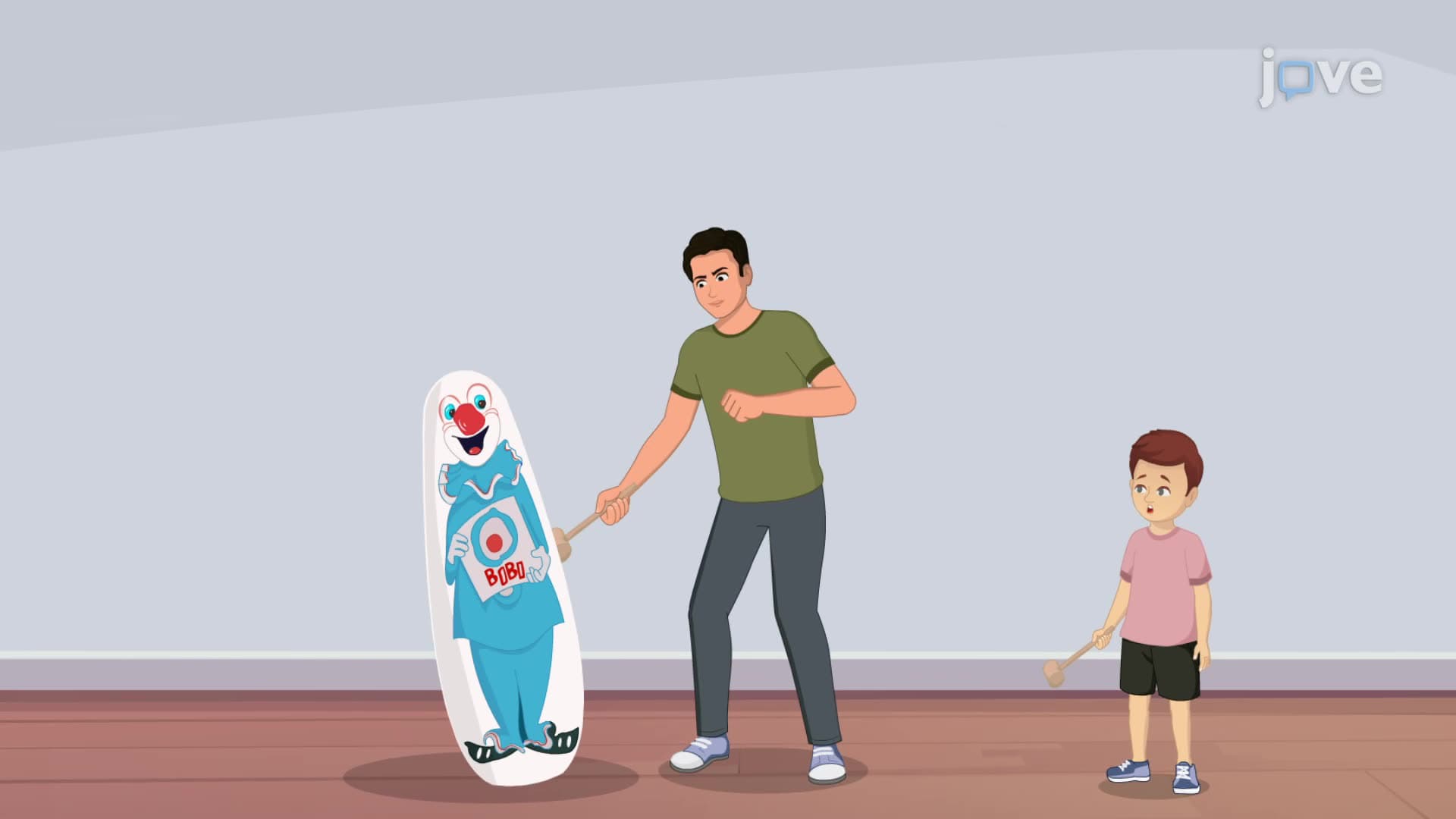
5. Cognitive Learning and Observational Processes Learning extends beyond simple conditioning to include cognitive processes like insight, expectancy, and purposive behavior. Tolman's research on latent learning showed that rats (and humans) acquire knowledge without immediate reinforcement, storing information until needed. American students demonstrate this when navigating large university campuses after casual exploration, then efficiently finding specific buildings when required. Observational learning through modeling explains how children learn social behaviors, academic skills, and cultural norms by watching parents, teachers, and peers in American society.
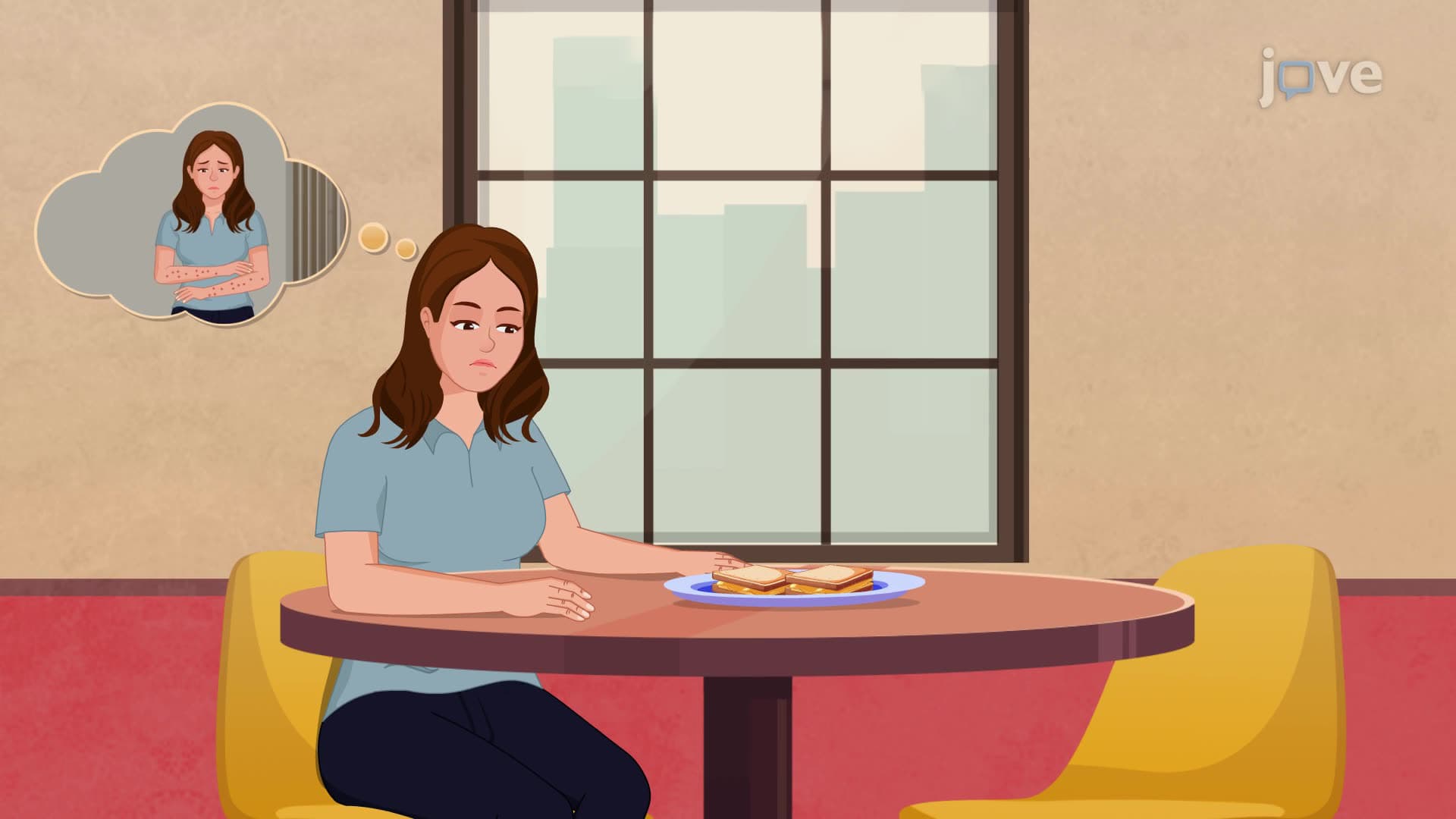
6. Specialized Learning Phenomena Certain learning patterns show biological constraints and evolutionary advantages. Conditioned taste aversion develops rapidly-often requiring only one trial-when illness follows eating specific foods, explaining why students might avoid cafeteria pizza after getting sick. Preparedness theory explains why Americans more easily develop phobias about snakes or heights than cars or electrical outlets, despite modern dangers. Instinctive drift occurs when animals (and humans) revert to natural behaviors despite conditioning, demonstrating how biological programming influences learning outcomes in educational and training settings.