Loading video…


 25 Concepts
 20K views

Video Summary: What Is Operant Conditioning
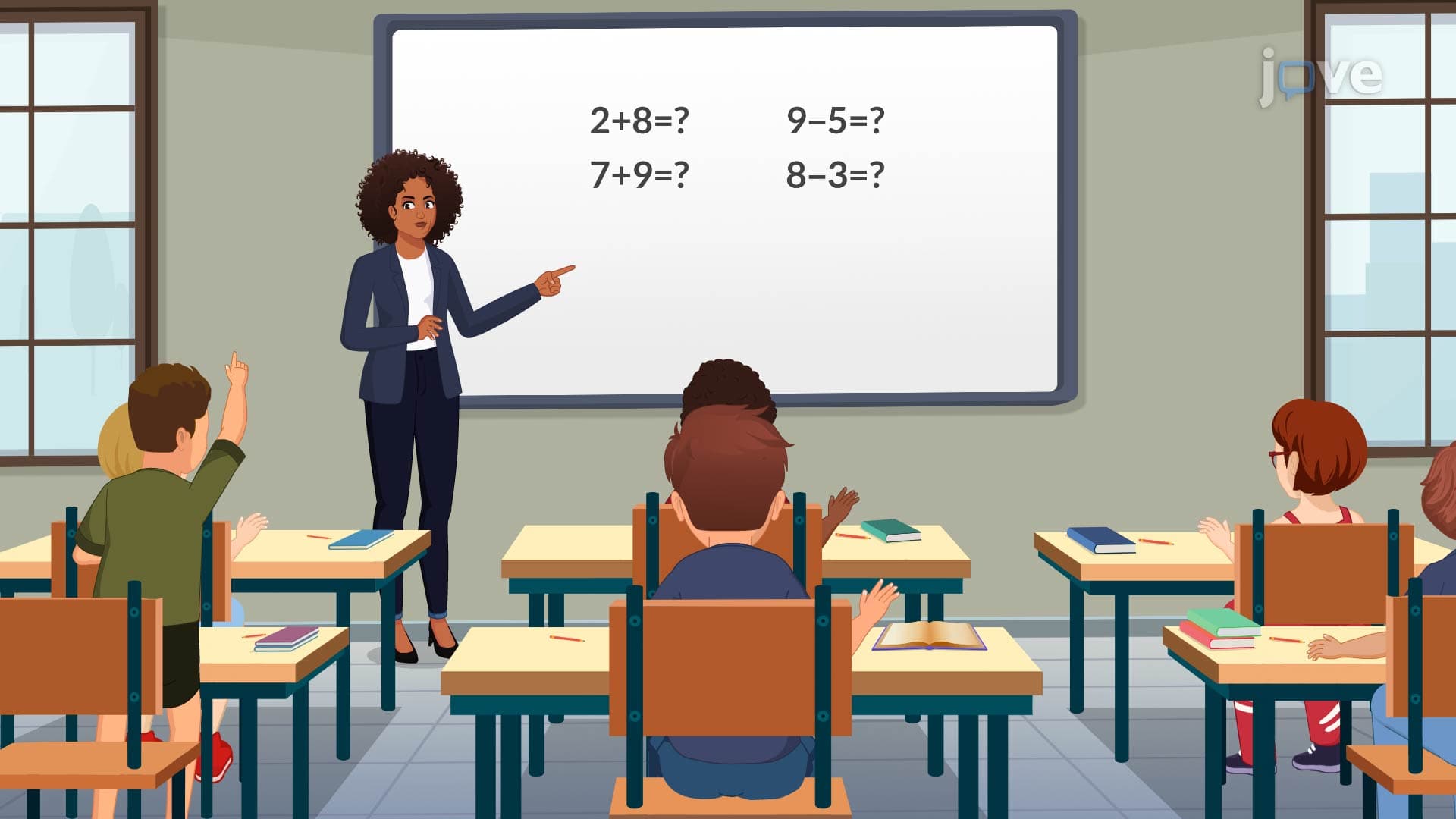
Did you know the law of effect explains why a simple "good job!" from your teacher makes you more likely to participate in class again? This fundamental principle, which forms the backbone of what is operant conditioning, demonstrates how consequences shape our daily behaviors. From receiving praise for academic achievements to getting detention for tardiness, American students experience the law of effect constantly throughout their educational journey. Watch the full video on JoVE Coach to master this concept with expert-led visuals and step-by-step explanations.
Operant conditioning represents one of psychology's most practical learning theories, directly connecting our actions to their consequences. Unlike classical conditioning, which involves involuntary responses, operant conditioning focuses on voluntary behaviors that we choose to repeat or avoid based on what happens afterward. This law of effect overview reveals how our environment continuously shapes our decisions through a system of rewards and punishments.
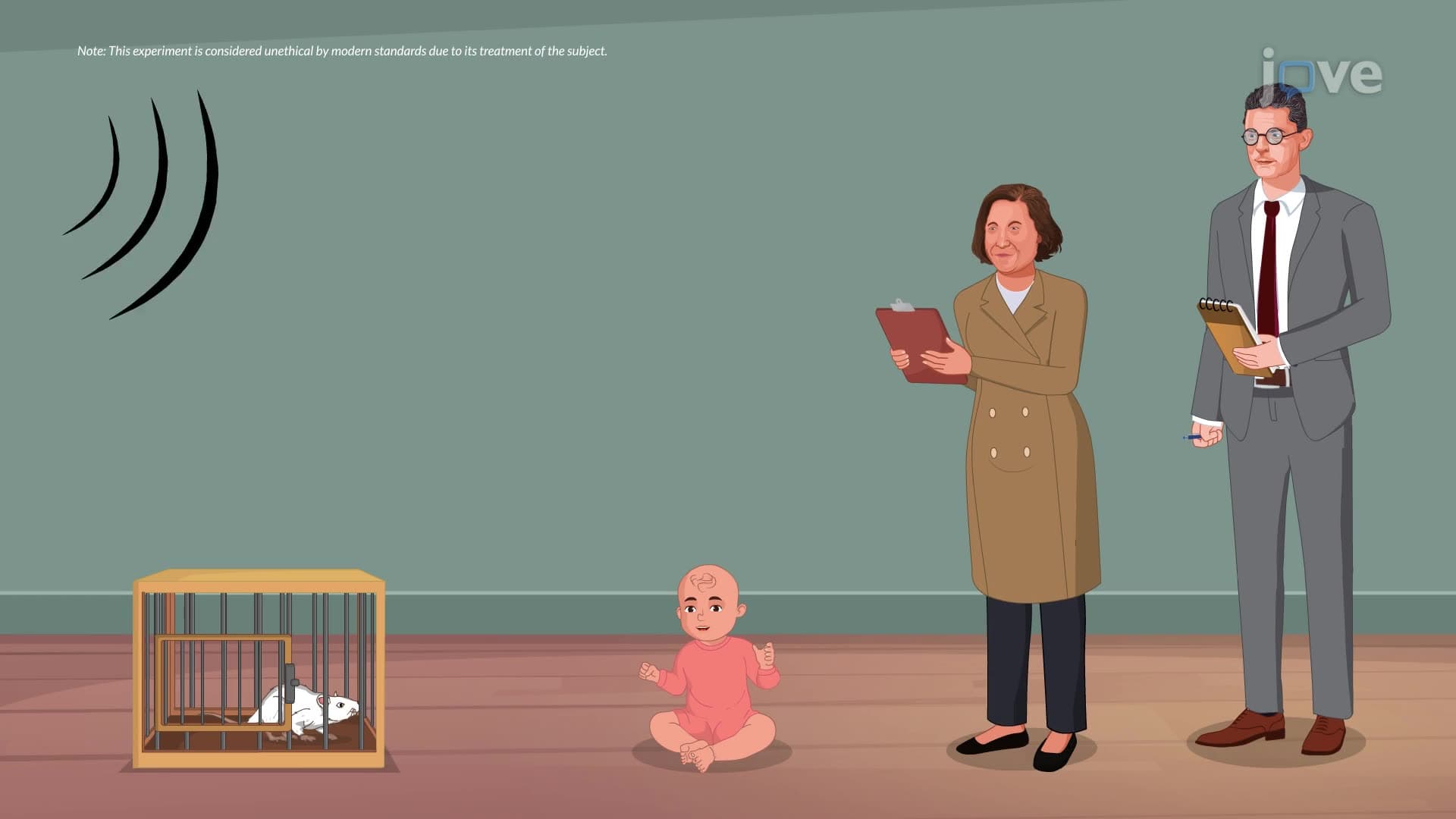
The foundation of this concept rests on Edward Thorndike's law of effect, which states that behaviors followed by pleasant consequences are more likely to be repeated, while those followed by unpleasant consequences become less frequent. This law of effect definition provides the theoretical framework that explains everything from why students complete homework assignments to how employees maintain workplace productivity.
Understanding what is law of effect in detail requires mastering four distinct mechanisms. Positive reinforcement adds something desirable after a behavior, like receiving extra credit points for participating in class discussions. Negative reinforcement removes something unpleasant, such as canceling a pop quiz when students demonstrate mastery of previous material.
Punishment operates differently by decreasing behavior frequency. Positive punishment adds an undesirable consequence, like assigning extra homework for disrupting class. Negative punishment removes something valued, such as losing smartphone privileges for poor grades. These law of effect basics form the cornerstone of behavior modification programs used throughout American schools and healthcare facilities.
The law of effect concept appears extensively in US educational systems. AP Psychology students encounter these principles when studying learning theories, while MCAT preparation often includes operant conditioning questions in the psychological foundations section. Teachers implement token economies in elementary classrooms, where students earn points for positive behaviors that can be exchanged for privileges or rewards.
College dormitory policies exemplify operant conditioning principles through consequences like fines for noise violations or recognition programs for academic achievement. Athletic programs utilize these concepts when coaches provide immediate feedback and rewards for improved performance, demonstrating how timing affects the law of effect's effectiveness.
This law of effect study guide emphasizes three critical factors: timing, consistency, and appropriateness of consequences. Immediate feedback proves more effective than delayed responses, which explains why instant online quiz results better reinforce learning than tests returned weeks later. Understanding law of effect principles helps students develop self-management skills essential for success in advanced coursework and standardized testing situations.
Related Micro-courses