Loading video…


 25 Concepts
 20K views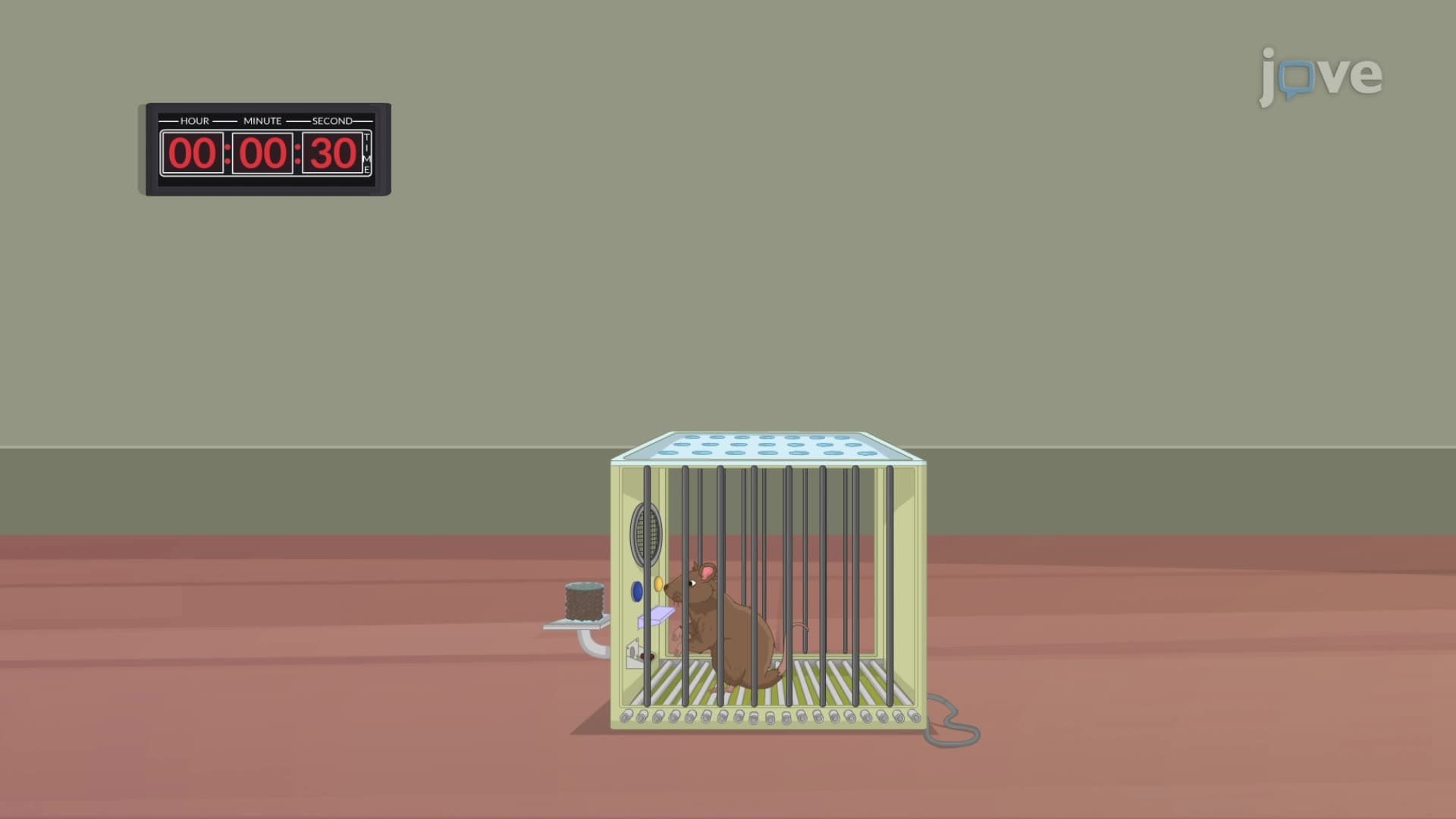

Video Summary: Timing and Consequences on Behavior Explained
Did you know that a McDonald's worker receives their paycheck every two weeks, but a casino gambler gets rewarded unpredictably? This timing difference demonstrates how behavior modification works through reinforcement schedules. Understanding Timing And Consequences On Behavior Explained reveals why some behaviors stick while others fade away, from studying habits to addiction patterns across American society. Watch the full video on JoVE Coach to master this concept with expert-led visuals and step-by-step explanations.
Behavior modification represents a systematic approach to changing human actions through the strategic application of learning principles. The behavior modification definition encompasses techniques that use reinforcement, punishment, and environmental changes to increase desired behaviors while decreasing unwanted ones. Central to this behavior modification concept is the critical role of timing in determining whether interventions succeed or fail.
Research in behavior modification basics reveals stark differences between human and animal responses to delayed consequences. Laboratory studies at institutions like Harvard Medical School demonstrate that rats require food delivery within 30 seconds of bar-pressing for effective learning. This immediate reinforcement creates clear behavioral associations. However, humans possess cognitive abilities that allow them to connect actions with consequences separated by days, weeks, or even years.
This understanding behavior modification principle explains why American students can study diligently throughout a semester despite receiving grades only at midterm and final exams. The delayed academic reinforcement still effectively shapes study behaviors because humans can mentally bridge temporal gaps through language and abstract thinking.
The Stanford Marshmallow Experiment, conducted at Stanford University, exemplifies how timing affects behavior modification in practice. Children who waited for two marshmallows instead of eating one immediately showed better academic performance and lower obesity rates decades later. This research demonstrates how delay of gratification skills, central to behavior modification overview, predict long-term success.
Modern American examples abound: employees contribute to 401(k) retirement plans despite not accessing funds for decades, while others struggle with credit card debt due to immediate gratification tendencies. These patterns reflect individual differences in responding to delayed consequences that behavior modification techniques can address.
Behavior modification study guide principles appear throughout American educational systems. Advanced Placement (AP) courses use delayed reinforcement through semester-long projects and comprehensive exams. Students learn to modify their study behaviors based on distant academic goals rather than immediate entertainment preferences.
Clinical applications include addiction treatment programs that help patients delay immediate substance use gratification for long-term recovery benefits. Programs at institutions like Johns Hopkins use behavior modification techniques that gradually extend the time between desired behaviors and reinforcement, building tolerance for delayed gratification essential for sustained recovery.
Related Micro-courses