Loading video…


 25 Concepts
 20K views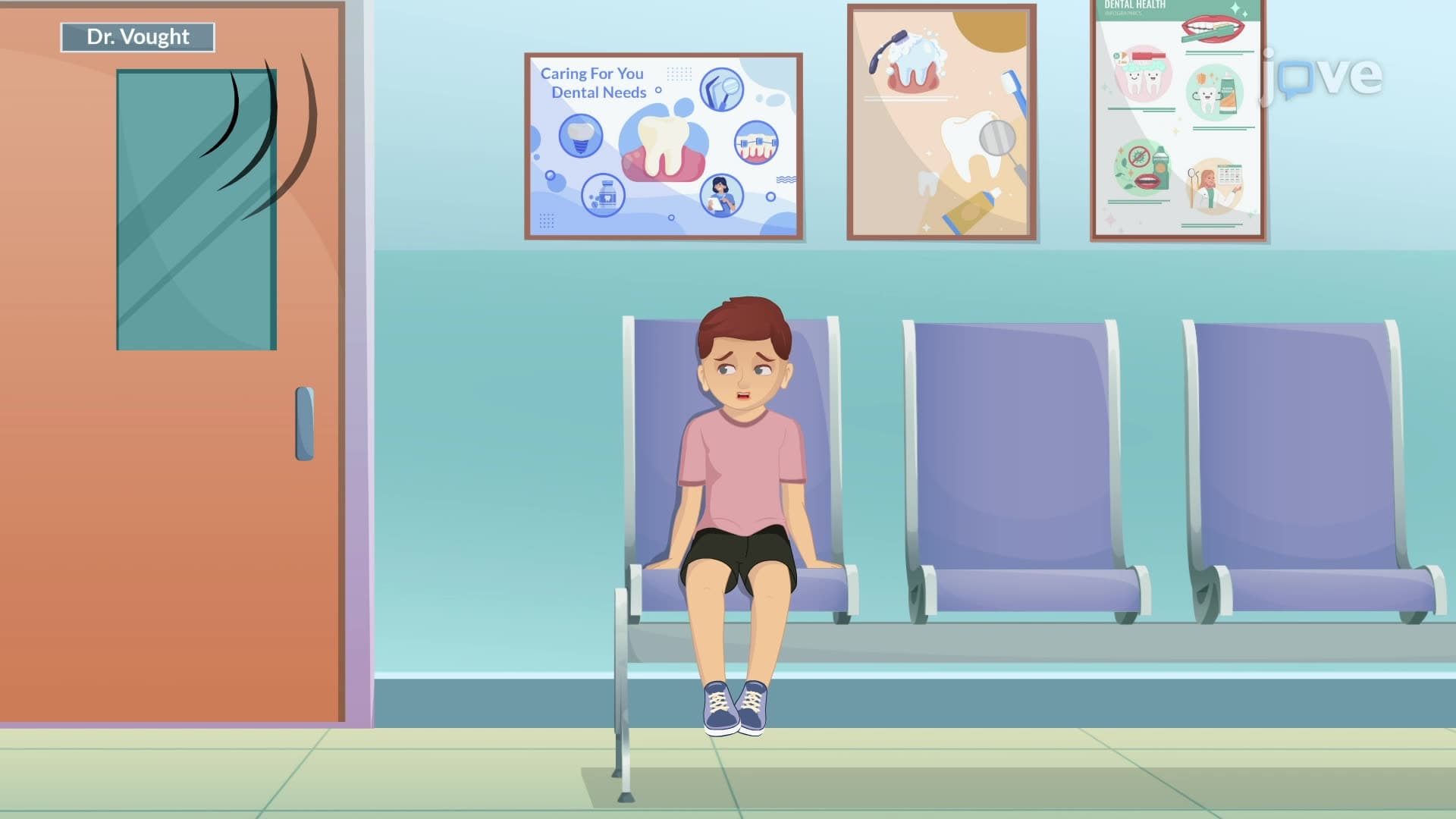

Video Summary: What Is Associative Learning
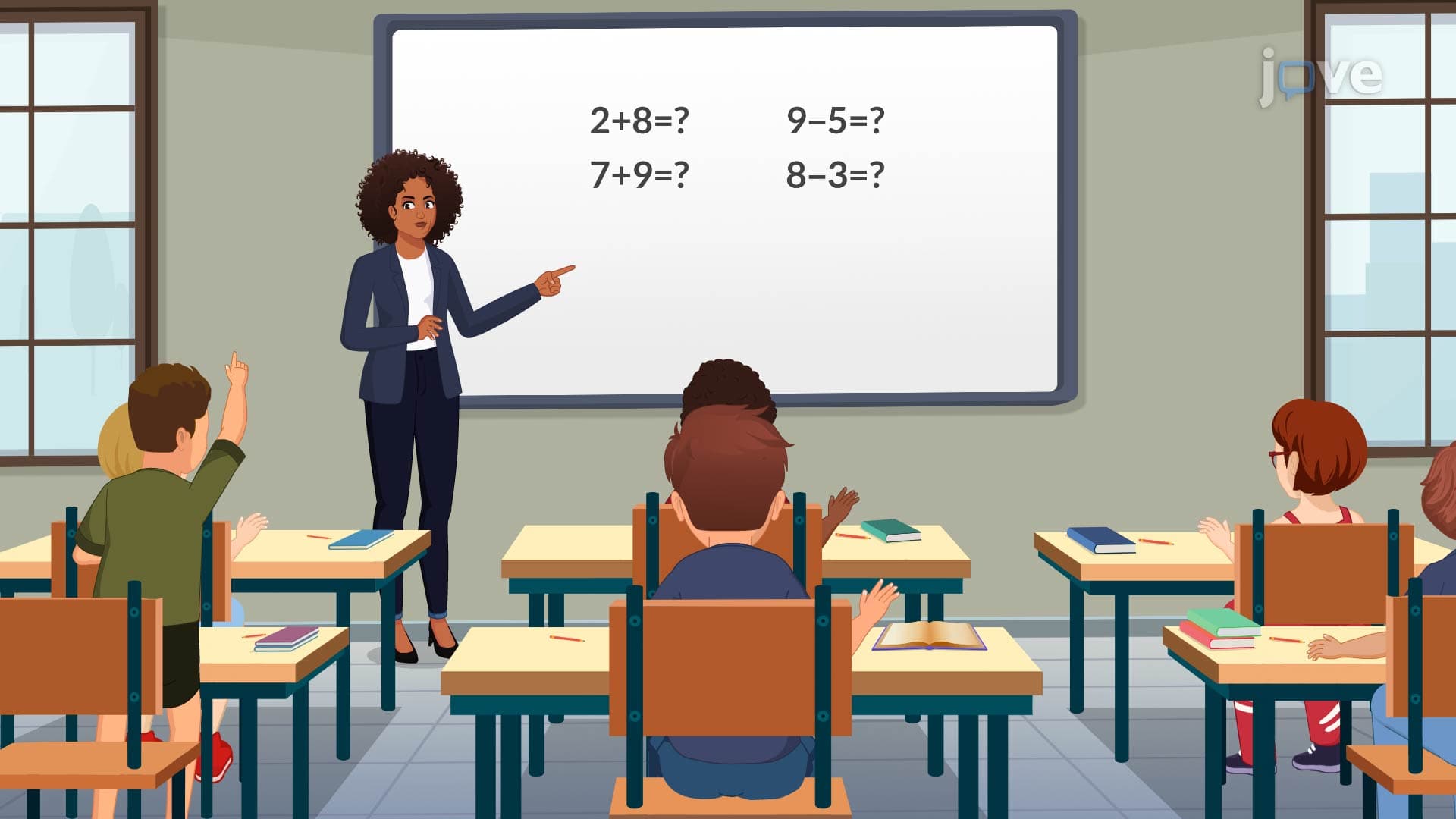
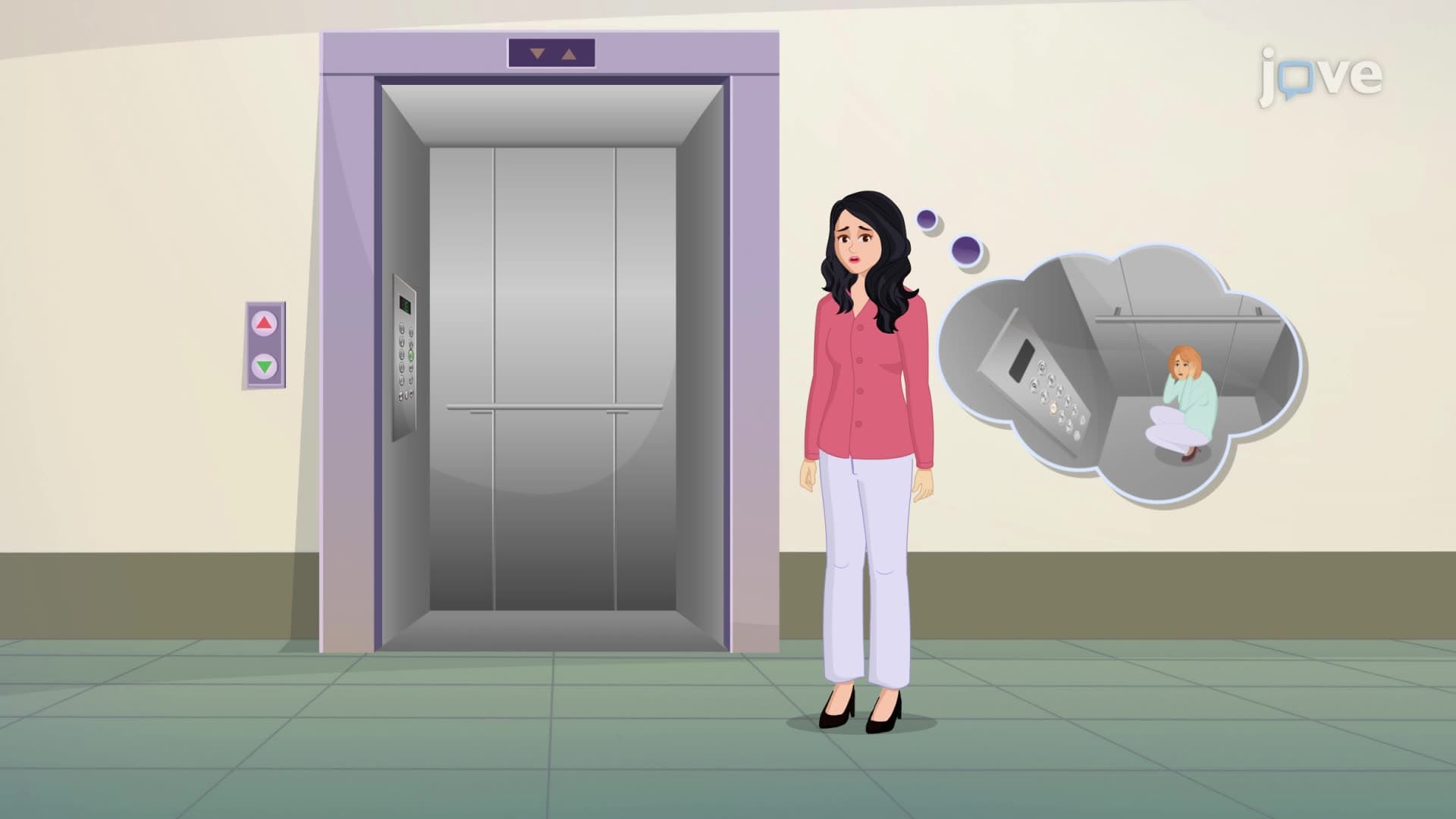
Why do students feel nervous just hearing the school bell before a pop quiz? Classical conditioning: principles and learning mechanisms explain how our brains automatically link experiences together. This psychological process helps explain everything from why the smell of a hospital makes some people anxious to how students at UCLA developed test anxiety after repeated stressful exam experiences. What is Associative Learning? reveals how these mental connections shape behavior through both classical and operant conditioning pathways. Watch the full video on JoVE Coach to master this concept with expert-led visuals and step-by-step explanations.
Classical conditioning: principles and learning mechanisms form the foundation of how humans and animals learn through experience. Associative learning occurs when the brain creates connections between different stimuli, behaviors, and outcomes, fundamentally shaping how we respond to our environment. This psychological phenomenon explains countless everyday behaviors, from why certain songs trigger emotional memories to how students develop effective study routines.
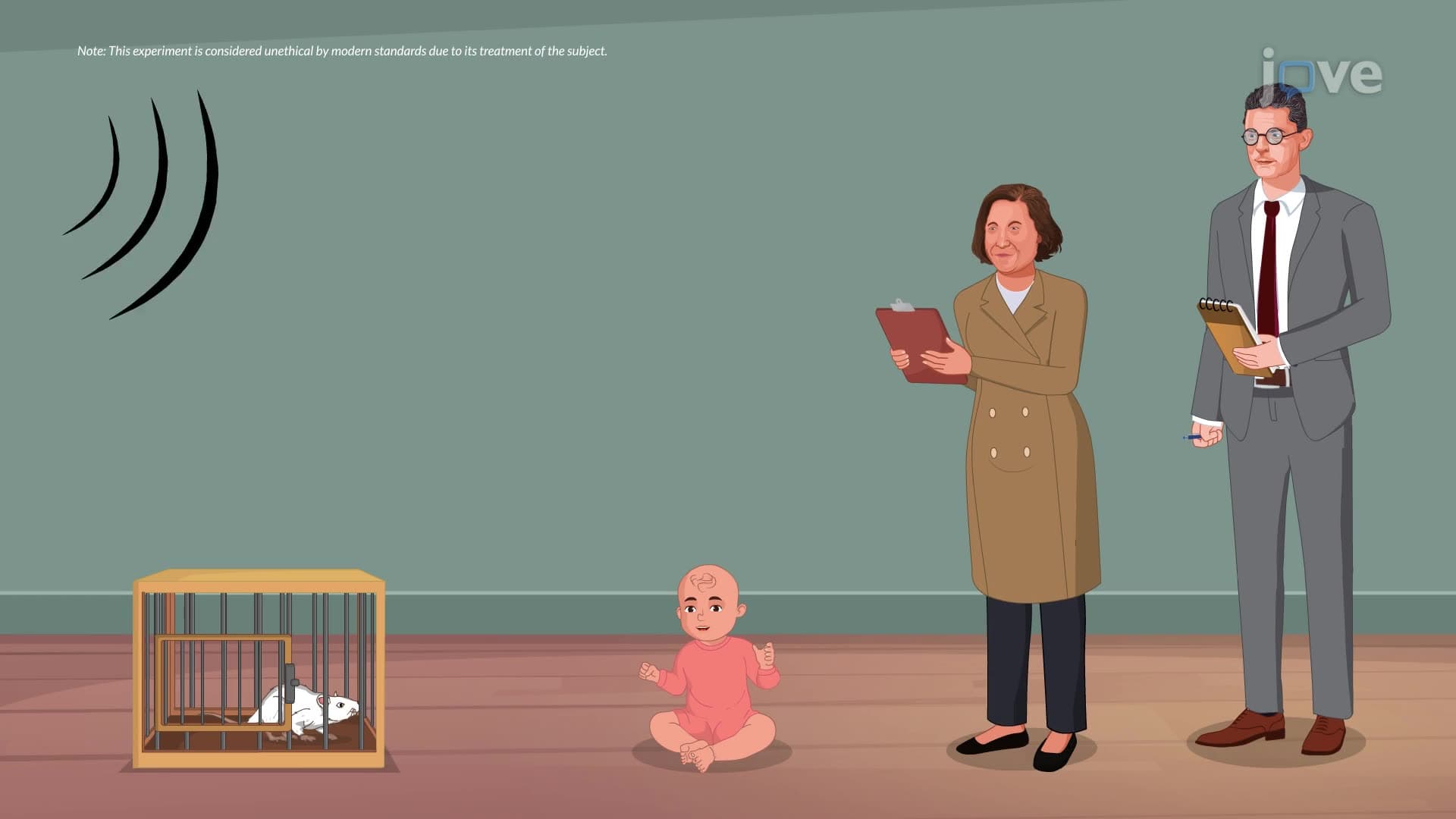
Classical conditioning, pioneered by Ivan Pavlov, involves learning through association between stimuli. In this process, a neutral stimulus becomes capable of triggering a response after being repeatedly paired with a naturally occurring stimulus. For example, many American students experience test anxiety when entering specific classroom environments where they've previously taken stressful exams. The classroom (initially neutral) becomes associated with anxiety-provoking testing situations.
The classical conditioning: principles and learning mechanisms concept includes four key elements: the unconditioned stimulus (naturally triggers response), unconditioned response (natural reaction), conditioned stimulus (learned trigger), and conditioned response (learned reaction). Understanding these components is crucial for AP Psychology students and appears frequently on college psychology midterms across universities like Stanford, Harvard, and the University of Michigan.
Healthcare professionals regularly observe classical conditioning in medical settings. Patients undergoing chemotherapy at facilities like MD Anderson Cancer Center often develop nausea when simply entering treatment rooms, even before receiving medication. This demonstrates how the brain forms powerful associations between environmental cues and physiological responses.
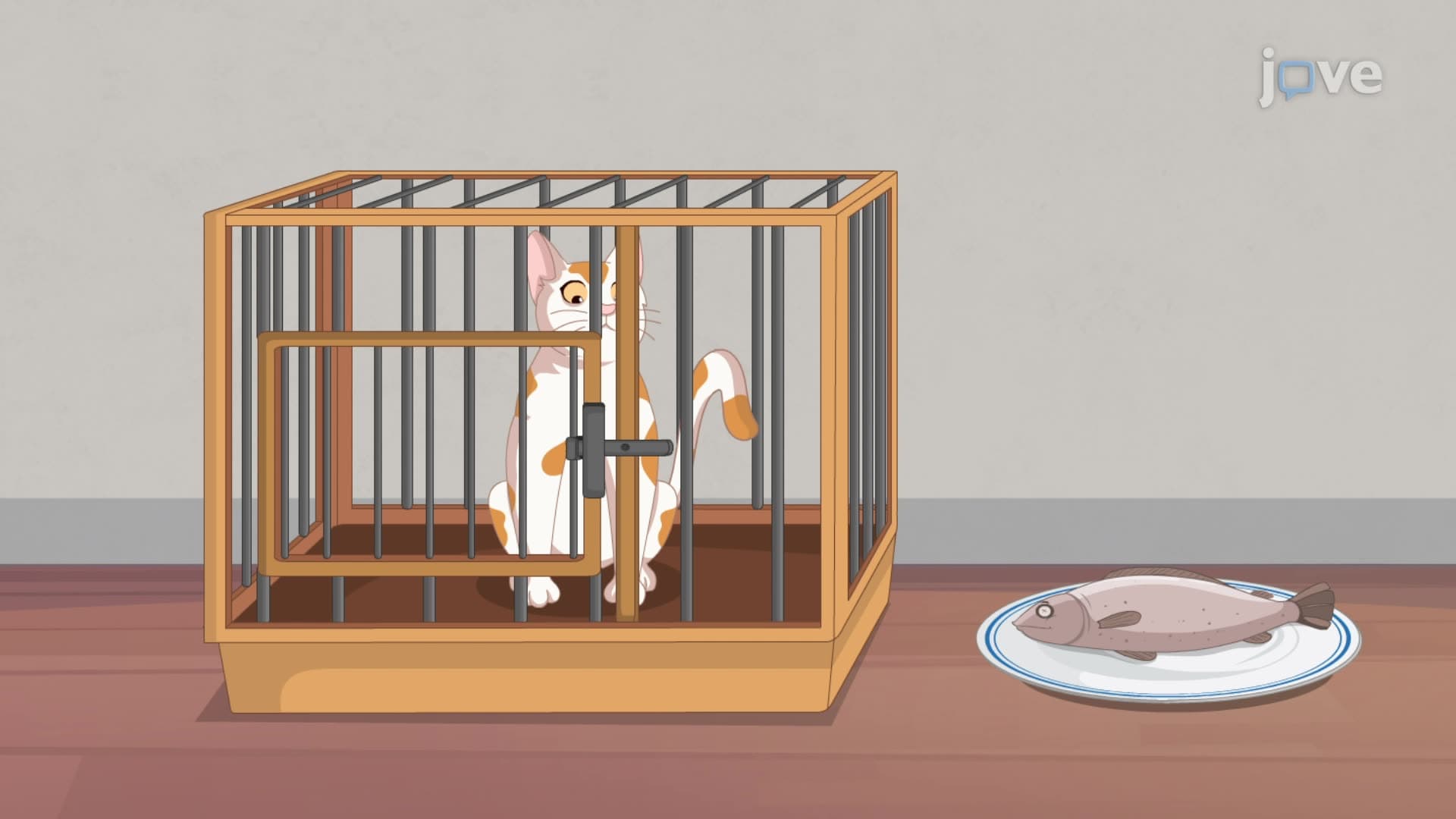
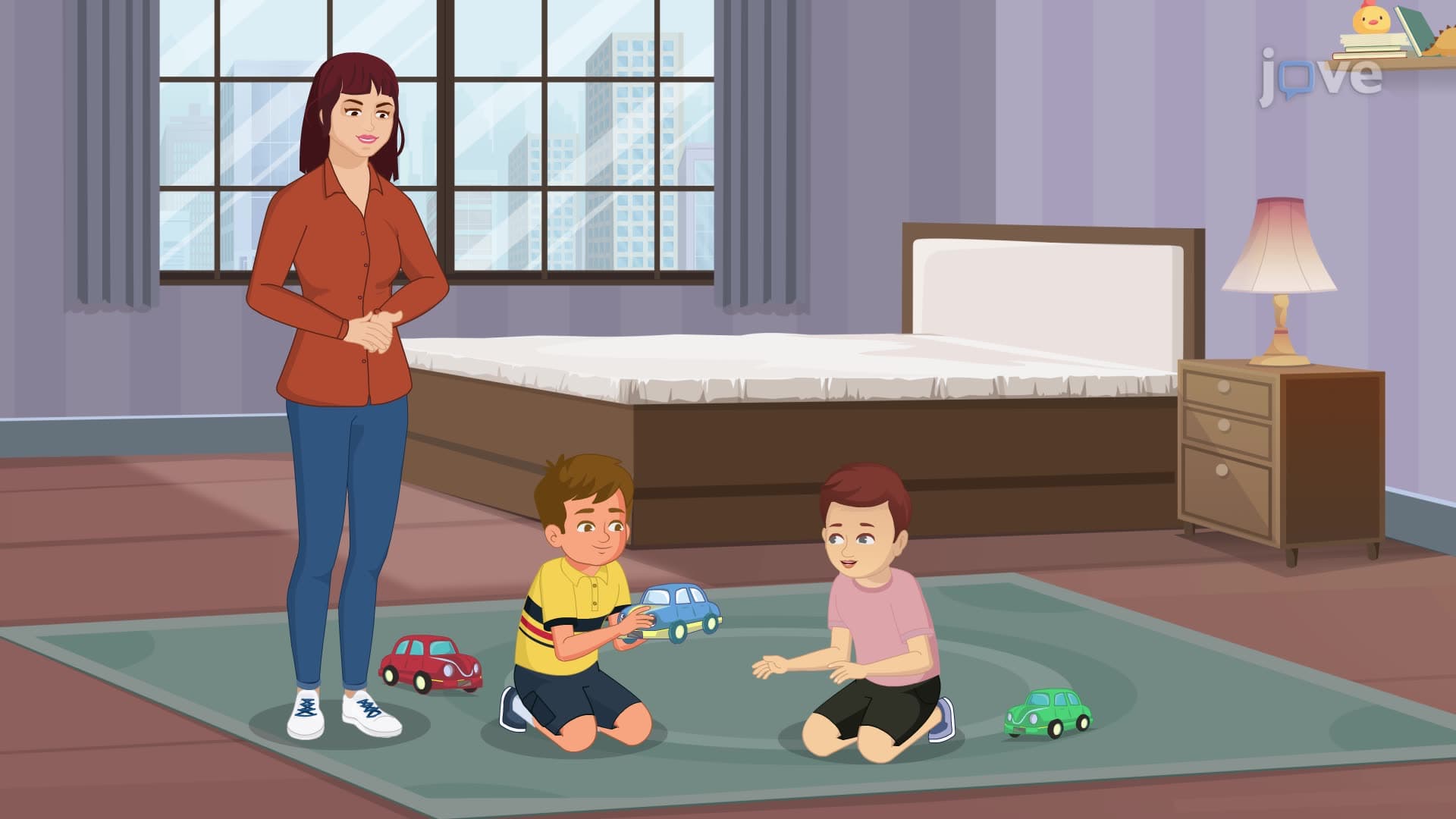
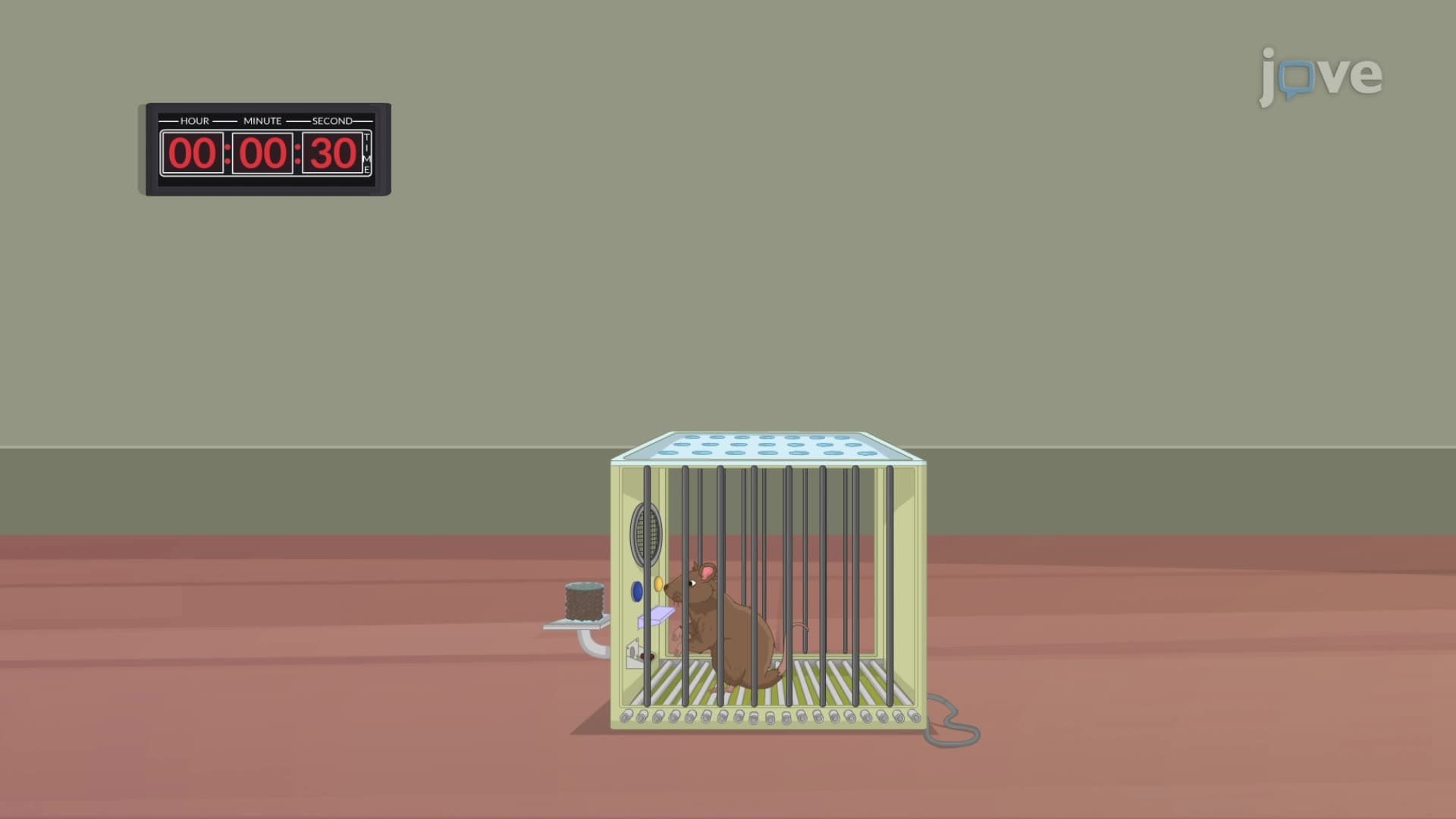
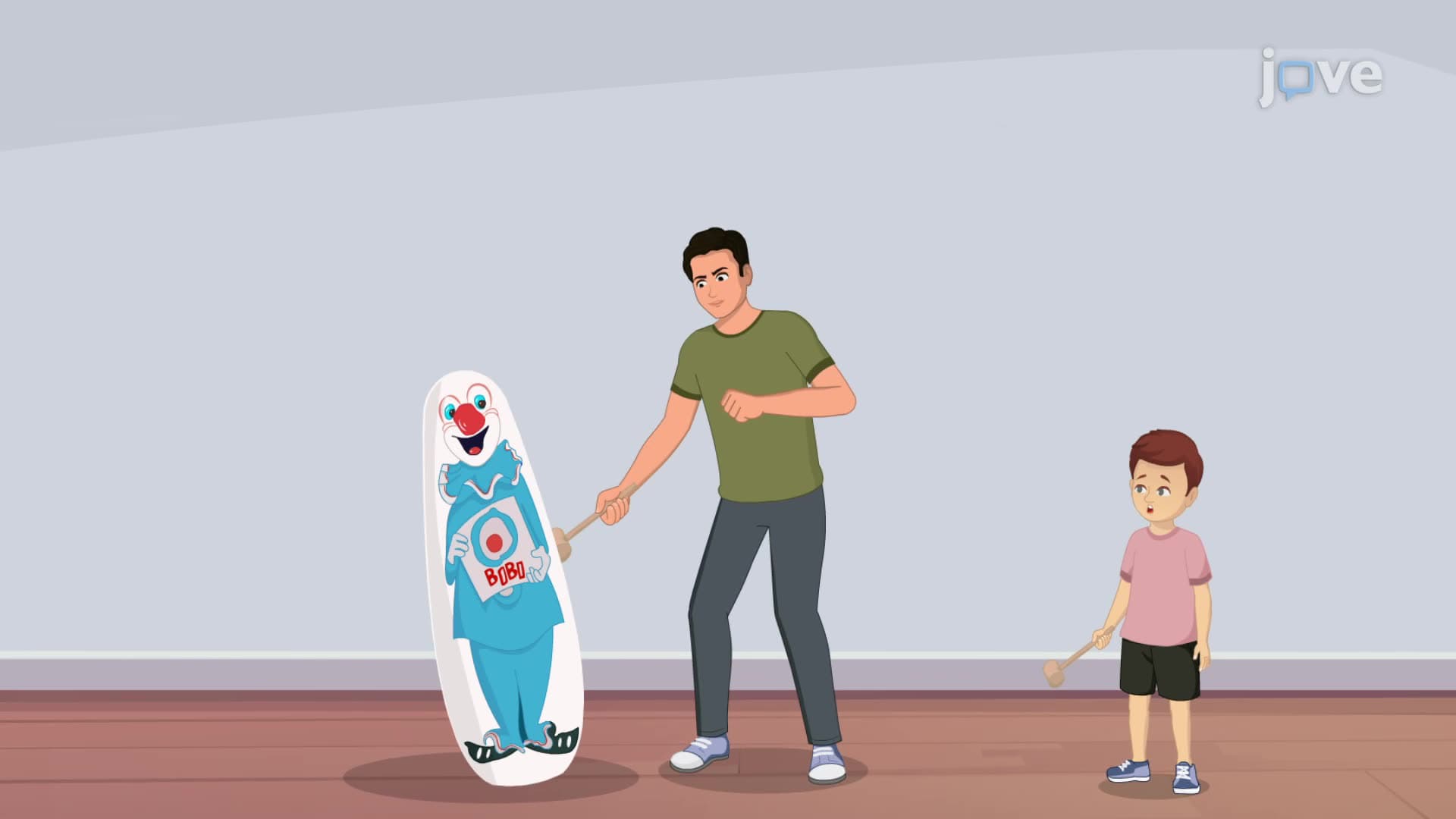
While classical conditioning focuses on stimulus associations, operant conditioning involves learning through consequences. American schools extensively use this approach through reward systems like honor rolls, detention policies, and positive behavior intervention programs. Students learn that specific behaviors lead to predictable outcomes-whether positive reinforcement (praise, privileges) or punishment (consequences, restrictions).
The classical conditioning: principles and learning mechanisms study guide applications extend beyond academics into clinical psychology, where therapists use systematic desensitization to treat phobias and anxiety disorders. Understanding these mechanisms proves essential for students pursuing careers in psychology, education, healthcare, and behavioral sciences.
Related Micro-courses