Loading subject page…


20,015 views


Video Summary: What Is Purposive Learning
Did you know that most of your daily behaviors, from texting a friend to studying for the SAT, are driven by specific goals and expectations? Observational learning and purposive behavior work together when students watch successful peers to model their study strategies. Purposive learning, as demonstrated when a high school athlete trains consistently to earn a college scholarship, shows how our actions are goal-directed rather than random. This concept includes both expectancy learning (where we anticipate outcomes) and latent learning (unconscious skill acquisition that surfaces when needed). Watch the full video on JoVE Coach to master this concept with expert-led visuals and step-by-step explanations.
Purposive learning represents a cornerstone concept in behavioral psychology, emphasizing that human actions are typically goal-oriented rather than random responses to stimuli. Unlike simple stimulus-response patterns, purposive learning involves conscious intention and expectation formation. This psychological principle helps explain why a pre-med student at UCLA might spend extra hours in organic chemistry lab sessions-their behavior serves the specific purpose of improving their MCAT scores and medical school admission chances.
The concept gained prominence through Edward Tolman's cognitive behavioral research, which challenged purely mechanistic views of learning. Tolman demonstrated that rats could navigate mazes efficiently even without immediate rewards, suggesting that learning involves mental mapping and goal anticipation. This research fundamentally changed how psychologists understand motivation and learning processes.
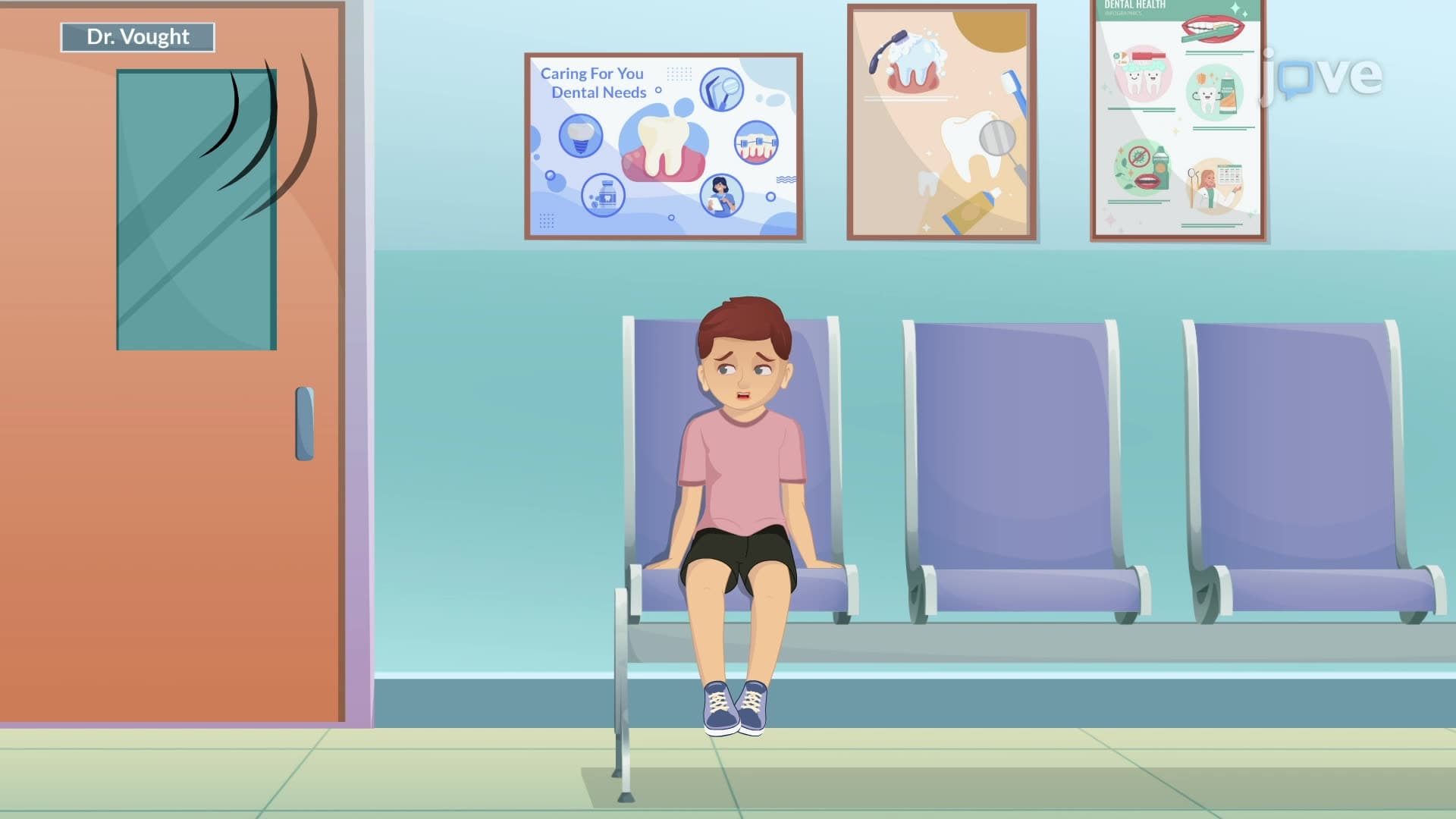
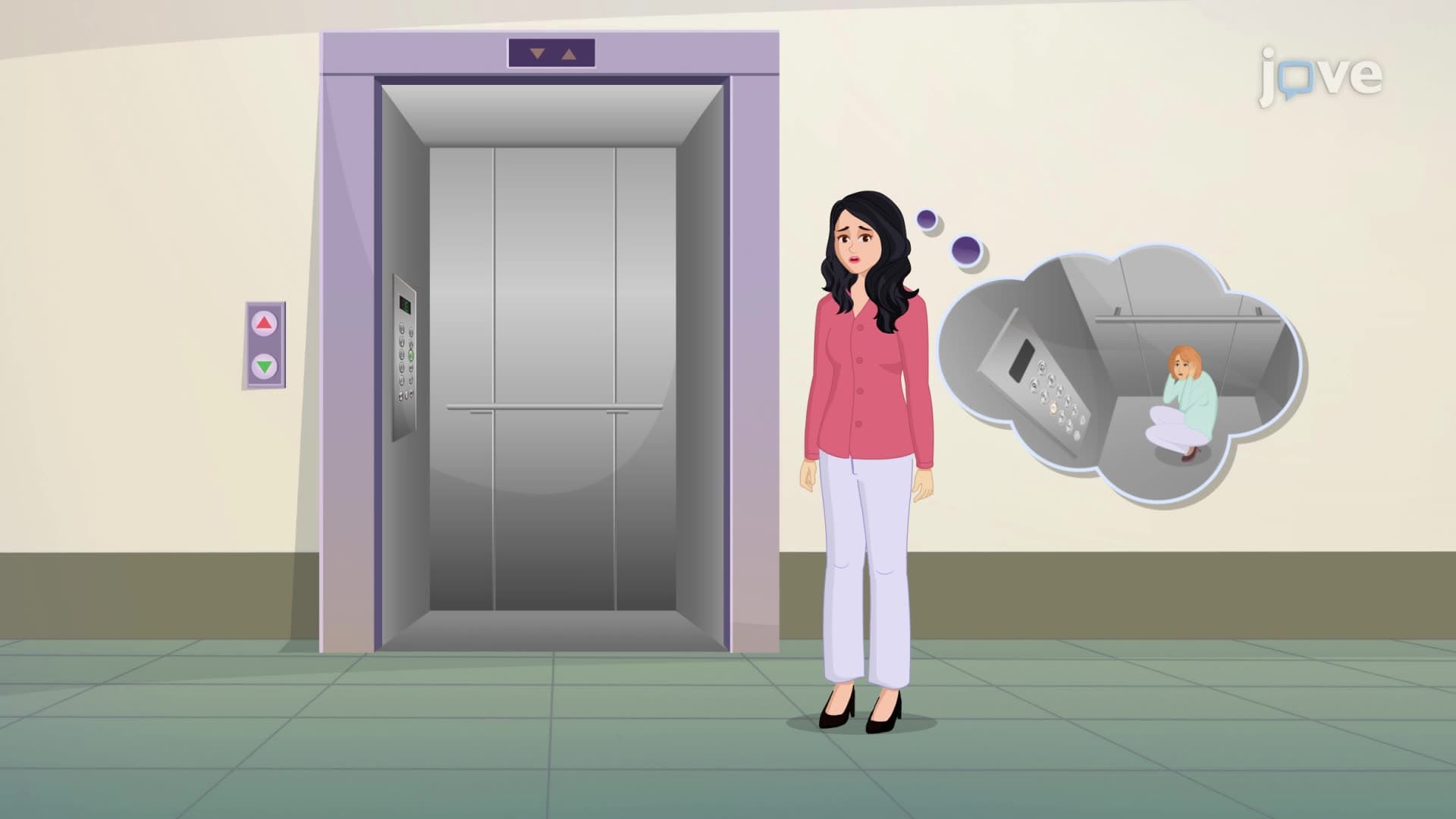
Expectancy learning occurs when individuals develop specific predictions about outcomes based on their experiences. In classical conditioning scenarios, students might experience test anxiety because they expect difficult exams to produce stress and poor performance. This expectation itself influences their preparation behavior and actual test results.
Operant conditioning creates similar expectancies in academic environments. A college freshman who consistently receives positive feedback for participating in class discussions develops the expectation that active engagement leads to better grades and professor recognition. This expectancy drives continued participation, creating a self-reinforcing cycle of academic success.
The placebo effect demonstrates expectancy learning's power in medical contexts. When patients at Johns Hopkins Hospital believe they're receiving effective pain medication, their symptoms often improve even with inactive substances. This occurs because their expectation of relief triggers genuine physiological responses, highlighting how mental states influence physical outcomes.
Latent learning, also called incidental learning, occurs without obvious reinforcement and becomes apparent only when circumstances require demonstrating the acquired knowledge. High school students often experience this when navigating their campus-after weeks of walking between classes, they unconsciously memorize building locations and can efficiently direct new students without deliberately studying the layout.
This learning type proves especially relevant for standardized test preparation. Students taking practice SAT exams gradually absorb test-taking strategies and question patterns, even when not explicitly studying these elements. Their latent learning becomes evident during actual testing situations when they automatically apply previously observed techniques.
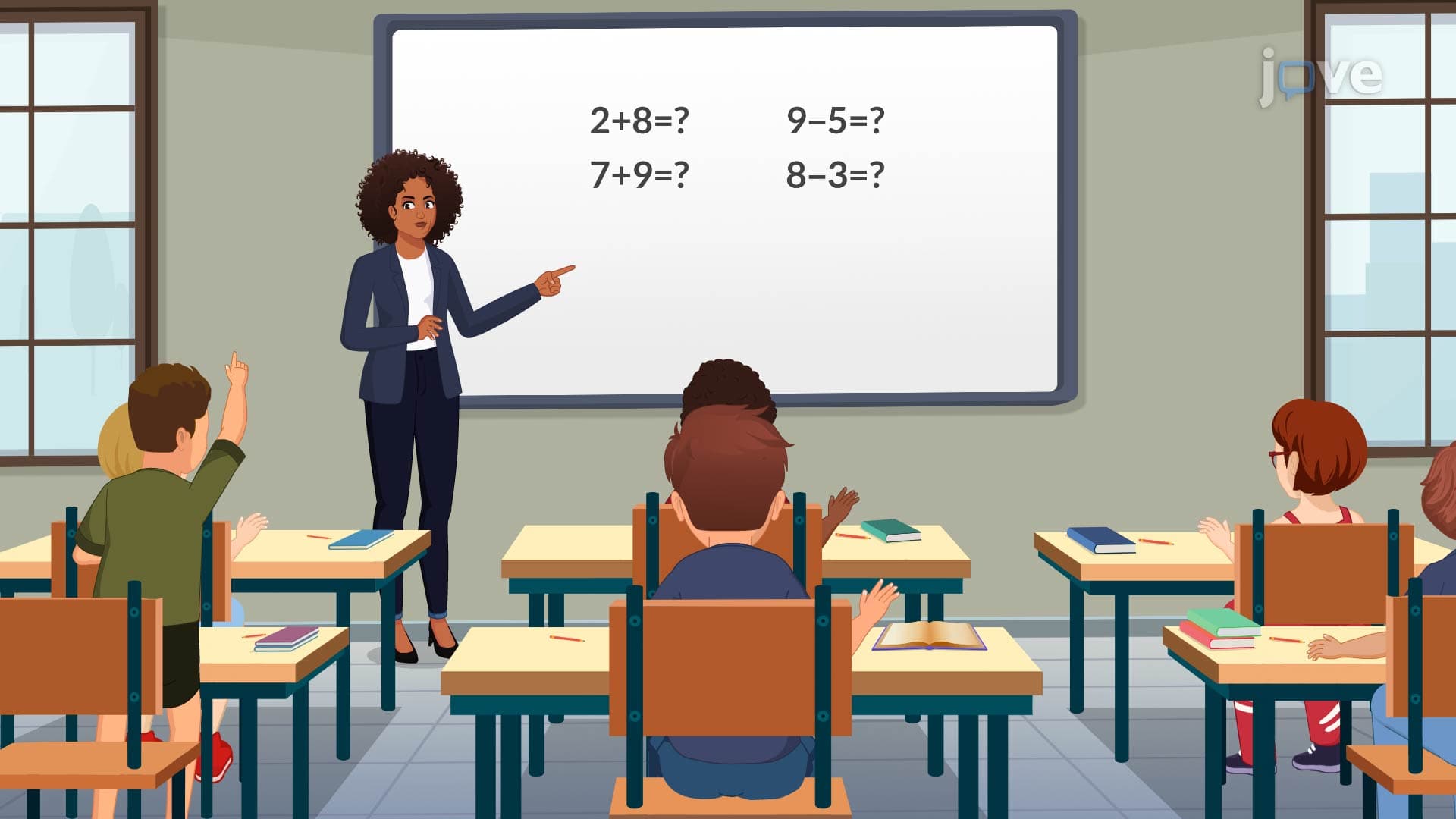
Understanding purposive learning helps educators design more effective curricula and assessment strategies. AP Psychology teachers can leverage this concept by showing students how their study behaviors serve specific goals like college credit earning and advanced placement. This connection makes abstract psychological concepts more personally relevant and memorable.
For college-bound students, recognizing purposive learning patterns improves academic performance across subjects. When students understand that their note-taking, study group participation, and office hour attendance all serve the purpose of knowledge retention and grade improvement, they become more strategic and intentional learners.
Related Micro-courses