Loading video…


 25 Concepts
 20K views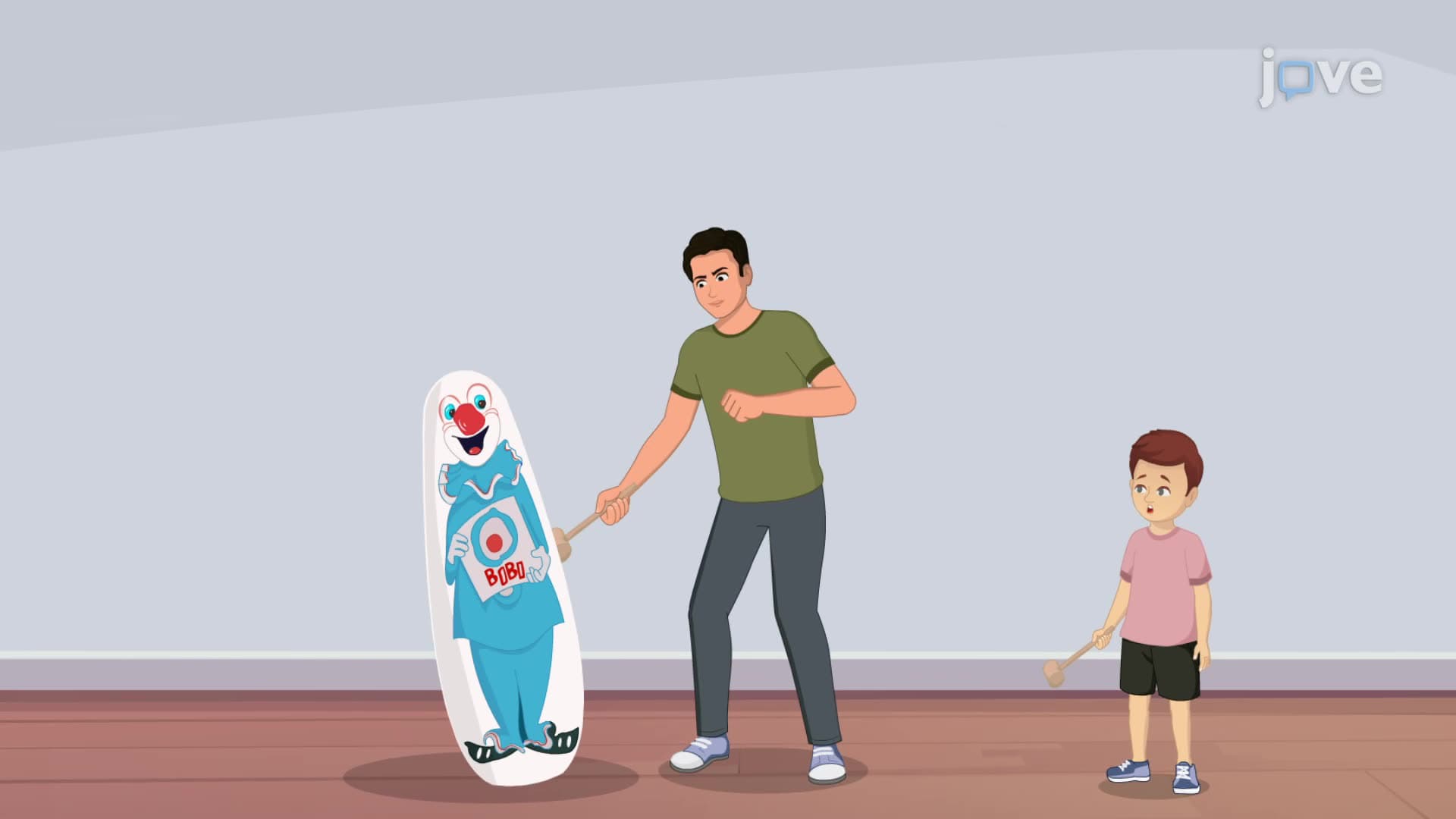

Video Summary: What Is Observational Learning
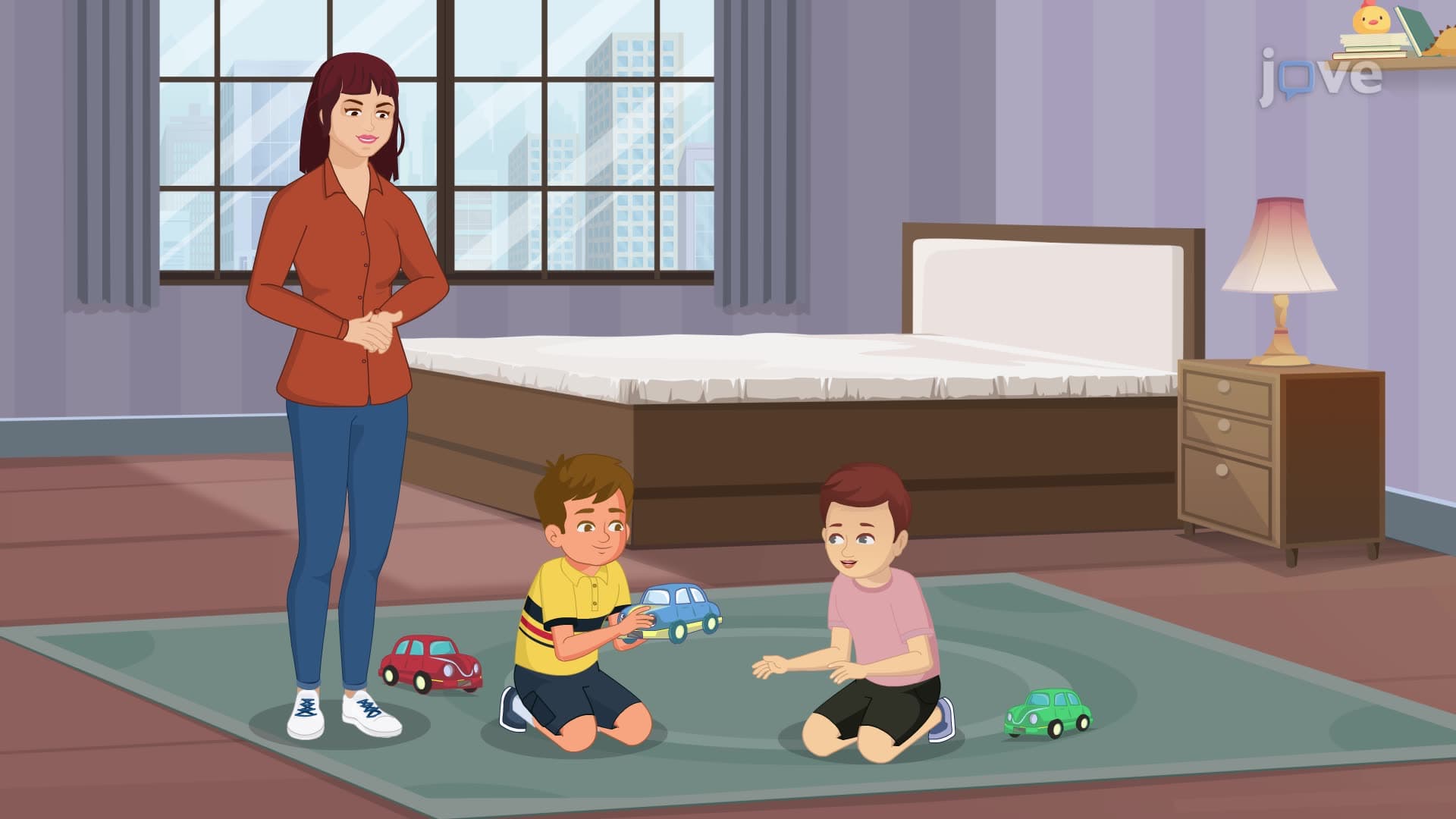
Ever wonder why children copy their parents' behaviors, even when no one explicitly teaches them? The steps in the modeling process explain how we naturally learn by watching others, from copying aggressive behaviors in Albert Bandura's famous Bobo doll experiment at Stanford University to students adopting study habits they observe in successful classmates. Understanding observational learning reveals how powerful social influences shape our behaviors through four distinct cognitive stages. Watch the full video on JoVE Coach to master this concept with expert-led visuals and step-by-step explanations.
Observational learning represents one of the most powerful mechanisms through which humans acquire new behaviors, skills, and knowledge. Unlike classical or operant conditioning, this learning occurs without direct reinforcement to the observer, making it a uniquely efficient form of learning that has shaped human development throughout history.
Albert Bandura's social learning theory identifies four critical steps in the modeling process that determine whether observational learning will occur successfully. First, attention requires the observer to focus on the model's behavior and recognize its relevant features. Students must actively observe and concentrate on what they're seeing, which explains why engaging demonstrations work better than passive lectures.
Second, retention involves mentally storing and organizing the observed information. The observer must encode the behavior into memory through cognitive processes like rehearsal and symbolic representation. For example, a student learning laboratory techniques must remember the sequence of steps even when not physically performing them.
Third, reproduction tests whether the observer can physically perform the modeled behavior. This step reveals the difference between learning and performance-students might understand a concept but struggle to demonstrate it practically. Motor skills, cognitive abilities, and available resources all influence reproduction success.
Finally, motivation determines whether the observer will actually perform the learned behavior. This depends on expected outcomes, observed consequences for the model, and personal goals. Students are more likely to adopt study strategies when they see peers receive positive results.
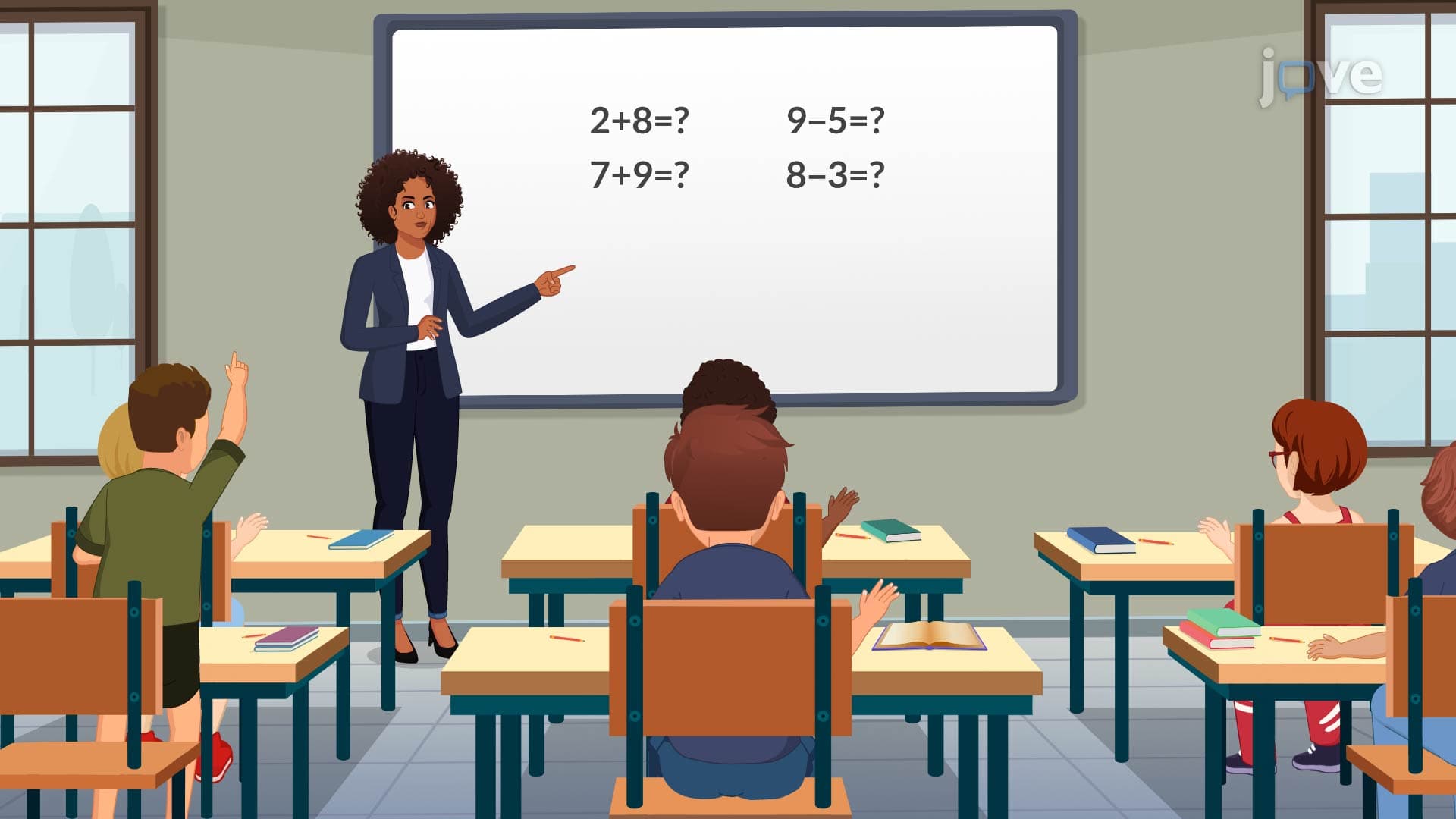
Observational learning explains numerous phenomena in American educational settings. High school students often adopt the study habits, social behaviors, and academic attitudes they observe in successful peers or admired teachers. This principle underlies mentorship programs, peer tutoring, and collaborative learning strategies commonly used in AP courses.
In healthcare education, medical and nursing students learn clinical skills through observation before practicing on patients. Programs at institutions like Johns Hopkins and Mayo Clinic explicitly structure clinical rotations around observational learning principles, ensuring students witness expert behaviors before independent practice.
For standardized exams like the MCAT or AP Psychology, understanding observational learning helps students analyze behavioral scenarios and predict outcomes based on social learning theory. Questions often present situations where individuals learn through observation and ask students to identify which stage of modeling is occurring or what factors influence learning effectiveness.
Related Micro-courses