Memory is a fundamental cognitive process that involves encoding, storing, and retrieving information through interconnected brain systems. This comprehensive course explores how memory works and is stored across different types of human memory systems, from fleeting sensory impressions to permanent long-term storage. Students will examine the neurological basis of memory formation, discover why we forget, and learn practical memory enhancement techniques used in US educational settings through JoVE Coach.
Understand the three core memory processes: encoding, storage, and retrieval
Identify the different types of human memory systems and their unique characteristics
Explore how working memory manipulates information in real-time problem solving
Analyze the roles of brain structures like the hippocampus and amygdala in memory formation
Learn effective memory techniques including chunking, rehearsal, and mnemonic devices
Examine why forgetting occurs through interference and decay theories
Apply memory principles to improve academic performance and test-taking strategies
Investigate memory disorders and their impact on daily functioning
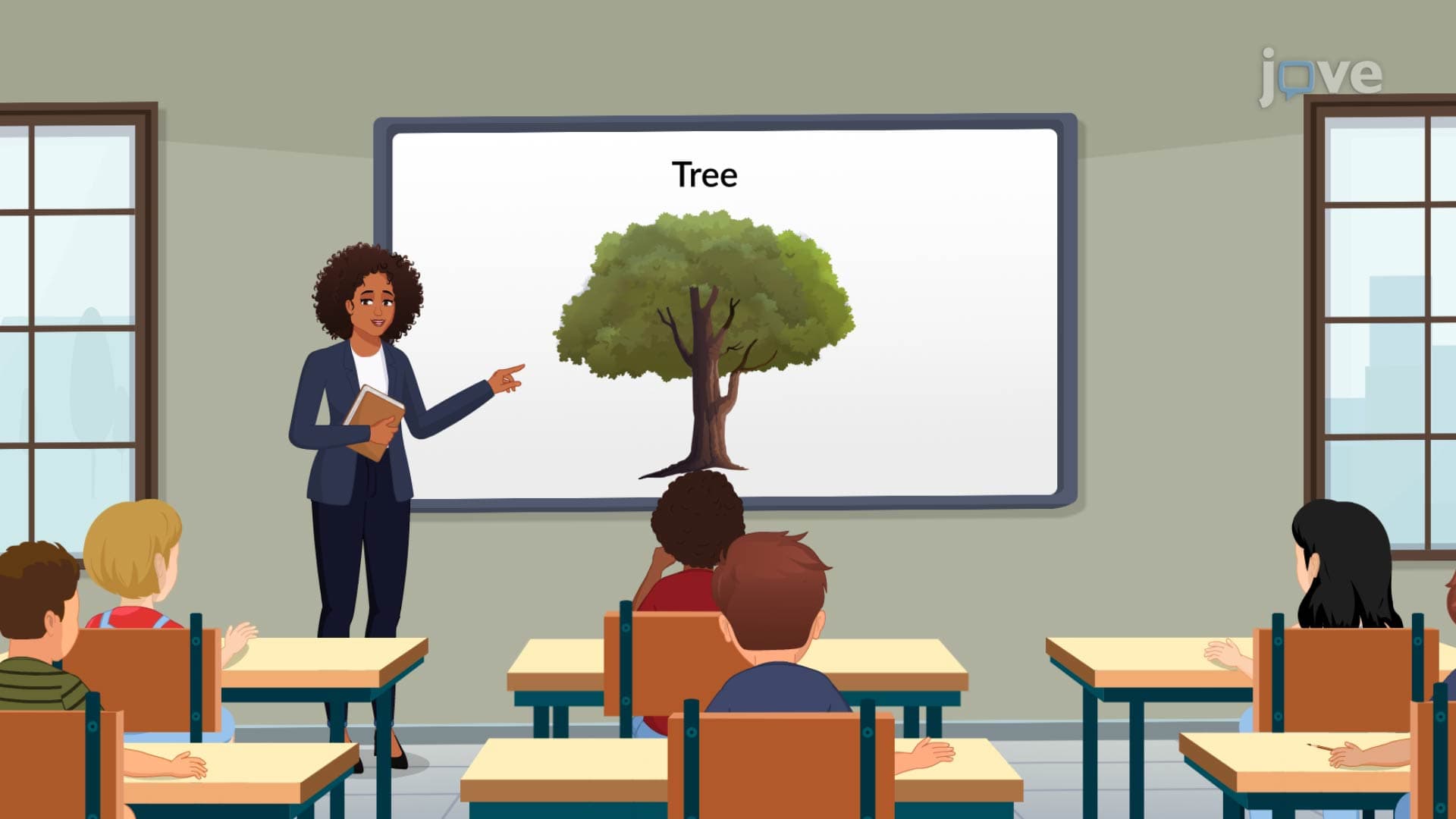
1. Three-Stage Memory Model: Memory operates through sensory memory (capturing environmental information for seconds), short-term memory (processing information for about 30 seconds), and long-term memory (storing vast information permanently). For example, when a teacher writes a complex equation on the whiteboard, students first capture it visually through iconic memory, process the symbols in working memory while copying notes, then transfer the mathematical concept to long-term storage through repeated practice and application in homework assignments.
2. Encoding Processes and Types: Information enters memory through automatic processing (unconscious encoding of time and word meanings) or effortful processing (deliberate attention like studying calculus). The three encoding types include semantic (meaning-based, like associating "democracy" with voting rights), visual (image-based, like picturing the American flag when reading about patriotism), and acoustic (sound-based, like remembering song lyrics from the national anthem). Students can improve encoding by using multiple types simultaneously.
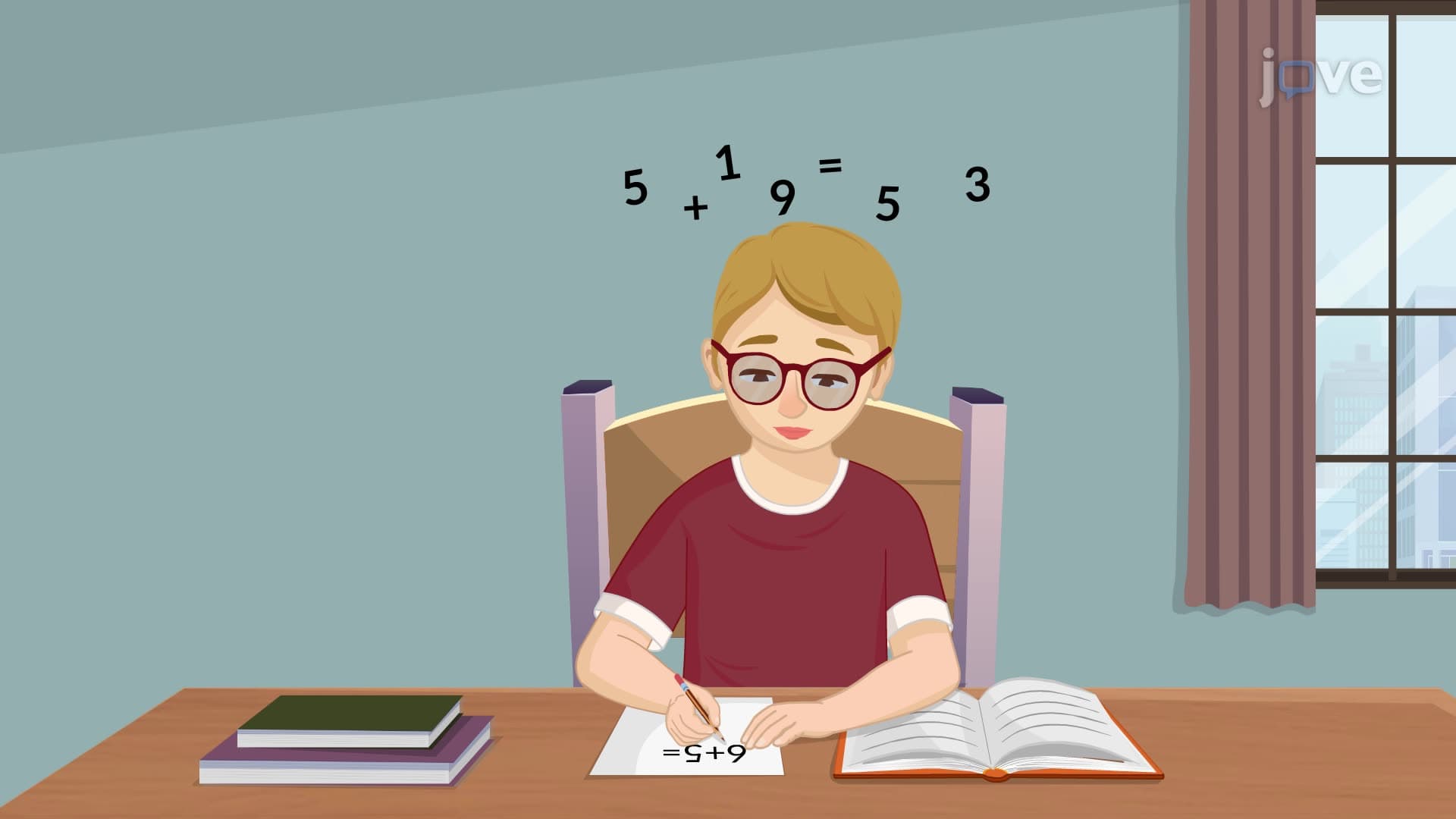
3. Working Memory Components: Working memory combines short-term storage with active processing through four components: the central executive (controlling information flow), phonological loop (processing spoken information like verbal instructions), visuospatial sketchpad (handling visual data like geometry problems), and episodic buffer (integrating different types of information). This system enables students to solve multi-step algebra problems by holding numbers while performing operations and checking their work.
4. Long-Term Memory Systems: Long-term memory divides into explicit memory (conscious recollection) and implicit memory (unconscious influence). Explicit memory includes episodic memories (personal experiences like high school graduation) and semantic memories (factual knowledge like knowing Washington D.C. is the capital). Implicit memory encompasses procedural memory (skills like typing), conditioning (learned associations), and priming (unconscious activation of related concepts). These systems work together during SAT preparation when students consciously memorize vocabulary while unconsciously developing test-taking procedures.
5. Brain Structures in Memory: The hippocampus consolidates new memories and transfers them from short-term to long-term storage, explaining why taxi drivers have enlarged hippocampi from navigating city streets. The amygdala processes emotional memories, creating vivid recollections of significant events like September 11th attacks. The cerebellum handles procedural memories for motor skills like playing piano, while the prefrontal cortex manages working memory during complex reasoning tasks. Neurotransmitters like acetylcholine, glutamate, and dopamine facilitate memory formation and retrieval.
6. Memory Retrieval and Forgetting: Retrieval occurs through recall (producing information without cues, like essay exams), recognition (identifying correct answers from options, like multiple-choice tests), and relearning (reacquiring forgotten information faster than initial learning). Forgetting happens through encoding failure (information never properly stored), storage decay (memories fade without use), and retrieval failure (information stored but inaccessible). The forgetting curve shows rapid initial memory loss that gradually slows, while interference occurs when competing memories disrupt recall.
Frequently Asked Questions
Short-term memory passively stores information for about 30 seconds, while working memory actively manipulates and processes that information. Working memory includes short-term storage plus attention control, allowing you to solve math problems by holding numbers while performing calculations.
Knowing memory types helps you apply appropriate study strategies: use elaborative rehearsal for semantic memory (connecting new concepts to existing knowledge), practice retrieval for procedural memory (repeatedly testing yourself), and create vivid associations for episodic memory (linking facts to personal experiences or memorable examples).
Use chunking to group related information (like organizing amino acids by chemical properties), create acronyms for lists (like "ROY G. BIV" for light spectrum colors), employ the method of loci by associating facts with familiar locations, and practice spaced repetition to combat the forgetting curve through distributed practice sessions.
This "tip-of-the-tongue" phenomenon occurs due to retrieval failure - the information is stored but temporarily inaccessible. Test anxiety can worsen this by interfering with memory retrieval pathways. Practice relaxation techniques and use multiple retrieval cues during studying to create more pathways to the same information.
Moderate stress enhances memory formation through stress hormone release, which is why you might vividly remember significant events. However, chronic stress or extreme anxiety during exams can impair both encoding new information and retrieving stored memories by disrupting hippocampus function and working memory processes.
Yes, this follows the natural forgetting curve showing rapid initial memory loss. Combat this through distributed practice (studying over multiple sessions), active recall (testing yourself rather than just re-reading), and elaborative rehearsal (connecting new information to existing knowledge) to strengthen memory consolidation.
Sleep is crucial for transferring information from short-term to long-term memory through a process called consolidation. During sleep, the brain rehearses and strengthens neural connections formed during learning. Pulling all-nighters before exams can actually impair memory performance despite more study time.
Anterograde amnesia prevents forming new memories after brain damage (like the famous patient H.M.), while retrograde amnesia causes loss of memories formed before the injury. Understanding these differences helps explain how hippocampus damage affects memory consolidation but often leaves older, well-established memories intact.
This microcourse includes 30 concept videos that walk you through the building blocks of Introduction to Psychology. Each video is short, about 1 minute, so you can cover a full topic during a coffee break or between classes. The full sequence starts with Understanding Memory and ends with Dementia.