Loading video…


 30 Concepts
 24.2K views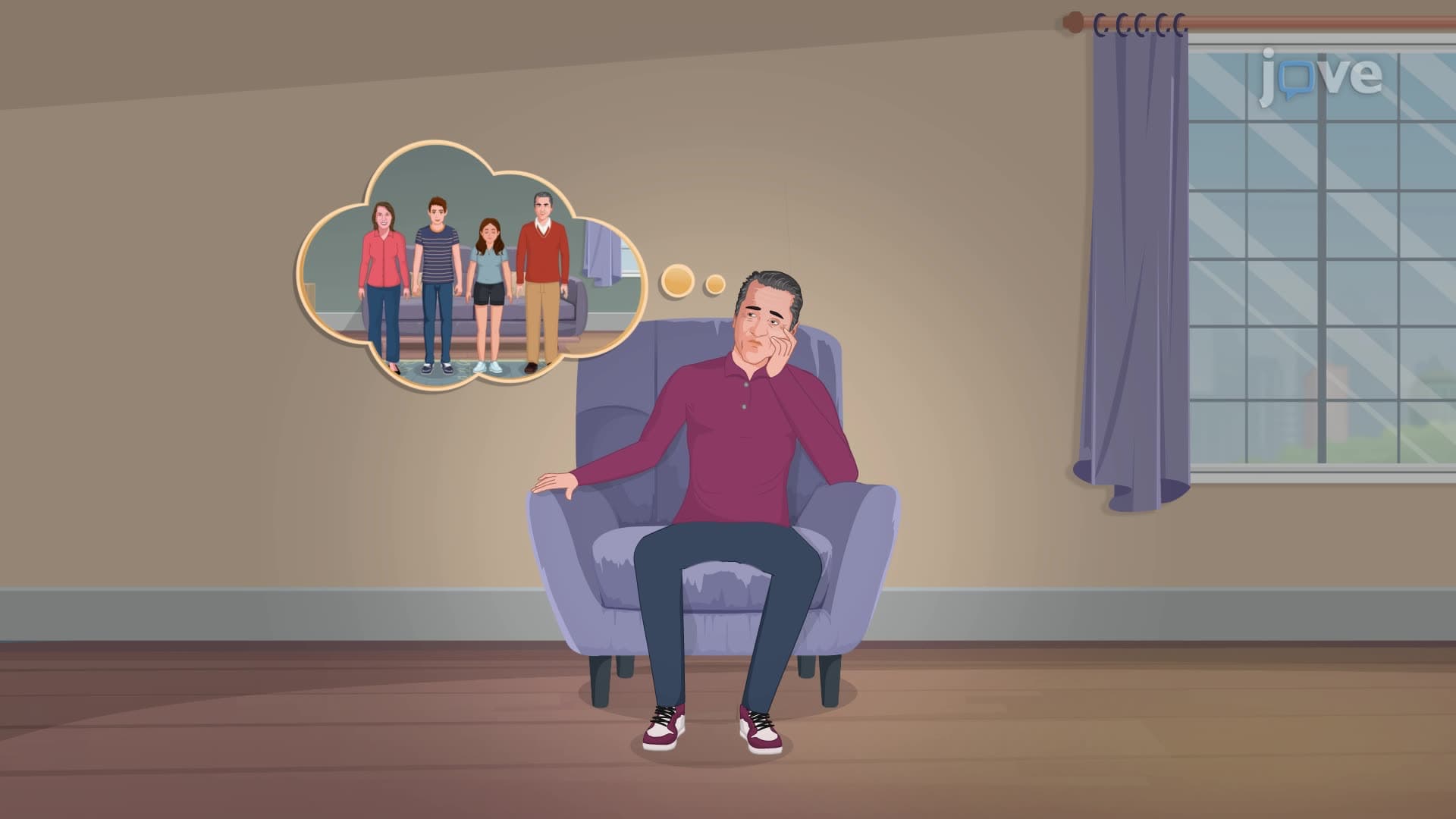

Video Summary: What Is Amnesia
Did you know that some people can lose decades of memories overnight while still learning new information perfectly? Dementia and related memory disorders like amnesia affect millions of Americans, disrupting the brain's ability to store and retrieve memories. What is amnesia becomes particularly important when examining cases like former NFL player Scott Bolzan, who lost all personal memories after a traumatic brain injury yet could still form new ones. Watch the full video on JoVE Coach to master this concept with expert-led visuals and step-by-step explanations.
What is amnesia represents one of the most fascinating areas of neuroscience and psychology, involving the partial or complete loss of memory function. While often confused with dementia, amnesia specifically refers to memory loss conditions that can occur suddenly or gradually, affecting different aspects of how we store, process, and retrieve information. Understanding the dementia definition helps clarify this distinction-dementia encompasses broader cognitive decline including memory, thinking, and reasoning, while amnesia primarily targets memory systems.
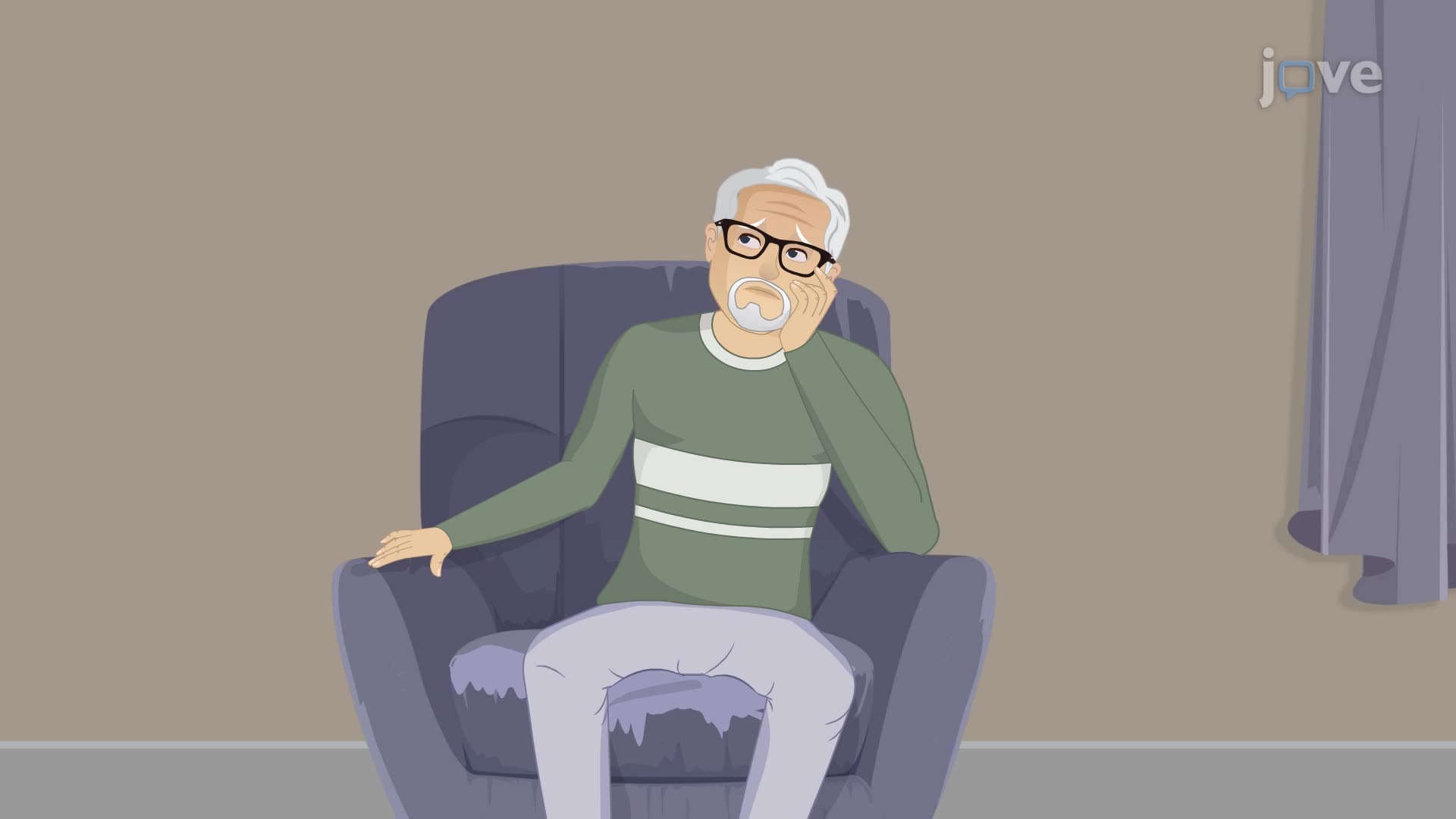
The two primary forms of amnesia affect memory in opposite ways. Retrograde amnesia erases memories formed before the onset of the condition, like a person forgetting their childhood, education, or career after a severe accident. The case of Scott Bolzan, former NFL player, exemplifies this perfectly-after slipping on ice and suffering a traumatic brain injury, he lost all memories of his 46 years of life, including recognition of his wife and children.
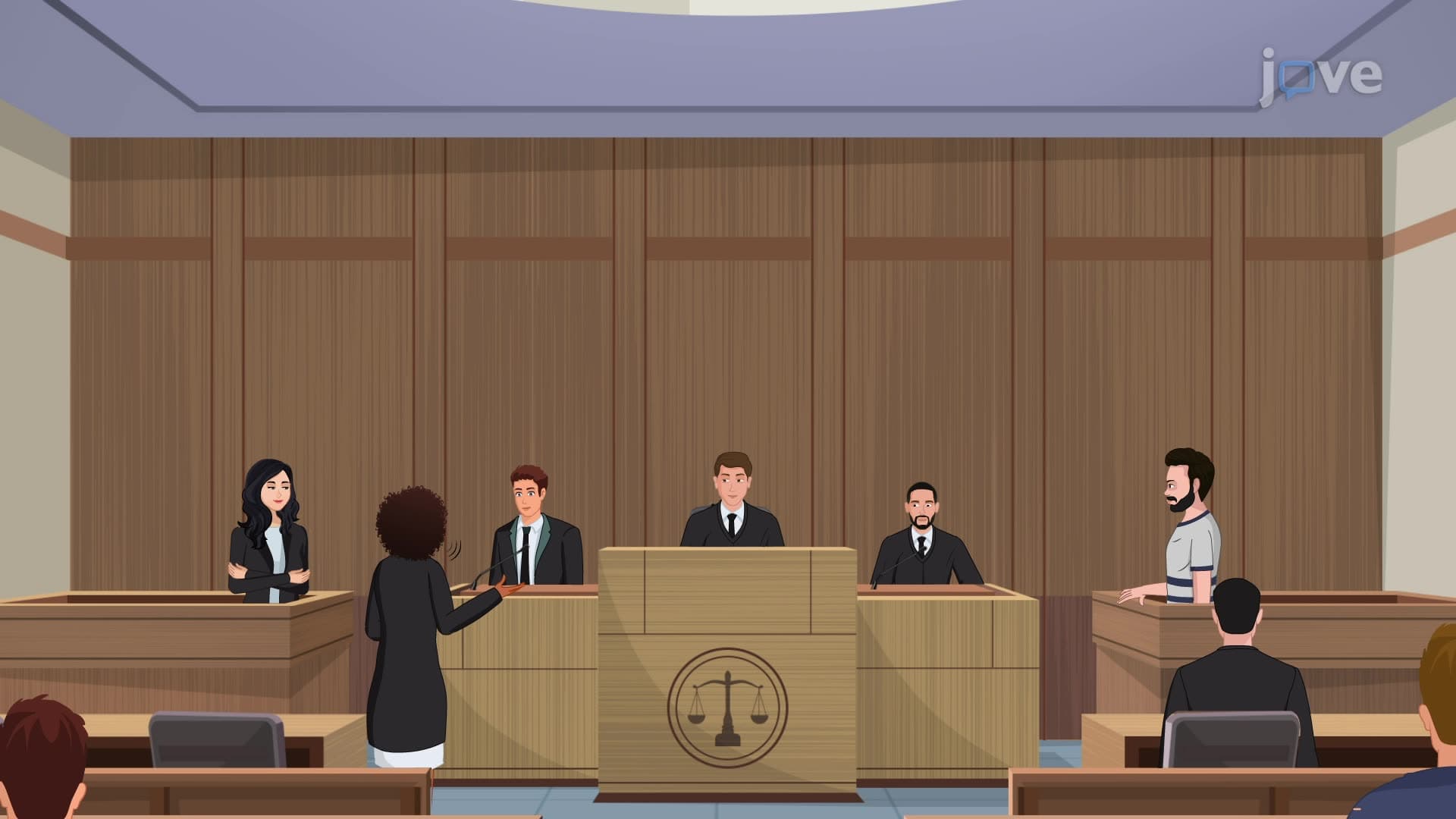
Anterograde amnesia presents the opposite challenge: patients retain pre-existing memories but cannot form new ones. The famous case of Henry Molaison (known as Patient H.M.) at Massachusetts Institute of Technology revolutionized our understanding of memory. After experimental brain surgery in 1953 to treat severe epilepsy, Molaison could remember his childhood and early adulthood but couldn't retain new information for more than a few minutes. He would meet the same researchers daily without recognition, demonstrating how specific brain regions control memory formation.
Dementia overview studies show that various factors can trigger amnesia. Traumatic brain injuries, particularly those affecting the hippocampus and temporal lobes, represent the most dramatic causes. However, psychological trauma, chronic alcohol abuse (Korsakoff's syndrome), and neurodegenerative diseases also produce amnesia symptoms. Alzheimer's disease, affecting over 6 million Americans, typically begins with anterograde amnesia before progressing to broader cognitive decline.
For students preparing for AP Psychology, MCAT, or undergraduate neuroscience courses, understanding these distinctions proves crucial. The dementia concept frequently appears on standardized tests, requiring clear differentiation between temporary amnesia, permanent memory loss, and progressive cognitive disorders.
Modern neuroimaging techniques like fMRI and PET scans allow researchers at institutions like Johns Hopkins and Stanford University to map memory networks in living patients. This research has revealed that different types of memories-episodic (personal experiences), semantic (facts and concepts), and procedural (skills and habits)-rely on distinct brain circuits, explaining why amnesia patients might lose personal memories while retaining language skills or motor abilities.
Related Micro-courses