Loading video…


 30 Concepts
 24.2K views

Video Summary: What Is Flashbulb Memory
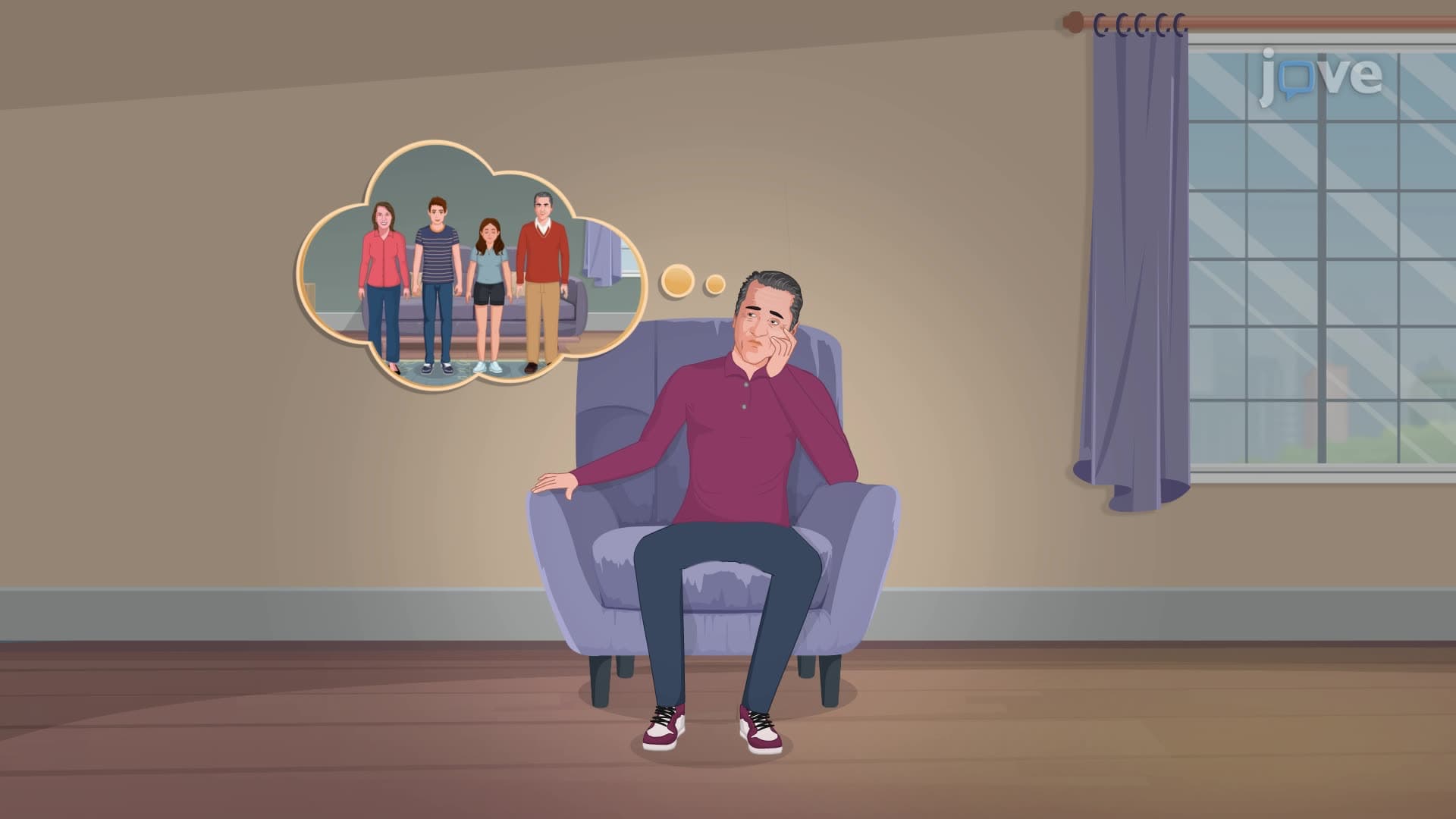
Traumatic memory can be so powerful that decades later, Americans still vividly recall exactly where they were during 9/11 or the Challenger disaster. These exceptionally detailed recollections, known as flashbulb memory, preserve emotional moments with startling clarity compared to everyday memories. The intense emotions create lasting imprints that help us process significant life events and shape our personal identity. Watch the full video on JoVE Coach to master this concept with expert-led visuals and step-by-step explanations.
Flashbulb memory represents one of the most fascinating aspects of human cognition, demonstrating how our brains prioritize emotionally significant information. Unlike routine memories that fade quickly, these traumatic memory experiences create lasting neural pathways through intense emotional activation. When the amygdala detects high emotional significance, it enhances memory consolidation in the hippocampus, essentially "tagging" the event as important for long-term storage.
The traumatic memory definition extends beyond just negative events-it encompasses any emotionally charged experience that creates lasting, detailed recollections. For AP Psychology students, understanding this distinction is crucial, as flashbulb memories can form from positive events like graduation day or negative ones like natural disasters.
What is traumatic memory in detail involves several key features that distinguish it from ordinary recollection. These memories typically include vivid sensory details: the exact location where you learned the news, who was present, what you were wearing, and even peripheral details like the weather. Americans who experienced the Columbia shuttle disaster in 2003 often recall not just the event itself, but seemingly unrelated details like what they ate for breakfast that morning.
Research shows these memories feel more accurate to the individual, though they're not immune to distortion over time. This traumatic memory concept is essential for students preparing for the MCAT, where understanding memory formation and emotional processing frequently appears in behavioral sciences sections.
Traumatic memory basics include understanding how rehearsal strengthens these recollections. Unlike typical memories that we might recall once and forget, flashbulb memories are frequently discussed, especially in the days and weeks following the event. This social rehearsal, combined with media coverage for public events, reinforces the neural pathways and contributes to the memory's persistence.
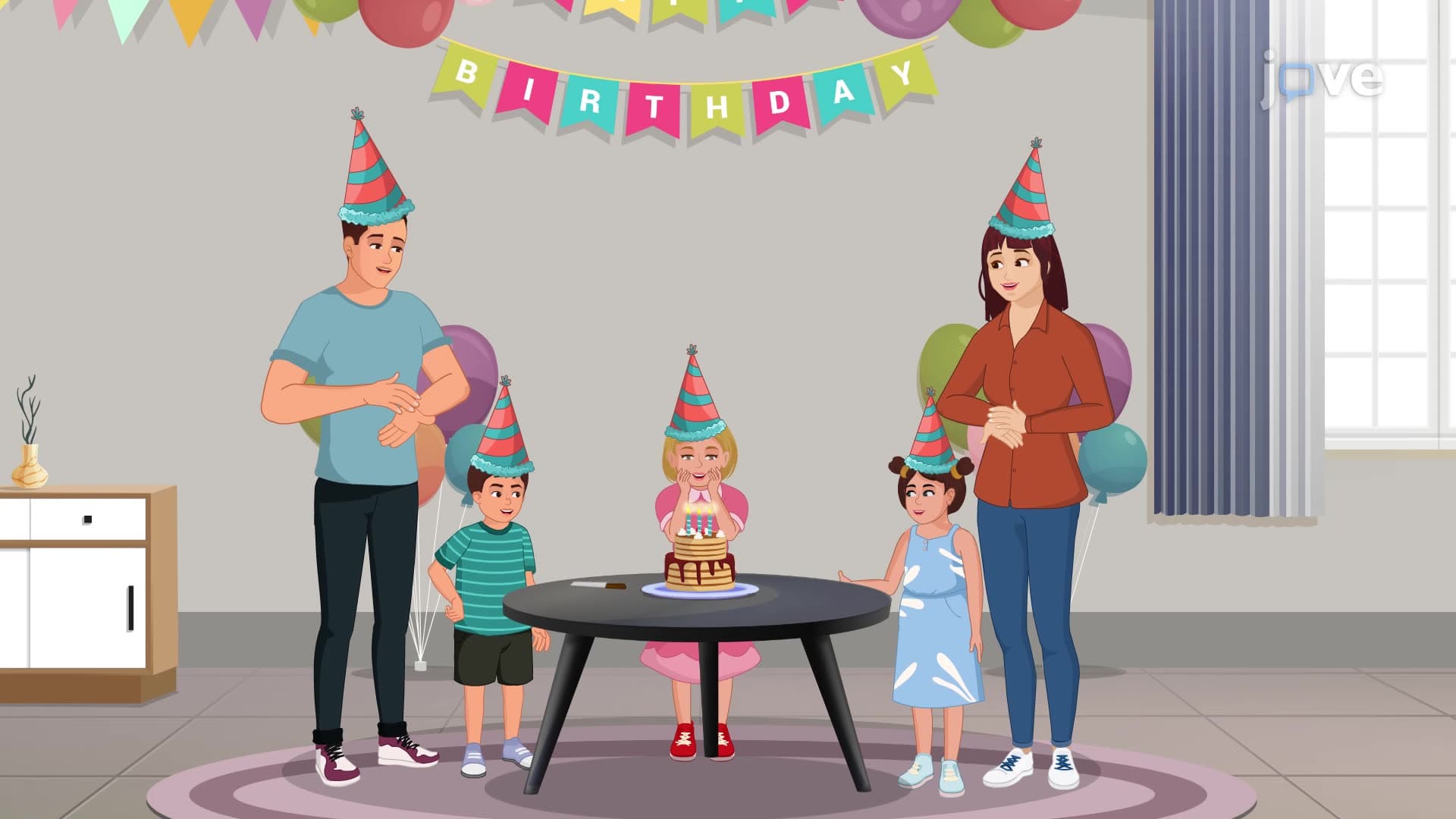
Personal flashbulb memories, such as receiving college acceptance letters or experiencing family milestones, follow similar patterns. The traumatic memory study guide for college courses emphasizes how this rehearsal process differs from rote memorization, instead involving emotional and social reinforcement that naturally occurs when we share significant experiences.
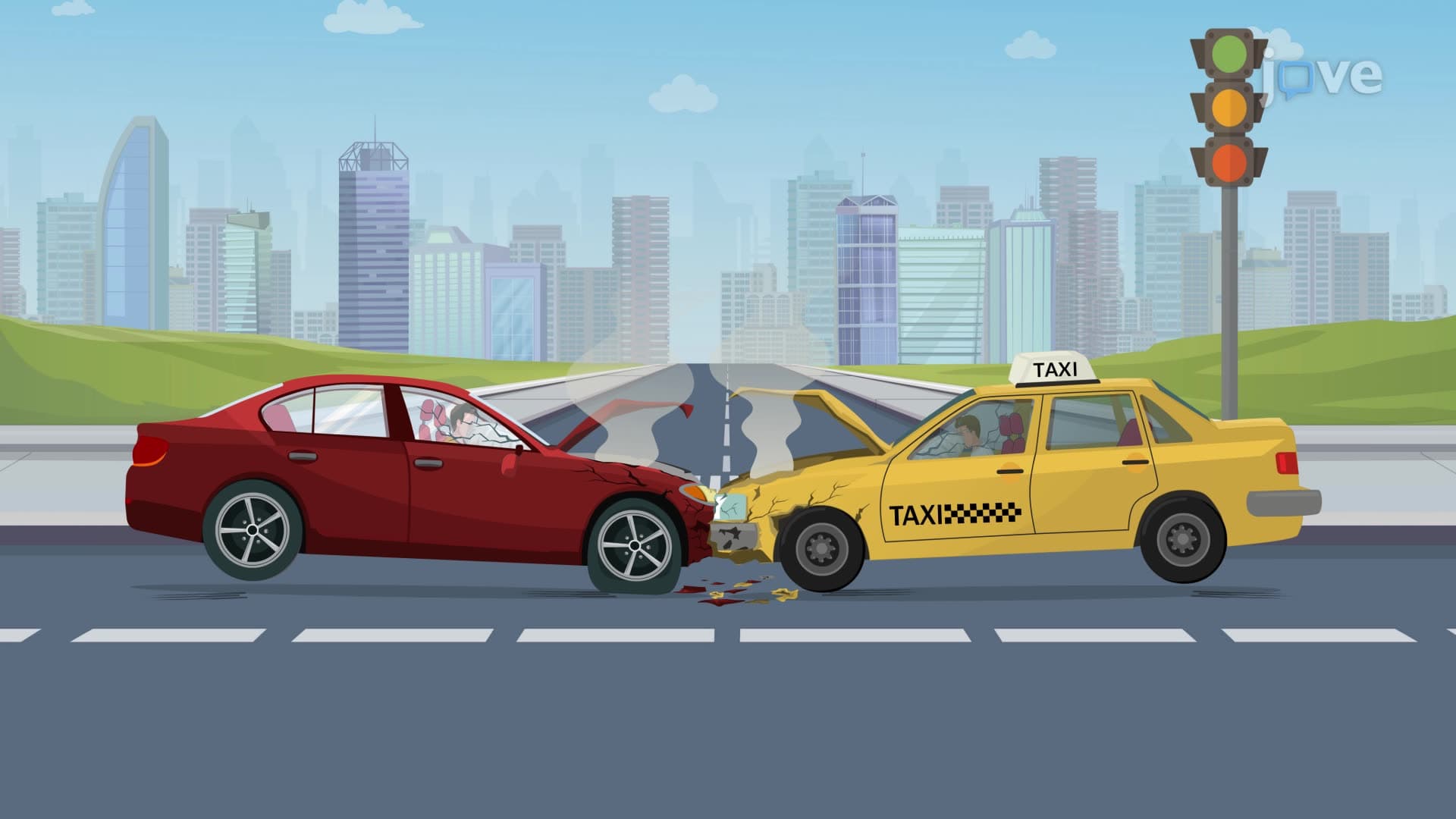
Understanding traumatic memory provides insights into both normal cognitive processes and clinical conditions. Mental health professionals use this traumatic memory overview to understand how significant life events shape patient narratives and identity formation. For students taking the NCLEX or planning healthcare careers, recognizing how patients process and recall medical emergencies or diagnoses can inform more compassionate care approaches.
This knowledge also appears frequently in SAT Subject Tests and college psychology courses, where students must demonstrate understanding of memory systems and emotional processing in human cognition.
Related Micro-courses