Loading video…


 30 Concepts
 24.2K views

Video Summary: What Is Repressed Memory
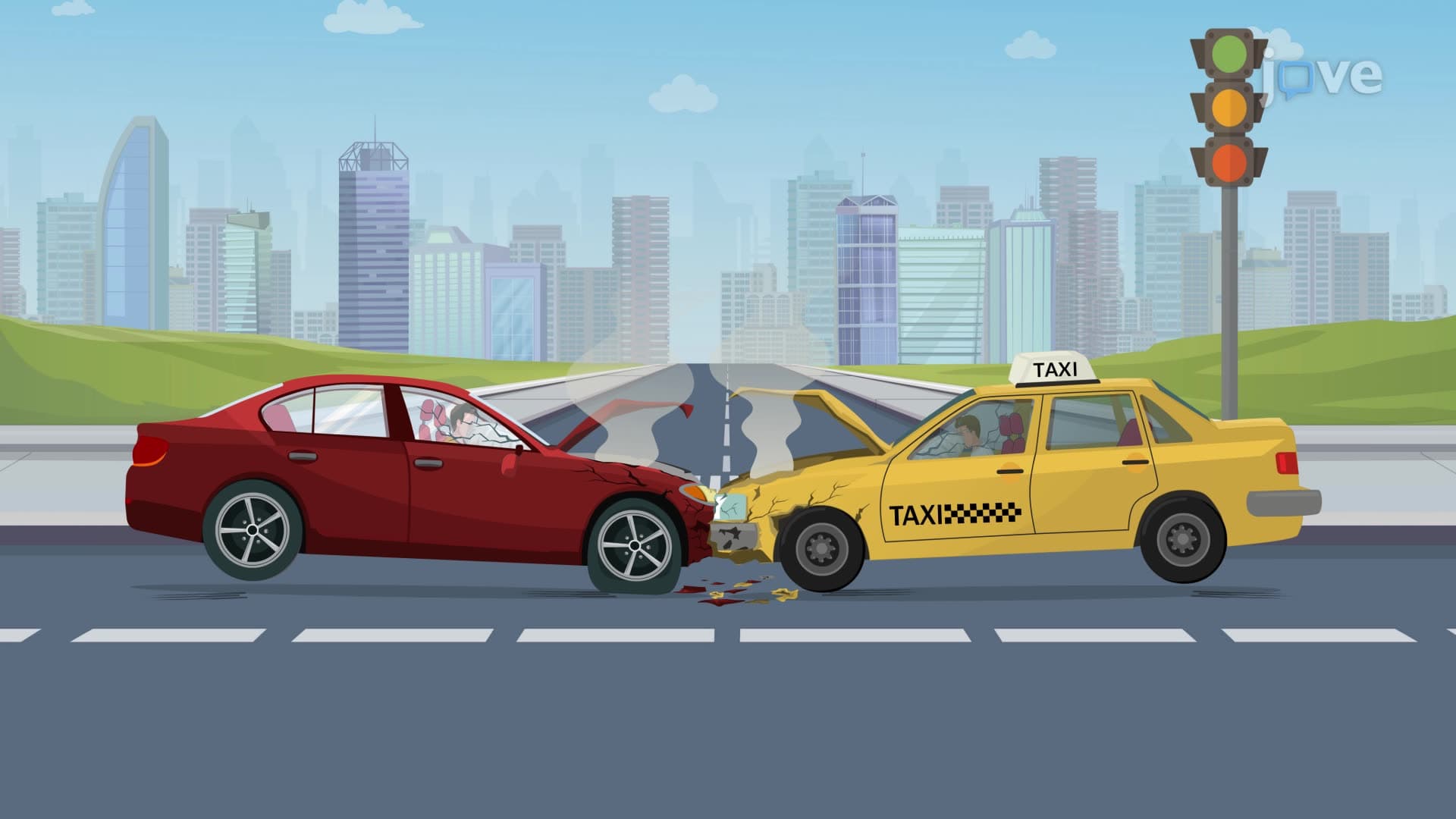
Did you know that survivors of the 9/11 attacks sometimes have no conscious memory of their traumatic experiences, despite being physically present during the events? Eyewitness memory can be dramatically affected when our minds unconsciously block traumatic experiences through a psychological defense mechanism. What is repressed memory demonstrates how our brains protect us from overwhelming emotional distress by pushing painful memories out of conscious awareness. From childhood abuse survivors to car accident victims in cities like Chicago or Los Angeles, this unconscious forgetting helps people cope with severe psychological trauma. Watch the full video on JoVE Coach to master this concept with expert-led visuals and step-by-step explanations.
Repressed memory represents one of psychology's most fascinating and controversial concepts, describing how our minds unconsciously shield us from traumatic experiences by blocking them from conscious awareness. Unlike simple forgetting, repression operates as an active psychological defense mechanism that pushes painful memories deep into the unconscious mind to protect our emotional well-being.
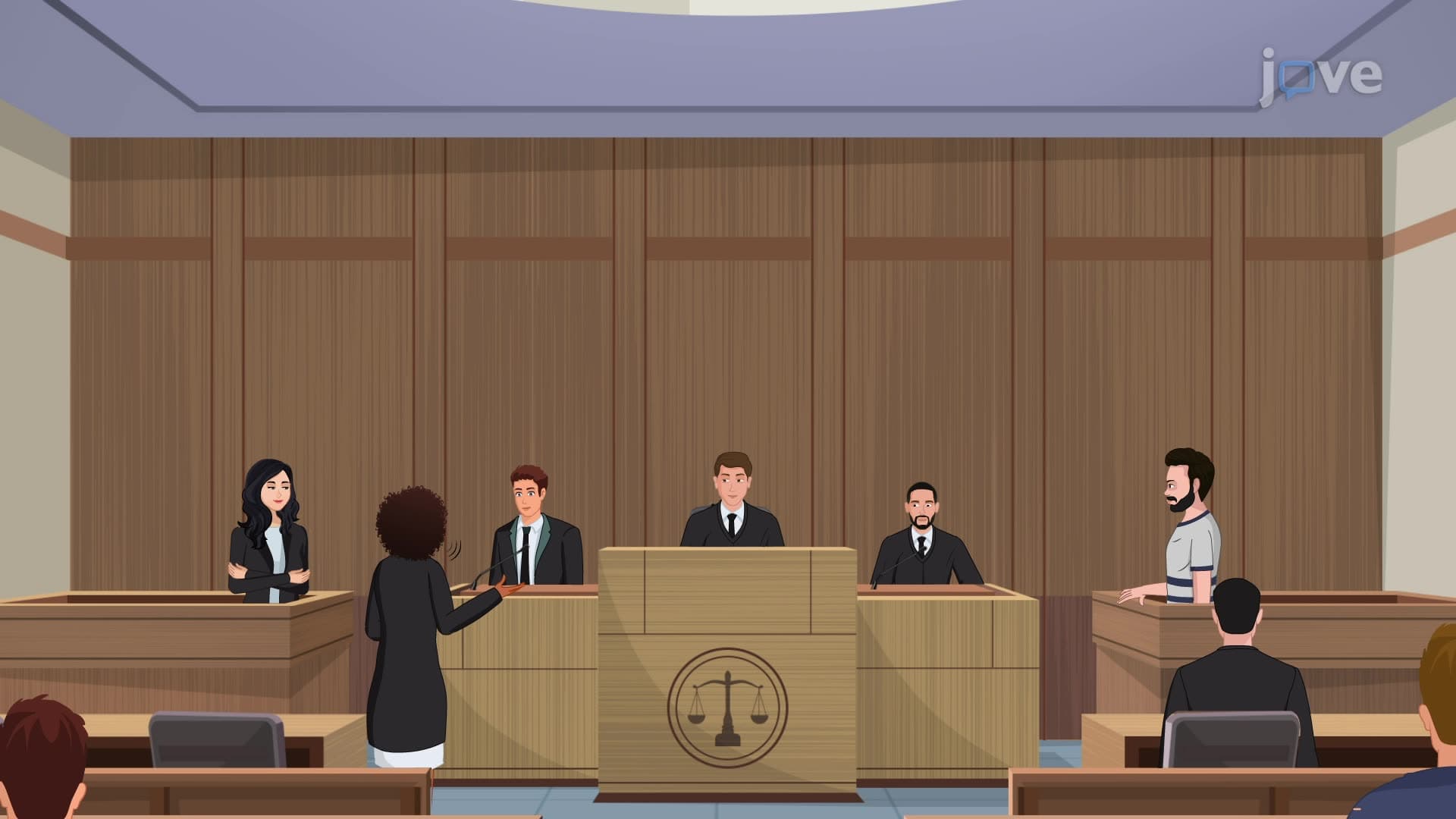
Eyewitness memory research reveals how repression can dramatically impact testimony accuracy in legal proceedings. When trauma survivors testify in US courtrooms about experiences like domestic violence or assault, their repressed memories may create gaps in their accounts that defense attorneys often exploit. The eyewitness memory definition encompasses not just what people remember, but also what their minds unconsciously choose to forget through repressive mechanisms.
Understanding what is eyewitness memory in detail becomes crucial when examining high-profile cases throughout American history. Combat veterans returning from Iraq and Afghanistan frequently experience repressed memories of battlefield trauma, affecting their ability to provide complete testimony in military tribunals or disability hearings. Similarly, survivors of mass shootings at schools like Sandy Hook or Columbine may unconsciously suppress memories of their experiences, complicating both legal proceedings and therapeutic interventions.
Students preparing for AP Psychology exams, MCAT sections on behavioral sciences, or college psychology courses must grasp how repressed memory differs from other memory phenomena. The concept frequently appears in multiple-choice questions about defense mechanisms, memory formation, and trauma psychology. Understanding the eyewitness memory overview helps students analyze case studies involving recovered memories, false memory syndrome, and the ongoing scientific debate about repression's validity in therapeutic settings.
Modern neuroscience research at institutions like Stanford University and Harvard Medical School continues investigating the biological mechanisms underlying memory suppression, making this topic increasingly relevant for pre-med students and psychology majors studying cognitive neuroscience.
Related Micro-courses