Loading video…


 30 Concepts
 24.2K views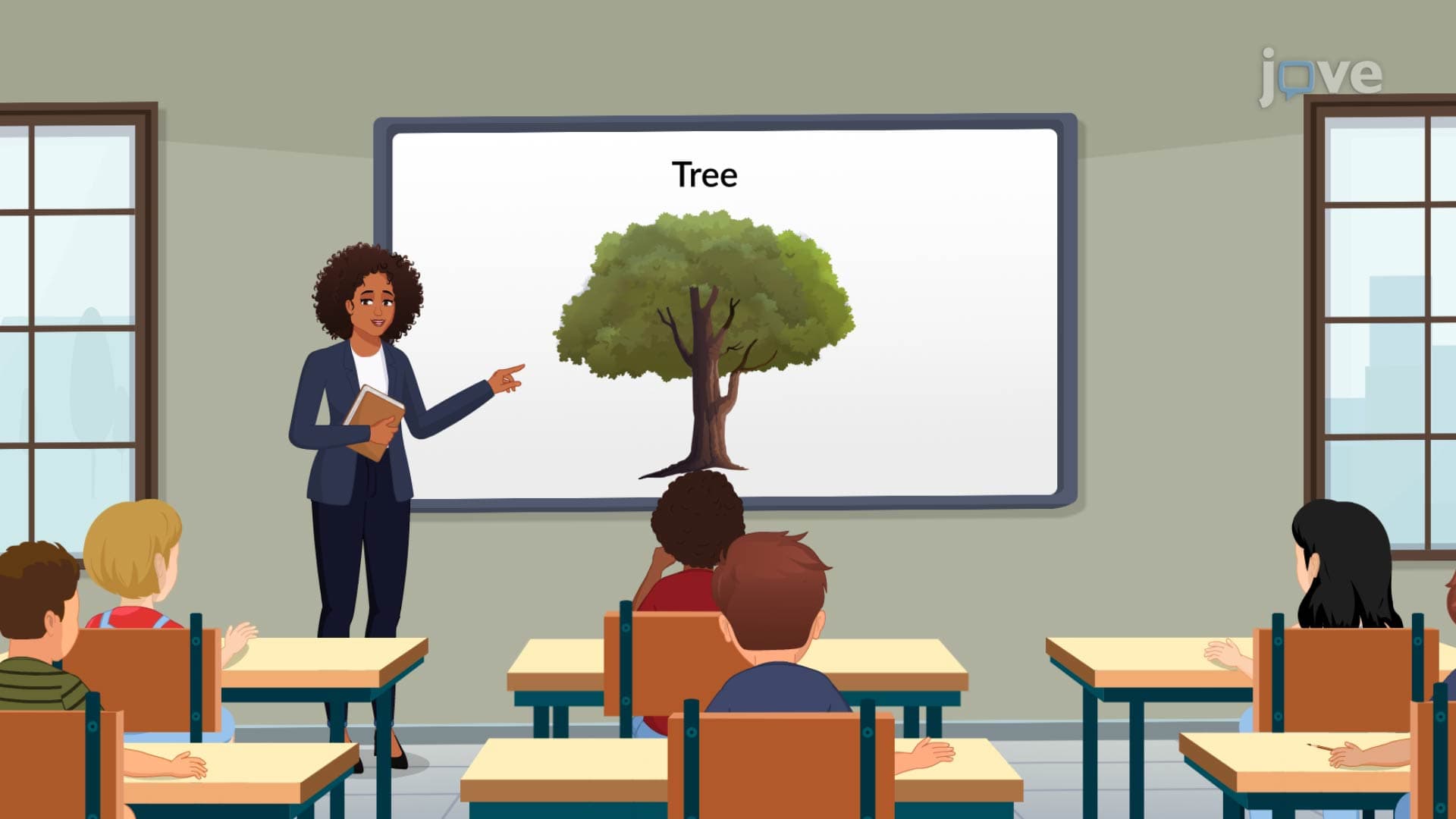

Video Summary: What Is Encoding
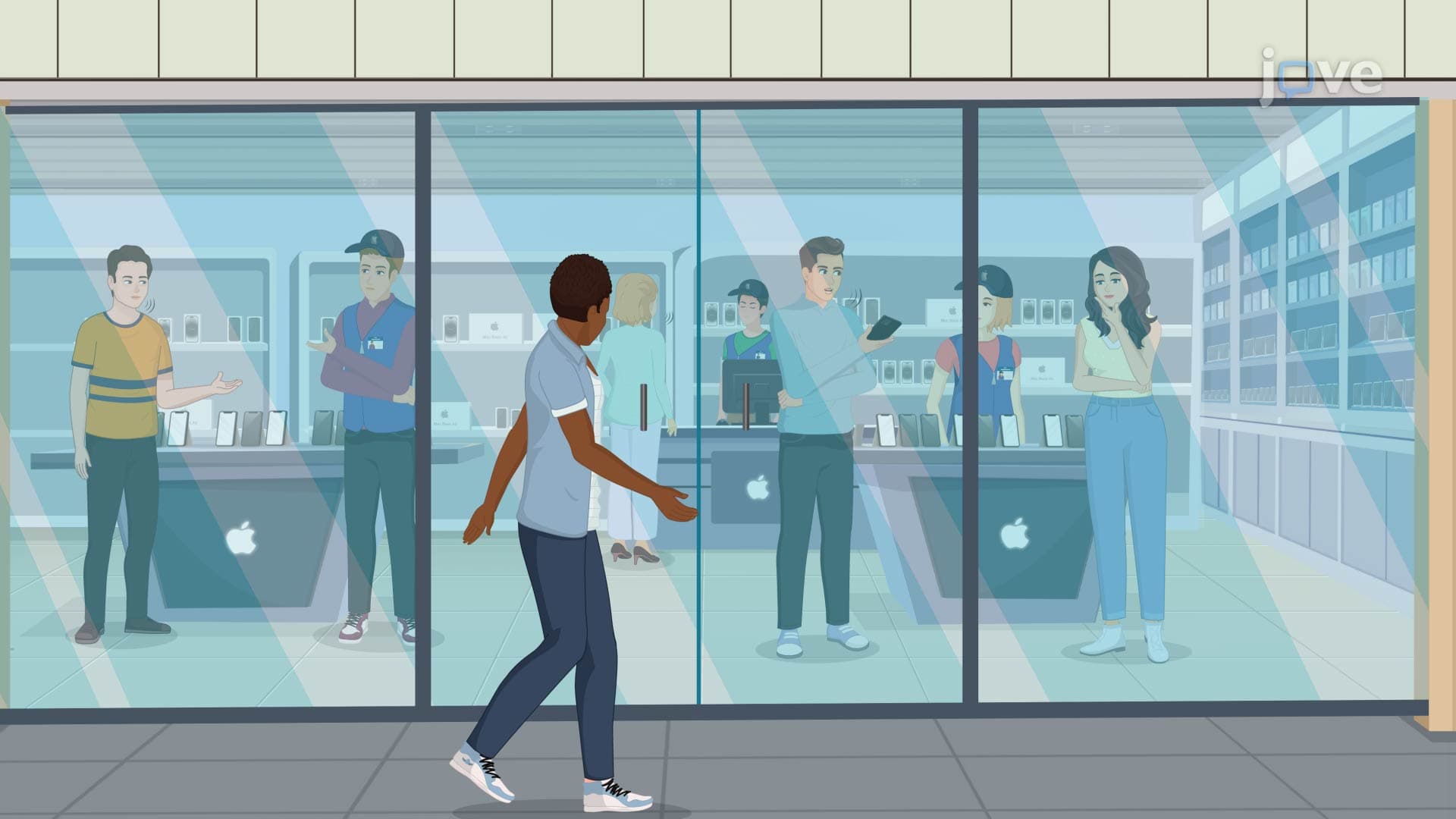
Did you know your brain processes over 11 million bits of sensory information every second, yet you're only consciously aware of about 40? Sensory memory acts as your brain's initial filter, briefly holding this flood of information before deciding what deserves your attention. When a high school student walks through a bustling cafeteria, their sensory memory simultaneously captures conversations, visual details, and smells before encoding only the most relevant information into longer-term storage. Understanding what is encoding reveals how our brains transform these fleeting sensory experiences into lasting memories. Watch the full video on JoVE Coach to master this concept with expert-led visuals and step-by-step explanations.
What is encoding represents one of psychology's most fundamental concepts, describing how raw sensory information transforms into accessible memories. Unlike a simple recording device, your brain actively processes incoming information, determining what gets stored, how it's organized, and what connections form with existing knowledge. This selective process explains why two students can attend the same biology lecture yet remember entirely different details based on their attention, prior knowledge, and encoding strategies.
The sensory memory definition encompasses the brain's initial contact point with environmental information. Sensory memory briefly holds visual, auditory, and other sensory data-typically for less than a second-before encoding processes determine which information advances to short-term memory. This sensory memory overview reveals why you can recall the last few words someone spoke even when you weren't actively listening, or why you can still "see" a camera flash after closing your eyes.
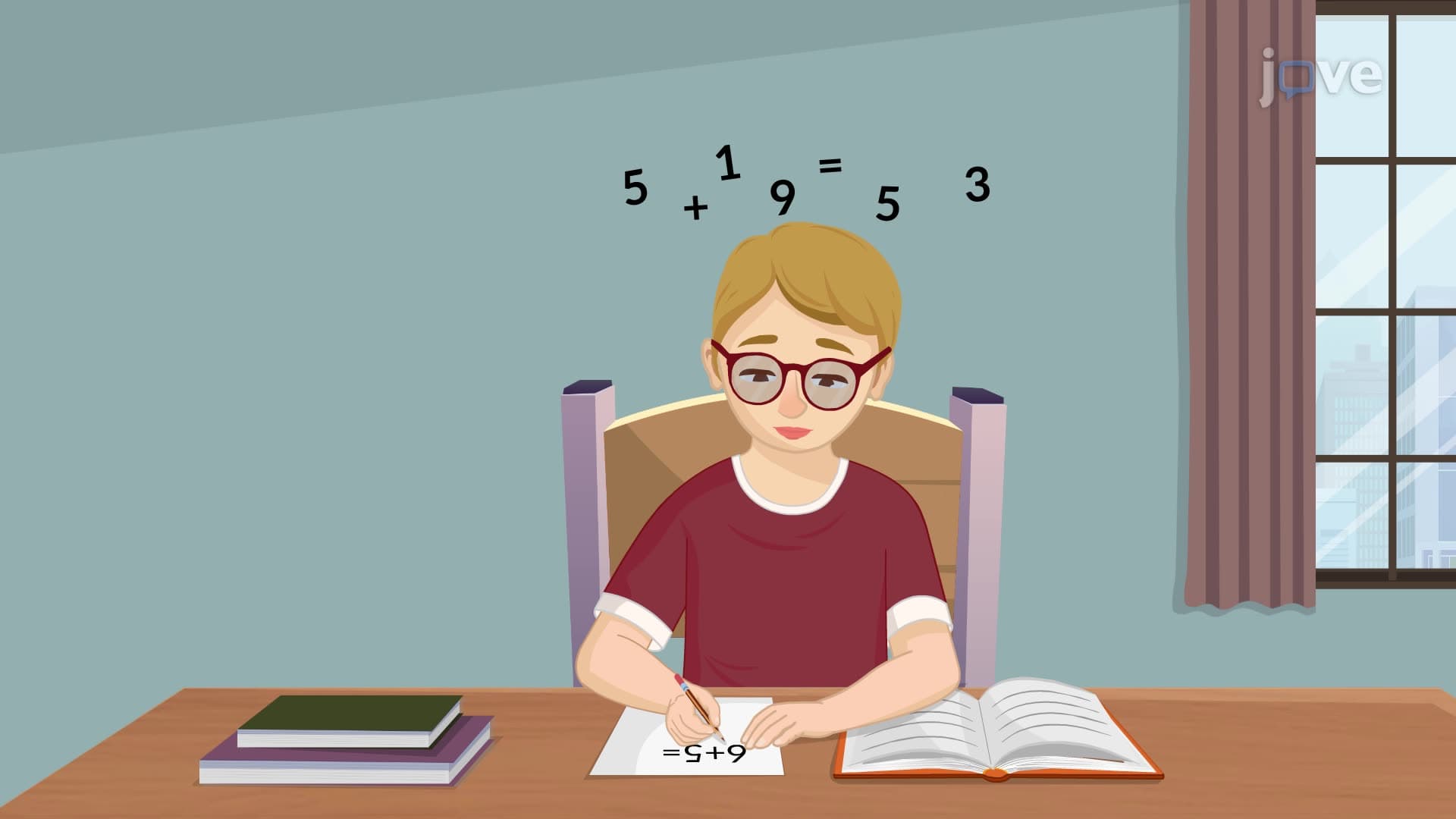
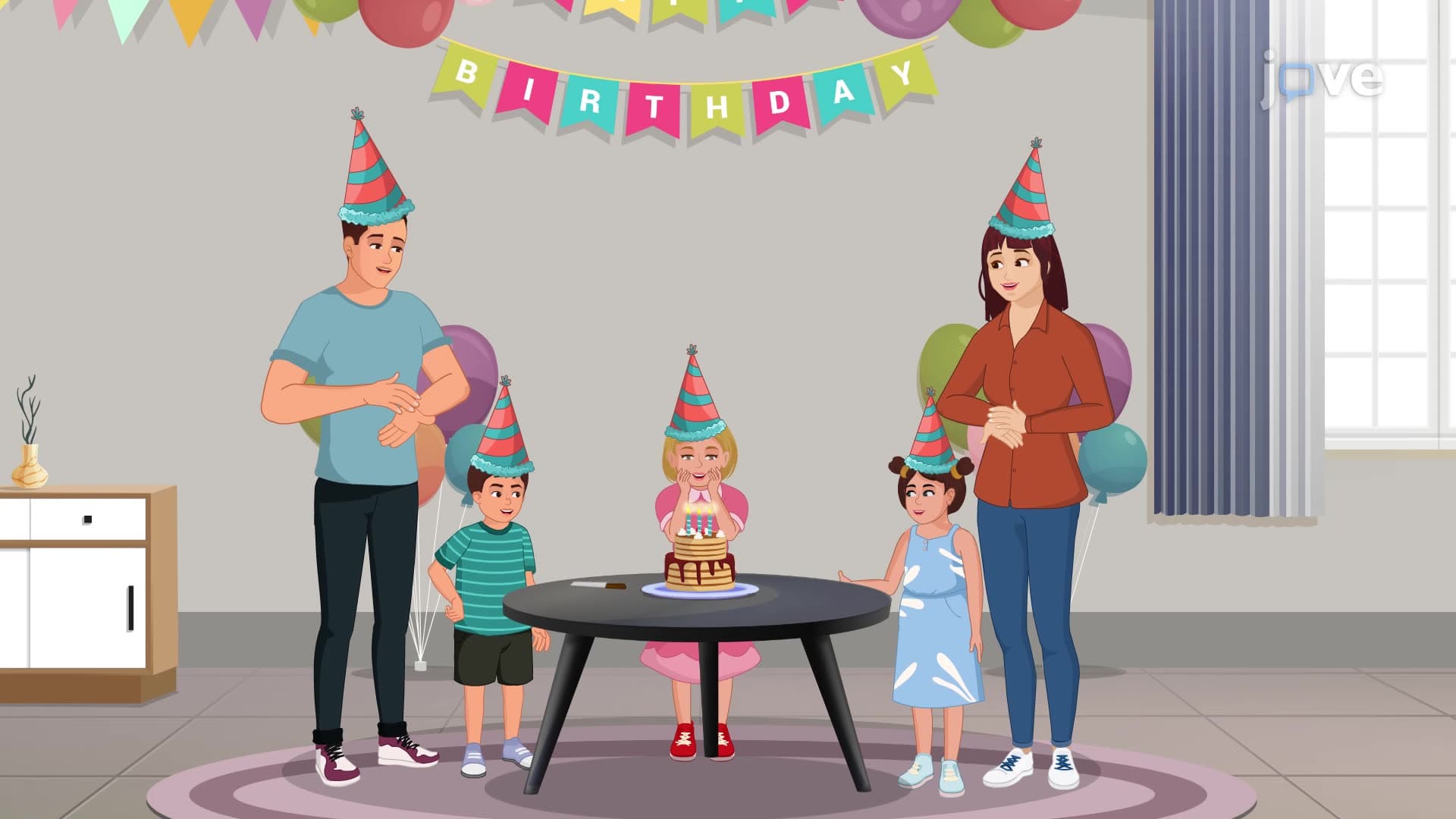
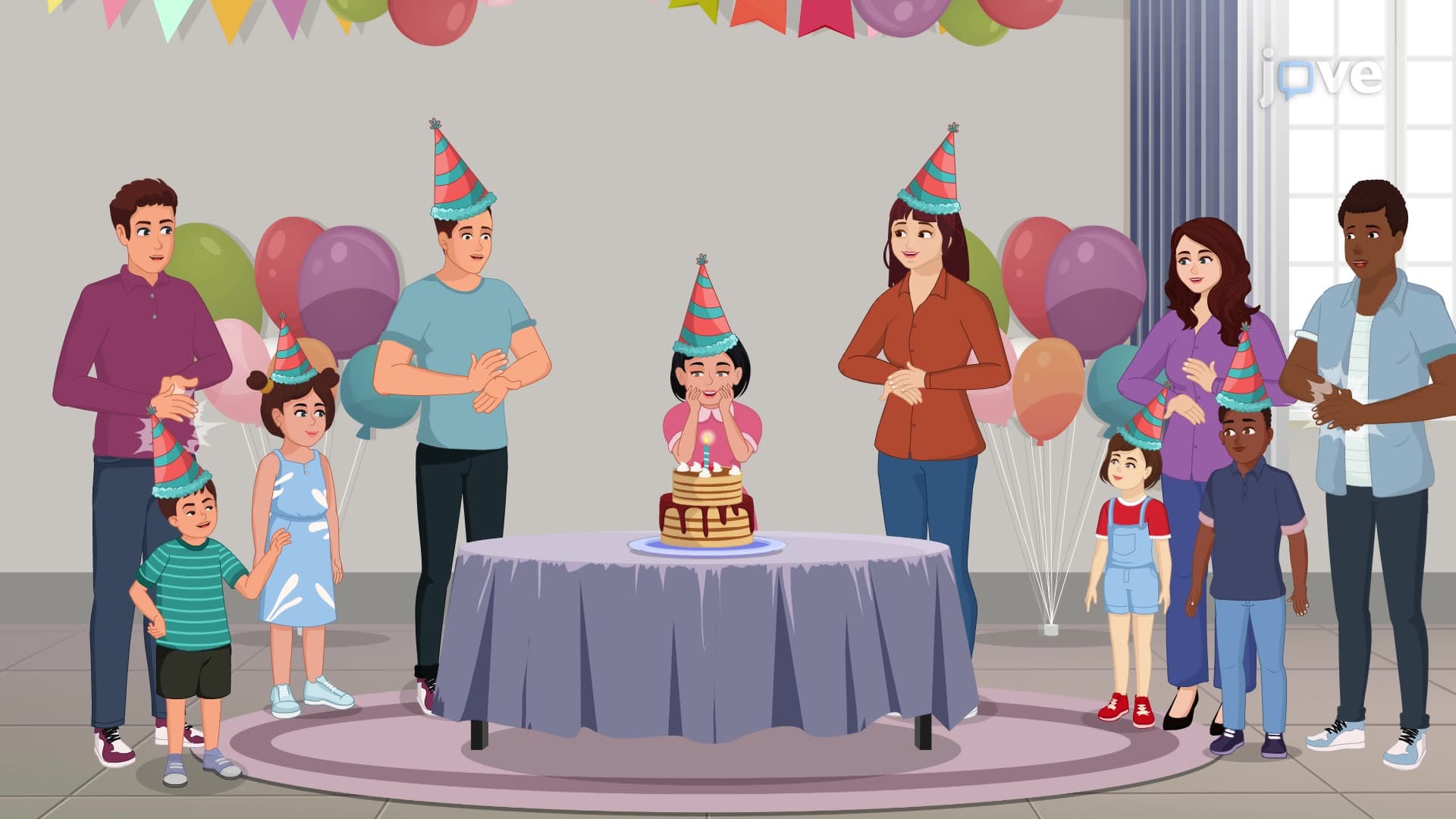
Encoding operates through two distinct pathways that demonstrate the sensory memory concept in action. Automatic processing occurs without conscious effort, continuously encoding fundamental information like spatial location, time sequences, and frequency of events. When you effortlessly remember what you ate for breakfast or which route you took to school, automatic processing deserves credit. This system handles routine information, allowing cognitive resources to focus elsewhere.
Effortful processing demands conscious attention and deliberate cognitive work. Learning calculus, mastering Spanish vocabulary, or understanding cellular respiration requires effortful encoding. Students preparing for the SAT or AP Psychology exam must engage effortful processing to encode complex concepts and their applications. This distinction helps explain why some information feels naturally memorable while other material requires intensive study strategies.
Understanding sensory memory requires examining how different encoding types optimize information storage. Semantic encoding processes meaning and creates associations between new information and existing knowledge. When students learn that mitochondria are "cellular powerhouses," semantic encoding connects this concept to familiar ideas about energy and cellular function. Research consistently shows semantic encoding produces the most durable memories, making it essential for academic success.
Visual encoding transforms written words and observed scenes into mental images. Reading "Golden Gate Bridge" immediately triggers visual representations, even for those who've never visited San Francisco. Students studying anatomy benefit tremendously from visual encoding, as complex structures become memorable through detailed diagrams and mental imagery. This sensory memory study guide principle explains why visual aids enhance learning across disciplines.
Acoustic encoding specializes in processing sounds, rhythms, and verbal information. The reason advertising jingles stick in your memory, or why you can recite poems learned years ago, demonstrates acoustic encoding's power. Students often use acoustic encoding when creating memory devices, turning chemical formulas into songs or historical dates into rhythmic patterns. This encoding type proves particularly valuable for language learning and any subject requiring verbal recall.
Related Micro-courses