Loading subject page…


24,241 views


Video Summary: What Is Sensory Memory
Ever wonder why you can still "hear" your name being called even after the sound has stopped? Working memory begins with sensory input, but most information gets filtered through sensory memory first-a lightning-fast storage system that captures everything you see, hear, and feel for just seconds or milliseconds. Consider how a student taking the SAT can briefly recall an entire reading passage layout after looking away from the page. What is sensory memory reveals the fascinating gateway to all human learning and perception. Watch the full video on JoVE Coach to master this concept with expert-led visuals and step-by-step explanations.
Sensory memory represents the initial stage of human information processing, acting as a brief holding tank for environmental stimuli before they either advance to working memory or get discarded. Unlike working memory, which actively manipulates information, sensory memory passively stores raw sensory data in its original form-visual images remain as images, sounds remain as sounds, and tactile sensations maintain their physical properties.
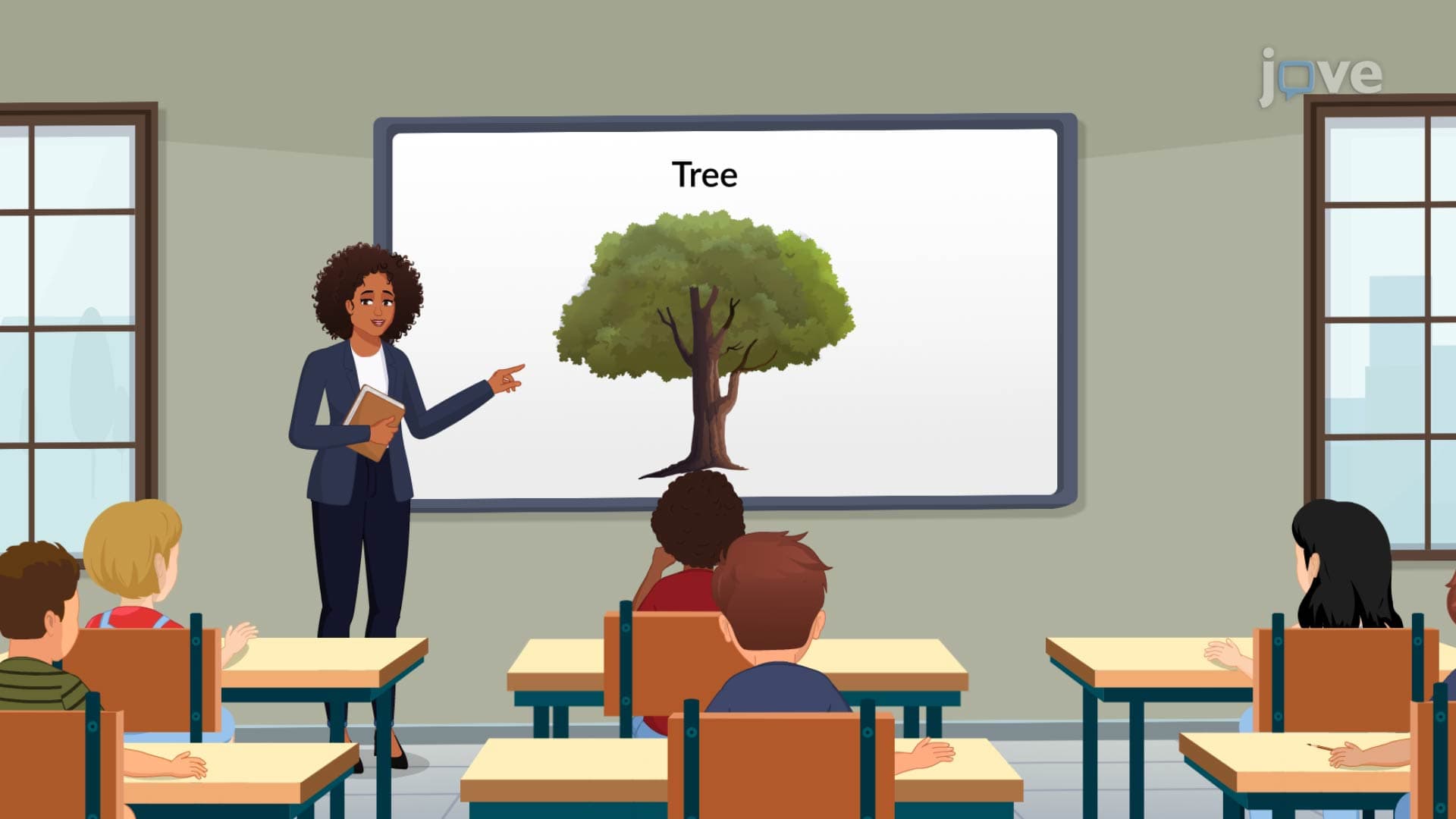
This ultra-short-term storage system proves essential for academic success. When a high school student reviews flashcards for an AP Psychology exam, sensory memory first captures the visual layout of each card before working memory processes the content. Similarly, during college lectures at institutions like UCLA or Harvard, sensory memory briefly holds the professor's spoken words, allowing students time to consciously attend to important information and transfer it to working memory for note-taking.
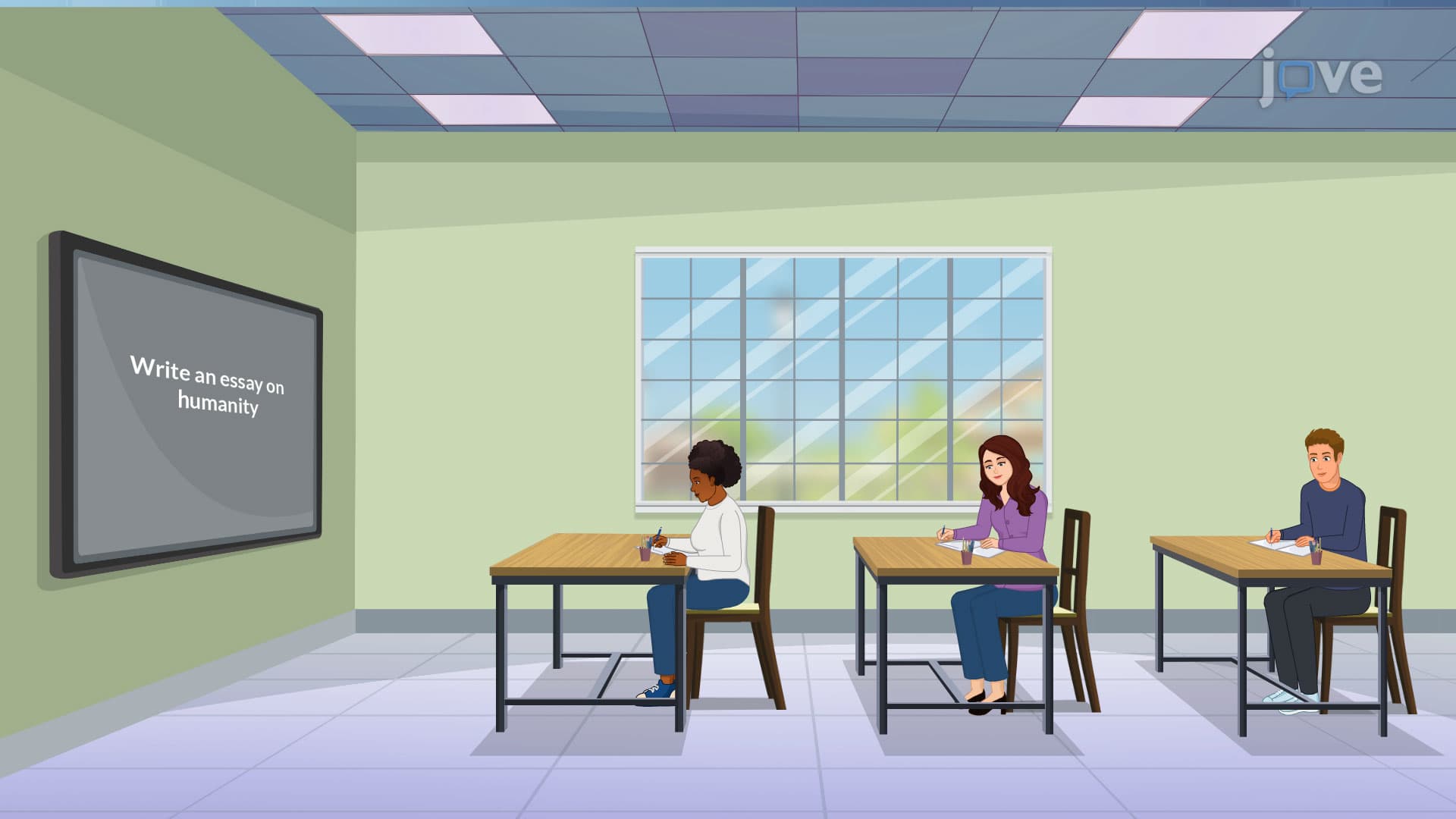
Iconic memory handles visual sensory information with remarkable precision but extremely limited duration-lasting only about 250 milliseconds (one-fourth of a second). Research by George Sperling at Bell Labs demonstrated that people can briefly retain entire visual scenes with photographic accuracy. For American students, this manifests during standardized tests like the SAT, where a quick glance at a complex reading passage allows momentary retention of paragraph structure, even after looking away.
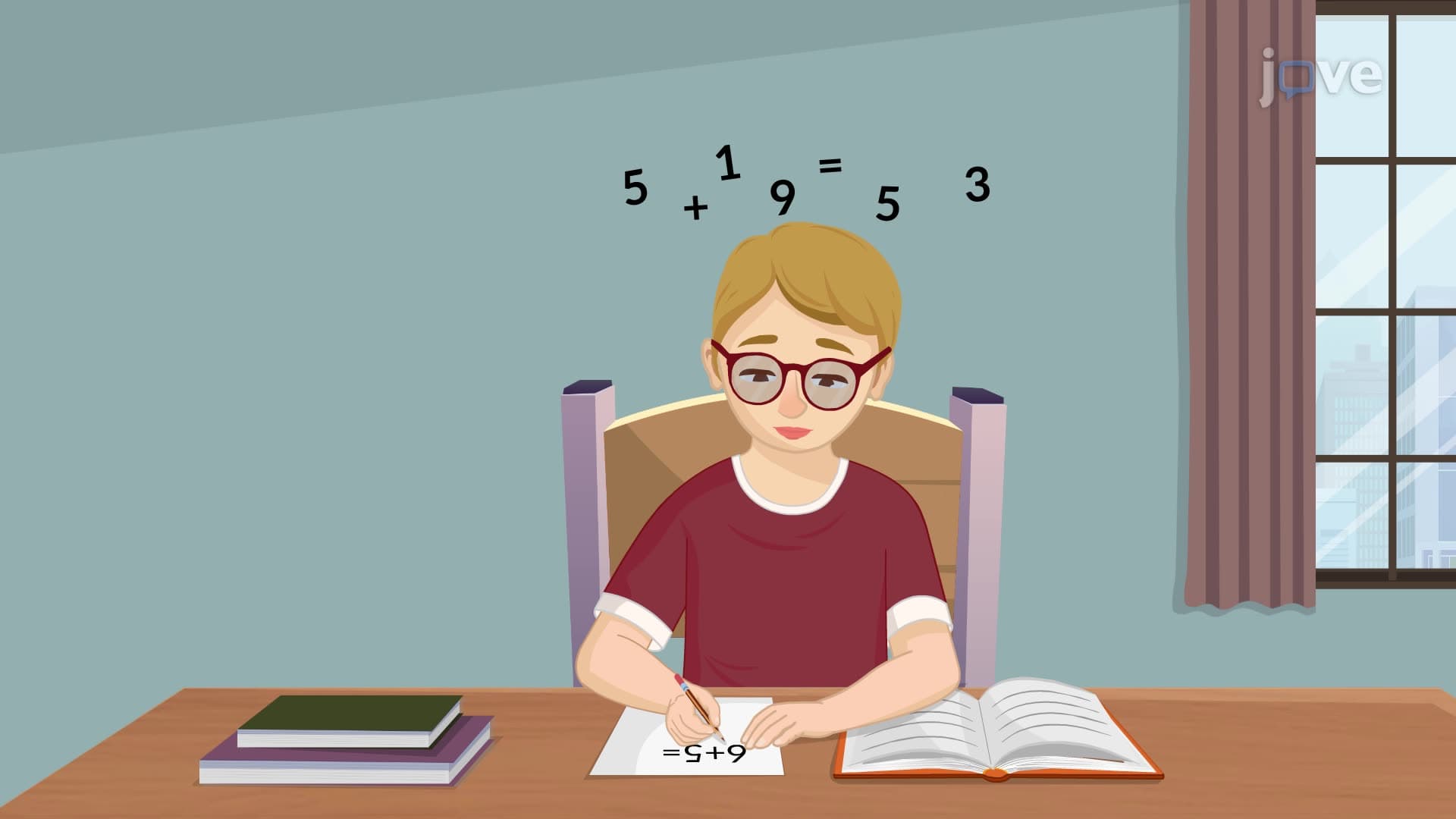
This visual storage system proves crucial for academic tasks requiring rapid information processing. When students scan multiple-choice options on the MCAT or analyze data charts in AP Statistics, iconic memory provides the initial visual impression that working memory then processes for deeper analysis.
Echoic memory stores auditory information for significantly longer periods-up to 3-4 seconds-compared to its visual counterpart. This extended duration allows students to process spoken information more effectively. During college lectures at institutions like Stanford or MIT, echoic memory enables students to continue writing notes even when they briefly stop listening, as the professor's words remain accessible in auditory storage.
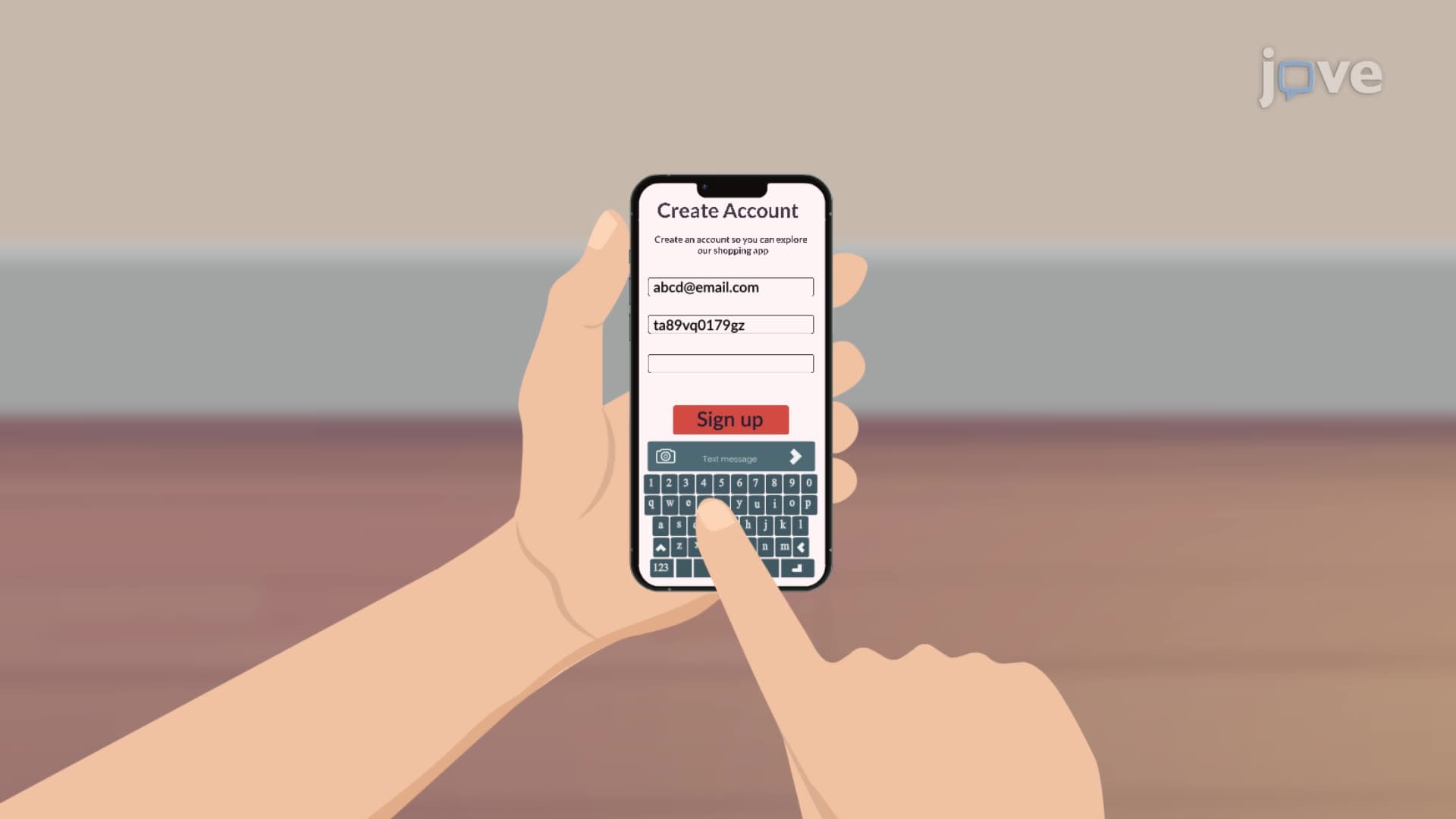
The practical applications extend to standardized test preparation. When TEAS or HESI A2 test-takers encounter audio-based questions, echoic memory provides the buffer needed to process and respond to spoken instructions or audio stimuli effectively.
Understanding sensory memory enhances academic performance across STEM and liberal arts disciplines. Pre-med students preparing for the MCAT benefit from recognizing how sensory memory influences patient interaction scenarios. Nursing students taking the NCLEX can apply sensory memory principles to understand how patients process medical information and instructions.
In psychology coursework, sensory memory serves as a foundational concept for understanding more complex cognitive processes, including attention, perception, and memory consolidation-topics frequently tested on AP Psychology exams and college midterms.
Related Micro-courses