Loading video…


 30 Concepts
 24.2K views

Video Summary: What Is Long Term Memory
Have you ever wondered why you can instantly recall your first day of high school but struggle to remember what you studied yesterday? Explicit memories form the foundation of our conscious recall system, allowing us to deliberately retrieve facts and personal experiences stored in long-term memory. Consider how American students preparing for the SAT can consciously recall historical dates or vocabulary definitions-this demonstrates explicit memory in action. Watch the full video on JoVE Coach to master this concept with expert-led visuals and step-by-step explanations.
Long-term memory represents our brain's remarkable capacity to store unlimited amounts of information for extended periods, ranging from hours to an entire lifetime. Unlike short-term memory's limited 15-30 second duration, long-term memory creates permanent neural pathways that allow information retrieval years or even decades later. For American students, this system proves essential for academic success, from remembering multiplication tables learned in elementary school to recalling complex historical events for AP History exams.
Explicit memories form the cornerstone of deliberate information retrieval, encompassing all memories we can consciously access and verbally describe. This memory system divides into two distinct but interconnected categories that work together to support academic learning and daily functioning.
Episodic memory captures personal experiences with rich contextual details including time, place, emotions, and sensory information. American high school students rely heavily on episodic memory when recalling specific classroom discussions, laboratory experiments, or field trips. For example, a student might vividly remember conducting their first chemistry experiment, including the lab partner's name, the specific reaction observed, and even the teacher's safety reminders. This detailed contextual encoding helps students connect abstract concepts to concrete experiences, enhancing comprehension and retention for standardized tests like the MCAT or AP exams.
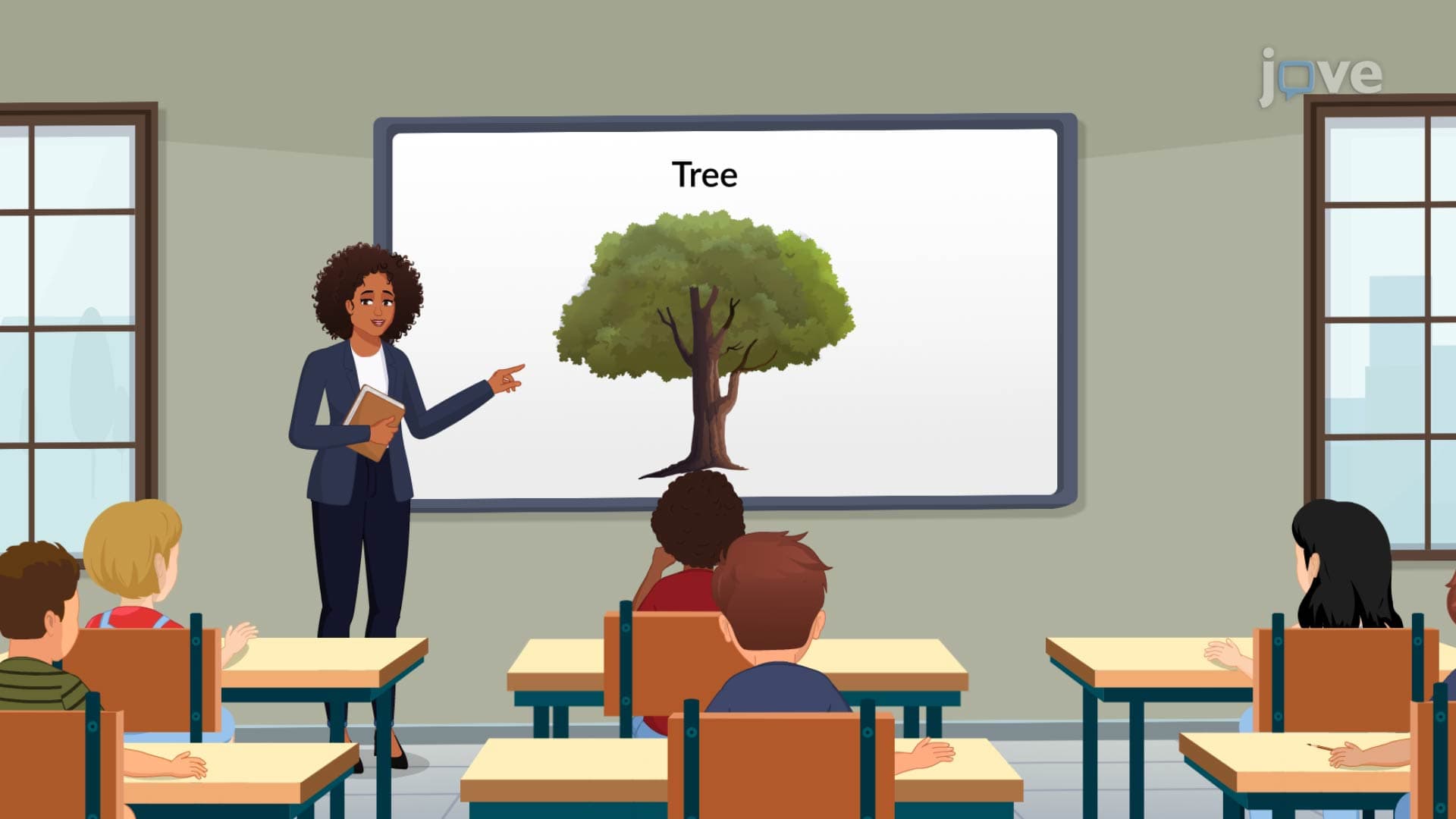
Semantic memory stores factual knowledge, concepts, and general information about the world without specific contextual details. This system enables students to recall that George Washington was the first U.S. President without necessarily remembering when or where they learned this fact. Semantic memory proves crucial for academic success, storing everything from mathematical formulas and scientific principles to vocabulary definitions and historical timelines that appear on SAT Subject Tests and college entrance examams.
Understanding what are explicit memories overview helps students optimize their learning strategies. Episodic memory strengthens through active engagement with material-participating in classroom discussions, conducting hands-on experiments, or creating personal connections to abstract concepts. Meanwhile, semantic memory benefits from spaced repetition, concept mapping, and deliberate practice with factual information. Students preparing for the AP Psychology exam, for instance, can leverage both systems by connecting personal experiences to psychological concepts while simultaneously building a robust knowledge base of theoretical principles and research findings.
Related Micro-courses