Loading video…


 30 Concepts
 24.2K views

Video Summary: What Is Forgetting
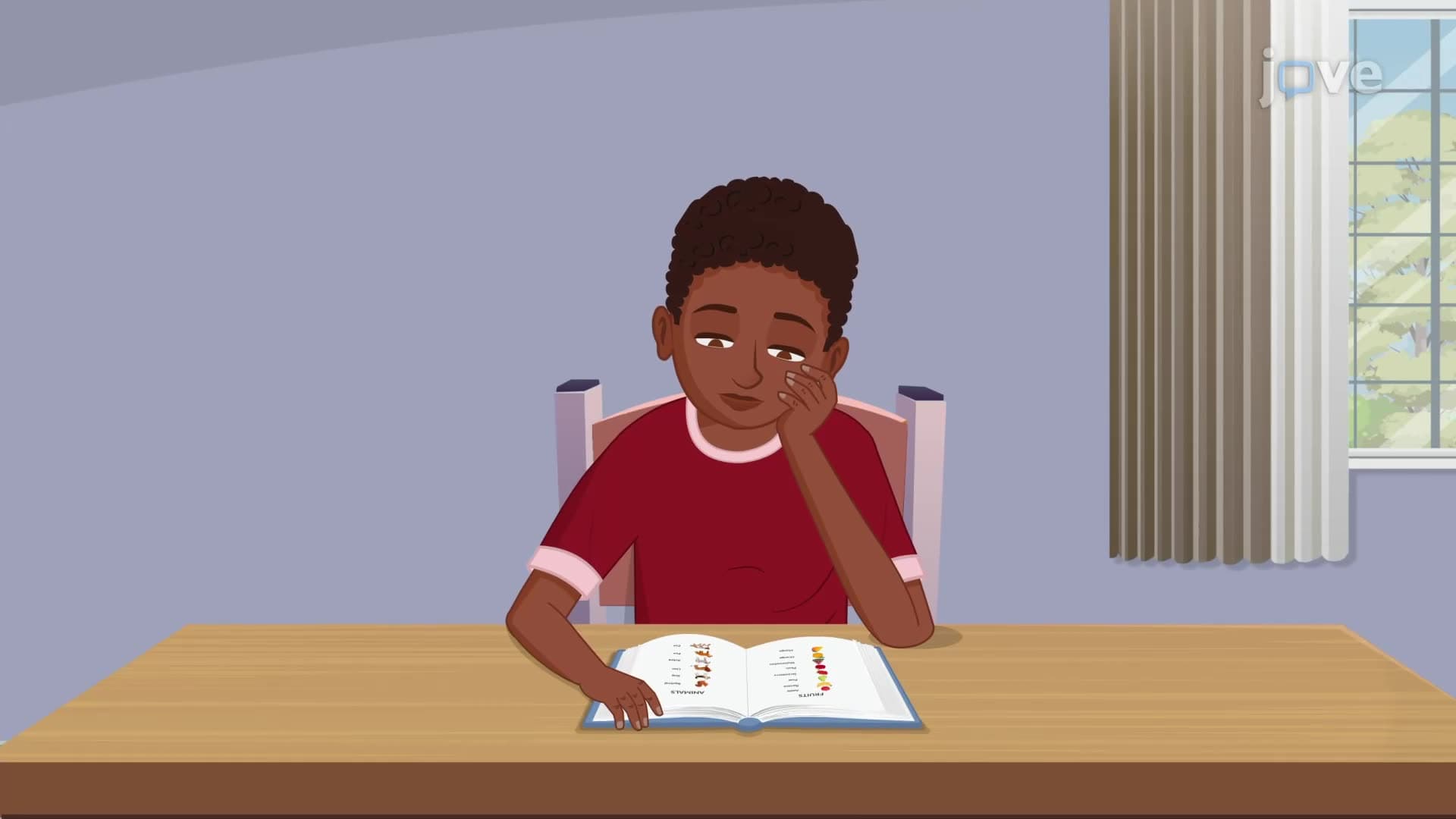
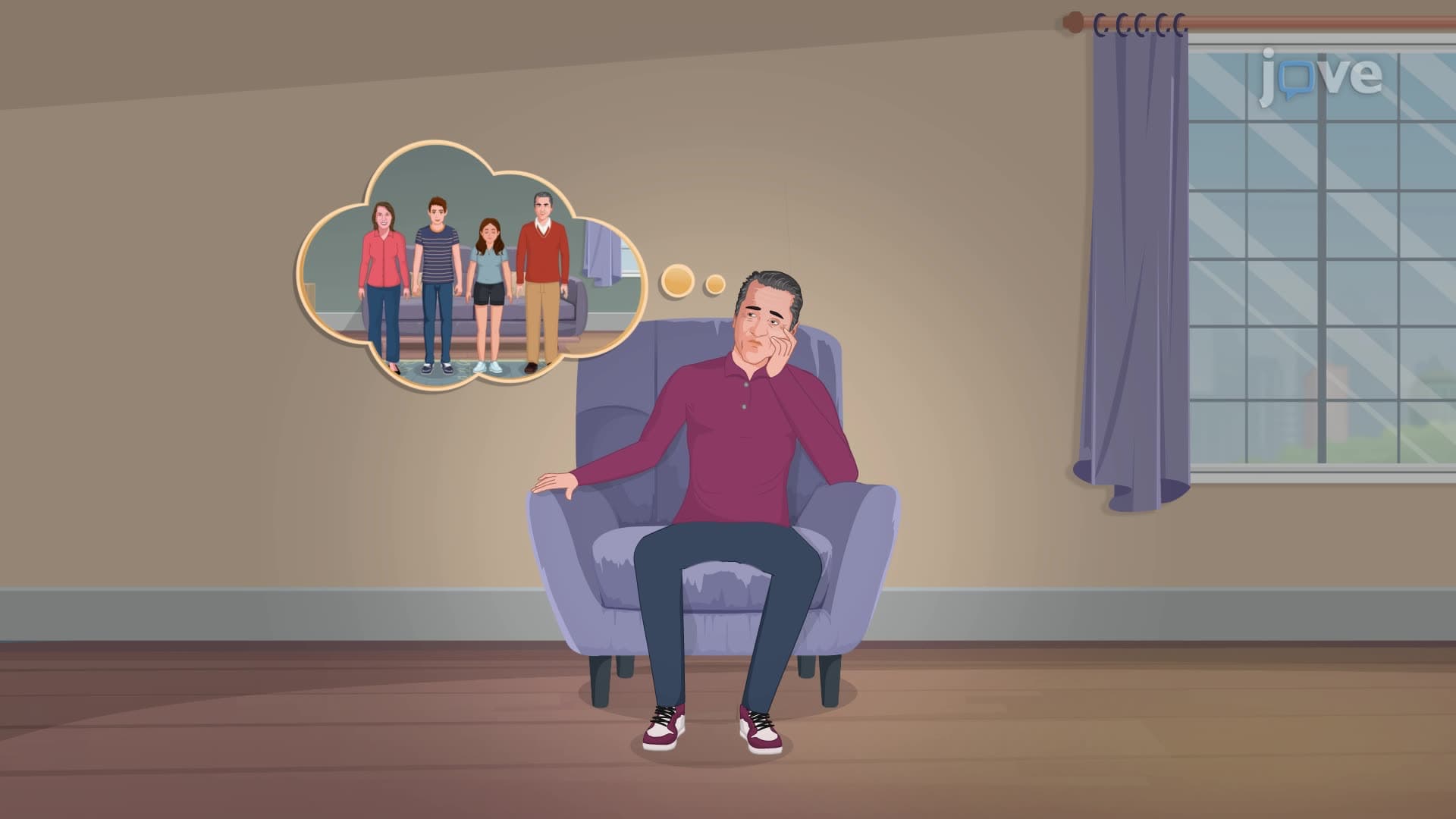
Ever wonder why you can perfectly recall your childhood phone number but completely blank on yesterday's lecture? Interference and decay are two fundamental mechanisms that explain how our brains naturally lose access to stored memories over time. Consider how many college students struggle to remember their high school Spanish vocabulary after years of studying other languages-this demonstrates both interference from competing information and natural memory decay. Understanding what is forgetting reveals why even well-learned information can become inaccessible without proper reinforcement. Watch the full video on JoVE Coach to master this concept with expert-led visuals and step-by-step explanations.
What is forgetting represents far more than simply "losing" memories-it's a complex neurological process involving multiple pathways through which previously accessible information becomes difficult or impossible to retrieve. Hermann Ebbinghaus's groundbreaking 1885 research established that interference and decay operate as primary mechanisms underlying memory loss, with his famous Forgetting Curve demonstrating that we lose approximately 50% of newly learned information within one hour without reinforcement.
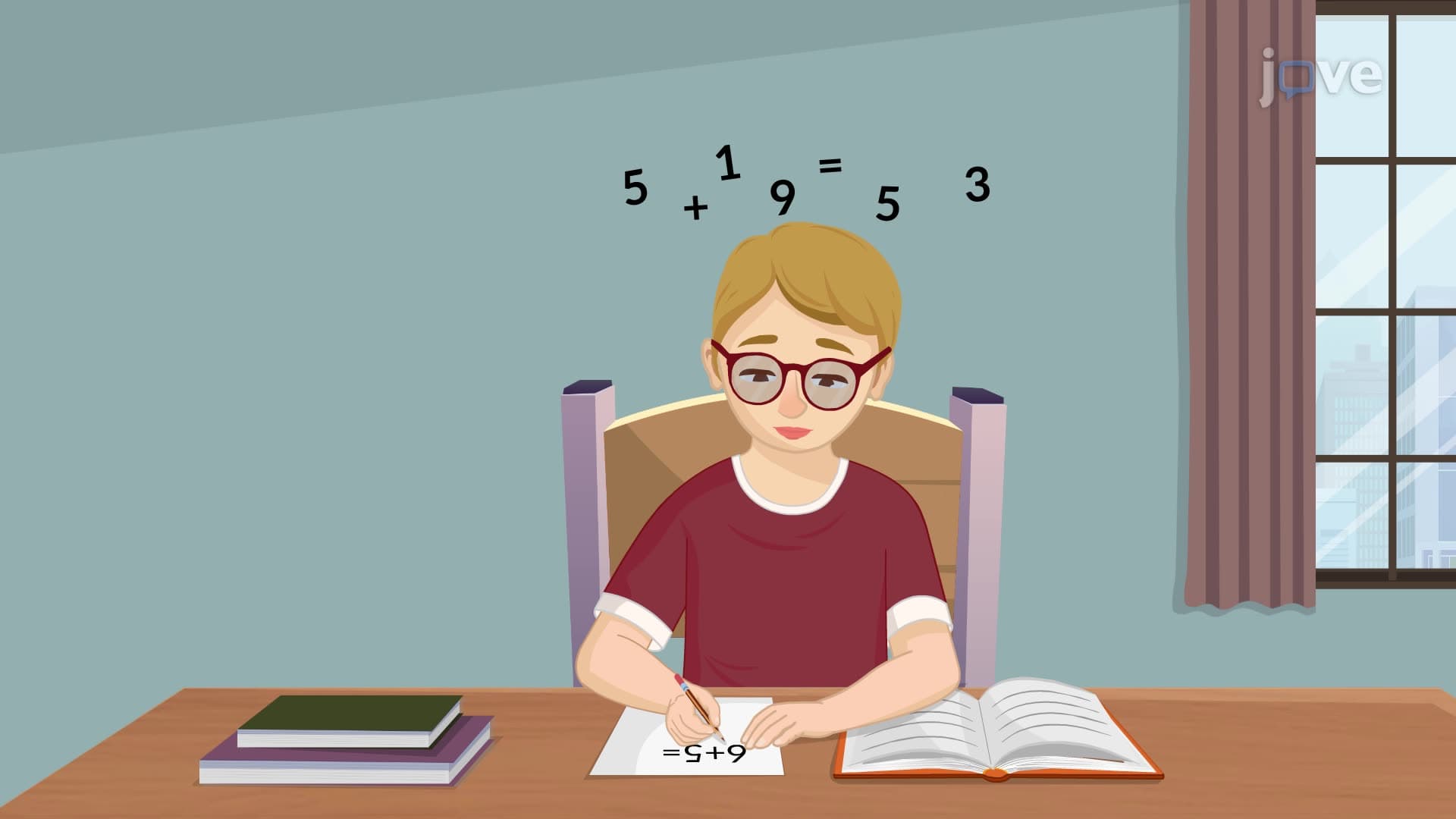
Interference and decay definition encompasses two distinct but often overlapping processes. Interference occurs when competing memories disrupt access to target information, similar to how learning multiple programming languages in computer science courses can cause confusion between syntax rules. Students preparing for AP Psychology exams frequently encounter this when distinguishing between similar theories-Freud's psychoanalytic concepts may interfere with recalling Jung's analytical psychology principles.
Decay theory suggests memories naturally deteriorate over time without use, much like muscle strength diminishes without exercise. Research from Stanford University indicates that unused neural pathways literally weaken, explaining why medical students must continuously review anatomy terminology to maintain MCAT readiness.
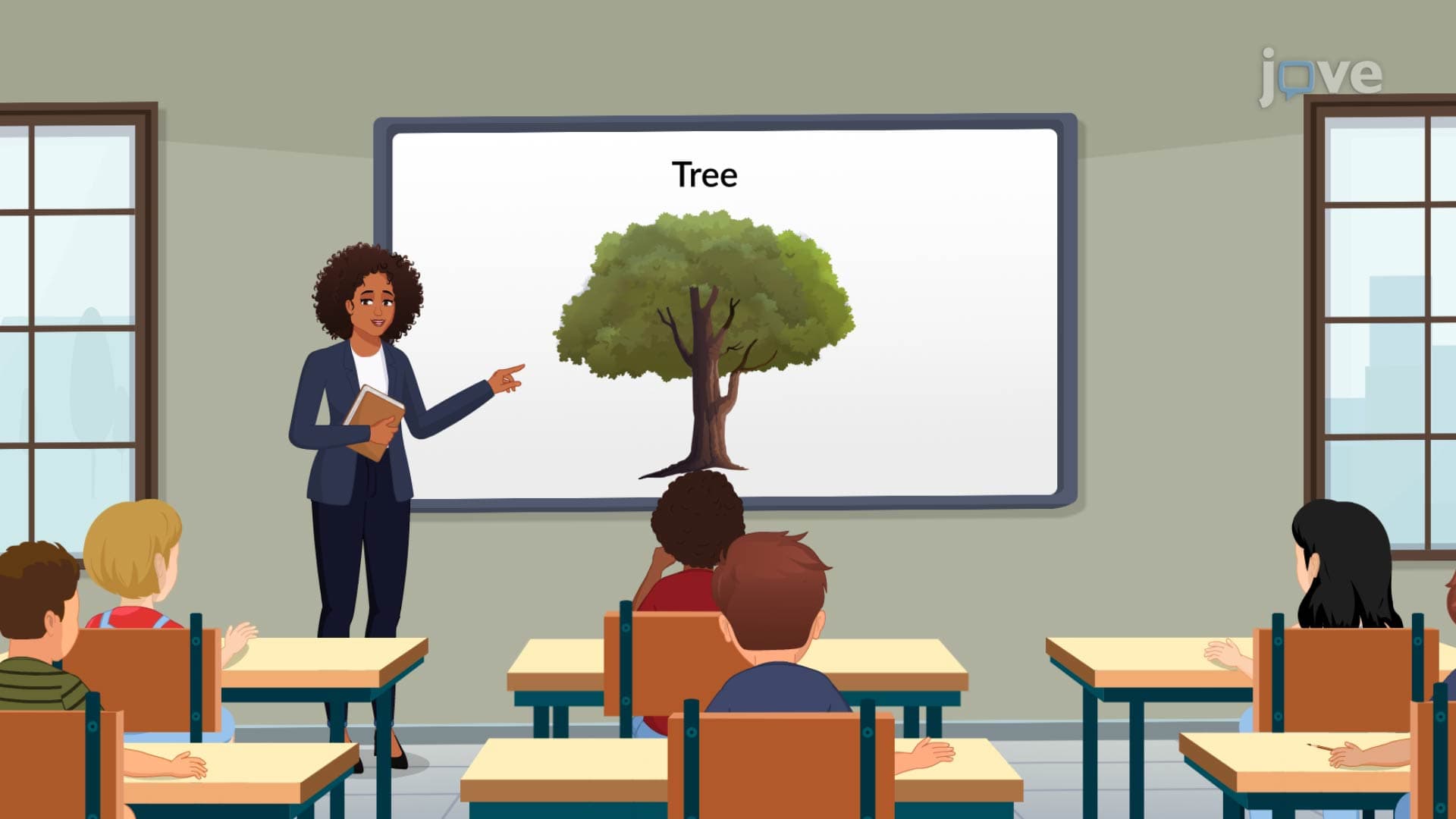
What is interference and decay in detail requires understanding three critical failure points. Encoding failure occurs when information never properly enters long-term memory-explaining why most Americans cannot accurately draw the Apple logo despite seeing it thousands of times. The visual details simply weren't encoded meaningfully.
Storage decay manifests when successfully encoded memories fade through disuse. Chemistry students often experience this with molecular formulas learned for exams but forgotten months later without practice. The information was initially stored but degraded over time.
Retrieval failure represents perhaps the most frustrating form of forgetting-the information exists in memory but cannot be accessed. The tip-of-the-tongue phenomenon exemplifies this, where you recognize a concept but cannot produce the specific term, common during high-pressure situations like SAT testing.
Understanding interference and decay overview proves essential for students developing effective study strategies. Spaced repetition techniques, widely used in medical school curricula, combat both interference and decay by strategically timing review sessions. Similarly, the Cornell Note-taking system helps prevent encoding failures by requiring active processing during information intake.
Clinical applications include understanding how traumatic brain injury affects memory consolidation and why Alzheimer's patients experience retrograde amnesia patterns. This knowledge informs therapeutic interventions and educational accommodations across healthcare settings.
Related Micro-courses