Loading video…


 30 Concepts
 24.2K views

Video Summary: What Is Retrieval
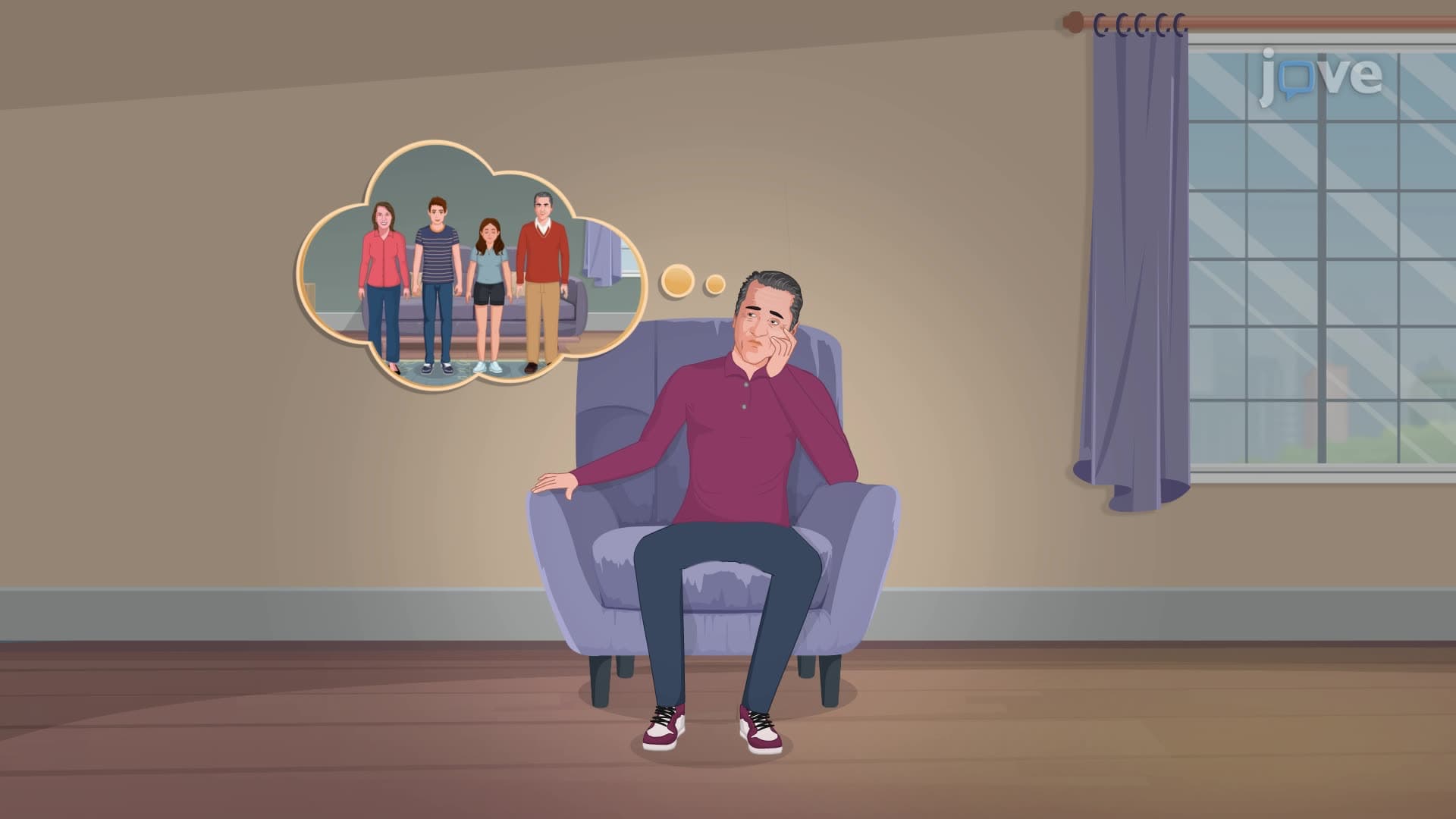
Ever wonder why you can instantly recall your childhood phone number but struggle to remember where you left your keys? Autobiographical memory, our ability to remember personal experiences and life events, relies heavily on retrieval processes that bring stored information back into conscious awareness. From remembering your first day at Stanford University to recalling what you ate for breakfast, retrieval operates through three distinct mechanisms: recall, recognition, and relearning. This fundamental cognitive process determines how effectively we access everything from procedural skills like driving to declarative knowledge needed for standardized tests. Watch the full video on JoVE Coach to master this concept with expert-led visuals and step-by-step explanations.
Retrieval represents one of the most critical phases in human memory processing, serving as the bridge between stored information and conscious awareness. Unlike simple storage, retrieval involves actively accessing and bringing forth information from long-term memory systems. This process underlies virtually every cognitive task, from answering questions on the MCAT to remembering biographical details that form our autobiographical memory. The efficiency of retrieval mechanisms directly impacts academic performance, with students who master these processes showing improved outcomes on standardized assessments including AP exams and college entrance tests.
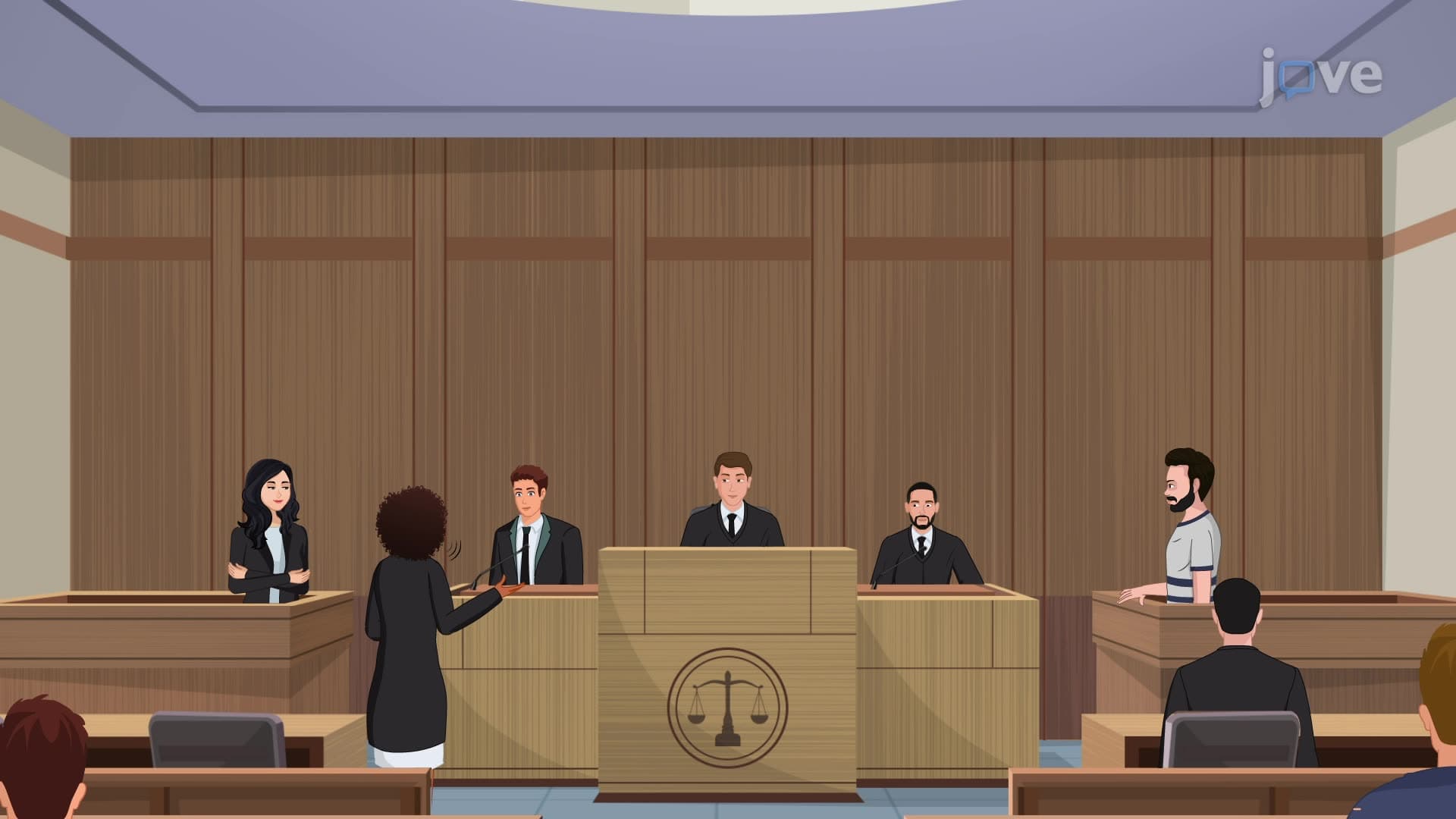
Recall: Independent Memory Access Recall requires generating information from memory without external assistance or cues. This demanding process activates extensive neural networks as the brain searches through stored knowledge. Essay questions on the AP Psychology exam exemplify recall challenges, where students must independently retrieve concepts about memory formation, cognitive processes, and psychological theories. Similarly, medical students preparing for the USMLE must recall vast amounts of anatomical and physiological information without prompting. Research conducted at universities like Harvard and MIT demonstrates that recall practice strengthens autobiographical memory consolidation and enhances long-term retention more effectively than passive review methods.
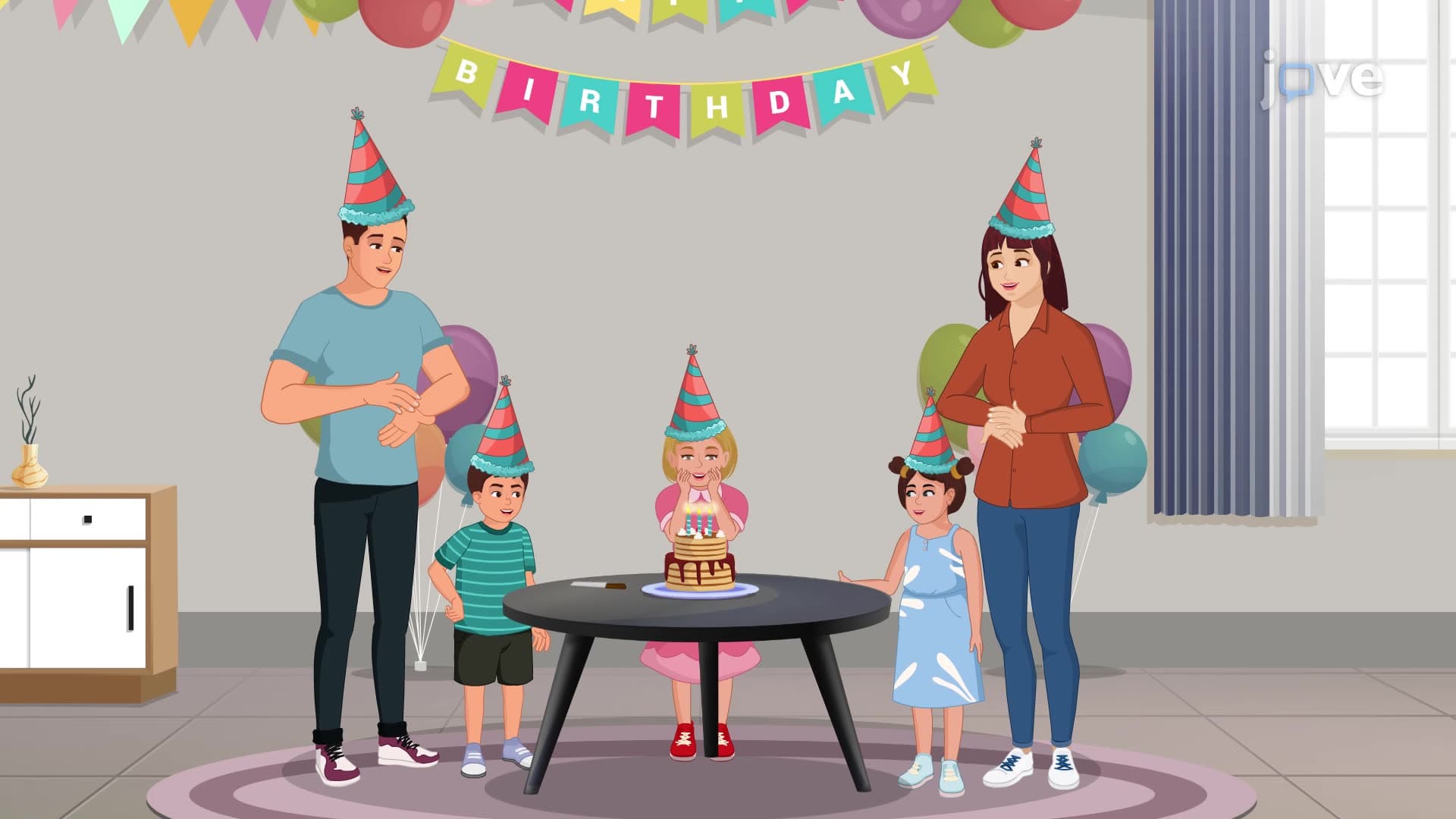
Recognition: Cue-Assisted Memory Retrieval Recognition occurs when previously learned information becomes accessible through external cues or contextual prompts. The SAT and most college multiple-choice exams rely heavily on recognition processes, where students identify correct answers from presented options. This retrieval method activates different neural pathways than recall, typically requiring less cognitive effort while still demonstrating knowledge mastery. Recognition plays a crucial role in autobiographical memory when familiar faces, locations, or situations trigger recollection of personal experiences and life events.
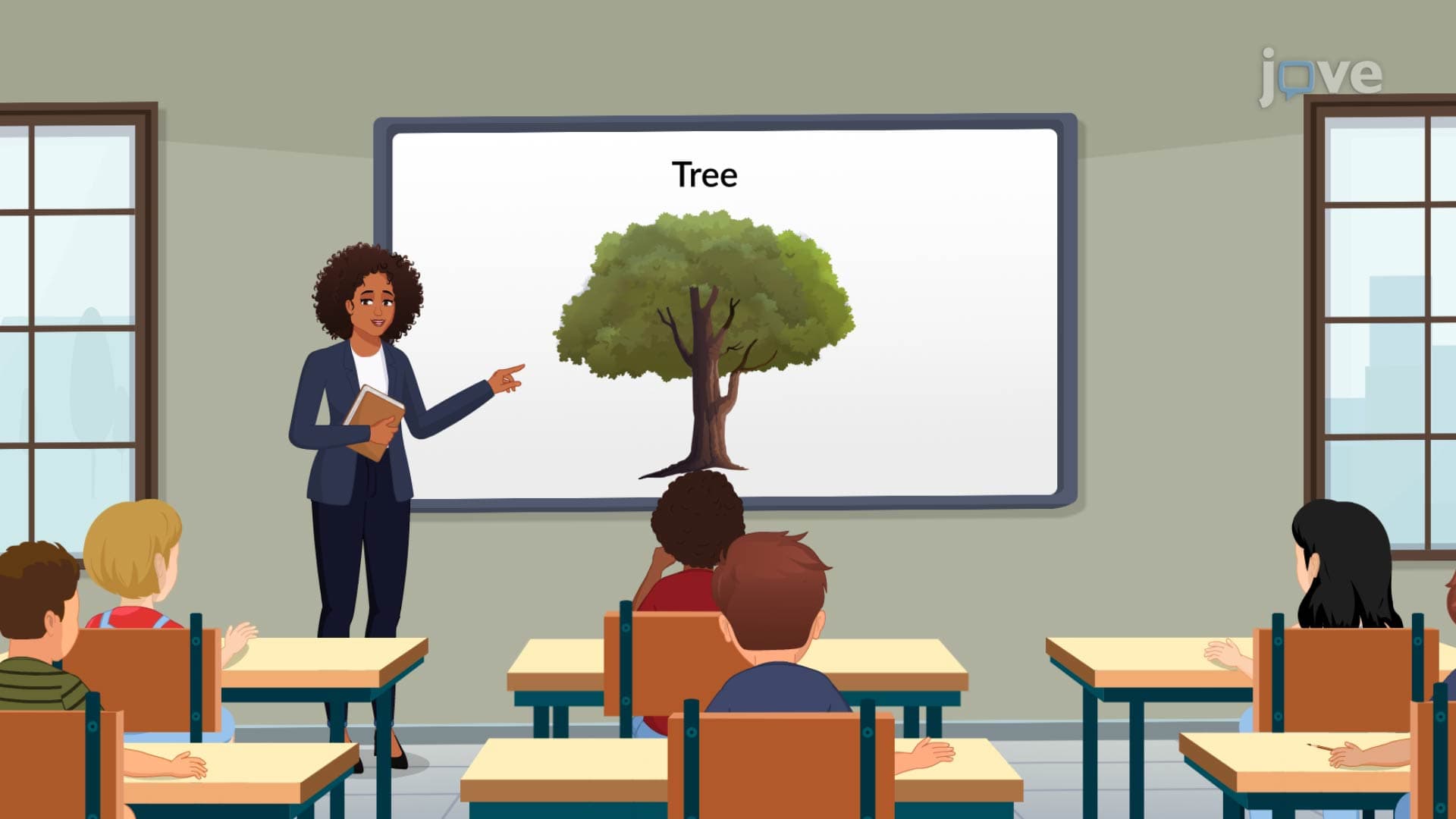
Relearning: Accelerated Knowledge Reacquisition Relearning demonstrates the persistence of memory traces even when information seems forgotten. Students returning to calculus after summer break often experience faster reacquisition compared to initial learning, illustrating how previous encoding facilitates subsequent retrieval. This phenomenon proves particularly relevant for nursing students preparing for the NCLEX or HESI A2, where foundational knowledge must be rapidly refreshed and integrated with new clinical concepts.
Healthcare professionals rely extensively on retrieval processes during patient care, from recognizing symptoms to recalling treatment protocols learned during medical school. The autobiographical memory definition encompasses these professional experiences, as clinicians develop expertise through accumulated case memories that inform future decision-making. Similarly, college students studying for comprehensive exams benefit from understanding how different retrieval types impact test performance and knowledge demonstration.
Related Micro-courses