Loading video…


 30 Concepts
 24.2K views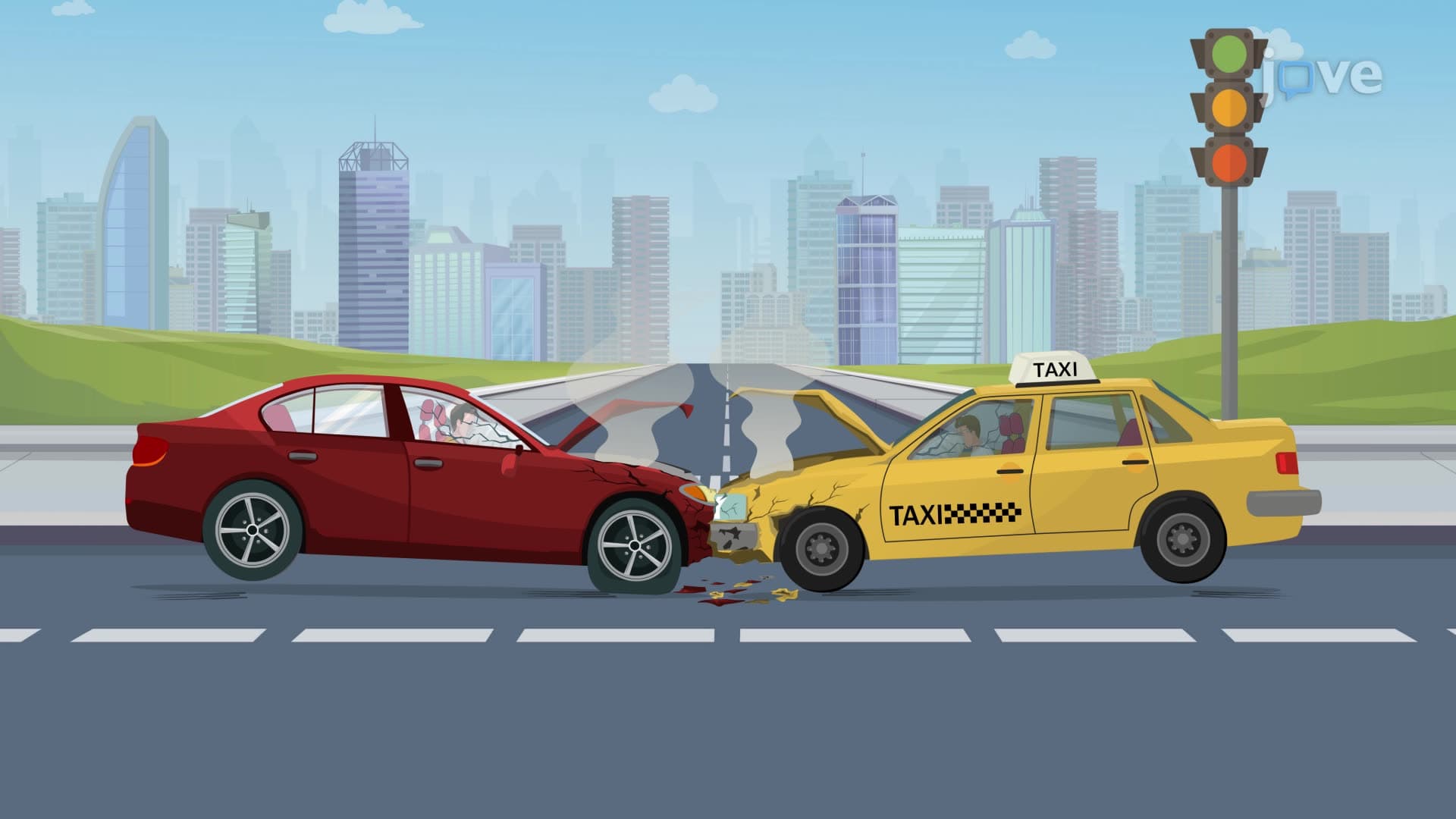

Video Summary: What Is Traumatic Memory
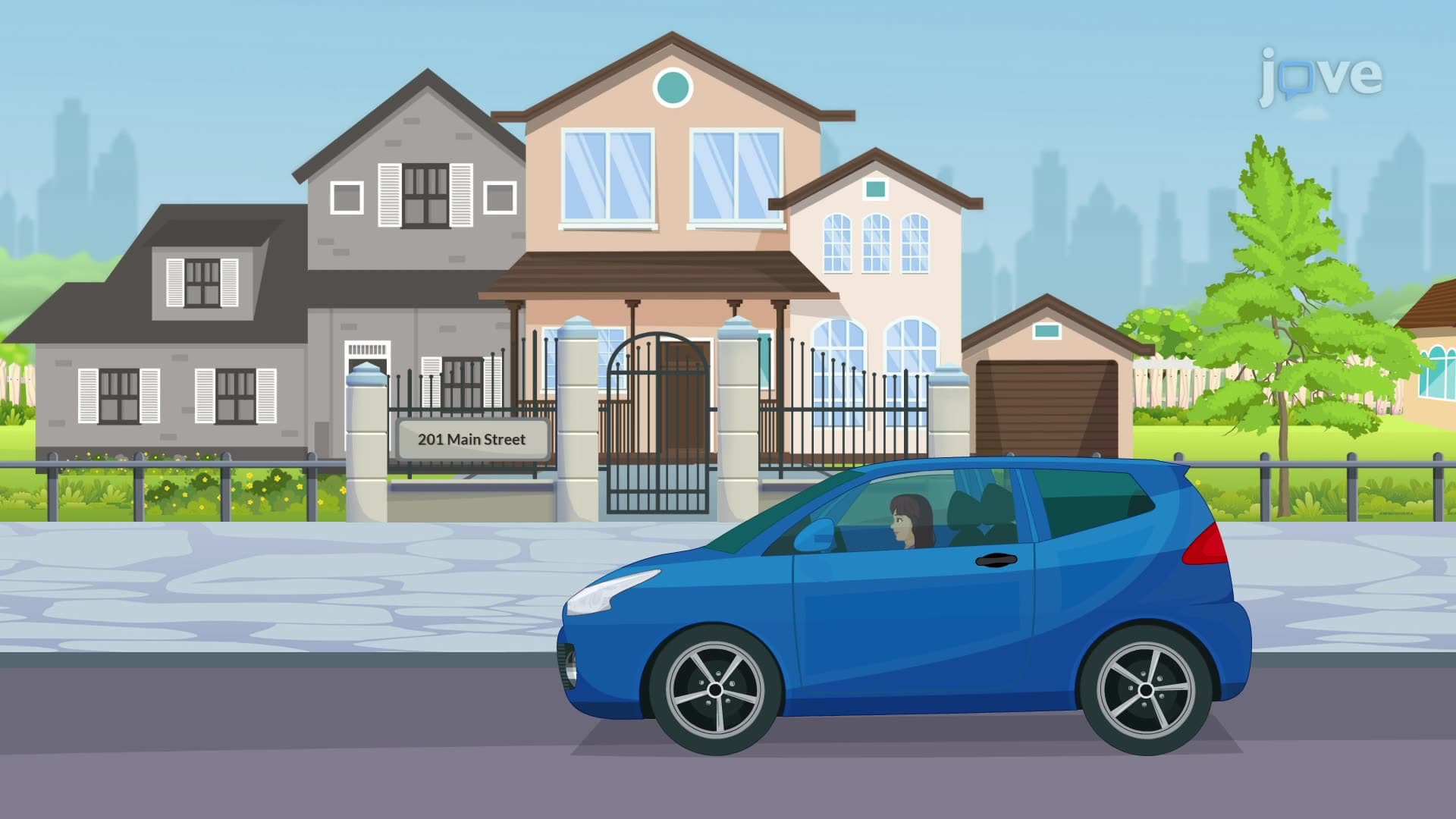
Can your brain's attempt to protect you from painful experiences sometimes backfire? Repressed memory occurs when the mind unconsciously blocks traumatic experiences from conscious awareness as a psychological defense mechanism. Unlike the vivid, intrusive traumatic memories experienced by many car accident survivors, repressed memories remain buried in the subconscious, potentially influencing behavior without the person's knowledge. Watch the full video on JoVE Coach to master this concept with expert-led visuals and step-by-step explanations.
While most traumatic experiences create vivid, persistent memories that can intrude into daily life, repressed memory represents the opposite psychological response. The repressed memory definition encompasses memories of traumatic events that become unconsciously blocked from conscious awareness, typically as a protective mechanism when experiences are too overwhelming for the psyche to process normally.
What is repressed memory in detail involves complex interactions between brain structures and stress response systems. Unlike the enhanced memory consolidation seen in typical trauma responses-where stress hormones like cortisol and adrenaline strengthen memory formation-repressed memories appear to involve disrupted communication between the hippocampus and prefrontal cortex. This disruption may prevent traumatic experiences from being properly encoded into explicit, retrievable memories while potentially maintaining implicit emotional and behavioral responses.
The amygdala's role becomes particularly complex in repression scenarios. While it typically enhances memory consolidation during trauma, severe overwhelm may trigger dissociative responses that fragment memory processing, leading to incomplete or blocked memory formation.
Understanding repressed memory is crucial for psychology students preparing for AP Psychology exams and college coursework in abnormal psychology. The concept appears frequently in clinical case studies involving childhood trauma, particularly in cases treated at major US medical centers like Johns Hopkins and Mayo Clinic. Therapeutic approaches such as Eye Movement Desensitization and Reprocessing (EMDR) and trauma-focused cognitive behavioral therapy acknowledge the possibility of repressed memories while emphasizing careful, evidence-based recovery methods.
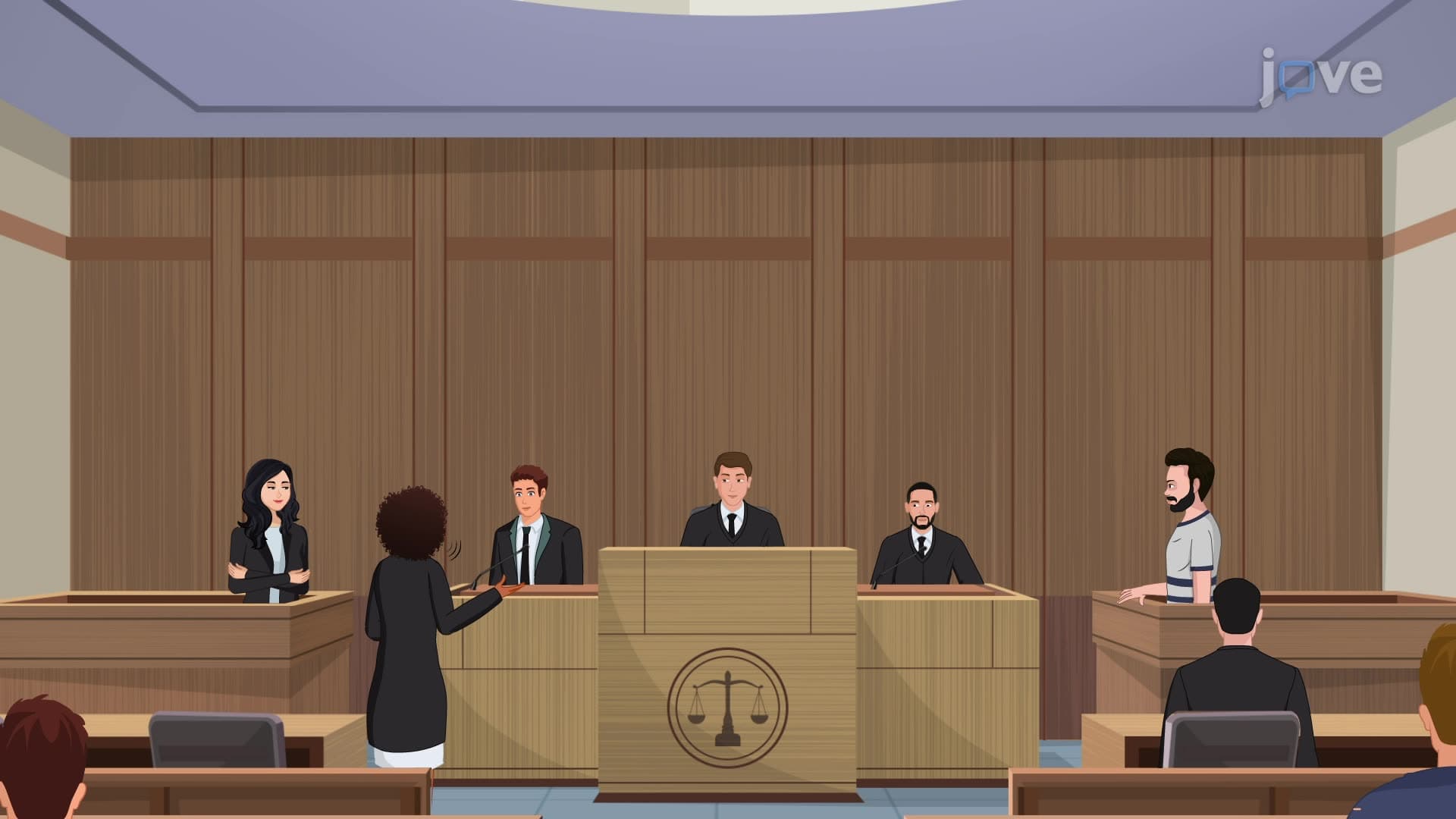
The repressed memory concept remains one of psychology's most debated topics, particularly relevant for pre-med students taking the MCAT. The 1980s and 1990s "memory wars" in American psychology highlighted the challenge of distinguishing genuine recovered memories from false memories potentially created through suggestive therapeutic techniques. This controversy significantly impacts how mental health professionals approach trauma therapy and has shaped ethical guidelines established by the American Psychological Association.
Related Micro-courses