Loading subject page…


24,241 views


Video Summary: What are Explicit Memories
Did you know that remembering your first day of high school involves a completely different memory system than knowing that Washington D.C. is the US capital? Implicit memories operate unconsciously, contrasting sharply with the conscious recall we call explicit memories. While explicit memories require deliberate effort to access-like recalling details from your SAT test day-implicit memories work automatically in the background. What are Explicit Memories demonstrates how our brain stores and retrieves conscious recollections through two distinct pathways. Watch the full video on JoVE Coach to master this concept with expert-led visuals and step-by-step explanations.
Explicit memories represent our brain's conscious filing system-the mental library we deliberately access when recalling information. Unlike automatic processes that happen without awareness, explicit memories require intentional effort and conscious attention to retrieve. This memory system becomes particularly crucial during high-stakes situations like the MCAT, AP Psychology exams, or college finals, where students must deliberately access stored information under pressure.
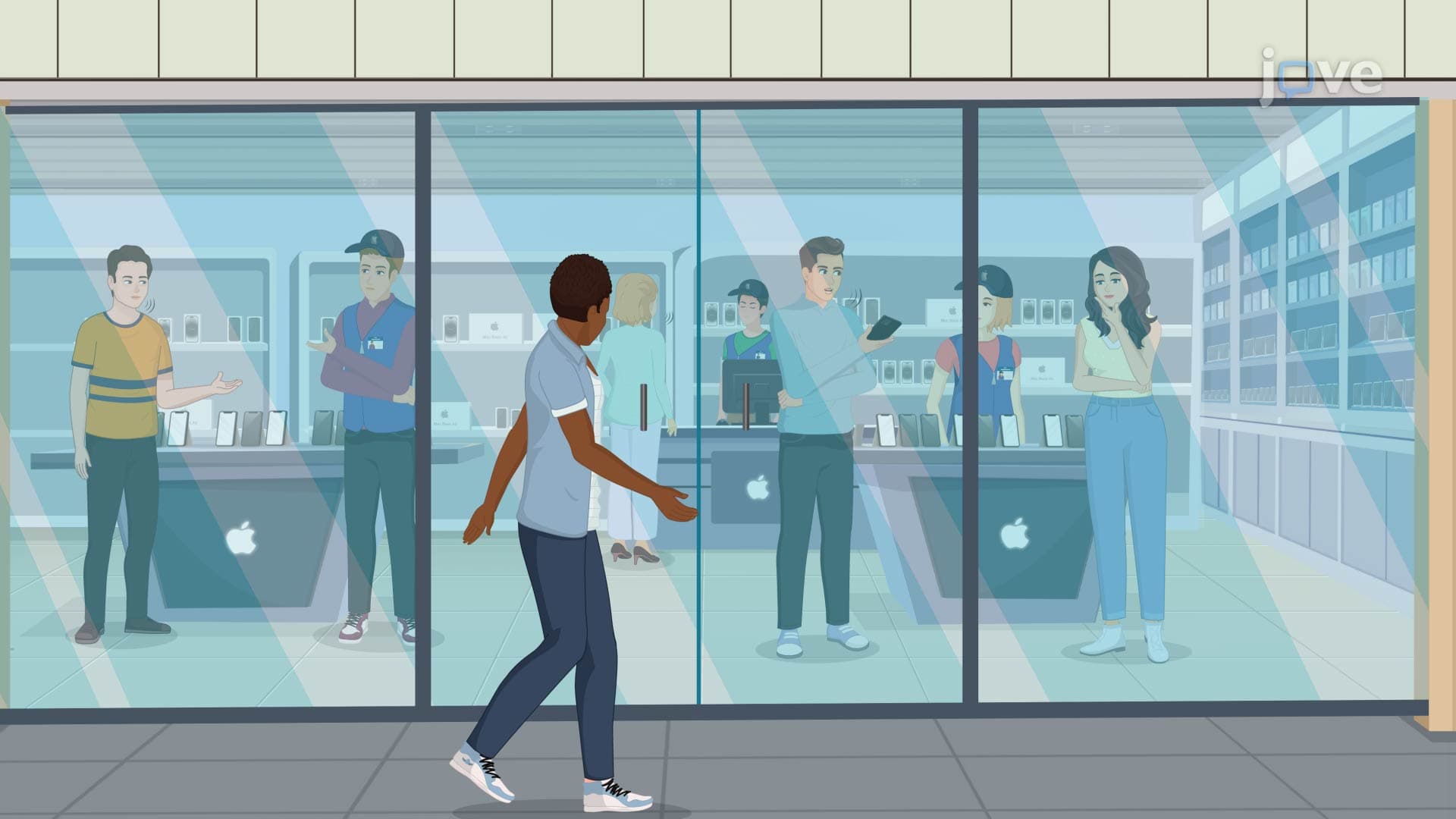
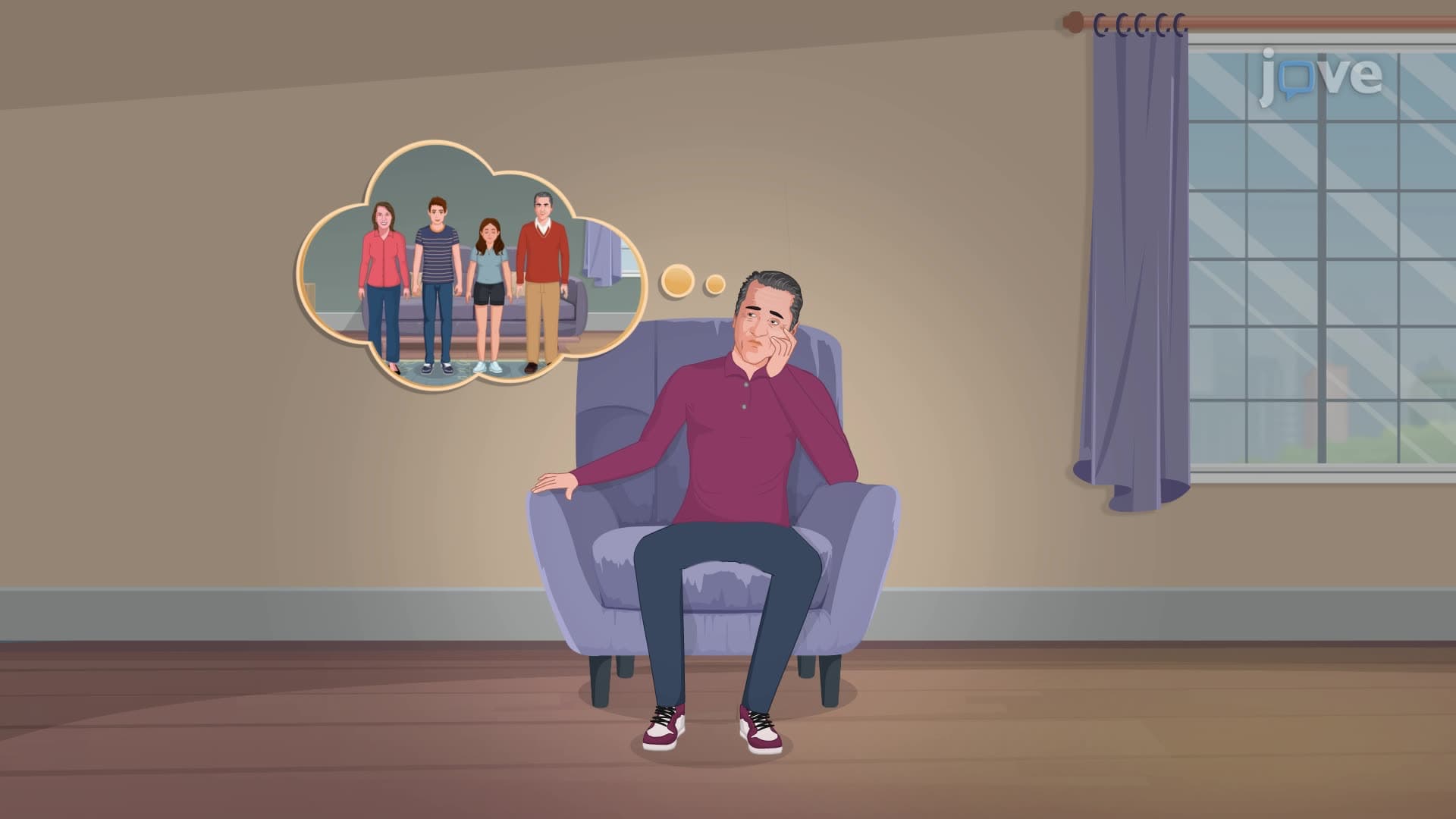
Episodic memory functions as your autobiographical database, storing personally experienced events with rich contextual details. When you remember walking across the stage at graduation, feeling nervous before your driver's license test, or celebrating acceptance to your dream college, you're accessing episodic memories. These memories include the "what, where, and when" framework-the specific event, location, and temporal context that make each experience unique.
Research shows episodic memories often carry emotional weight, which explains why traumatic events like 9/11 or positive milestones like winning a state championship remain vivid decades later. For students preparing for psychology courses or the AP Psychology exam, understanding that episodic memories are reconstructive rather than perfectly accurate helps explain phenomena like false memories and eyewitness testimony reliability.
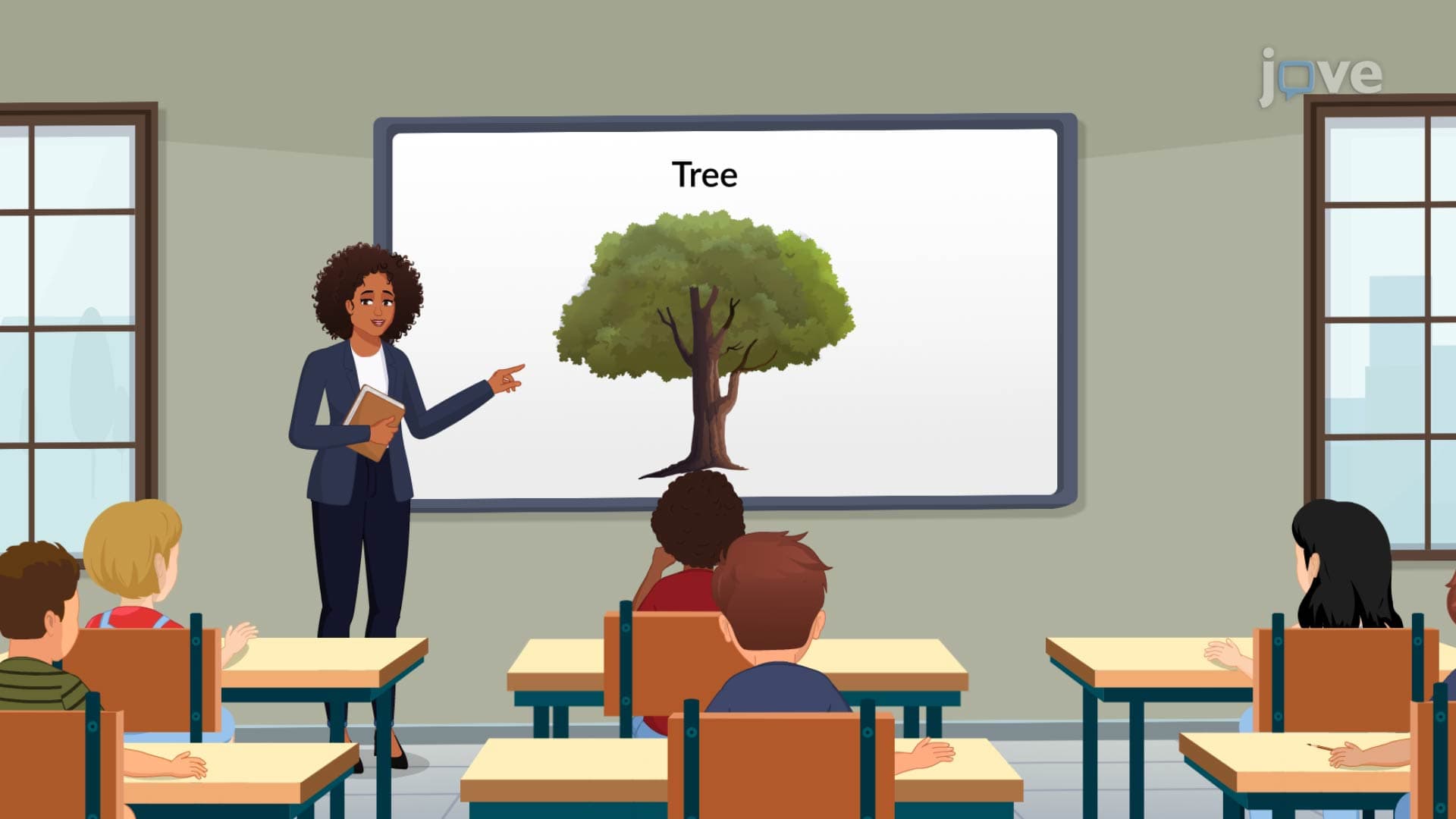
Semantic memory houses factual information stripped of personal context-the accumulated knowledge that forms your intellectual foundation. This system stores everything from knowing that Abraham Lincoln was the 16th president to understanding that DNA contains genetic information. Unlike episodic memories tied to specific experiences, semantic memories represent general knowledge acquired through education, reading, and cultural exposure.
Students rely heavily on semantic memory during standardized tests like the SAT or ACT, where quick access to factual information determines performance. Medical students preparing for the USMLE Step 1 depend on robust semantic memory networks to recall anatomical structures, drug mechanisms, and disease processes without needing to remember where or when they learned each fact.
Understanding explicit memory systems has practical implications for learning strategies and clinical assessment. Students can optimize study techniques by recognizing that semantic information requires different encoding strategies than episodic experiences. Creating meaningful connections between new facts and existing knowledge strengthens semantic memory networks, while visualization and storytelling techniques enhance episodic encoding for personal experiences and case studies.
Related Micro-courses