Loading video…


 30 Concepts
 24.2K views

Video Summary: What Is Interference and Decay
Ever wonder why you can't remember your old phone number after getting a new one? The tip tongue phenomenon perfectly illustrates how our memory systems can fail us through competing information processes. What is Interference And Decay explores two fundamental mechanisms behind forgetting: interference, where memories compete and disrupt each other, and decay, where unused memories naturally fade over time. A classic example occurs when students studying for multiple AP exams find that biology terms interfere with chemistry vocabulary recall. Watch the full video on JoVE Coach to master this concept with expert-led visuals and step-by-step explanations.
What is Interference And Decay represents two competing theories explaining why we forget information over time. These mechanisms operate differently but often work together to create the memory failures we experience daily. The tip tongue phenomenon serves as a perfect example of how these processes manifest in real-world situations, particularly when we know we know something but cannot quite retrieve it.
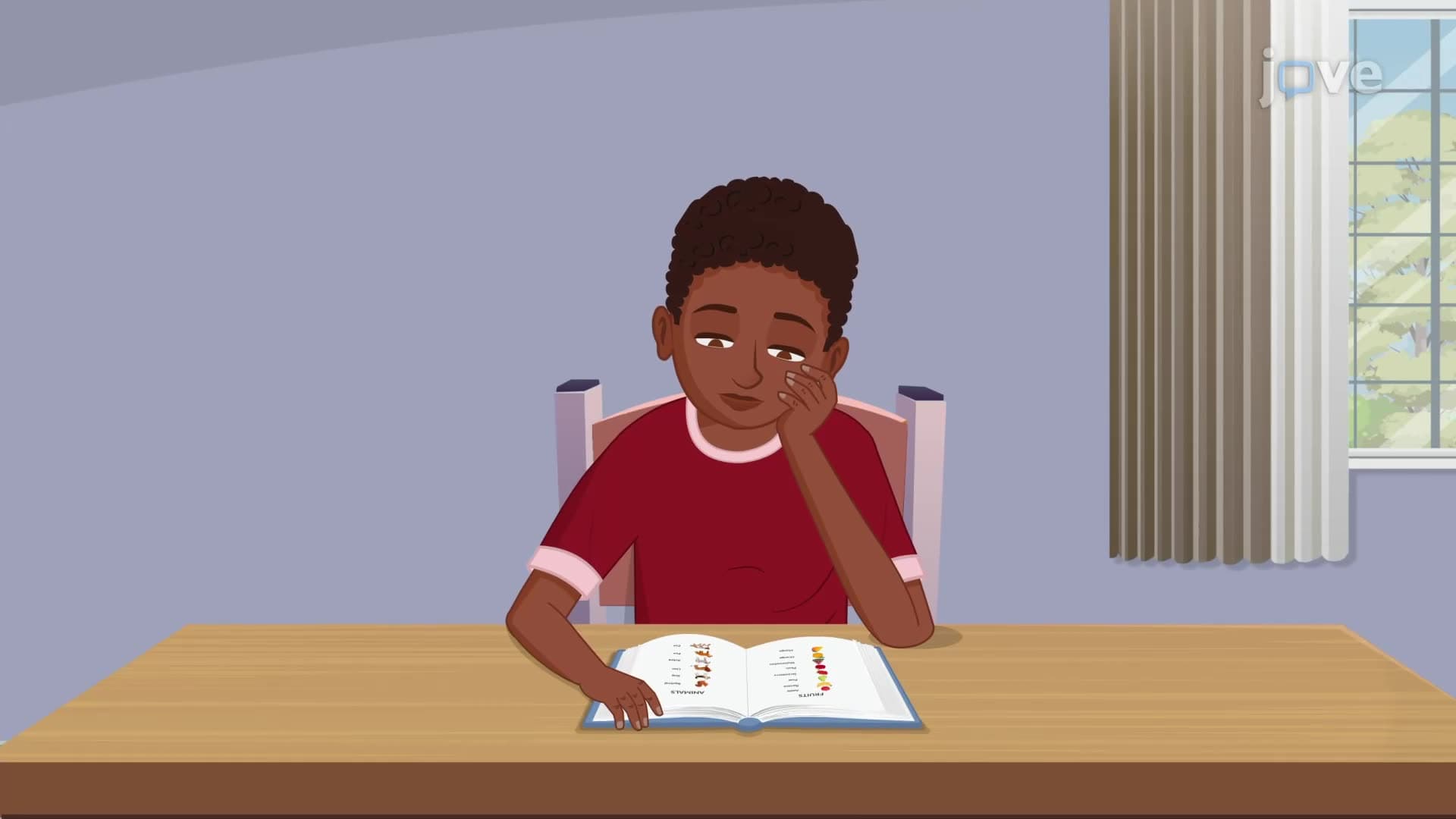
Interference occurs when multiple memories compete for retrieval, creating confusion and recall failures. Proactive interference happens when previously learned information blocks new learning. High school students often experience this when switching from Spanish to French classes-existing Spanish vocabulary interferes with learning new French words. The tip tongue phenomenon overview frequently includes proactive interference examples, as familiar patterns block access to newer information.
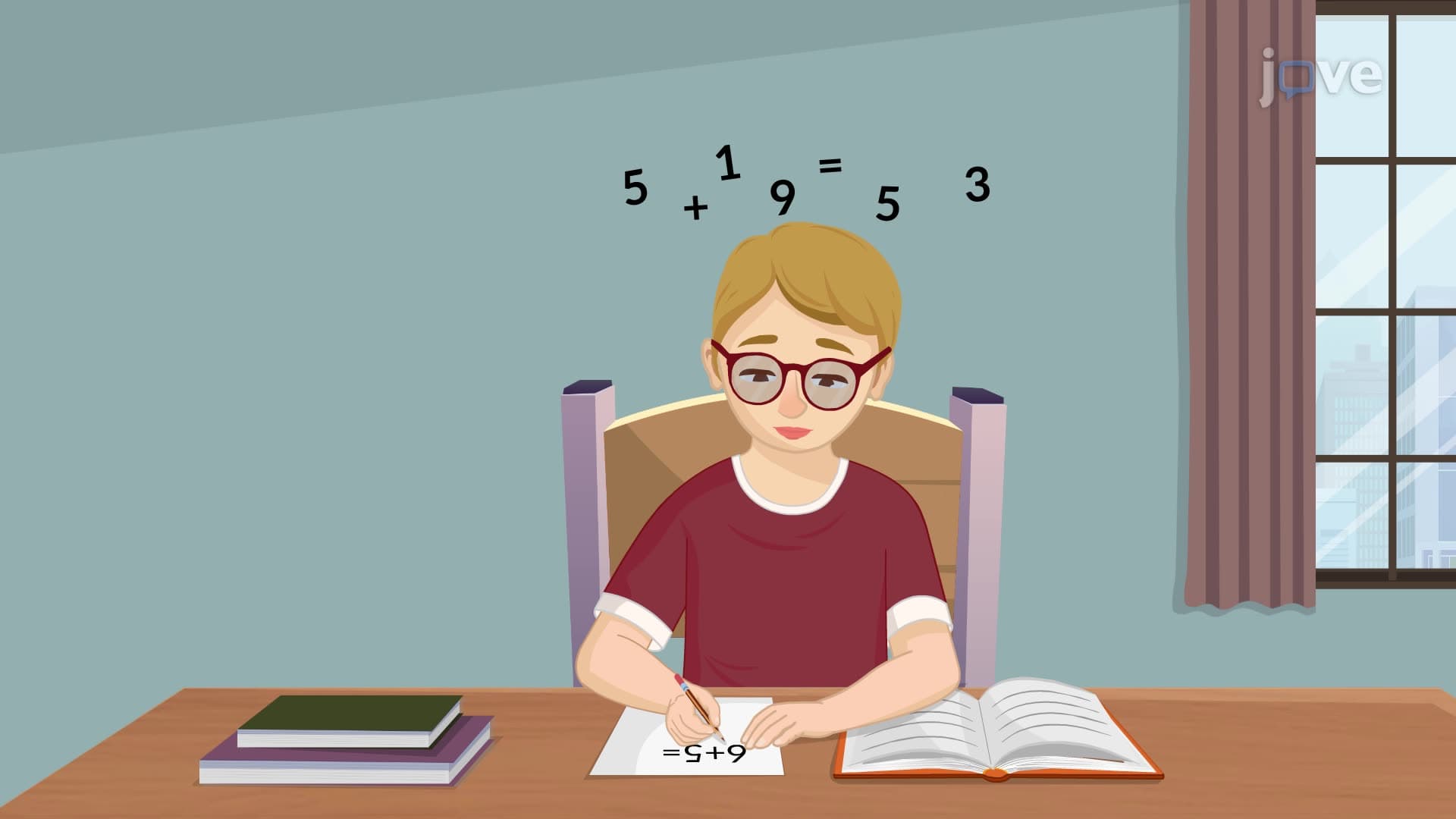
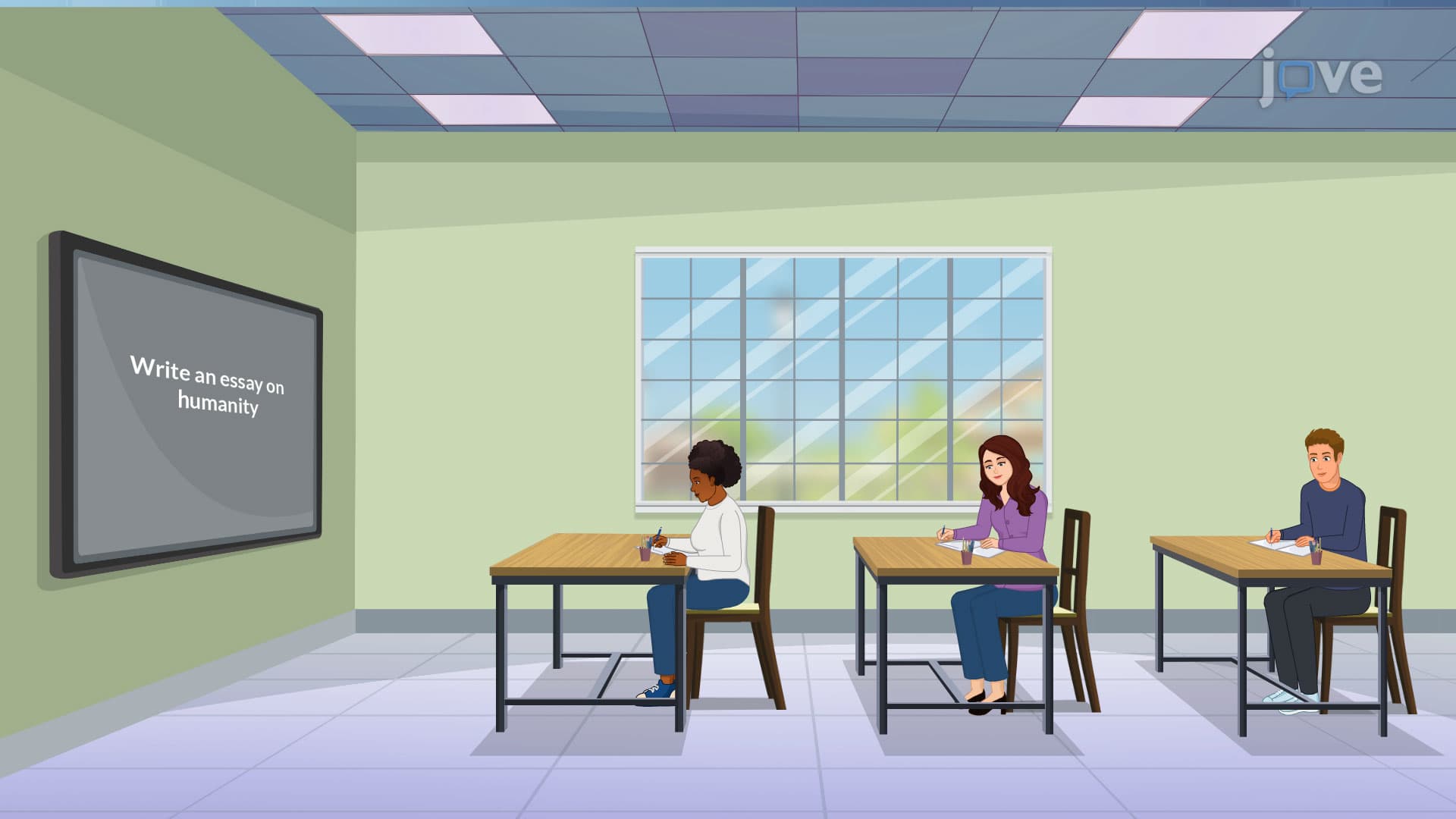
Retroactive interference works oppositely, with new information disrupting older memories. College students cramming for multiple midterms often find that material studied later interferes with earlier learning. This explains why the tip tongue phenomenon basics emphasize the importance of understanding how new experiences can overwrite or block access to established memories.
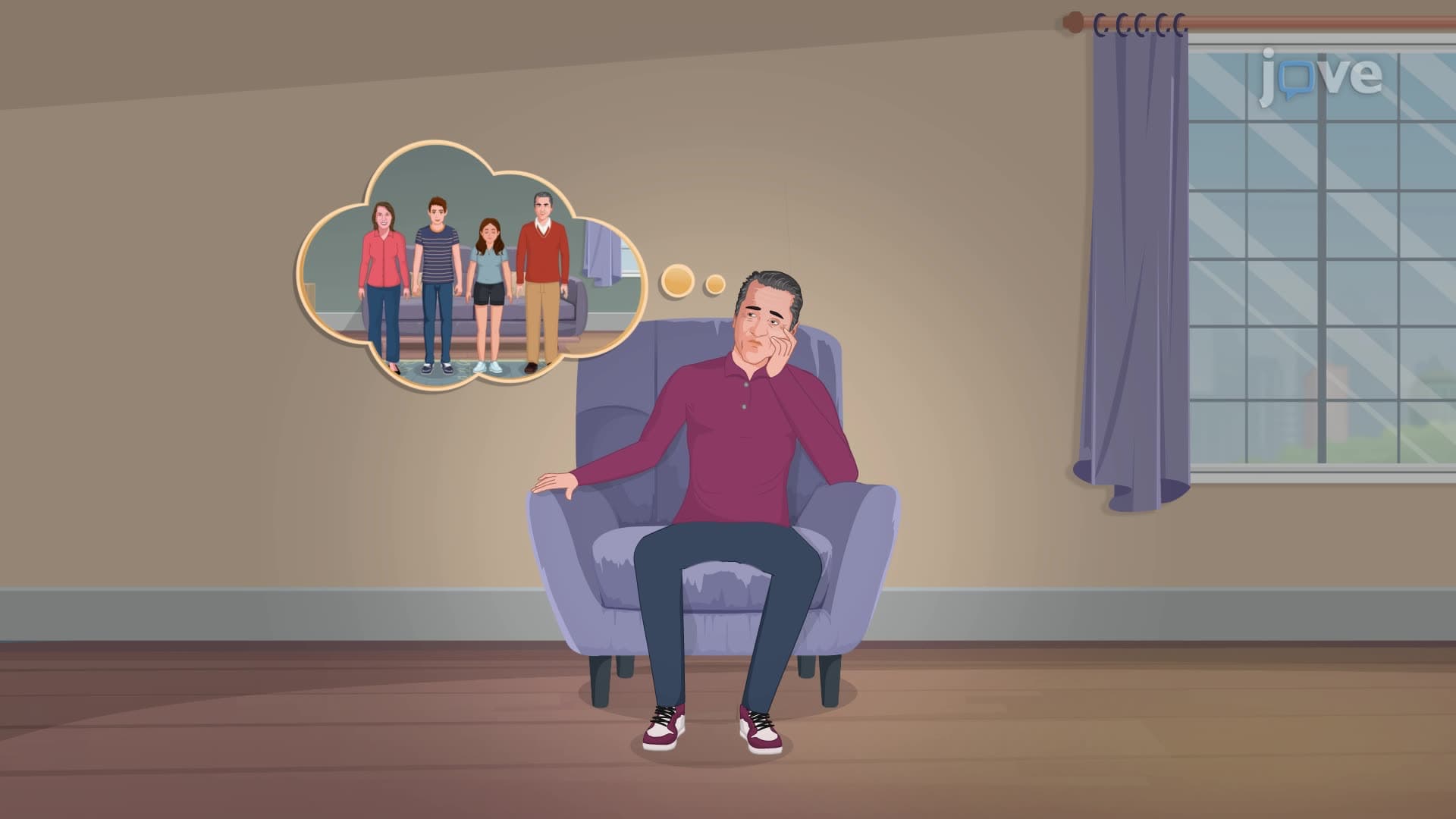
Decay theory proposes that memories naturally deteriorate without regular use or rehearsal. Unlike interference, decay doesn't require competing information-memories simply fade through disuse. Students preparing for the MCAT often rediscover this when reviewing undergraduate biology concepts they haven't accessed in months. The information isn't gone permanently but requires more effort to retrieve.
Understanding what is tip tongue phenomenon in detail helps students develop effective study strategies. The tip tongue phenomenon concept demonstrates how both interference and decay contribute to exam anxiety and retrieval failures. Students can combat these effects through spaced repetition, interleaving practice, and strategic review schedules.
For AP Psychology students, these concepts appear frequently on exams, particularly in memory and cognition sections. The tip tongue phenomenon study guide materials often emphasize how interference explains why cramming proves less effective than distributed practice. College psychology courses build on these foundations, exploring neural mechanisms underlying both interference and decay processes.
Understanding tip tongue phenomenon requires recognizing that memory failures result from complex interactions between these competing theories, not simple explanations involving single causes.
Related Micro-courses