Loading subject page…


10 Concepts
26 Concepts
18 Concepts
21 Concepts
25 Concepts
25 Concepts
30 Concepts
20 Concepts
25 Concepts
30 Concepts
20 Concepts
35 Concepts
20 Concepts
 18 Concepts
 14.5K Views
 Popular topics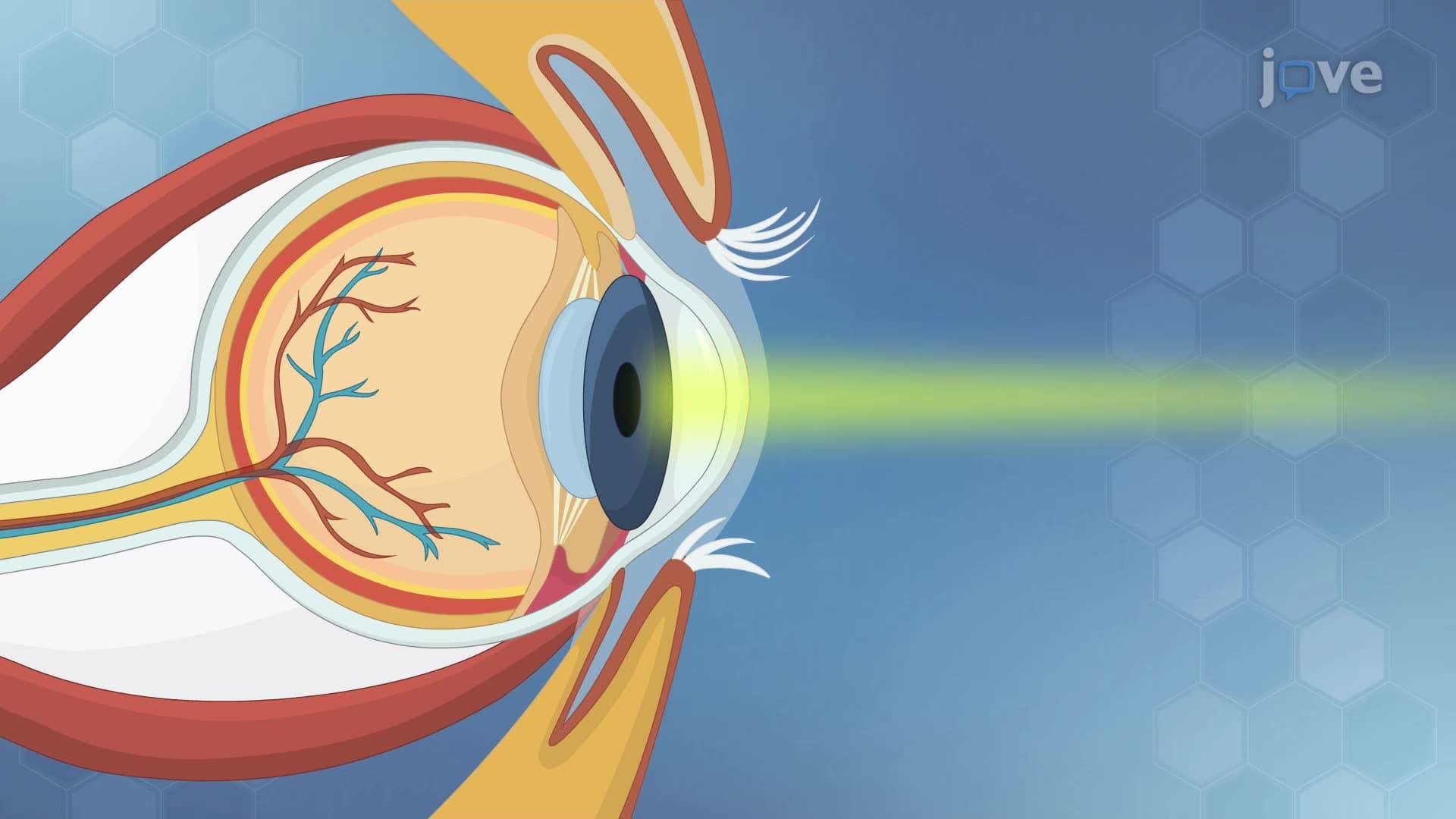









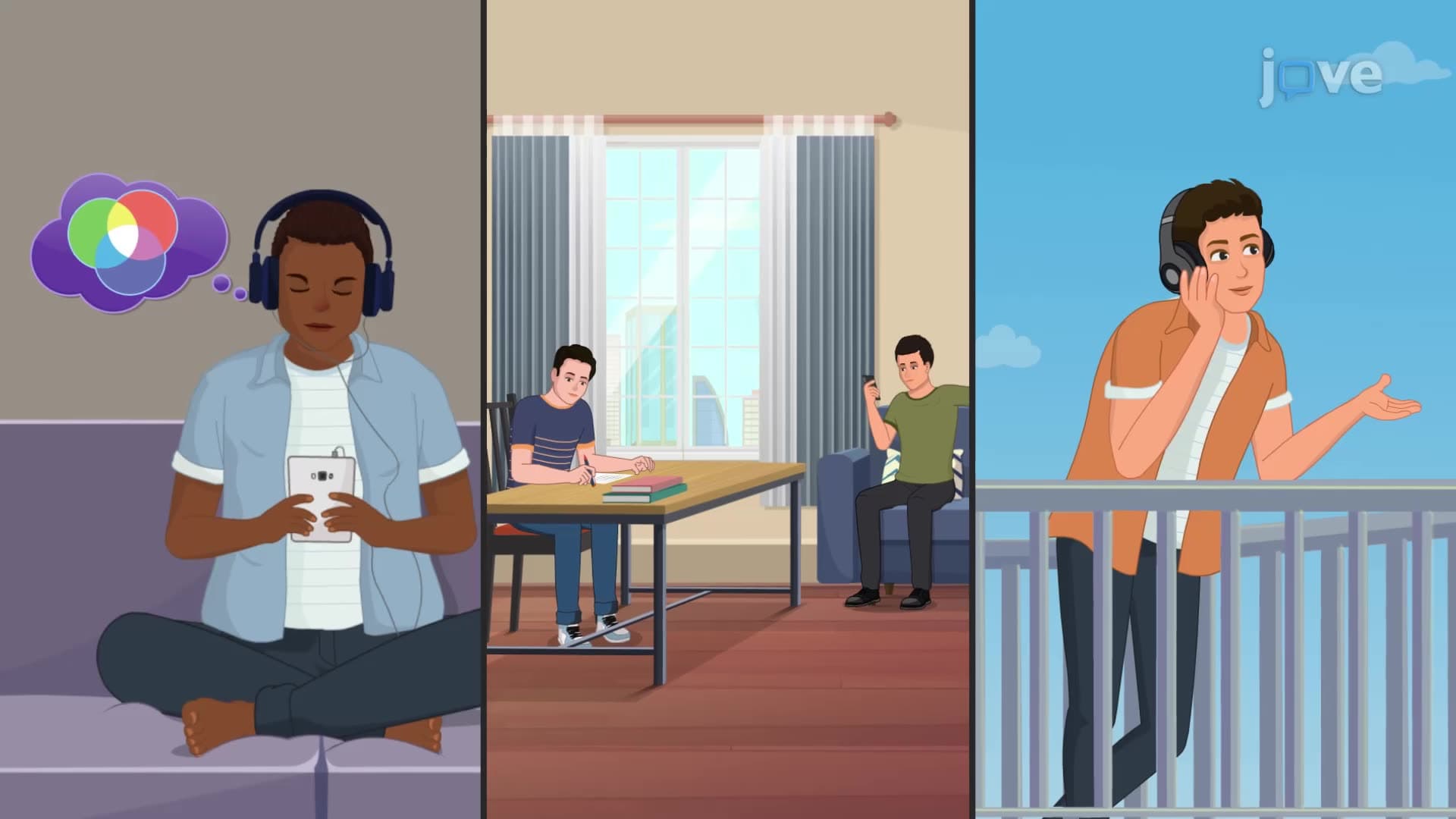
Sensation and perception form the foundation of how humans interpret their environment through complex psychological processes. This comprehensive JoVE Coach micro-course explores sensory systems, perceptual psychology, and how we sense and perceive the world around us. Students examine everything from basic sensory thresholds to advanced phenomena like synesthesia, providing essential knowledge for understanding human cognition and behavior in American educational contexts.
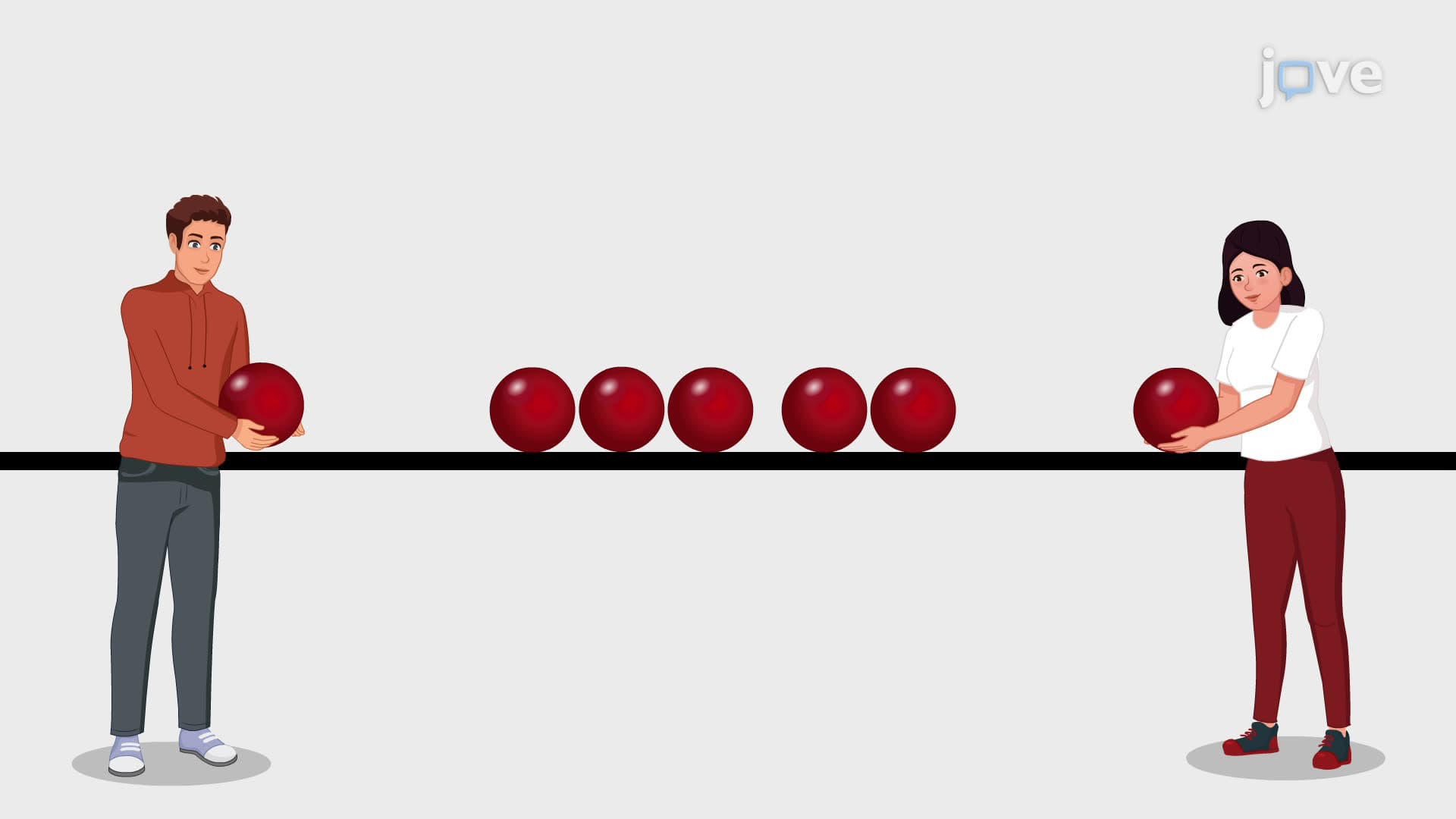
1. Sensory Transduction and Thresholds: The process begins when sensory receptors convert environmental stimuli into electrical signals through transduction. Absolute thresholds represent the minimum stimulus intensity detectable 50% of the time, like hearing a pin drop in a quiet library. The difference threshold, or just noticeable difference (JND), measures the smallest detectable change in stimulus intensity. For example, adding sugar to coffee requires a certain amount before the sweetness difference becomes noticeable. Understanding these concepts helps explain individual variations in sensory sensitivity and provides foundations for studying sensory disorders in American healthcare settings.
2. Bottom-Up vs. Top-Down Processing: Perceptual psychology distinguishes between data-driven bottom-up processing and knowledge-driven top-down processing. Bottom-up processing occurs when sensory information flows from receptors to the brain, like recognizing facial expressions at a school dance by observing smiles and frowns. Top-down processing uses prior knowledge and expectations, such as searching for a lost smartphone by considering its likely locations based on past experience. American students can relate this to reading comprehension, where both letter recognition (bottom-up) and contextual understanding (top-down) contribute to meaning-making.
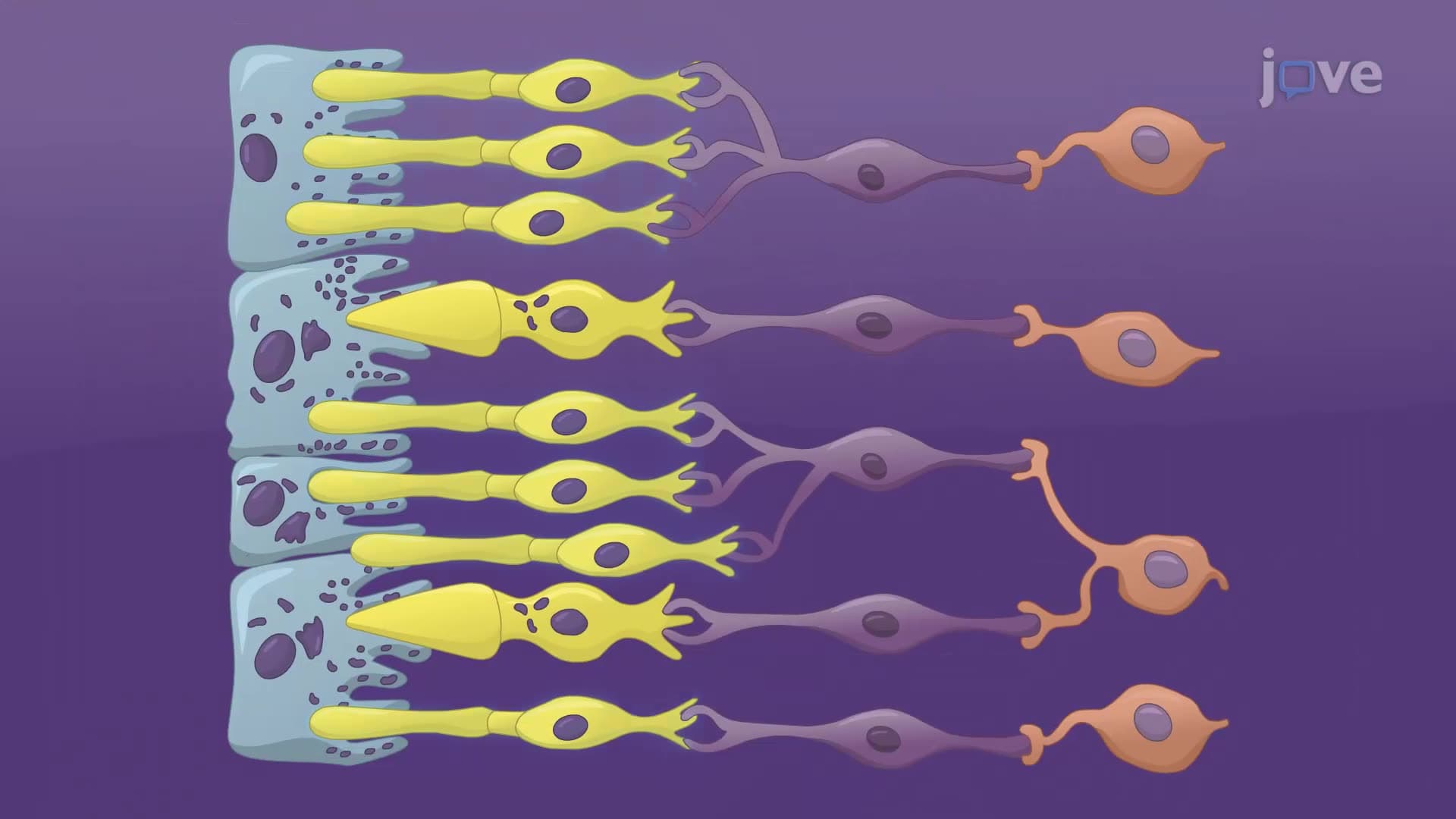
3. Visual System Architecture: The visual pathway demonstrates complex neural processing from light detection to conscious perception. Light enters through the cornea, passes through the pupil regulated by the iris, and focuses via the lens onto the retina containing rods and cones. Feature detectors in the visual cortex respond to specific elements like edges and motion, while parallel processing handles multiple visual attributes simultaneously. This system enables Americans to navigate complex environments like busy Times Square, simultaneously processing colors, movement, and spatial relationships through sophisticated neural binding mechanisms.
4. Color Vision Theories: Two complementary theories explain how Americans perceive the rich colors in environments like autumn foliage in New England. Trichromatic theory proposes that three cone types (red, green, blue) create color perception through their combined responses, supported by color blindness studies showing specific cone deficiencies. Opponent-process theory explains afterimages and suggests that visual cells respond to opposing color pairs (red-green, blue-yellow). Together, these theories demonstrate how retinal processing converts three-color codes into opponent-process codes, enabling the vibrant color experiences central to American cultural celebrations and artistic expressions.
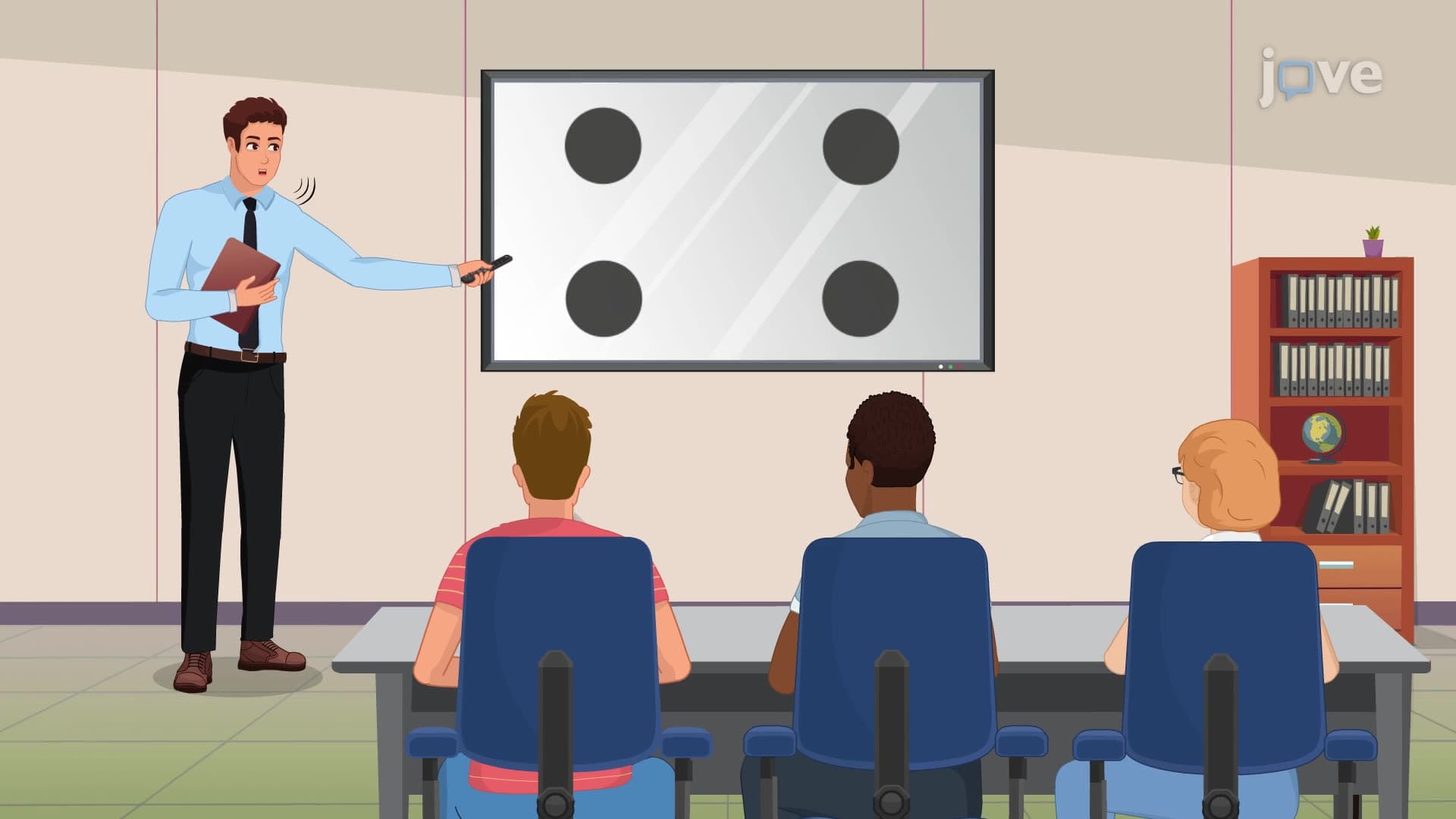
5. Gestalt Principles of Organization: These principles explain how we sense and perceive the world as organized wholes rather than isolated elements. Proximity groups nearby objects, like stars forming constellation patterns in the American flag. Similarity organizes alike elements, such as alternating red and white stripes. Continuity perceives connected paths, while closure fills gaps in incomplete figures. Figure-ground perception distinguishes focal objects from backgrounds, demonstrated in optical illusions like Rubin's vase. American students encounter these principles daily, from reading text layouts to interpreting traffic signs and architectural designs.
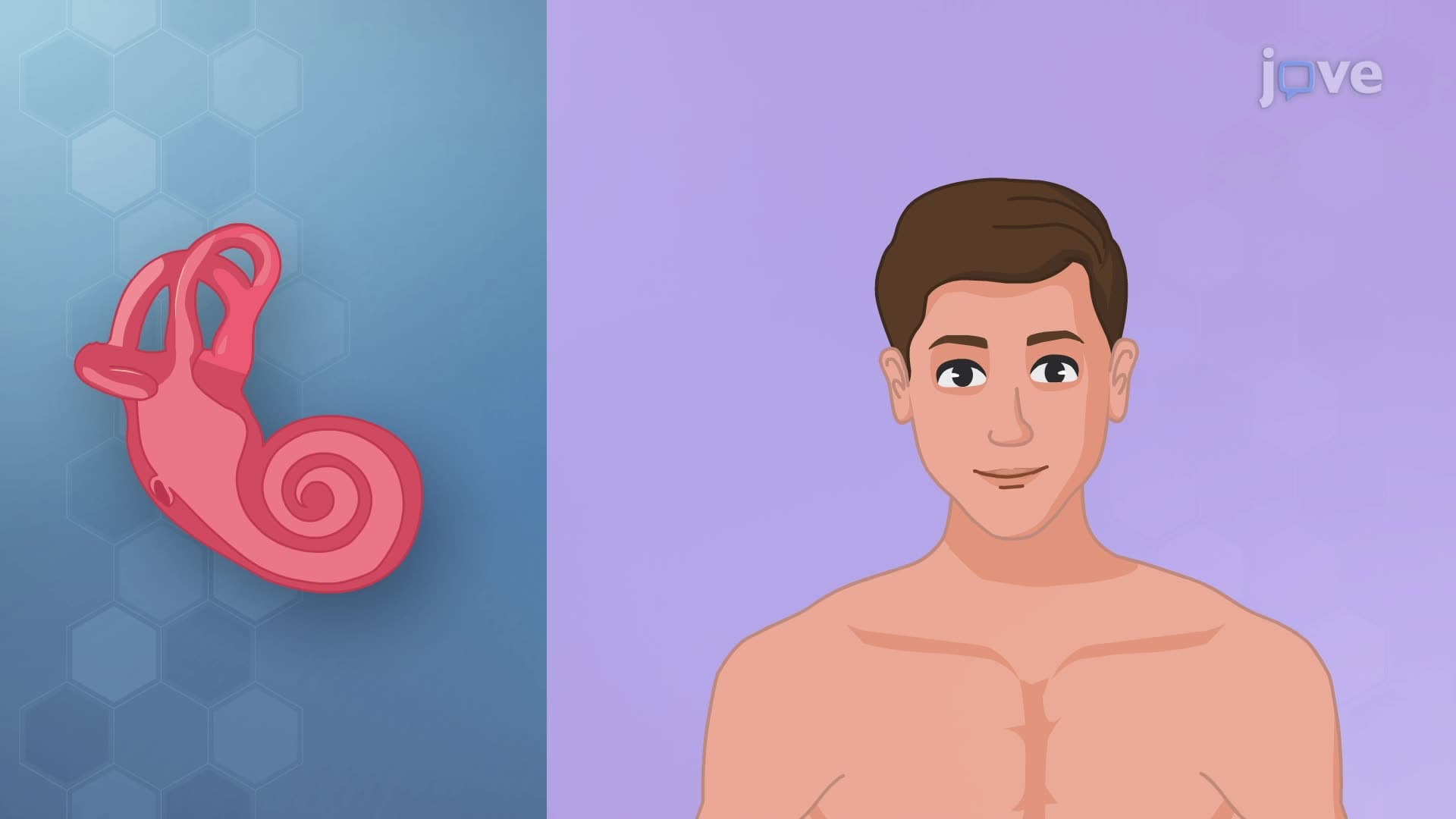
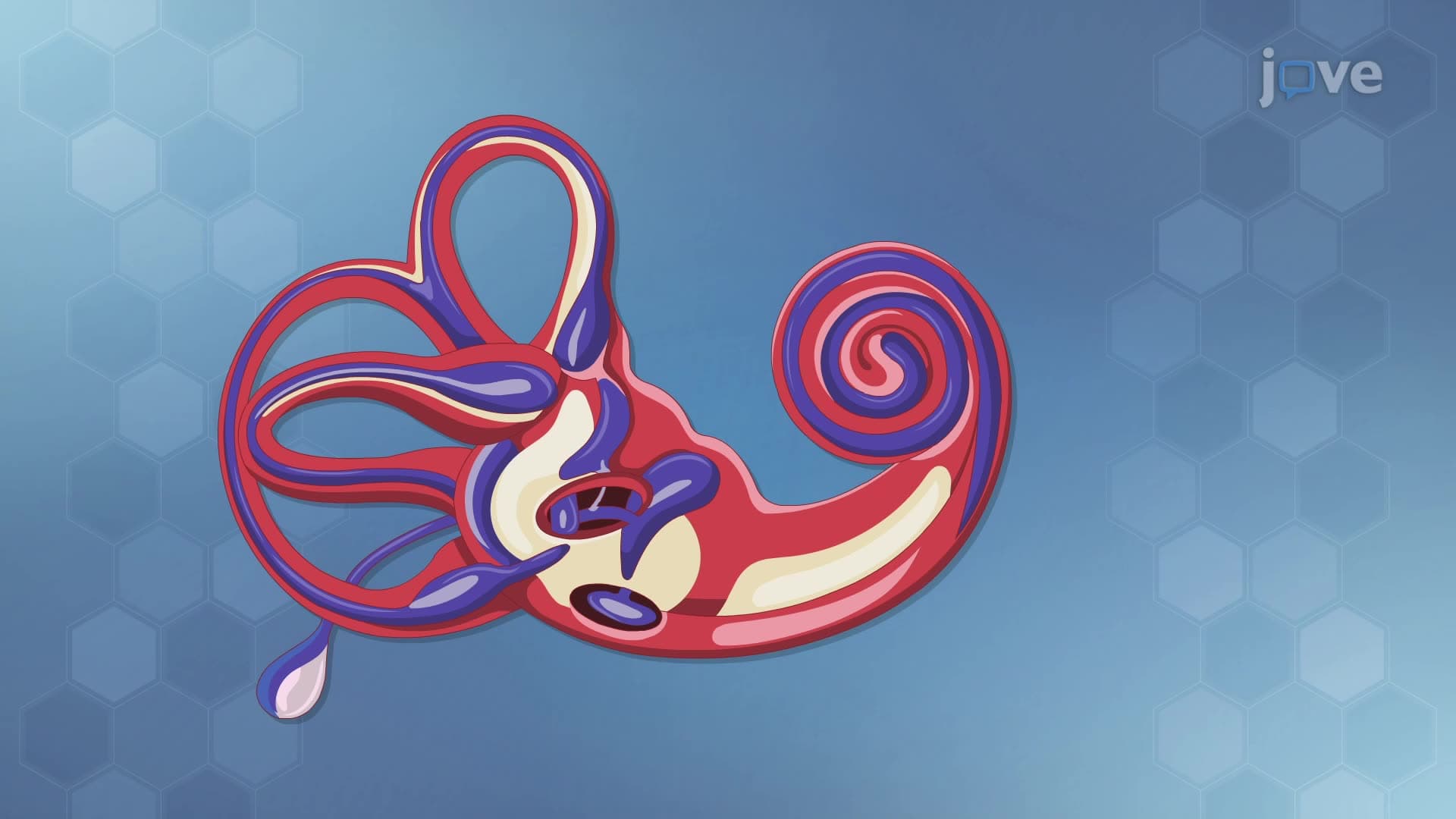
6. Auditory Processing and Spatial Hearing: Sound perception involves complex mechanical and neural processes starting in the outer ear and culminating in auditory cortex interpretation. Place theory explains high-frequency pitch perception through basilar membrane location activation, while frequency theory accounts for low-frequency processing through neural firing rates. Volley theory bridges these mechanisms for mid-range frequencies. Americans rely on these processes for speech comprehension, music appreciation, and spatial navigation, such as localizing approaching vehicles or understanding conversations in noisy restaurants through sophisticated auditory scene analysis.
7. Perceptual Constancy Mechanisms: Despite changing sensory input, perceptual constancy maintains stable object recognition crucial for navigating American environments. Size constancy ensures a school bus appears appropriately sized whether nearby or distant. Shape constancy recognizes books as rectangular regardless of viewing angle. Color constancy maintains object colors under varying illumination, from fluorescent classroom lighting to natural outdoor sunlight. Brightness constancy preserves perceived lightness across different lighting conditions. These mechanisms enable consistent object recognition essential for daily activities like driving, shopping, and social interaction.
8. Pain Perception and Gate Control: Pain serves as a vital warning system with receptors distributed throughout the body in skin, muscles, and organs. Gate control theory explains how spinal cord mechanisms regulate pain signal transmission to the brain, influenced by other sensory input and psychological factors. Pain manifests as acute (temporary surgical pain) or chronic (ongoing arthritis), with individual threshold variations. American healthcare applications include pain management strategies in hospitals, understanding chronic pain conditions affecting millions of Americans, and developing therapeutic interventions that utilize gate control mechanisms for patient comfort and recovery.
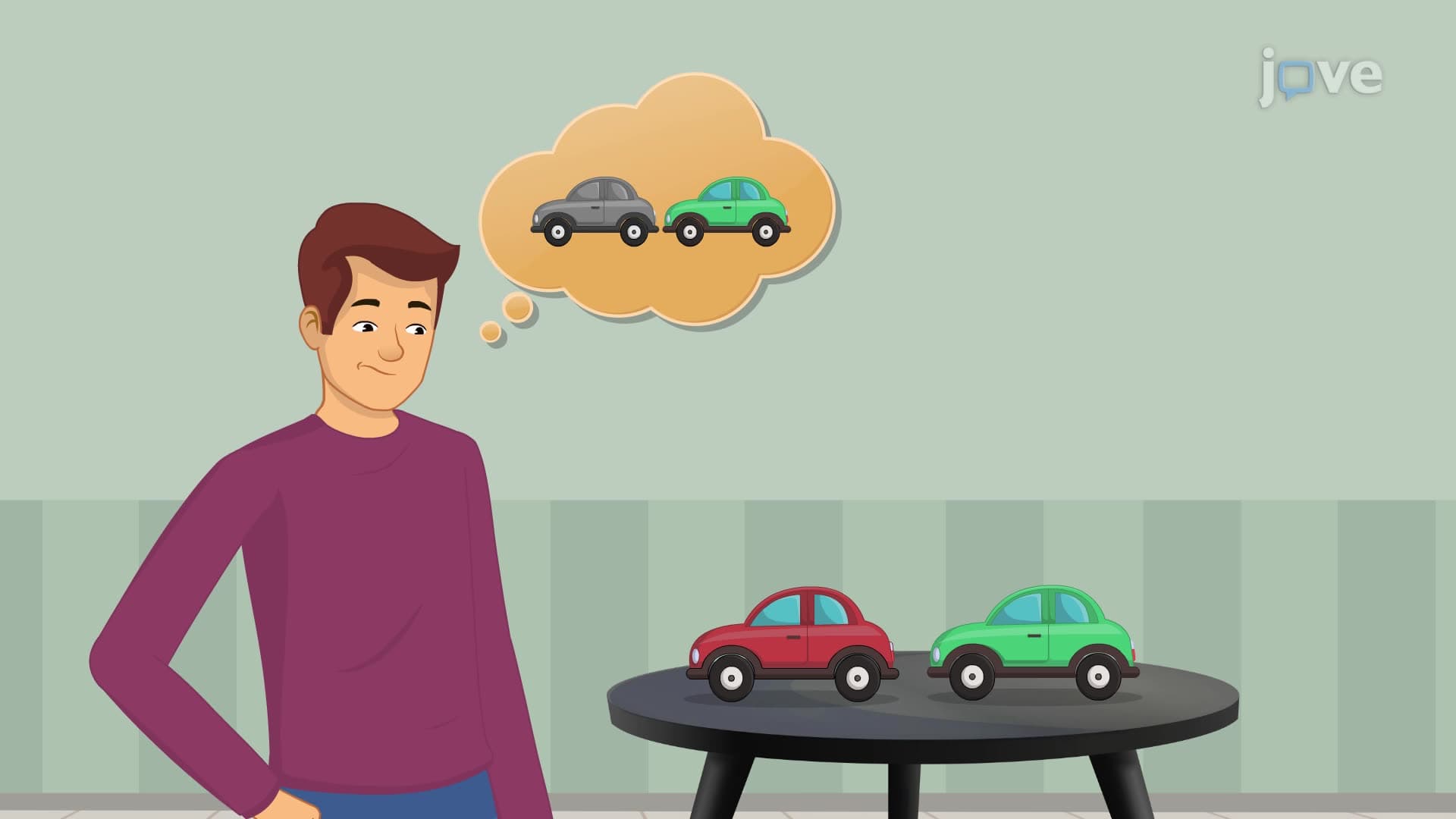
9. Perceptual Disorders and Neural Plasticity: Visual agnosia demonstrates how perception can be disrupted while maintaining basic visual abilities, with patients describing object features but failing identification. Prosopagnosia (face blindness) specifically impairs facial recognition while preserving other visual functions, forcing reliance on alternative cues like clothing or voice. Synesthesia creates cross-modal sensory experiences where sounds trigger colors or words evoke tastes. These conditions illuminate normal perceptual processes and demonstrate both the robustness and limitations of neural plasticity, informing American rehabilitation practices and educational accommodations for individuals with perceptual differences.